Award-Winning AP Chinese Language and Culture Tutors
serving Palm Bay, FL
AP Chinese Language and Culture
Tutors in Palm Bay
Private 1-on-1 tutoring, weekly live classes for academic support, test prep & enrichment, practice tests and diagnostics, and more to elevate grades and test scores.
Based on 3.4M Learner Ratings
UniversitiesSchools & Universities
DeliveredHours Delivered
ProficiencyGrowth in Proficiency
Who needs tutoring?
No obligation. Takes ~1 minute.
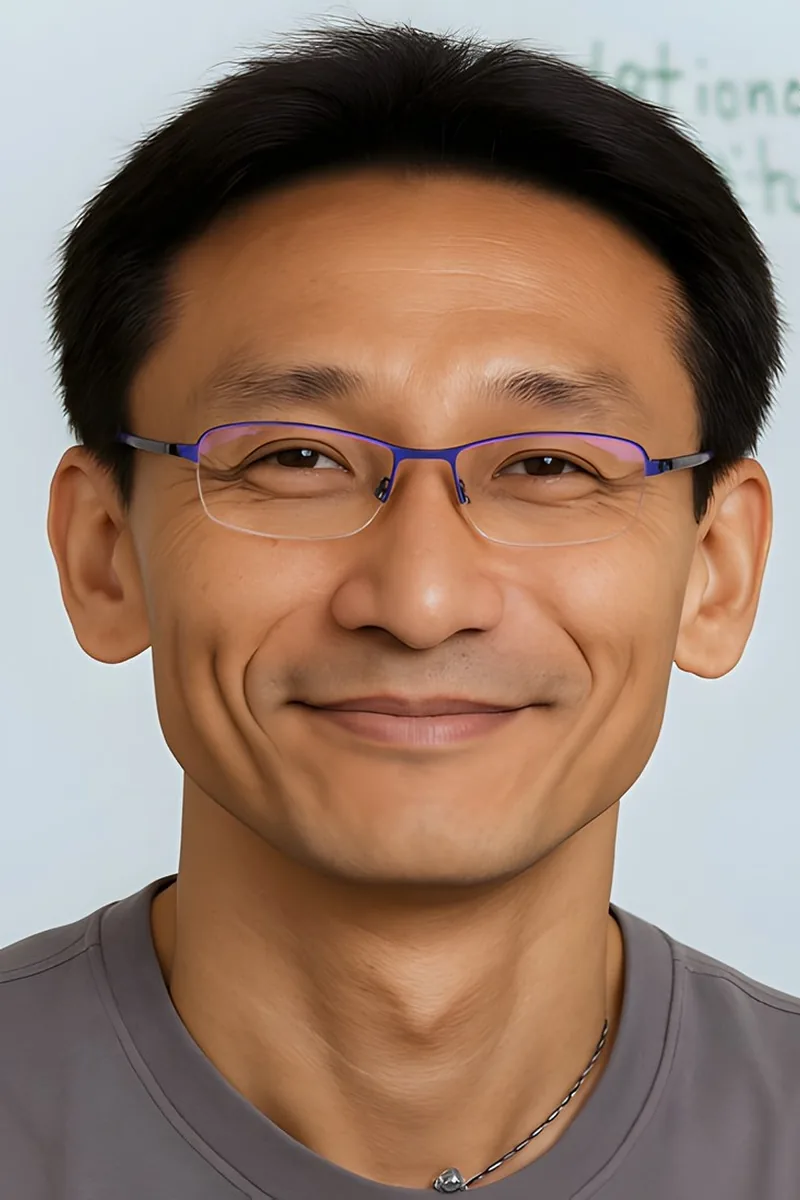
Ten years teaching Mandarin in public schools — from absolute beginners through AP — means Paulkey has watched hundreds of students hit the same walls on the AP Chinese exam, especially the interpersonal response tasks where students freeze up trying to produce spontaneous, culturally appropriate Mandarin in real time. He pairs that classroom experience with a computer science background that makes his prep unusually structured: timed drills, systematic vocabulary review, and targeted practice on the listening comprehension passages that reward quick processing over perfect translation.

As a native Mandarin speaker who moved to the U.S. at nine and later studied at Cornell, Jennifer bridges Chinese and American culture in a way that's hard to find in a tutor. She covers all four AP skill areas — interpretive reading, listening, presentational writing, and spoken interpersonal communication — while weaving in the cultural knowledge that the exam's free-response questions specifically test. Rated 5.0 by students.
A molecular biology degree from UC Berkeley might seem unrelated to AP Chinese, but Caroline's background teaching Mandarin across four levels — plus her fluency in the language — means she knows how to bridge the gap between conversational Mandarin and the formal, academic register the exam's interpretive reading and listening sections demand. She's particularly effective at coaching students through the exam's interpersonal tasks, where her experience mentoring K-12 students in Oakland translates into patient, structured practice that builds confidence under timed conditions. Rated 5.0 by students.
As a fluent Mandarin speaker studying at Columbia, Zhenyi knows firsthand what it takes to operate at a high level in both English and Chinese — and the AP Chinese exam tests exactly that kind of bilingual agility. She digs into the exam's interpersonal and presentational communication tasks, coaching students on formal register, cultural comparisons, and the idiomatic phrasing that separates a 4 from a 5. Her native fluency means she can catch tonal and grammatical subtleties that non-native instructors often miss.
Having scored on the SAT Subject Test in Chinese with Listening, Florence brings firsthand experience with the kind of language proficiency AP Chinese demands — from interpreting spoken passages to crafting written responses using appropriate registers. She knows which cultural comparison prompts tend to trip students up and how to structure presentational writing that earns top marks.
Few AP Chinese tutors can match Chang's combination: he's a native-level Mandarin speaker who has taught the language professionally to Pentagon and State Department employees, university professors, and traditional students alike. He drills the presentational and interpersonal communication tasks the exam requires — story narration, cultural comparison essays, and conversation responses — with attention to the tonal precision and idiomatic phrasing that separate a 4 from a 5. His deep knowledge of Chinese culture also strengthens students' performance on the cultural awareness components.
The AP Chinese exam tests far more than vocabulary recall — it demands cultural knowledge, formal register in writing, and the ability to compare Chinese and American perspectives in presentational speaking. Daniel, who has studied Mandarin through advanced levels, breaks down each exam section so students know exactly what the graders are looking for in their responses.
A literature degree paired with fluency in both Mandarin and Cantonese gives Bronwen an unusual edge on the AP Chinese exam's interpretive reading section, where students encounter texts that demand literary analysis skills — not just language ability. She teaches across all four Mandarin levels and scored 1530 on the SAT, reflecting the kind of close-reading discipline she brings to coaching students through the exam's densest written passages. Rated 5.0 by students.
Fifteen years growing up in Taiwan gave James native-level Mandarin and the kind of deep cultural intuition that's hard to teach from a textbook — especially useful for the AP exam's interpersonal speaking prompts, where natural tone, register, and cultural awareness separate top scores. He also tutors across five levels of Mandarin, so he can quickly pinpoint whether a student's struggle is grammatical, vocabulary-based, or rooted in unfamiliarity with formal written Chinese. Rated 5.0 by students.
The AP Chinese Language and Culture exam rewards students who can think culturally, not just linguistically — comparing traditions, explaining customs, and narrating personal experiences in natural Mandarin. Lauren lived in Nanjing and studied at Nanjing University, so she brings real-world cultural fluency to the interpersonal and presentational tasks that trip up even strong speakers. Her linguistics degree also means she can explain tricky grammar patterns with unusual clarity.
The AP Chinese Language and Culture exam tests more than vocabulary — it demands cultural literacy, formal register switching, and the ability to compare Chinese and American perspectives in real time. Ya grew up in Taiwan and earned her master's in Foreign Language Education (Chinese) at NYU, so she teaches students to navigate the interpersonal and presentational speaking tasks with native-level cultural nuance. She also drills the specific reading and listening strategies that trip up heritage and non-heritage speakers alike.
Minoring in Chinese at Northeastern while pursuing a pharmacy degree, Amy uses the language daily in academic contexts — reading research, discussing coursework — which builds the kind of formal register fluency the AP Chinese exam's interpretive reading and presentational writing sections actually test. Her 4.9 rating from students reflects a knack for breaking complex characters and grammatical structures into manageable patterns, and she draws on her own experience as a heritage learner to bridge gaps between conversational Mandarin and the academic-level precision the exam demands.
The cultural comparison essay on the AP Chinese Language and Culture exam trips up even strong speakers because it requires analytical writing, not just language proficiency. Julie's philosophy training at Princeton sharpens exactly that skill — breaking down a prompt, organizing a clear argument, and supporting it with specific cultural knowledge. She brings that structured thinking to every section of the exam.
Testimonials
Because the right AP Chinese Language and Culture tutor makes all the difference.
Average Session Rating – Based on 3.4M Learner Ratings
Nearby AP Chinese Language and Culture Tutors
Other Palm Bay Tutors
Related Languages Tutors in Palm Bay
Frequently Asked Questions
The AP Chinese Language and Culture exam tests proficiency across five key areas: listening, speaking, reading, writing, and cultural knowledge. The exam includes multiple-choice sections for listening and reading comprehension, free-response sections for speaking and writing, and an essay component that integrates cultural understanding. For students in Palm Bay preparing for this exam, understanding the weight and format of each section is essential for effective study planning.
Reaching professional-level Chinese proficiency generally requires approximately 2,200 hours of study according to language learning research. However, the timeline for AP exam readiness depends on your starting level and study intensity—students who begin in middle school and progress consistently through high school can develop strong exam skills. Personalized tutoring can accelerate progress by targeting your specific weak areas, whether that's tonal accuracy, character recognition, or cultural context comprehension.
Many students struggle with tonal accuracy and distinguishing between similar sounds, reading and writing traditional characters under time pressure, and understanding cultural nuances that appear in the exam's free-response sections. The speaking section often creates anxiety due to real-time performance demands, while the writing section requires both grammatical accuracy and cultural appropriateness. Tutors can help you build confidence in each area through targeted practice and feedback on pronunciation, character recognition, and cultural context.
Score improvement depends on your starting point and commitment level, but students typically see meaningful gains—often 2-5 points on the 5-point AP scale—within 3-6 months of consistent personalized instruction. The most significant improvements come from focused work on your weakest section, whether that's improving listening comprehension, refining speaking fluency, or strengthening written expression. Varsity Tutors connects you with expert tutors who can identify your specific gaps and create a targeted study plan.
Key strategies include previewing reading passages before listening to audio to activate relevant vocabulary, taking notes during the listening section to capture main ideas rather than transcribing everything, and managing your time carefully during the timed speaking section by outlining your response before recording. For the writing section, planning your essay structure before you begin helps ensure cultural appropriateness and grammatical accuracy. Tutors can help you practice these strategies with authentic exam materials and timed practice tests.
Practice tests are critical for AP Chinese success because they help you become comfortable with the exam format, improve your pacing across timed sections, and identify specific areas for improvement—whether that's struggling with rapid conversational speech or recognizing less common characters. Taking full-length practice tests under timed conditions also builds the stamina and confidence needed for test day. Tutors can review your practice test results with you, pinpoint patterns in your errors, and adjust your study plan accordingly.
Look for tutors who are native or near-native Chinese speakers with deep knowledge of both Mandarin and Chinese culture, have experience teaching AP Chinese specifically, and understand the exam's unique demands across listening, speaking, reading, and writing. Ideally, they should have a track record helping students improve their AP scores and be able to provide feedback on pronunciation, tone, and cultural nuance. Varsity Tutors connects you with expert tutors who meet these qualifications and can tailor instruction to your specific needs.
Your first session typically includes an assessment of your current proficiency across all five skill areas—listening, speaking, reading, writing, and cultural knowledge—to identify your strengths and gaps. The tutor will discuss your AP exam timeline, current study habits, and specific concerns, then create a personalized roadmap for improvement. This foundation helps ensure your tutoring focuses on the areas where you need the most support to boost your AP score.
Let’s find your perfect tutor
Answer a few quick questions. We’ll recommend the right plan and match you with a top 5% tutor.