Award-Winning AP Spanish Literature and Culture Tutors
serving Palm Bay, FL
AP Spanish Literature and Culture
Tutors in Palm Bay
Private 1-on-1 tutoring, weekly live classes for academic support, test prep & enrichment, practice tests and diagnostics, and more to elevate grades and test scores.
Based on 3.4M Learner Ratings
UniversitiesSchools & Universities
DeliveredHours Delivered
ProficiencyGrowth in Proficiency
Who needs tutoring?
No obligation. Takes ~1 minute.
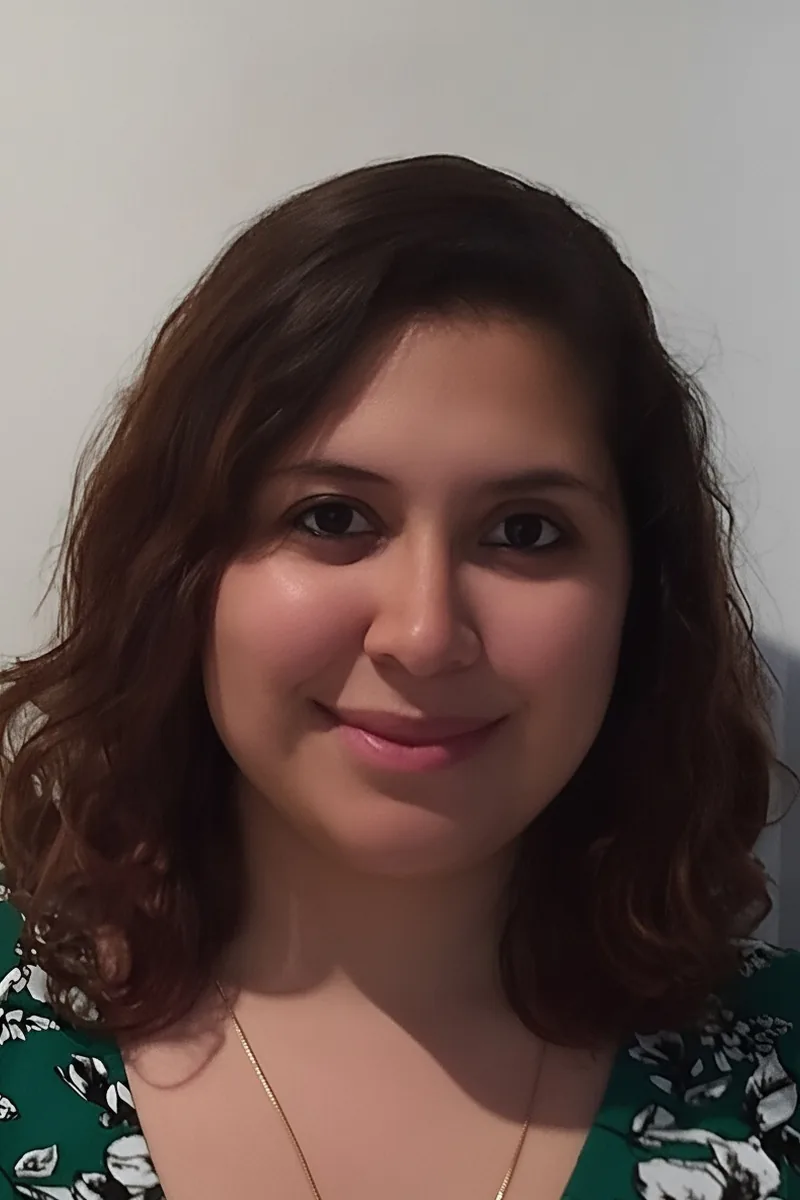
Adriana's biochemistry and history double major at Rice might seem unusual preparation for literary analysis, but dissecting historical arguments and scientific texts in two languages built exactly the kind of rigorous close-reading this exam rewards. Fluent in Spanish and holding a 5.0 tutoring rating, she walks students through the timed analytical essay process — constructing thesis-driven arguments about works on the AP reading list entirely in Spanish, with attention to both literary devices and the cultural contexts behind them.
Fully fluent in Spanish and studying at the University of Chicago, Emerson brings genuine literary analysis skills to AP Spanish Literature and Culture — from unpacking the magical realism in García Márquez to dissecting the poetry of Sor Juana Inés de la Cruz. He teaches students to write the kind of analytical essays the AP exam rewards, connecting themes across literary periods in clear, well-structured Spanish prose.
Growing up as a native Spanish speaker and completing AP Spanish Literature coursework through the IB program, Solange reads and analyzes texts by authors like Cervantes and Borges in their original language without defaulting to English translation as a bridge. She teaches students to move between close reading of poetic form and constructing timed analytical essays — the exact skill set the exam's free-response section rewards. Rated 5.0 by students.
English and journalism training at UChicago sharpened Isabella's ability to dissect how authors construct arguments and layer meaning — skills that transfer directly to analyzing AP reading list texts, even though Spanish literature isn't her primary lane. For students who already have strong Spanish fluency but struggle with the essay side of the exam (building a thesis, structuring evidence-based paragraphs under time pressure), her 5.0 rating and deep experience coaching college-level writing make her a practical fit.
Courtney earned her Master's in Hispanic and Latin American Languages alongside a BA in Spanish and Iberian Studies — meaning the literary periods, genres, and cultural movements on the AP reading list aren't exam prep material for her, they're the core of her academic training. She teaches students to build analytical essays in Spanish that connect a text's formal choices to the broader tradition it belongs to, whether that's tracing magical realism's roots in a passage or identifying how a Golden Age sonnet's structure reinforces its argument.
Molecular biology and literary analysis share more than people think — both require pulling apart complex structures to understand how smaller components create meaning. Alana's science training sharpens how she teaches students to dissect a passage's formal choices, and her Spanish coursework through AP-level literature means she can coach essay construction and textual analysis in the target language. Rated 5.0 by students.
Richard's engineering background at the University of Tulsa might seem far from literary analysis, but his Spanish coursework through advanced levels and his instinct for systematic problem-solving give him a practical angle on the AP exam's timed essays — particularly breaking a prompt into a clear thesis, supporting claims, and organizing evidence under pressure. He's upfront that this isn't his deepest subject, so he's best suited for students who already read comfortably in Spanish and need help with the structural mechanics of constructing analytical arguments on exam day.
Living in Bogotá as a Fulbright scholar while holding a double major in Spanish and Business from Emory means Michelle is immersed daily in the Colombian literary and cultural landscape — the kind of lived context that enriches discussion of Latin American works on the AP reading list. She brings that real-world fluency to essay practice in Spanish, particularly when students need to connect a text's themes to the broader cultural movements the exam expects them to articulate under timed conditions.
Reading García Márquez or Sor Juana Inés de la Cruz in the original Spanish demands more than translation — it requires understanding the cultural and historical contexts that shaped each work. Caio pairs deep Spanish fluency with his Rice sociology and history training, so he can unpack literary movements like el Boom or colonial-era poetry in terms of the social forces behind them. Rated 5.0 by students.
Studying Spanish as a full degree — not just a minor or elective — means Alexandra has spent years reading and analyzing literary works in the original language, from García Márquez to Sor Juana. She teaches students to write the kind of thematic analysis essays the AP exam demands, connecting literary movements like el realismo mágico to their cultural and historical contexts.
Renee's PhD in Spanish and Iberian Studies means she's spent years inside the literary traditions the AP exam tests — not just reading Garcilaso or Unamuno, but producing original scholarship on how these texts function within broader Iberian cultural movements. That academic depth shapes how she teaches students to construct thesis-driven essays in Spanish, moving from close reading of a passage's formal choices to the kind of cultural argumentation that earns top scores on the free-response section.
Double-majoring in English and Spanish at Butler — with a history minor and honors program work — meant Darby spent four years reading literature through both linguistic and cultural lenses simultaneously, a habit that translates directly to analyzing AP reading list texts where literary movements cross national and language boundaries. She teaches essay construction in Spanish with a creative writer's attention to how an author's formal choices (imagery, tone, narrative voice) carry argumentative weight in timed free-response writing. Rated 5.0 by students.
Reading García Márquez or Sor Juana Inés de la Cruz in the original Spanish demands more than vocabulary — it requires understanding literary movements, rhetorical devices, and the cultural contexts that shaped each work. Corey studied Latin American & Caribbean Studies alongside cognitive science at the University of Michigan, giving him both the literary background and the analytical framework to unpack AP Spanish Literature's required reading list. He connects themes across periods so students can write stronger comparative essays on exam day.
Honest assessment: AP Spanish Literature and Culture isn't Morgan's wheelhouse — her strengths are English literature, writing, and standardized test prep (she scored a 34 ACT and holds a 5.0 rating). That said, her English degree at Washington University in St. Louis means she lives inside literary analysis daily, and for students who already have strong Spanish fluency but struggle with essay structure — building a thesis, integrating textual evidence, constructing an argument under time pressure — those skills transfer directly to the AP free-response format.
Three years as a Peace Corps volunteer in the Dominican Republic and time teaching at a bilingual school in Costa Rica gave Courtney the kind of lived Spanish fluency that comes from daily immersion — not just classroom study. That real-world grounding in Caribbean and Latin American culture adds context when she walks students through reading list works where themes of colonialism, identity, and societal contact demand more than textbook definitions to unpack in a timed essay.
Few tutors can match Trace's combination of a summa cum laude specialization in Spanish from Ohio State and professional experience as a Spanish-language court interpreter. For AP Spanish Literature and Culture, he unpacks texts from Cervantes to García Márquez in their original language, teaching students to write literary analysis in Spanish with the sophistication the exam requires.
I'm a native Spanish and English speaker. I graduated with Honors in Art History and Philosophy from the University of Chicago. As a trilingual, I easily understand the difficulties and processes involved in learning a new language! I have been teaching Spanish and English to students worldwide for years. I am passionate about teaching languages as I have been blessed by life-changing opportunities by speaking fluidly with people from other cultures.
Testimonials
Because the right AP Spanish Literature and Culture tutor makes all the difference.
Average Session Rating – Based on 3.4M Learner Ratings
Nearby AP Spanish Literature and Culture Tutors
Other Palm Bay Tutors
Related Languages Tutors in Palm Bay
Frequently Asked Questions
AP Spanish Literature and Culture focuses on reading and analyzing Spanish-language literary texts across six thematic units: family and community, personal and public identities, folklore and cultural perspectives, social institutions, beauty and aesthetics, and science and technology. Students develop skills in close reading, textual analysis, and cultural interpretation while building advanced Spanish proficiency. The course emphasizes understanding how literature reflects and shapes cultural values across Spanish-speaking regions.
The exam consists of two sections: a 80-minute multiple-choice section with reading comprehension passages and questions, and a 100-minute free-response section with three written tasks (essay, open-ended response, and short-answer). You'll encounter poetry, prose, drama, and cultural documents from various time periods and Spanish-speaking countries. Success requires both strong comprehension skills and the ability to analyze literary techniques and cultural context under timed conditions.
Many students struggle with the pace of reading complex literary texts in Spanish, especially when encountering archaic language or unfamiliar regional expressions. Understanding nuanced literary devices and cultural context—rather than just translating words—trips up learners who rely on surface-level comprehension. Time management on the free-response section is another common challenge, as students must write sophisticated analyses quickly while maintaining grammatical accuracy and cultural insight.
A tutor can help you develop close-reading strategies for literary analysis, teach you how to identify and discuss literary devices in Spanish, and build your confidence analyzing unfamiliar texts under timed conditions. Tutors also guide you through the specific demands of each exam section, provide targeted practice with authentic AP materials, and help you strengthen both your Spanish language skills and cultural knowledge. Personalized 1-on-1 instruction allows you to focus on your specific weak areas, whether that's poetry analysis, essay writing, or managing test anxiety.
Score improvement depends on your starting point and commitment level, but students typically see meaningful gains—often 1-2 score points—when they work with a tutor on targeted skill-building and practice. The most significant improvements come from students who focus on understanding literary analysis rather than just vocabulary, practice with authentic exam materials regularly, and get feedback on their written responses. Consistent practice combined with expert guidance helps you move from surface-level reading to the sophisticated analysis that earns higher scores.
Most students benefit from starting exam prep 3-4 months before the test, though this varies based on your current Spanish proficiency and familiarity with literary analysis. A typical study schedule includes weekly tutoring sessions focused on skill-building, daily practice with passages and essays, and regular review of literary terms and cultural contexts. If you're starting with weaker fundamentals, beginning earlier with a tutor can help you build a strong foundation before diving into advanced analysis and timed practice.
Varsity Tutors connects you with expert tutors who specialize in AP Spanish Literature and Culture and understand the specific demands of the exam. When you reach out, we match you with a tutor based on your goals, schedule, and learning style—whether you need help with literary analysis, essay writing, or building overall confidence. You can start with an initial consultation to discuss your current level and what you want to accomplish before test day.
Yes—taking full-length, timed practice tests is essential for AP Spanish Literature and Culture prep because it helps you get comfortable with pacing, identify weak areas in specific literary genres or themes, and build test-day stamina. Start with untimed practice to focus on accuracy and analysis, then gradually move to timed conditions as exam day approaches. A tutor can review your practice test results with you, pinpoint patterns in your mistakes, and help you refine your strategies for each section.
Let’s find your perfect tutor
Answer a few quick questions. We’ll recommend the right plan and match you with a top 5% tutor.