Award-Winning MCAT Biological and Biochemical Foundations of Living Systems Tutors
serving Little Rock, AR
MCAT Biological and Biochemical Foundations of Living Systems
Tutors in Little Rock
Private 1-on-1 tutoring, weekly live classes for academic support, test prep & enrichment, practice tests and diagnostics, and more to elevate grades and test scores.
Based on 3.4M Learner Ratings
UniversitiesSchools & Universities
DeliveredHours Delivered
ProficiencyGrowth in Proficiency
Who needs tutoring?
No obligation. Takes ~1 minute.
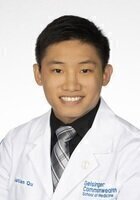
I am a MD resident physician in Radiology and 2020 graduate of Rice University. Throughout my academic and professional journey, I've found that one of the most rewarding parts of education is helping others reach their potential. I've worked with students across many stages, from high schoolers preparing for the SAT/ACT, to applicants refining personal statements for college and medical school, to medical students tackling board exams. In each of these settings, my goal remains the same: to help students not just learn material but learn how to learn. My teaching philosophy is built on the belief that success doesn't depend on being naturally gifted, it comes from consistency, structure, and a willingness to improve. I work with students to develop individualized study plans, set achievable milestones, and build momentum. I focus on helping students become confident learners who can approach problems with clarity and strategy.
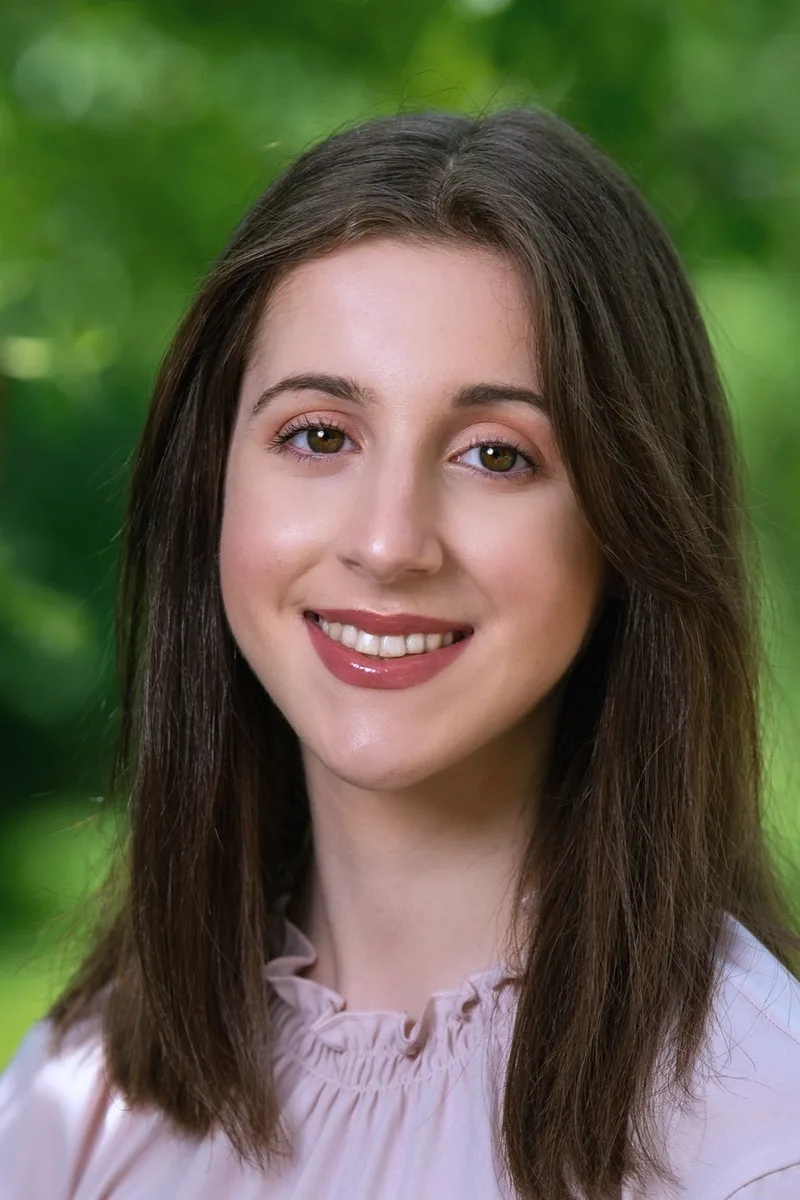
I am a graduate of Emory University, where I received my Bachelor of Science in Neuroscience and Behavioral Biology with a minor in Dance and Movement Studies. Throughout college, I have trained extensively tutoring students of various ages across many subjects. As an "Emory Reads" tutor for four years, I helped alleviate education inequality by providing weekly tutoring to students in Atlanta's lowest performing elementary schools to enhance reading comprehension and mathematics skills. I worked with the schools to transition engaged learning to an online format. I am a firm proponent of education, and am committed to providing my students with the best learning experience achievable. I am passionate about helping struggling students face the challenges of early education, and help them build a solid foundation for the future. I also served several semesters working with high school and college-age students. As a Teaching Assistant for college-level physics, I developed a sincere bond with my students as I strived to help them achieve there academic goals. I also worked as a peer-editor for papers and personal statements, as appointed by my professors who recognized my strong writing skills. For three years, I tutored and mentored high school students who were passionate about pursuing the sciences in college. I helped them through their AP coursework, preparing for standardized tests, and the college application process. I have worked with students to get into Ivy League universities, Berkeley, UCLA, NYU, and more. I am looking forward to being able to helping every student reach their personal potential, and sharing the joy of eventual success!
Howdy! My name is Karthik, and I look forward to meeting you. I've been tutoring for over 10 years, and am excited to give you the tools to achieve success! I've seen it all, from frustrated parents who need their 8 year old to learn how to read, to high school/college students just needing a grade boost to pass a class, to retirees who finally have enough time to pick up that language they never got around to. I've personally taken courses on, passed tests for, and used the knowledge in real life for all the subjects I tutor, so I know not just how to learn, but also how to apply. If you'd like to get your personlized gameplan to never need tutoring again, help me help you and book a session today!
Testimonials
Because the right MCAT Biological and Biochemical Foundations of Living Systems tutor makes all the difference.
Average Session Rating – Based on 3.4M Learner Ratings
Nearby MCAT Biological and Biochemical Foundations of Living Systems Tutors
Other Little Rock Tutors
Related Graduate Test Prep Tutors in Little Rock
Frequently Asked Questions
This section tests your understanding of cellular biology, biochemistry, genetics, and physiology—essentially how living systems work at the molecular and cellular level. You'll encounter questions on enzyme kinetics, metabolic pathways, DNA/RNA, protein synthesis, cell signaling, and organ system physiology. The section is passage-based, meaning you'll read scientific passages and answer questions that require both content knowledge and critical reasoning skills.
Score improvement depends on your starting point and study effort, but students typically see meaningful gains (3-5 points on the 118-132 scale) within 4-8 weeks of focused preparation. The key is identifying your specific weak areas—whether that's biochemistry pathways, passage comprehension speed, or question interpretation—and targeting those gaps systematically. Personalized 1-on-1 instruction helps you avoid generic study and focus on what actually moves your score.
Students commonly struggle with three main areas: (1) the sheer volume of biochemistry content—metabolic pathways, enzyme mechanisms, and cofactors can feel overwhelming; (2) passage-reading speed and extracting relevant information under time pressure; and (3) distinguishing between similar concepts like different types of cell signaling or transport mechanisms. Many students also underestimate how much the section tests reasoning and integration rather than pure memorization.
The Biological Sciences section gives you roughly 1.5 minutes per question, so efficient passage reading is critical. Most students benefit from spending 3-4 minutes reading and annotating each passage, then 30-45 seconds per question. A tutor can help you develop a personal pacing strategy—some students skim passages first, others read thoroughly—and practice with real MCAT passages under timed conditions to build automaticity without sacrificing accuracy.
Practice tests are essential for MCAT prep because they help you identify content gaps, build stamina, and get comfortable with the question format and pacing. You should take full-length practice tests regularly (every 1-2 weeks) and review them thoroughly, but also use section-specific practice to drill weak areas. Varsity Tutors connects you with tutors who can help you interpret practice test results and create targeted study plans based on patterns in your performance.
Look for tutors with strong biochemistry and cell biology backgrounds who understand MCAT-specific content and question formats—not just general biology knowledge. Your tutor should be able to explain complex pathways clearly, help you develop efficient passage-reading strategies, and use your practice test data to prioritize what to study. For students in Little Rock preparing for medical school, finding someone who understands your timeline and goals makes a real difference in staying motivated and focused.
Most students benefit from 6-12 weeks of dedicated MCAT prep, with the Biological Sciences section requiring consistent attention throughout. If you're starting with weak biochemistry foundations, you may need longer. A typical study schedule includes 2-3 weeks of content review, 4-6 weeks of practice and refinement, and 2 weeks of final review and full-length practice tests. Personalized tutoring helps you compress this timeline by focusing on your specific gaps rather than reviewing material you already know.
Your first session focuses on assessment and planning. A tutor will likely review your current baseline (practice test scores, content strengths/weaknesses), discuss your target score and timeline, and identify which topics need the most work—whether that's metabolic pathways, enzyme kinetics, or passage-reading strategy. You'll leave with a clear roadmap and often tackle one specific concept or practice question to get a feel for how personalized instruction works for you.
Let’s find your perfect tutor
Answer a few quick questions. We’ll recommend the right plan and match you with a top 5% tutor.