Award-Winning Anatomy Tutors
serving Little Rock, AR
Anatomy
Tutors in Little Rock
Private 1-on-1 tutoring, weekly live classes for academic support, test prep & enrichment, practice tests and diagnostics, and more to elevate grades and test scores.
Based on 3.4M Learner Ratings
UniversitiesSchools & Universities
DeliveredHours Delivered
ProficiencyGrowth in Proficiency
Who needs tutoring?
No obligation. Takes ~1 minute.
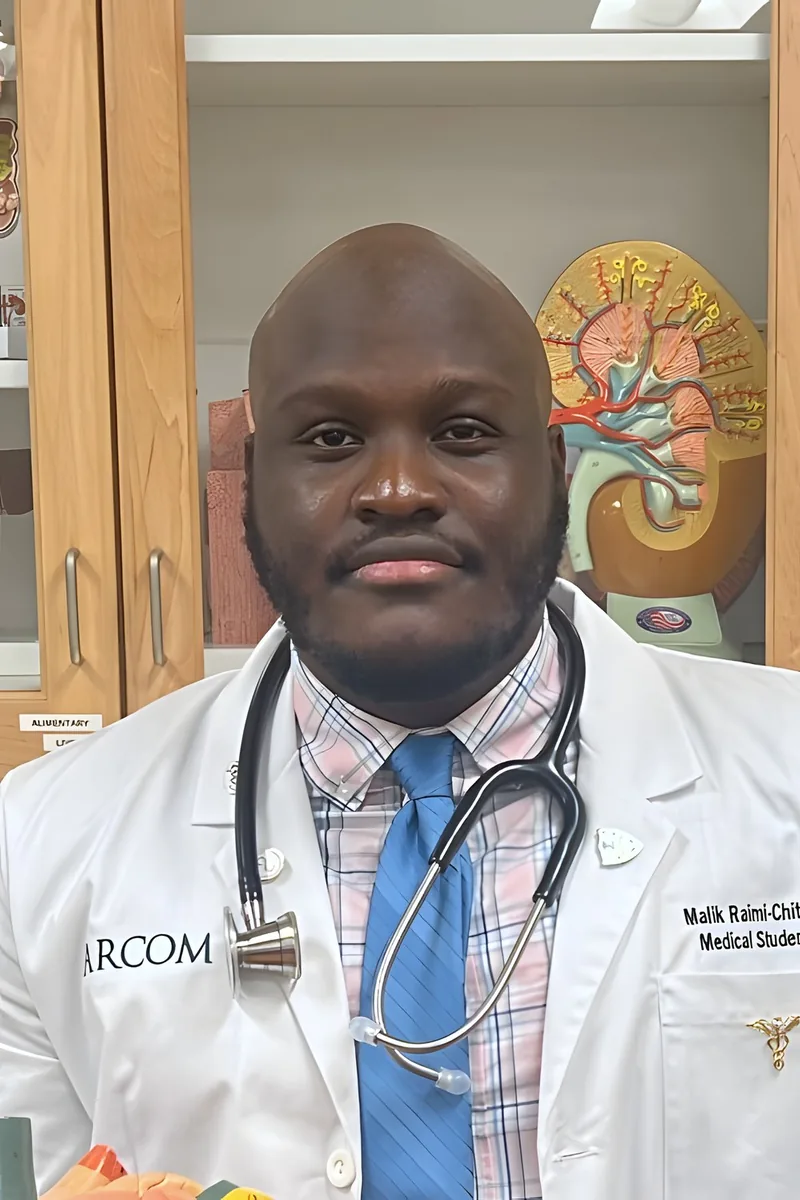
As a second-year medical student with a strong foundation in science and a passion for education, I specialize in making tough subjects easier to understand. I excel in math, biology, physics, and other challenging topics that often intimidate students and I genuinely enjoy helping others master them. My approach combines patience, clarity, and high-level understanding to break down complex ideas into manageable, confidence-boosting lessons. Whether it's reviewing homework or prepping for exams, I'm here to support and motivate students at any level below mine to reach their full academic potential. My interests include: Weightlifting and fitness training (especially strength and hypertrophy programs) Morning cardio and physical conditioning Studying medicine with a focus on anatomy, physiology, and clinical problem-solving Teaching and tutoring tough academic subjects like math, biology, and physics Watching anime as a way to relax and recharge (especially after a long day) Cooking (with a focus on high-protein, keto/carnivore meals)
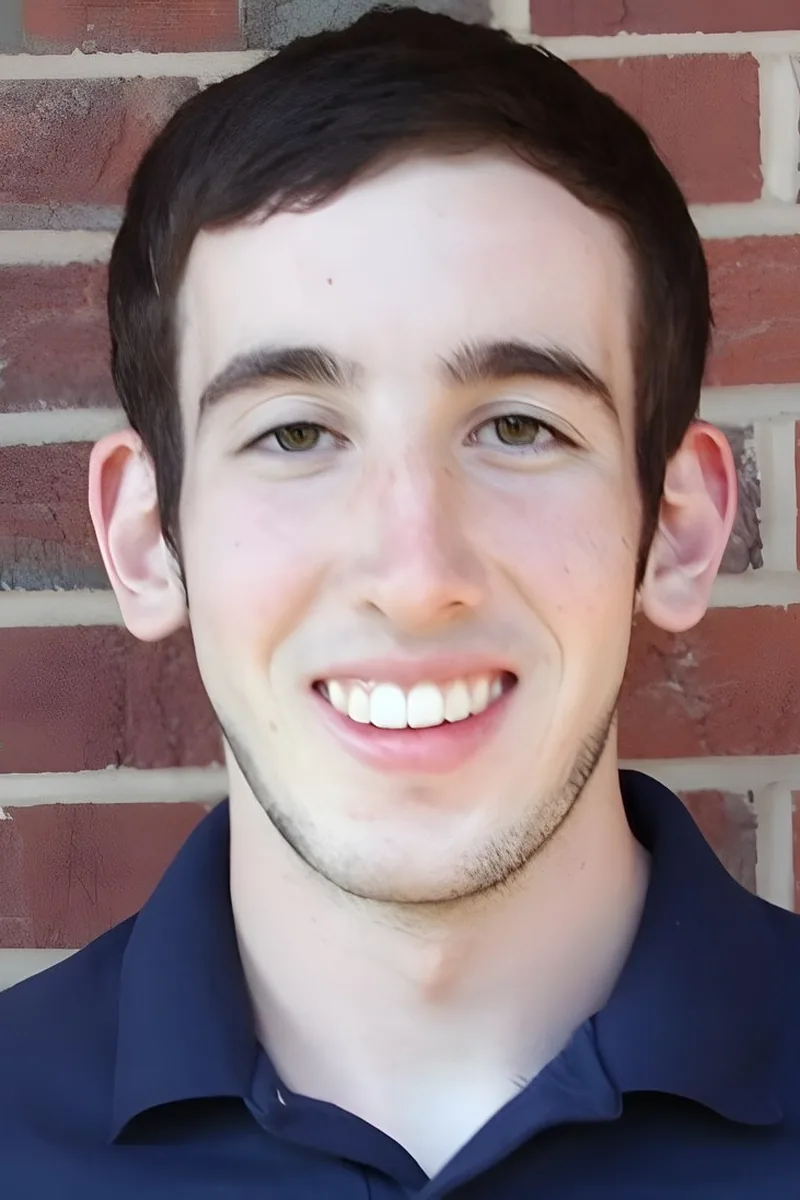
Memorizing every bone, muscle, and nerve pathway in anatomy can feel overwhelming without a framework to organize it all. Justin tackles the subject regionally and functionally — connecting the brachial plexus to actual arm movements, or tracing blood flow through the heart to explain why valve defects produce specific symptoms. His Human Science background keeps the focus on how structures serve the living body, not just their Latin names.
Learning anatomy often feels like brute-force memorization of Latin terms, but Garrett reframes it around functional relationships — why the brachial plexus is organized the way it is, or how the arrangement of cardiac valves relates to blood flow direction. He uses spatial reasoning and system-level logic to give each structure a purpose students can recall under exam pressure. His biology background ensures the anatomy always connects back to underlying physiology.
Memorizing 206 bones and hundreds of muscles is one thing; understanding how they relate spatially and functionally is another challenge entirely. Anni's biomedical graduate training and her path toward medical school mean she teaches anatomy the way clinicians think about it — connecting structure to function so that the brachial plexus or the layers of the GI tract actually make sense.
Working in a biochemistry lab at NYU Medical Center while applying to medical school, Alex lives inside the human body's systems daily — and his Columbia biology teaching assistant role meant explaining structures like organ relationships and tissue layers to students encountering them for the first time. That combination of active research and classroom teaching gives him a practical fluency with anatomy that translates directly into clear, efficient tutoring sessions. Rated 4.9 by students.
From brachial plexus branching patterns to the fascial compartments of the lower limb, anatomy rewards spatial thinking and systematic review. Emad has taught anatomy as an adjunct professor and conducted research at Columbia University, so he approaches each region with the precision of someone who has dissected, diagrammed, and clinically applied this material across two medical programs.
Memorizing every muscle origin, insertion, and innervation feels impossible until someone shows you the structural logic behind it. Casey approaches anatomy through her bioengineering lens, teaching students to see the body as an integrated mechanical and biological system so that concepts like brachial plexus organization or cardiac valve function make spatial sense, not just flashcard sense.
Medical school means Timothy is learning anatomy at the most rigorous level right now, which keeps every muscle origin, nerve pathway, and organ system fresh in his mind. He tackles the memorization challenge head-on with spatial reasoning tricks and mnemonic strategies that make structures like the brachial plexus or cranial nerves far more manageable.
Medical school gave Marc a clinical lens on anatomy that most tutors don't have — he connects each muscle origin, nerve pathway, or organ relationship to how it actually matters in a living body. He also teaches efficient memorization strategies for the sheer volume of structures students need to retain.
Jacob doesn't just know anatomy from a textbook — he's worked hands-on with the skeletal archives at the American Museum of Natural History, cataloging and studying actual specimens. That experience makes him especially effective at teaching musculoskeletal structures, bone landmarks, and organ systems in a way that connects memorization to real physical context.
Four years of medical school at Harvard meant Jean didn't just study anatomy from a textbook — she learned it through cadaver dissection, clinical rotations, and diagnostic reasoning. She teaches students to think spatially about structures like the brachial plexus or the abdominal vasculature, building the kind of three-dimensional understanding that makes identification and relationships between structures click.
Fourth-year medical students don't just memorize anatomy — they use it daily in clinical rotations, which is exactly where Michael is right now at Albert Einstein College of Medicine. He teaches structures like nerve plexuses and organ relationships by grounding them in the clinical cases he's actively encountering, giving students a functional hook for material that otherwise feels like pure memorization.
Prosthetics and orthotics — Michael's specialty at Georgia Tech — is applied anatomy: fitting a prosthetic limb requires precise knowledge of residual musculoskeletal structures, nerve pathways, and how soft tissue interfaces with bone. That clinical engineering perspective means he teaches anatomy by connecting each structure to its mechanical role in the body, which gives students a concrete reason to remember what they're learning.
Testimonials
Because the right Anatomy tutor makes all the difference.
Average Session Rating – Based on 3.4M Learner Ratings
Practice Anatomy
Free practice tests, flashcards, and AI tutoring for Anatomy
Nearby Anatomy Tutors
Other Little Rock Tutors
Related Science Tutors in Little Rock
Frequently Asked Questions
Anatomy courses usually cover the structure and organization of human body systems—including skeletal, muscular, nervous, cardiovascular, respiratory, digestive, and endocrine systems. Students learn to identify anatomical structures, understand how organs relate to one another, and connect structure to function. Many courses include lab work with models, diagrams, and sometimes cadaver specimens to help students visualize and understand three-dimensional relationships that are difficult to grasp from textbooks alone.
Anatomy requires translating 2D textbook images and diagrams into 3D mental models of how organs, tissues, and systems actually fit together in the body—which is genuinely challenging for many students. Personalized tutoring helps by using multiple approaches: breaking down complex systems into smaller, understandable pieces, using real anatomical models and drawings, and connecting structures to their functions so you understand *why* things are positioned the way they are. When you understand the 'why,' the structures stick in your memory far better than memorization alone.
While anatomy does require learning terminology and structure names, successful students focus on understanding *relationships* and *functions* rather than pure memorization. For example, knowing that the biceps muscle flexes the arm is more useful than simply memorizing 'biceps brachii.' Tutors help you build this conceptual foundation by connecting structure to function, asking you to explain *how* and *why* systems work together, and practicing retrieval of information in context—all of which leads to deeper understanding and better retention than flashcard drilling alone.
Lab practicals and dissection work require identifying structures under time pressure and understanding spatial relationships in real specimens—skills that benefit greatly from guided practice. Tutors can help you prepare by walking through lab practicum scenarios, teaching you systematic identification strategies (like tracing blood vessels or nerve pathways), and explaining what you're actually observing under the microscope or in a model. This targeted preparation builds confidence and helps you move beyond simple memorization to genuine anatomical understanding.
Look for tutors with a strong background in biology, anatomy, or a health-related field—ideally with college-level anatomy experience or healthcare training. The best tutors combine subject expertise with the ability to explain complex concepts clearly, adapt to how *you* learn best, and use multiple teaching methods (diagrams, models, analogies, real-world examples). Varsity Tutors connects you with expert tutors in Little Rock who understand both the content and the most effective ways to help students master it.
With an average student-teacher ratio of 14.9:1 in Little Rock schools, getting individualized attention in a large Anatomy class can be difficult. Personalized 1-on-1 instruction lets you work at your own pace, focus on your specific weak areas (whether that's the nervous system, muscle physiology, or practical identification skills), and ask questions without feeling rushed. Tutors can also align their teaching with your specific course requirements and exam format, whether you're preparing for a lab practical, unit exam, or AP-level assessment.
Your first session is about building a foundation for success. A tutor will assess your current understanding of anatomy concepts, identify specific areas where you're struggling (memorization, visualization, lab skills, or conceptual understanding), and learn how you learn best. From there, they'll create a personalized plan that targets your goals—whether that's improving your test scores, preparing for a lab practical, or building a stronger foundation in human systems. This tailored approach means your tutoring time is spent on what actually helps *you*.
Anatomy isn't just academic—it's the foundation for medicine, nursing, physical therapy, athletic training, and countless other healthcare careers. Understanding how your body is organized and how systems work together helps you appreciate everything from why athletes train certain muscle groups to how injuries heal or why certain medications target specific organs. Tutors often help students make these real-world connections, which not only makes the material more interesting but also deepens your understanding and retention of core concepts.
Let’s find your perfect tutor
Answer a few quick questions. We’ll recommend the right plan and match you with a top 5% tutor.