Award-Winning Special Education Tutors
serving Boston, MA
Special Education
Tutors in Boston
Private 1-on-1 tutoring, weekly live classes for academic support, test prep & enrichment, practice tests and diagnostics, and more to elevate grades and test scores.
Based on 3.4M Learner Ratings
UniversitiesSchools & Universities
DeliveredHours Delivered
ProficiencyGrowth in Proficiency
Who needs tutoring?
No obligation. Takes ~1 minute.

Allie's professional experience working directly with people with disabilities, combined with her behavioral neuroscience coursework on how different brains learn, gives her a practical understanding of diverse learning needs. She adapts explanations across math, science, and English — adjusting pacing, using multi-sensory approaches, and breaking tasks into manageable pieces tailored to each student's strengths.
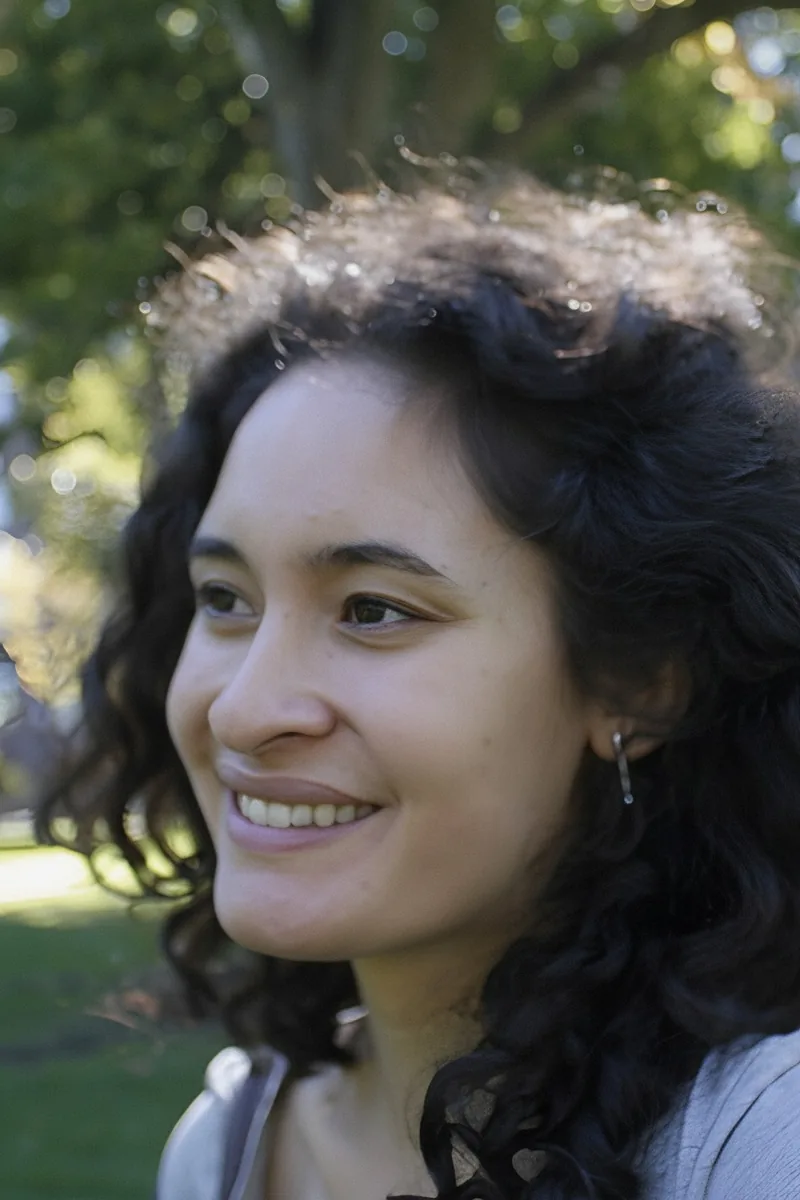
Lena's daily experience as a middle school teacher means she's practiced at adapting lessons on the fly when a student needs a different entry point into material. She breaks tasks into smaller, clearly sequenced steps and uses patient repetition and multi-sensory techniques to reinforce skills in reading, writing, and math. Her approach prioritizes building confidence alongside academic progress.
Working as an instructor at Seven Hills Foundation, Will teaches students with diverse learning needs every day — adapting pace, breaking multi-step problems into manageable chunks, and finding the explanation style that clicks for each individual. That hands-on experience with IEP-aligned instruction means he knows how to adjust on the fly rather than relying on a one-size-fits-all approach.
Extensive K-12 tutoring experience has taught Sophie that no two learners process information the same way — some need visual models, others benefit from verbal repetition or hands-on examples. She adapts pacing, instructions, and materials in real time, building each session around the individual student's strengths rather than a one-size-fits-all lesson plan.
Sophia earned her Master's in Education with a focus that included understanding diverse learning profiles — from dyslexia and ADHD to processing differences that require adapted instruction. She modifies reading and writing lessons using multisensory techniques, scaffolded tasks, and individualized pacing so students with IEPs or 504 plans can access grade-level content on their own terms.
Ivan holds a master's degree in both General and Special Education for grades 5–9 and has taught in self-contained classrooms, Collaborative Team Teaching settings, and Resource Rooms across New York City. That range means he can adapt pacing, modify assignments, and scaffold reading or writing tasks based on each student's IEP goals and learning profile. Rated 4.8 by families he's worked with.
During her years teaching second through fourth grade, Molly worked daily with students who had a wide range of learning needs, from reading intervention to modified math instruction. She pulls from multiple curricula and adapts materials on the fly — adjusting pacing, breaking tasks into smaller steps, and using multisensory approaches to make concepts accessible. Her 5.0 rating speaks to how well that individualized approach works.
Every learner processes information differently, and Professor Florence draws on her psychology training at UCLA to identify where a student's understanding is breaking down and restructure the material accordingly. She adapts pacing, visual aids, and practice strategies to match each student's learning profile, whether the challenge involves processing speed, attention, or executive function.
Five years of working specifically with students who have learning differences — dyslexia, ADHD, processing disorders — taught Sydney that the content isn't usually the problem; it's the delivery. She redesigns how material is presented, using multisensory techniques and scaffolded instructions so that a student with an IEP or 504 plan can access the same curriculum their classmates see. Rated 4.9 by families.
Rosemary's graduate work in occupational therapy included extensive training in adaptive learning strategies, sensory processing, and task analysis — the clinical side of what special education looks like in practice. She volunteers regularly with the Down syndrome community, giving her hands-on experience tailoring instruction to different cognitive and developmental profiles. That combination means she doesn't just know accommodations exist; she knows how to implement them in real learning moments.
Clinical psychology training fundamentally changes how you understand a struggling learner — Danny's PhD work gives him insight into the cognitive, emotional, and behavioral dimensions that shape how students with learning differences engage with academic material. He draws on formal counseling psychology methods to identify what's actually getting in the way, then adapts instruction accordingly, whether the barrier is processing speed, attention, anxiety around schoolwork, or something else entirely. Rated 5.0 by families.
Kim's approach starts with identifying the specific barrier a student faces — whether it's processing speed, attention, or difficulty transferring skills across contexts — and then adapting instruction around it. Her background spanning anthropology and business gives her an unusually flexible toolkit for reframing concepts in ways that click for different learners. She holds a 5.0 rating across her students.
A psychology degree gave Maggie a deep understanding of how learning differences — from ADHD to processing disorders — affect the way students absorb and retain information. She adapts lessons using multi-sensory techniques, scaffolded instructions, and frequent check-ins that keep students engaged without overwhelming them. Her approach is patient and structured, building skills at a pace that respects each learner's needs.
Every learner processes information differently, and Kate's years in the classroom have sharpened her ability to adapt explanations on the fly — whether that means using visual organizers for a student with ADHD or scaffolding a reading passage into smaller chunks for someone with a processing difference. She builds lessons around each student's strengths rather than forcing a one-size-fits-all approach.
A Master's in Education trained Alan in differentiated instruction, IEP-aligned goal setting, and multisensory teaching methods that reach learners who struggle in traditional classroom environments. He adapts pacing and materials to match each student's processing style, whether the challenge involves reading comprehension, mathematical reasoning, or executive function skills. His 4.8 rating speaks to the patience and flexibility he brings to every session.
Rebecca's graduate training in social work at the University of Chicago, combined with her undergraduate psychology research, gives her a sharp understanding of how different learners process information and what accommodations actually look like in practice. She adapts pacing, breaks down multi-step instructions, and uses individualized reinforcement techniques to keep students engaged and progressing. Rated 4.9 by families she's worked with.
Testimonials
Because the right Special Education tutor makes all the difference.
Average Session Rating – Based on 3.4M Learner Ratings
Nearby Special Education Tutors
Other Boston Tutors
Frequently Asked Questions
Special education tutoring provides personalized 1-on-1 instruction tailored to a student's Individualized Education Program (IEP) goals and learning profile. Tutors work with students on academic skills, executive functioning, social-emotional learning, and adaptive strategies—all customized to address each student's unique strengths and challenges. This targeted approach complements classroom instruction and helps students build confidence and independence.
Varsity Tutors connects you with tutors who understand IEP requirements and can reinforce goals outlined in your child's plan. Before starting, tutors review your child's IEP to ensure instruction targets priority areas—whether that's reading fluency, math computation, organization skills, or communication strategies. This alignment means tutoring directly supports progress toward your child's documented goals and can provide valuable data for IEP meetings.
Students often struggle with foundational academic skills like reading decoding, math fact fluency, and writing mechanics, which can compound over time. Many also face challenges with executive functioning—organization, time management, and task initiation—that affect learning across all subjects. Additionally, some students need support with social communication, self-advocacy, and building the confidence to tackle increasingly complex material. Personalized tutoring addresses these challenges through targeted practice, explicit strategy instruction, and consistent feedback.
In a classroom setting with an 11.2:1 student-teacher ratio in Boston schools, teachers must balance the needs of many learners. Personalized tutoring offers undivided attention, allowing tutors to adjust pacing, break skills into smaller steps, and use teaching methods that match your child's learning style. Tutors can also spend extra time on struggling areas, celebrate small wins, and build the kind of one-on-one relationship that boosts motivation and self-esteem.
The first session focuses on getting to know your child—their interests, strengths, frustrations, and learning preferences. The tutor will assess current skill levels in key areas (reading, math, writing, organization) and ask about your child's IEP goals and any specific challenges you want to address. This foundation helps the tutor design a personalized plan that builds on what your child can do and targets areas where they need support.
Look for tutors with training or experience in special education, learning disabilities, or related areas—whether that's special education certification, experience working with IEPs, or expertise in specific interventions like structured literacy or math remediation. Equally important is a tutor's ability to build rapport, remain patient, and adapt teaching strategies on the fly. Varsity Tutors connects you with tutors who have demonstrated expertise working with students who learn differently.
Progress looks different for every student and depends on goals, starting point, and frequency of tutoring. Some students show quick wins in confidence and willingness to tackle challenging tasks, while others need sustained practice to build foundational skills. Many families see measurable improvements in specific areas (reading fluency, math facts, organization) that show up in classroom performance and IEP progress monitoring data. Consistent, personalized instruction helps students build skills, strategies, and the self-belief they need to succeed.
Contact Varsity Tutors and share information about your child's learning profile, IEP goals, and what you'd like to focus on. You'll be matched with a tutor who has relevant experience and expertise. Most families start with one or two sessions per week and adjust frequency based on your child's needs and progress. Varsity Tutors handles the matching process, so you can focus on supporting your child's learning.
Let’s find your perfect tutor
Answer a few quick questions. We’ll recommend the right plan and match you with a top 5% tutor.