Award-Winning Spanish Tutors
serving Tulsa, OK
Spanish
Tutors in Tulsa
Private 1-on-1 tutoring, weekly live classes for academic support, test prep & enrichment, practice tests and diagnostics, and more to elevate grades and test scores.
Based on 3.4M Learner Ratings
UniversitiesSchools & Universities
DeliveredHours Delivered
ProficiencyGrowth in Proficiency
Who needs tutoring?
No obligation. Takes ~1 minute.
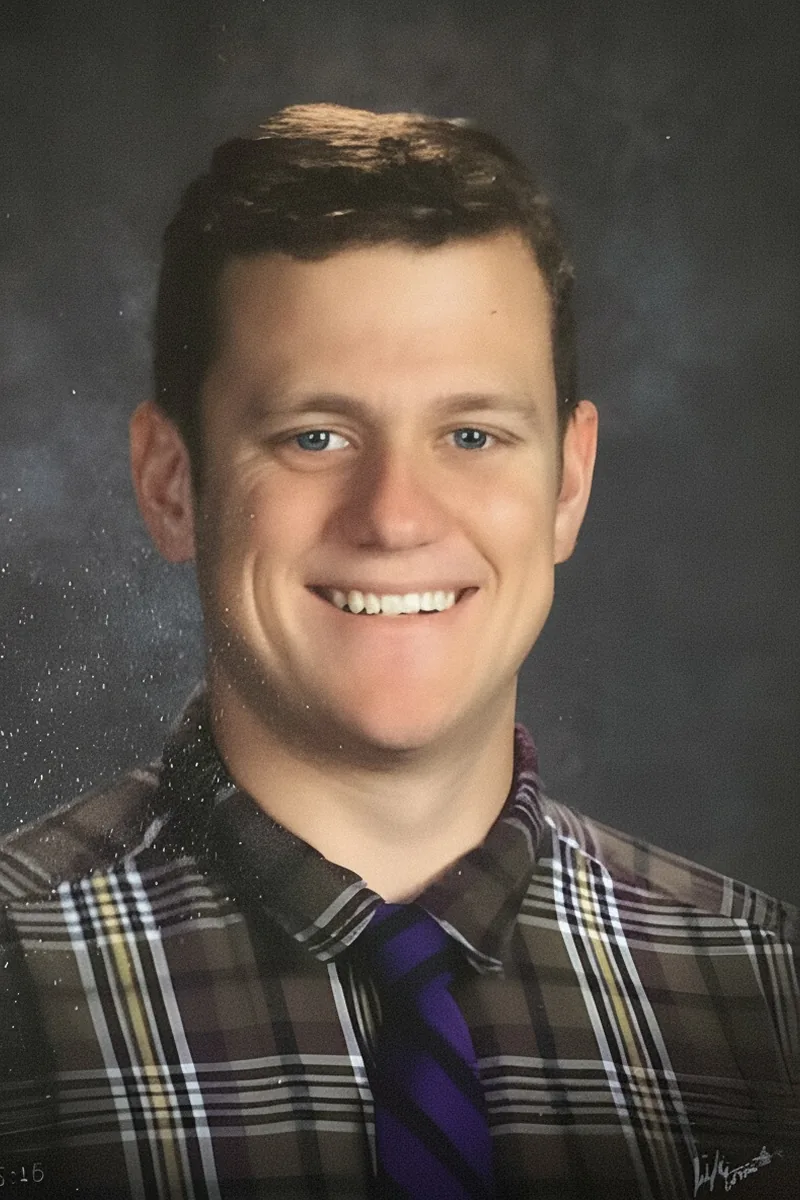
I am excited to be working with Varsity Tutors. I currently teach middle and high school social studies at Bishop Dunne Catholic School in Dallas. I teach 8th Grade US History, Spanish 3, AP Microeconomics, and Economics. I also have experience tutoring middle school Math while in college.
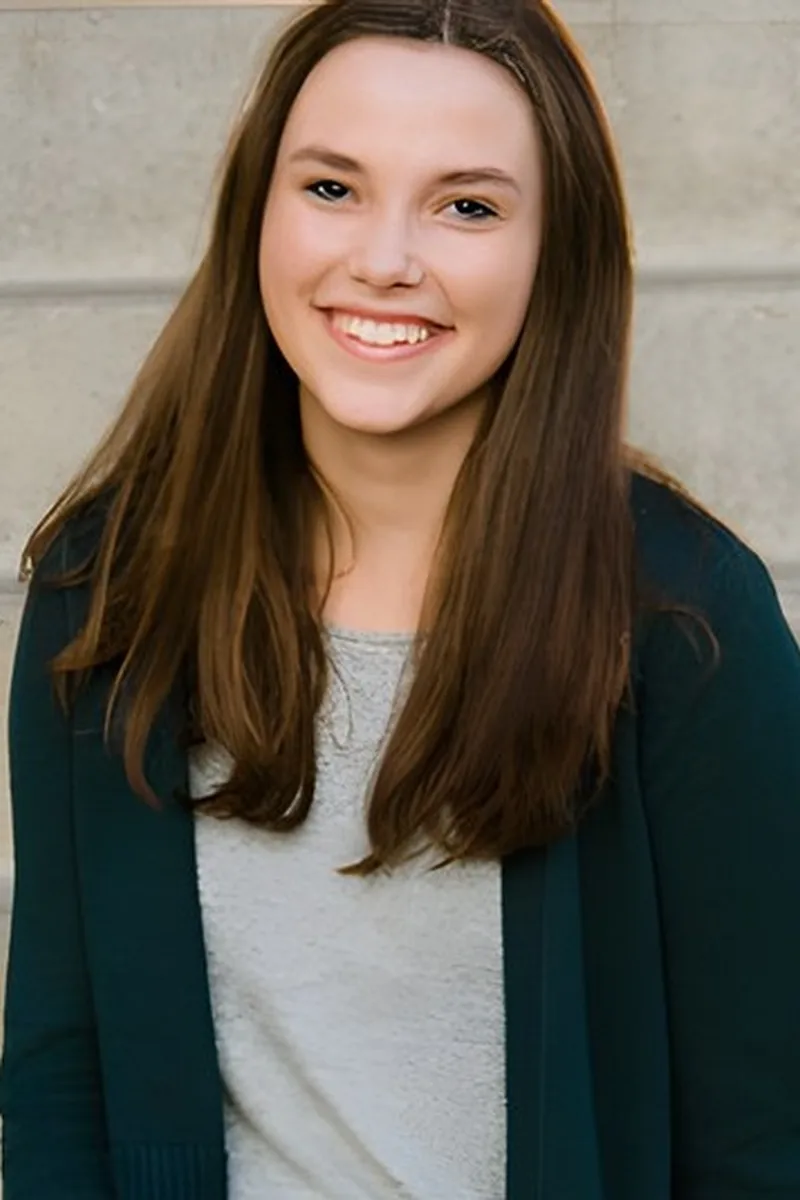
I am a student at Columbia University studying History & American Studies! While in high school, I completed the International Baccalaureate program and took various Advanced Placement courses. At Columbia I have worked with various public defense organizations as an advocate, investigator, and research assistant. I also volunteer as a tutor on campus, in the New York community, and even on Rikers Island. I am passionate about helping students from all backgrounds develop their writing, reading, presentation, and test-taking skills that will translate to all aspects of their education!
Being bilingual from childhood — Lina grew up speaking both English and Spanish — means she understands the subtle places where the two languages collide, from false cognates to the way ser and estar split a concept English handles with one verb. Her industrial engineering training at Oklahoma also gives her a structured, process-oriented way of teaching grammar that makes conjugation patterns and sentence-building feel systematic rather than overwhelming. Rated 4.8 by students.
Learning Spanish grammar often clicks when someone explains the underlying logic — why ser and estar aren't interchangeable, or how the subjunctive mood signals doubt rather than fact. Marisa teaches across four levels of Spanish coursework and pairs that language knowledge with a writer's attention to how sentences actually work.
Richard tackles Spanish by tying grammar and vocabulary to real-world usage — explaining why the subjunctive matters in everyday conversation, not just on a conjugation chart. His experience across multiple levels of Spanish coursework, including AP-level literary analysis, means he can adapt whether a student is wrestling with ser vs. estar or navigating complex clause structures.
Having studied through Spanish 3 and beyond, Joseph knows firsthand where students tend to stumble — verb conjugation patterns, the subjunctive mood, and keeping ser and estar straight under pressure. He approaches grammar as a system with predictable logic rather than a pile of exceptions to memorize, which makes each new tense feel like an extension of what a student already knows.
Lily tackles Spanish grammar the way she'd approach an engineering problem — systematically. She walks students through verb conjugation patterns, pronoun placement, and sentence structure with clear rules and plenty of practice, making topics like preterite vs. imperfect feel less like guesswork and more like a logical system.
Aditi teaches Spanish with an emphasis on building grammar systematically — verb conjugations, pronoun usage, sentence structure — so students can construct their own sentences instead of relying on memorized phrases. She covers beginner through intermediate levels and connects vocabulary to real-world contexts that make retention easier.
Matt minored in Spanish during his undergraduate studies and has carried the language through multiple levels of coursework, from foundational grammar to advanced composition. He tackles tricky areas like subjunctive mood, ser versus estar distinctions, and preterite-imperfect contrasts by linking each rule to real usage patterns rather than rote conjugation charts. Rated 5.0 by students.
Diana's TESOL training gave her deep expertise in how languages are structured and acquired, which she applies directly to Spanish instruction. She breaks down verb conjugation patterns, pronoun placement, and sentence-building in ways that make the grammar feel logical rather than arbitrary. Students in Spanish 1 or 2 especially benefit from her ability to explain why the language works the way it does.
Vivian's background is in music performance and standardized test prep, not Spanish — but her Juilliard training means she's wired to hear and reproduce precise patterns, a skill that transfers directly to mastering pronunciation, accent marks, and the rhythmic flow of spoken Spanish. She applies the same disciplined, repetition-based practice she uses in the practice room to lock in conjugation patterns and vocabulary retention.
Natalie minors in Spanish at Penn and has studied through advanced-level coursework, giving her a strong command of grammar, verb tenses, and conversational fluency. She tackles tricky concepts like the subjunctive mood and ser-versus-estar distinctions by connecting them to patterns students already recognize in English. Her approach keeps vocabulary and grammar practice grounded in real usage rather than rote conjugation charts.
Cassandra teaches Spanish at the introductory and intermediate levels, covering verb conjugation, pronoun usage, and sentence construction. Her background in comparative literature and Latin gives her a structural understanding of how Romance languages work, which makes explaining concepts like the subjunctive or ser-versus-estar distinctions more intuitive for students.
Tony earned his bachelor's degree in Spanish and continued using the language throughout his Latin American Studies master's program, so his command of the language spans academic writing, literary analysis, and everyday conversation. He tackles tricky grammar concepts like the subjunctive mood and ser-versus-estar distinctions by grounding them in real usage patterns rather than rote conjugation charts. Rated 5.0 by students.
Teaching across Spanish 1 through Spanish 3, Sarah knows exactly where each level's stumbling blocks are — from mastering ser versus estar early on to navigating subjunctive mood in more advanced coursework. Her Vanderbilt coursework and conversational practice give her a feel for how the language actually sounds, not just how it looks on a conjugation chart.
Having studied Spanish formally at Columbia University and earned a degree in the subject, Molly approaches the language through both grammar mechanics and real-world usage. Whether a student is working through verb conjugation patterns, navigating subjunctive mood, or building reading comprehension skills, she connects each concept to practical communication so the rules actually stick.
Mica teaches Spanish across four levels, from foundational conjugation and noun-adjective agreement through advanced grammar like the subjunctive mood and complex sentence structures. Her analytical background at Stanford carries over into how she breaks down tricky verb tenses — she treats grammar rules as logical systems rather than lists to memorize.
Pre-law coursework at Vanderbilt means Kit spends most of his time building arguments, analyzing texts, and writing persuasively — skills that transfer surprisingly well to learning a second language, where reading comprehension and grammatical precision matter just as much. He tackles Spanish grammar and vocabulary with the same structured, detail-oriented approach he applies to political science, breaking down sentence construction and verb forms into clear, logical steps.
Samuel holds a TEFL certificate and studies linguistics at Harvard, which means he understands how languages are structured at a foundational level — verb conjugation patterns, pronoun systems, sentence-building rules. He applies that systematic approach to Spanish grammar and vocabulary, making concepts like ser vs. estar or preterite vs. imperfect click rather than feel like arbitrary memorization.
Testimonials
Because the right Spanish tutor makes all the difference.
Average Session Rating – Based on 3.4M Learner Ratings
Nearby Spanish Tutors
Other Tulsa Tutors
Related Languages Tutors in Tulsa
Frequently Asked Questions
In a typical classroom with a 20.8:1 student-teacher ratio, students in Tulsa schools get limited opportunities to actually speak Spanish. With personalized 1-on-1 instruction, you get dedicated conversation practice every session—your tutor can focus entirely on your pronunciation, fluency, and confidence in real dialogue. This consistent speaking practice is one of the biggest advantages of working with a tutor, since you can't replicate that level of individual attention in a classroom setting.
Verb conjugation is one of the most challenging aspects of Spanish grammar, but it becomes manageable with a strategic approach. Expert tutors typically use a combination of pattern recognition, frequent practice, and real-world context—rather than just memorizing tables. Your tutor can help you understand the logic behind conjugations and give you targeted practice with the tenses you use most, so you build fluency naturally rather than relying on memorization.
Retention comes from spaced repetition and using words in meaningful contexts, not from cramming lists. A tutor can help you learn vocabulary through conversation, reading, and writing activities tailored to your interests—so words stick because you're actually using them. They can also introduce you to memory techniques and help you build connections between new words and concepts you already understand.
Your first session is about getting to know each other and assessing your current level. The tutor will ask about your goals—whether you're preparing for an AP exam, improving classroom performance, or building conversational skills—and evaluate your reading, writing, listening, and speaking abilities. From there, they'll create a personalized plan that targets your specific needs and learning style.
Yes—language and culture are deeply connected. Many tutors incorporate cultural context into lessons, whether that's discussing literature, films, current events, or traditions from Spanish-speaking countries. Understanding the cultural background behind the language helps you appreciate nuance in communication and makes learning more engaging and meaningful.
Absolutely. One of the key advantages of personalized instruction is getting real-time feedback on your pronunciation and accent from someone trained to hear and correct subtle differences. Your tutor can model proper pronunciation, explain the mechanics of Spanish sounds that don't exist in English, and give you targeted exercises to practice—something that's difficult to get in a classroom or from apps alone.
Tutors in Tulsa are familiar with the Spanish programs taught across the district's 14 school districts and can align their instruction with your school's specific curriculum and expectations. Whether you're working through textbook material, preparing for class assessments, or getting ahead, your tutor can complement what you're learning in the classroom and fill in gaps where you need extra support.
Fluency depends on your starting point and how much you practice. Research suggests reaching professional-level proficiency typically requires around 600 hours of study and practice. With consistent tutoring sessions combined with your own practice, you can make significant progress in conversational ability within a few months, though reaching advanced fluency is a longer-term goal that requires ongoing commitment.
Let’s find your perfect tutor
Answer a few quick questions. We’ll recommend the right plan and match you with a top 5% tutor.