Award-Winning Organic Chemistry Tutors
serving Albuquerque, NM
Organic Chemistry
Tutors in Albuquerque
Private 1-on-1 tutoring, weekly live classes for academic support, test prep & enrichment, practice tests and diagnostics, and more to elevate grades and test scores.
Based on 3.4M Learner Ratings
UniversitiesSchools & Universities
DeliveredHours Delivered
ProficiencyGrowth in Proficiency
Who needs tutoring?
No obligation. Takes ~1 minute.
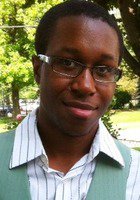
Reaction mechanisms are the heart of organic chemistry, and they only make sense when a student can track electron movement and predict how functional groups behave. Malcolm is studying biochemistry and cell biology at Rice, where organic chemistry is foundational — he knows which arrow-pushing patterns show up repeatedly and teaches students to recognize them instead of memorizing hundreds of individual reactions.
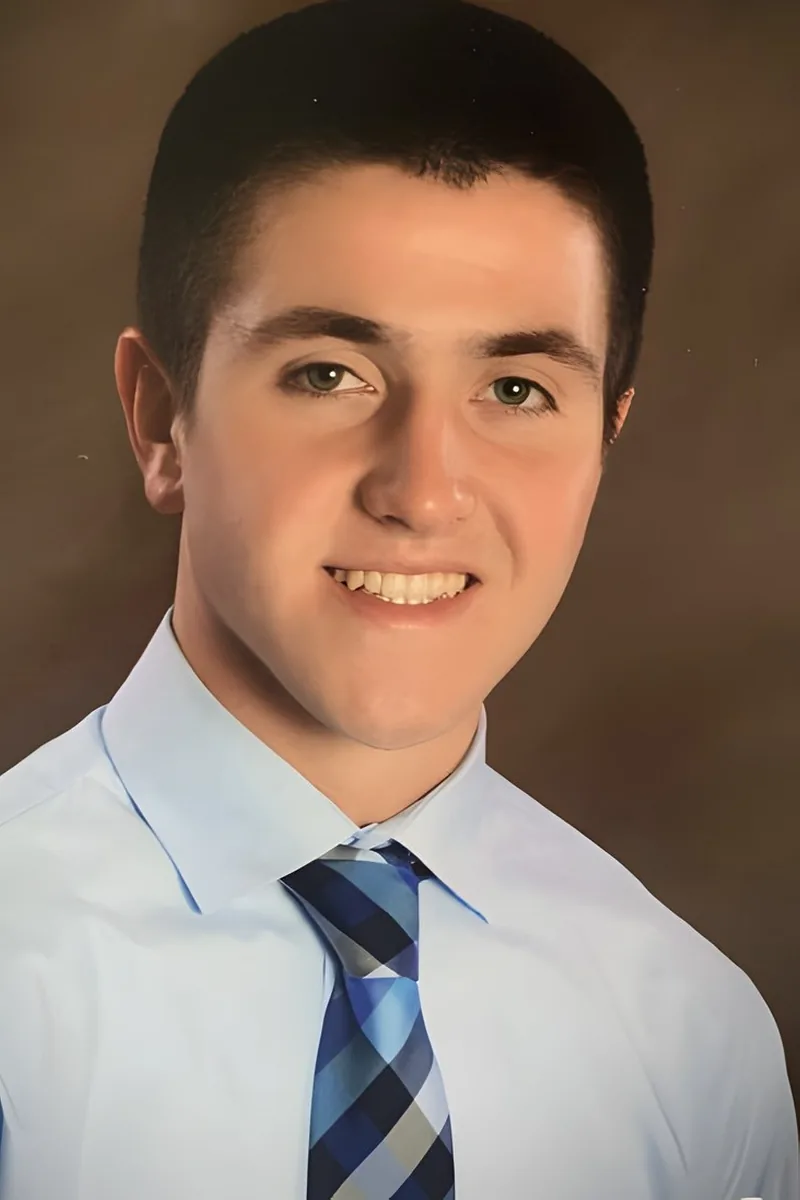
Reaction mechanisms click once you stop memorizing arrow-pushing patterns and start understanding why electrons move the way they do — nucleophilicity, sterics, leaving group stability. Mitchell's neuroscience degree required extensive organic chemistry coursework, and he breaks down everything from substitution and elimination reactions to carbonyl chemistry by connecting each mechanism to the electronic principles driving it.
Four years of tutoring organic chemistry at Yale — while simultaneously doing pre-med coursework — gave Marcus a sharp sense of where students get stuck, particularly with carbonyl reactivity and multi-step synthesis planning. His current research at the Hospital for Special Surgery keeps him actively applying these concepts, so he teaches functional group transformations as interconnected tools rather than an isolated reaction catalog.
Reaction mechanisms are the backbone of organic chemistry, and learning to predict products means recognizing electron-density patterns, not memorizing hundreds of individual reactions. Alec's approach — honed through years of TA work in Cornell's chemistry department — emphasizes arrow-pushing logic and functional group reactivity so that substitution, elimination, and addition reactions start to feel like variations on a theme rather than separate things to memorize.
Reaction mechanisms are the language of organic chemistry, and Amin earned an entire master's degree becoming fluent in them. He teaches students to read electron flow the way you'd read a sentence — identifying nucleophiles, leaving groups, and stereoelectronic effects so that predicting products becomes a reasoning exercise, not a memorization marathon. Rated 4.5 by students.
Reaction mechanisms are the backbone of organic chemistry, and most exam mistakes trace back to shaky arrow-pushing fundamentals. Abhinav teaches students to classify reactions by nucleophile-electrophile interactions first, then layer on stereochemistry and regiochemistry — an approach that turns a seemingly infinite number of reactions into a manageable set of patterns.
Studying biochemistry and molecular biology means Raj encountered organic chemistry not as a single course but as the language underlying everything from enzyme kinetics to metabolic pathways — so he teaches functional group reactivity and stereochemistry with that bigger picture always in view. His 5.0 rating and a perfect 36 ACT reflect someone who thinks systematically, which translates directly into how he walks students through multi-step synthesis problems: identify the transformation, trace the electron flow, then confirm the regiochemistry.
Reaction mechanisms are the language of organic chemistry, and Zain treats them that way — teaching students to read electron flow in arrow-pushing diagrams the same way they'd follow the logic of a sentence. His university coursework in organic chemistry at Vanderbilt covered everything from substitution and elimination selectivity to carbonyl chemistry and retrosynthetic analysis.
Reaction mechanisms are essentially stories told with curved arrows, and the trick is learning to read them rather than memorize hundreds individually. Mark approaches organic chemistry by teaching students to recognize patterns — nucleophilic attacks, leaving group stability, steric effects — so they can predict products on reactions they've never seen before. His chemistry coursework at Notre Dame keeps these concepts fresh and grounded in real molecular behavior.
Reaction mechanisms click when you understand electron movement — why a nucleophile attacks one carbon over another, how steric hindrance redirects a pathway, what drives an elimination versus a substitution. Enric's PhD in Chemistry means he's spent years thinking at the mechanistic level and can unpack arrow-pushing, stereochemistry, and retrosynthetic analysis in ways that make each reaction type feel logical rather than arbitrary.
Jacob lists organic chemistry among his favorite subjects to teach, and his economics-trained habit of tracing systems through chains of cause and effect gives him a structured way to walk through multi-step mechanisms — particularly carbonyl chemistry and aromatic substitution patterns. He approaches each reaction type by building the logic from scratch: what's electron-rich, what's electron-poor, and why that determines everything. Rated 5.0 by students.
Max spent much of high school independently pursuing organic chemistry through coursework and projects well beyond what was required — the kind of deep, self-driven study that builds real fluency with reaction types and synthesis logic. His chemistry degree from MIT and mathematical instincts mean he approaches problems like retrosynthetic analysis and multi-step mechanism design as structured puzzles, breaking each one into clear decision points. Rated 5.0 by students.
Testimonials
Because the right Organic Chemistry tutor makes all the difference.
Average Session Rating – Based on 3.4M Learner Ratings
Practice Organic Chemistry
Free practice tests, flashcards, and AI tutoring for Organic Chemistry
Other Albuquerque Tutors
Related Science Tutors in Albuquerque
Frequently Asked Questions
Organic Chemistry requires visualizing molecules in three dimensions and understanding how atoms bond and react—concepts that are abstract and difficult to grasp from textbooks alone. Many students struggle with reaction mechanisms, predicting products, and understanding why certain reactions occur. Personalized 1-on-1 instruction helps break down these complex concepts into manageable pieces, allowing you to build a solid foundation in structure, bonding, and reactivity before tackling more advanced topics.
While some key reactions are important to know, successful Organic Chemistry is really about understanding reaction mechanisms and predicting outcomes based on principles—not pure memorization. When you understand why a reaction happens (electron movement, bond breaking, and forming), you can apply that knowledge to unfamiliar reactions on exams. Tutors help you develop this deeper understanding so you're not overwhelmed trying to memorize hundreds of reactions.
Lab experiments let you see reactions happen in real-time, observe color changes, precipitates, and gas evolution—making abstract mechanisms tangible. You also practice techniques like distillation, extraction, and chromatography that reinforce your understanding of molecular properties and separation principles. Tutoring can help you connect what you observe in the lab back to the theory you're learning in lecture, deepening both your experimental skills and conceptual understanding.
During your first session, a tutor will assess your current understanding of foundational concepts like atomic structure, bonding, and Lewis structures—the building blocks of Organic Chemistry. They'll identify specific areas where you're struggling (reaction mechanisms, stereochemistry, synthesis, etc.) and create a personalized plan to address those gaps. This diagnostic approach ensures your tutoring focuses on what you actually need rather than reviewing material you've already mastered.
Molecular visualization is a skill that improves with practice and the right tools. Tutors use molecular models, drawing techniques, and visualization software to help you develop spatial reasoning and understand how atoms are arranged in three dimensions. Regular practice drawing structures, rotating molecules mentally, and working with models—combined with personalized feedback—builds this skill much faster than studying alone.
Synthesis problems require working backwards from your target molecule to identify the reactions and starting materials needed—a skill that takes practice and strategic thinking. Rather than memorizing synthetic routes, you learn to recognize functional groups, predict reactivity, and select appropriate reagents based on chemical principles. A tutor can walk you through the problem-solving process, teach you strategies for breaking down complex syntheses, and help you build confidence tackling unfamiliar problems.
Ideally, exam preparation begins several weeks before the test, allowing time to review concepts, practice problems, and identify weak areas. Organic Chemistry exams test both conceptual understanding and problem-solving speed, so consistent practice is more effective than last-minute cramming. Tutoring during the weeks leading up to an exam helps you target your study time efficiently, master challenging topics, and build the confidence you need to perform well.
Look for tutors with strong chemistry backgrounds—ideally a degree in chemistry or a related field, plus experience teaching Organic Chemistry at the high school or college level. They should be able to explain complex concepts clearly, use effective teaching strategies (like molecular models and drawings), and adapt their approach to your learning style. Varsity Tutors connects you with expert tutors who have demonstrated mastery of Organic Chemistry and a track record of helping students succeed.
Let’s find your perfect tutor
Answer a few quick questions. We’ll recommend the right plan and match you with a top 5% tutor.