Award-Winning Organic Chemistry Tutors
serving Albuquerque, NM
Organic Chemistry
Tutors in Albuquerque
Private 1-on-1 tutoring, weekly live classes for academic support, test prep & enrichment, practice tests and diagnostics, and more to elevate grades and test scores.
Based on 3.4M Learner Ratings
UniversitiesSchools & Universities
DeliveredHours Delivered
ProficiencyGrowth in Proficiency
Who needs tutoring?
No obligation. Takes ~1 minute.

Decades of running an organic chemistry research lab and teaching it at the college level mean Wyatt has explained arrow-pushing mechanisms, retrosynthetic analysis, and spectroscopy interpretation thousands of times — and learned exactly where students get stuck on each one. His PhD in the subject gives him the depth to trace a tricky multi-step synthesis back to the underlying electronic principles, then rebuild it at whatever pace clicks. Rated 4.9 by students.
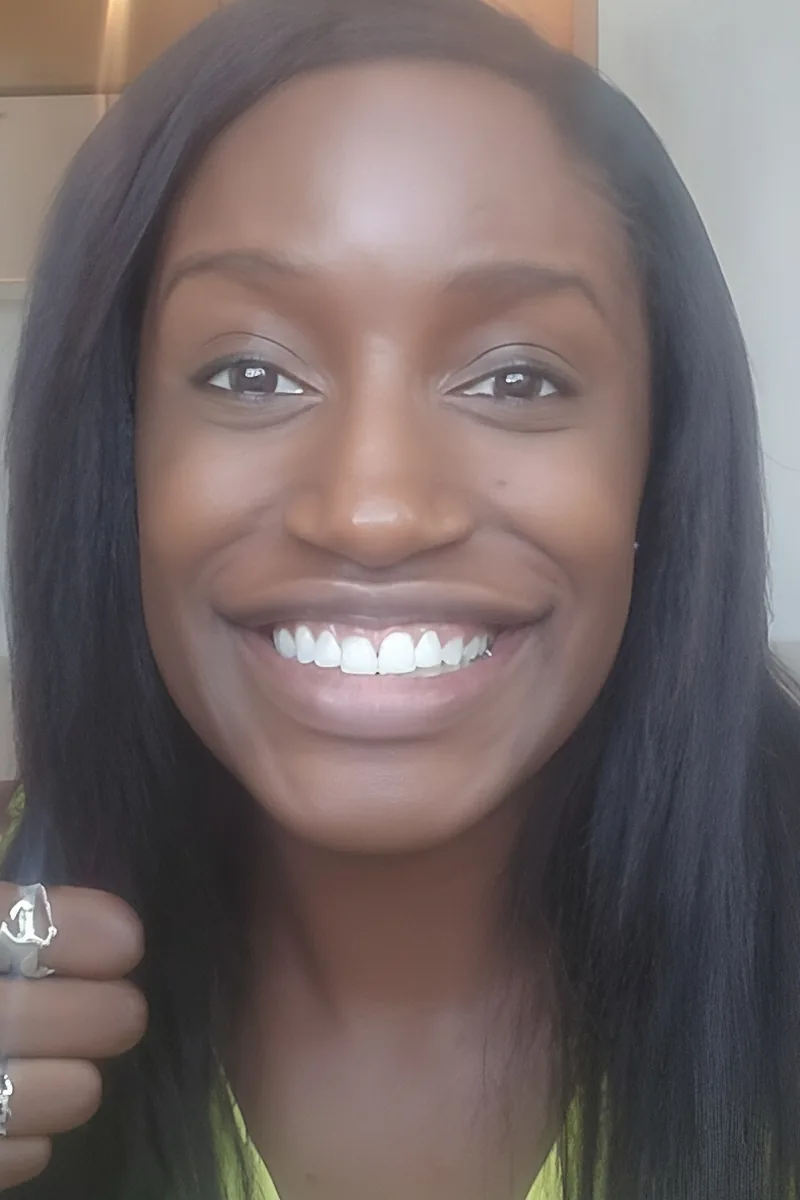
Penn's pre-health track put Brittany through rigorous chemistry coursework alongside her psychology degree, and she spent her undergraduate years tutoring General Chemistry I and II at the university's Tutoring Center — building the kind of fluency with reaction fundamentals that carries directly into organic mechanisms. She approaches topics like nucleophilic substitution and carbonyl reactivity by connecting them back to the foundational principles of electron behavior and molecular structure, making each new reaction type feel like an extension of something students already know.
Between his biochemistry degree and his current pharmacy doctoral work at VCU, Joel has run through organic chemistry from both the academic and applied sides — understanding how functional group reactivity and stereochemistry translate into real drug design and pharmacological mechanisms. He's also taught university chemistry courses as adjunct faculty, so he knows how to break down multi-step synthesis problems and spectroscopy interpretation at the pace a student actually needs. Rated 5.0 by students.
Reaction mechanisms are the language of organic chemistry, and Josef teaches students to read them — arrow pushing, stereochemistry, and functional group reactivity — rather than memorize hundreds of individual reactions. His biochemistry focus at Cornell means he can connect orgo concepts like nucleophilic substitution and carbonyl chemistry directly to biological molecules students will encounter later.
Reaction mechanisms are the language of organic chemistry, and Casey reads them fluently after years of bioengineering coursework that demanded constant fluency in electron-pushing, stereochemistry, and functional group transformations. She teaches students to recognize patterns across reaction types — why nucleophilic additions behave the way they do, how leaving groups dictate substitution vs. elimination — so each new chapter feels like a variation on something familiar rather than a fresh nightmare.
Reaction mechanisms in organic chemistry reward the same kind of systematic thinking that drives engineering design: track the electrons, identify the functional groups, and predict what happens next. Lee teaches students to read mechanisms as stories with cause and effect — nucleophile attacks electrophile, leaving group departs — instead of memorizing hundreds of individual reactions. His biomedical background adds context for why specific organic reactions matter in drug design and biochemistry.
Being on the pre-med track at Northwestern while studying both biology and chemistry means Kade is taking organic chemistry alongside the same students he tutors — he knows which professors emphasize what, which problem sets are brutal, and where the common mistakes hide in topics like stereochemistry and acyl substitution. That proximity to the material gives him a practical, recently-tested understanding of how to break down multi-step synthesis problems into manageable pieces.
Studying physics with a concentration in chemical principles at Penn means Max encounters organic chemistry from the physical side first — thermodynamics of reaction pathways, orbital interactions driving nucleophilic attacks, and the energy landscapes that determine whether a substitution or elimination wins out. That perspective lets him teach mechanisms by grounding arrow-pushing in the physics of why electrons move, not just where they go.
Jeff's molecular biology degree meant spending serious time with organic chemistry — not just passing it, but applying it to understand enzyme active sites, metabolic intermediates, and drug interactions at the molecular level. That applied perspective makes him especially effective at teaching synthesis strategy and functional group transformations, because he can ground abstract mechanisms in real biochemical context. Rated 5.0 by students.
Reaction mechanisms are the backbone of organic chemistry, and Natasha teaches them the way she learned them in her biomolecular engineering program — by tracing electron movement step by step until the logic feels inevitable rather than arbitrary. She digs into arrow-pushing, stereochemistry, and functional group reactivity by asking students to predict products before revealing answers, building real intuition for how molecules behave.
Reaction mechanisms are the backbone of organic chemistry, and Enoch teaches them by building a visual logic: tracking electron movement, recognizing nucleophile-electrophile patterns, and predicting products from functional group behavior. His biomedical science background means he also connects orgo to real biochemical contexts — amino acid chemistry, drug metabolism, lipid structures — which makes the material stick for premed students especially.
Reaction mechanisms are the backbone of organic chemistry, and learning to predict products means recognizing electron-density patterns, not memorizing hundreds of individual reactions. Alec's approach — honed through years of TA work in Cornell's chemistry department — emphasizes arrow-pushing logic and functional group reactivity so that substitution, elimination, and addition reactions start to feel like variations on a theme rather than separate things to memorize.
Testimonials
Because the right Organic Chemistry tutor makes all the difference.
Average Session Rating – Based on 3.4M Learner Ratings
Practice Organic Chemistry
Free practice tests, flashcards, and AI tutoring for Organic Chemistry
Other Albuquerque Tutors
Related Science Tutors in Albuquerque
Frequently Asked Questions
Organic Chemistry requires visualizing molecules in three dimensions and understanding how atoms bond and react—concepts that are abstract and difficult to grasp from textbooks alone. Many students struggle with reaction mechanisms, predicting products, and understanding why certain reactions occur. Personalized 1-on-1 instruction helps break down these complex concepts into manageable pieces, allowing you to build a solid foundation in structure, bonding, and reactivity before tackling more advanced topics.
While some key reactions are important to know, successful Organic Chemistry is really about understanding reaction mechanisms and predicting outcomes based on principles—not pure memorization. When you understand why a reaction happens (electron movement, bond breaking, and forming), you can apply that knowledge to unfamiliar reactions on exams. Tutors help you develop this deeper understanding so you're not overwhelmed trying to memorize hundreds of reactions.
Lab experiments let you see reactions happen in real-time, observe color changes, precipitates, and gas evolution—making abstract mechanisms tangible. You also practice techniques like distillation, extraction, and chromatography that reinforce your understanding of molecular properties and separation principles. Tutoring can help you connect what you observe in the lab back to the theory you're learning in lecture, deepening both your experimental skills and conceptual understanding.
During your first session, a tutor will assess your current understanding of foundational concepts like atomic structure, bonding, and Lewis structures—the building blocks of Organic Chemistry. They'll identify specific areas where you're struggling (reaction mechanisms, stereochemistry, synthesis, etc.) and create a personalized plan to address those gaps. This diagnostic approach ensures your tutoring focuses on what you actually need rather than reviewing material you've already mastered.
Molecular visualization is a skill that improves with practice and the right tools. Tutors use molecular models, drawing techniques, and visualization software to help you develop spatial reasoning and understand how atoms are arranged in three dimensions. Regular practice drawing structures, rotating molecules mentally, and working with models—combined with personalized feedback—builds this skill much faster than studying alone.
Synthesis problems require working backwards from your target molecule to identify the reactions and starting materials needed—a skill that takes practice and strategic thinking. Rather than memorizing synthetic routes, you learn to recognize functional groups, predict reactivity, and select appropriate reagents based on chemical principles. A tutor can walk you through the problem-solving process, teach you strategies for breaking down complex syntheses, and help you build confidence tackling unfamiliar problems.
Ideally, exam preparation begins several weeks before the test, allowing time to review concepts, practice problems, and identify weak areas. Organic Chemistry exams test both conceptual understanding and problem-solving speed, so consistent practice is more effective than last-minute cramming. Tutoring during the weeks leading up to an exam helps you target your study time efficiently, master challenging topics, and build the confidence you need to perform well.
Look for tutors with strong chemistry backgrounds—ideally a degree in chemistry or a related field, plus experience teaching Organic Chemistry at the high school or college level. They should be able to explain complex concepts clearly, use effective teaching strategies (like molecular models and drawings), and adapt their approach to your learning style. Varsity Tutors connects you with expert tutors who have demonstrated mastery of Organic Chemistry and a track record of helping students succeed.
Let’s find your perfect tutor
Answer a few quick questions. We’ll recommend the right plan and match you with a top 5% tutor.