Award-Winning Microbiology Tutors
serving Indianapolis, IN
Microbiology
Tutors in Indianapolis
Private 1-on-1 tutoring, weekly live classes for academic support, test prep & enrichment, practice tests and diagnostics, and more to elevate grades and test scores.
Based on 3.4M Learner Ratings
UniversitiesSchools & Universities
DeliveredHours Delivered
ProficiencyGrowth in Proficiency
Who needs tutoring?
No obligation. Takes ~1 minute.
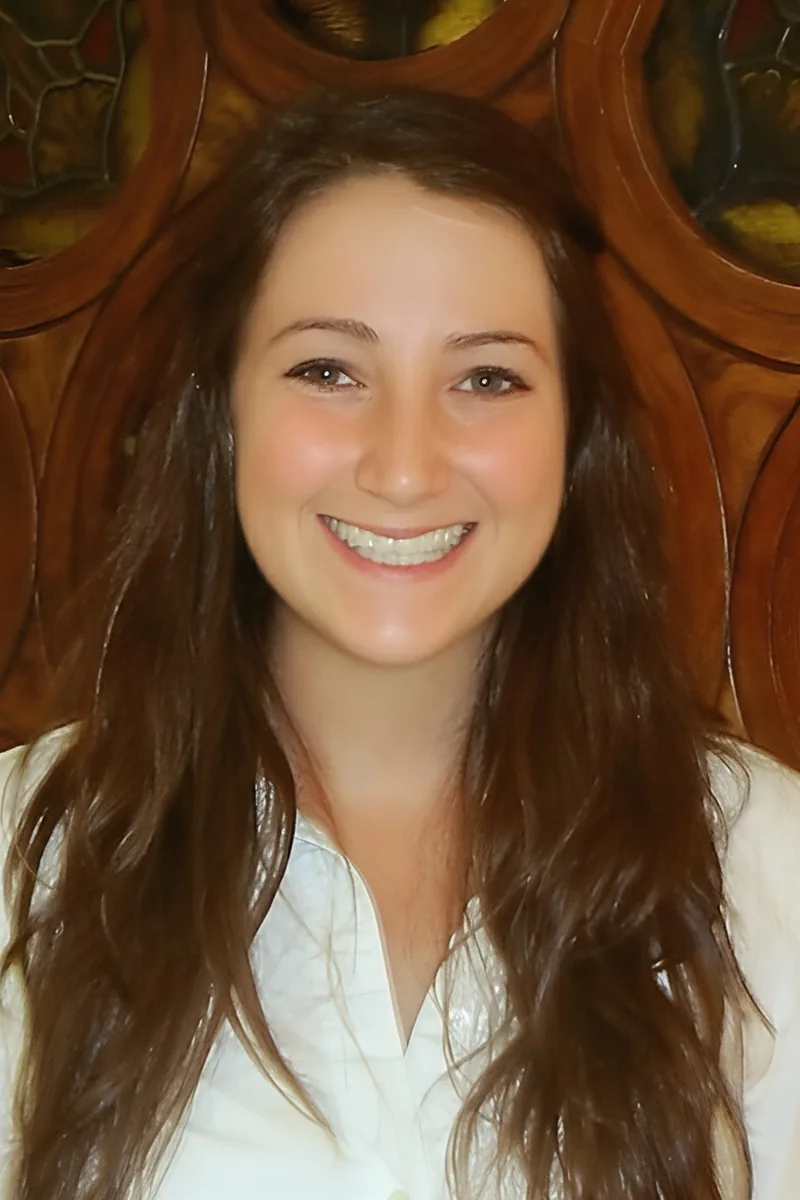
Gram staining techniques, bacterial growth curves, and the differences between endotoxins and exotoxins all click faster when taught by someone who's studied microorganisms across multiple degree programs. Jessica's Biomedical Sciences master's work and her chemistry minor give her a layered understanding of how microbial metabolism, pathogenesis, and antimicrobial resistance connect at the molecular level.
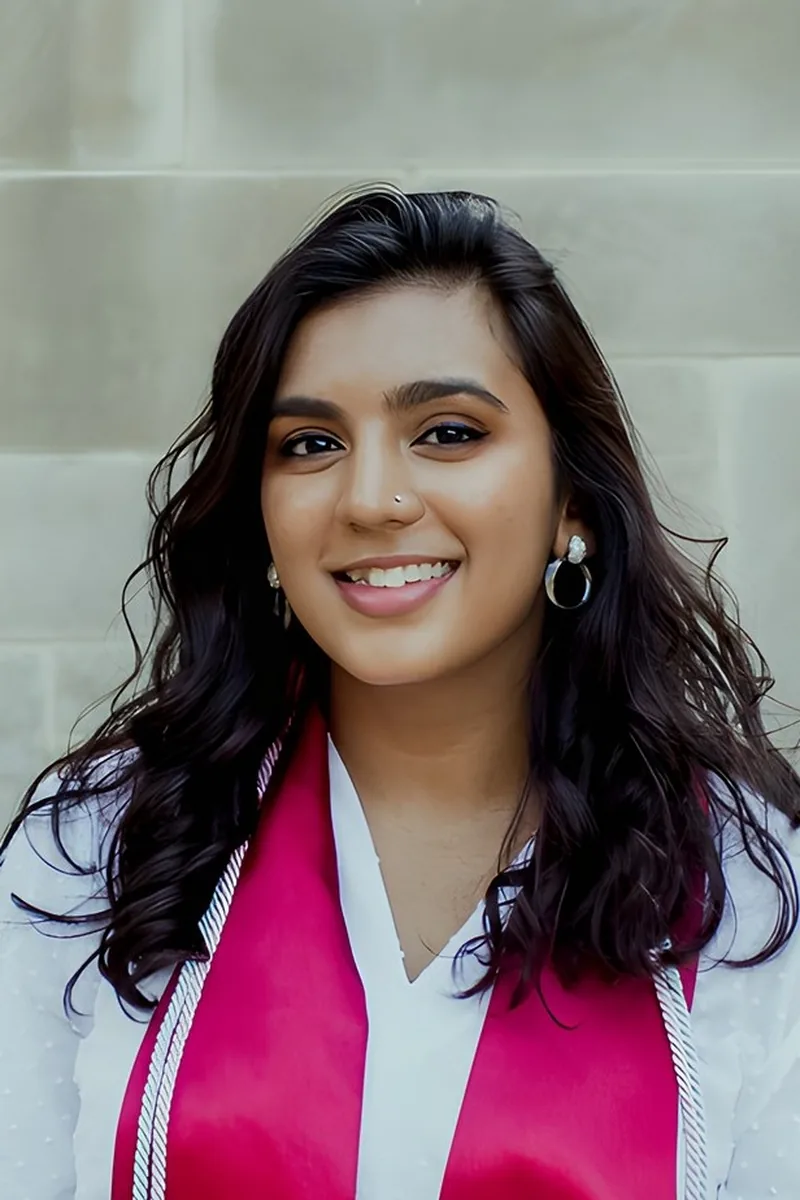
From bacterial genetics to viral replication cycles, Mariam's biology degree and deep bench of related coursework — cell biology, molecular biology, genetics, and biostatistics — means she can trace microbial processes down to their molecular roots and back up to population-level patterns. She's especially strong at untangling the overlap between microbiology and genetics, explaining how horizontal gene transfer or plasmid-mediated resistance actually works at the DNA level. Rated 5.0 by students.
Neuroscience training at the undergraduate level means Jhonatan spent significant time with the microbial world — understanding how pathogens cross the blood-brain barrier, how CNS infections progress, and how the gut microbiome communicates with neural tissue. He teaches microbial physiology and host interactions by anchoring them to these neuroimmune connections, giving students a narrative thread through what can otherwise feel like an overwhelming catalog of organisms. Rated 5.0 by students.
An environmental biology degree means Andrew spent real time studying how microbial communities shape ecosystems — from soil bacteria driving decomposition to waterborne microorganisms cycling nutrients through aquatic systems. That ecological grounding lets him teach concepts like microbial metabolism and population dynamics by connecting them to the environmental processes students can actually visualize, rather than treating them as isolated textbook definitions.
Her global health minor at Cornell meant Emily spent real time studying how pathogens spread, how immune responses work, and why microbial ecology matters beyond the lab. She digs into topics like bacterial cell structure, viral replication cycles, and antimicrobial resistance with the kind of context that makes memorization-heavy material more intuitive.
Between bacterial genetics, metabolic pathways, and immune evasion strategies, microbiology covers an enormous range of material in a single semester. Emily's current research position at UTHealth keeps her immersed in lab techniques and microbial concepts daily, so she explains topics like Gram staining, virulence factors, and antibiotic resistance with the fluency of someone who actually uses this knowledge at the bench.
Medical school at Drexel meant Prateek had to master the clinically relevant microbiology — knowing which organisms cause what, how they evade the immune system, and why specific antibiotics work against specific bugs. His neuroscience background from Johns Hopkins adds depth when explaining topics like CNS infections and how pathogens interact with neural and immune tissue, turning what feels like rote memorization of bacterial families into a set of logical, mechanism-driven stories.
Rashida's PhD in Cellular and Molecular Biology means she teaches microbiology from the inside out — starting at the level of gene regulation, membrane transport, and molecular signaling before zooming out to how microorganisms behave in populations. Her doctoral research and experience leading discussions in cell biology and Mendelian genetics give her a particular knack for explaining how bacteria acquire and express resistance genes, or how horizontal gene transfer reshapes microbial communities. Rated 5.0 by students.
Understanding microbiology means more than memorizing bacterial classifications — it requires seeing how metabolic pathways, genetic regulation, and environmental pressures shape microbial behavior. Alec studied genetics, genomics, and development at Cornell and taught biology content in both lecture and small-group settings, giving him a knack for making concepts like quorum sensing or virulence factor regulation feel intuitive rather than overwhelming.
Philosophy, Politics and Economics isn't the typical path into microbiology, but Noah's biology coursework gave him enough grounding in cellular processes to break down topics like prokaryotic structure and microbial growth curves for students encountering them for the first time. He takes a methodical, logic-driven approach — the kind his PPE training sharpened — to help untangle classification systems and keep bacterial phyla from blurring together.
Haley's day job in a public health laboratory gives her hands-on experience with the bacterial cultures, staining techniques, and antimicrobial susceptibility testing that microbiology courses cover in theory. She brings real bench context to topics like gram-negative vs. gram-positive classification, metabolic pathways, and pathogenesis — turning textbook organisms into something tangible. Rated 5.0 by students.
Studying chemistry at Vanderbilt gave Elsa a strong molecular-level lens for understanding microbial processes — from bacterial cell structure and metabolic pathways to mechanisms of antibiotic resistance. She approaches microbiology by connecting cellular machinery to the chemical reactions driving it, which makes topics like gram staining or viral replication cycles easier to retain.
Josef's life sciences research at Cornell gave him hands-on familiarity with microbial systems, from bacterial cell structure and gram staining to pathogenic mechanisms and antibiotic resistance. He teaches microbiology by linking each organism's biology to its clinical or ecological significance, which makes classification and virulence factors far easier to retain.
A Stanford Human Biology degree with a concentration in bioinformatics gave Matthew a computational angle on microbiology — he thinks about microbial populations in terms of gene expression data, genomic analysis, and the quantitative patterns underlying concepts like antibiotic resistance and pathogen evolution. That top-down, systems-level perspective is especially useful for students who struggle to see how individual topics like bacterial metabolism or viral replication fit into the bigger biological picture. Rated 4.9 by students.
Testimonials
Because the right Microbiology tutor makes all the difference.
Average Session Rating – Based on 3.4M Learner Ratings
Nearby Microbiology Tutors
Other Indianapolis Tutors
Related Science Tutors in Indianapolis
Frequently Asked Questions
Microbiology courses usually cover cell structure and function, bacterial and viral characteristics, microscopy techniques, culturing methods, microbial genetics, and the role of microorganisms in disease, industry, and the environment. Many courses also include laboratory work where you'll learn to identify microorganisms, prepare slides, and conduct experiments using the scientific method. A tutor can help you connect these theoretical concepts to real-world applications, from food safety to pharmaceutical development.
Yes. Beyond helping you understand the theory behind experiments, tutors can guide you through proper lab techniques, help you interpret data, and teach you how to apply the scientific method to your assignments. Whether you're struggling with microscope techniques, culturing procedures, or analyzing lab results, personalized instruction helps you develop both technical skills and scientific reasoning. This preparation also strengthens your ability to think critically about experimental design and troubleshoot when things don't go as expected.
While terminology is part of the course, true understanding of Microbiology requires grasping how and why microorganisms behave the way they do. Effective tutoring focuses on building conceptual frameworks—understanding the relationship between microbial structure and function, how pathogens cause disease, or why certain antibiotics work—rather than rote memorization. When you understand the underlying principles, the facts become easier to retain and apply to new situations, whether on exams or in real-world contexts.
Microbiology presents a unique challenge: you're studying organisms and processes too small to see with the naked eye. Tutors can use diagrams, animations, and hands-on explanations to help you build mental models of bacterial cell walls, viral replication, or biofilm formation. Breaking down complex microscopic processes into understandable steps—and connecting them to what you observe under the microscope—transforms abstract concepts into concrete knowledge you can apply in lab and on exams.
Students often struggle with visualizing microscopic structures, understanding the relationship between microbial characteristics and their effects (like how antibiotic resistance develops), and applying concepts from multiple disciplines—chemistry, biology, and physics. Lab work can also be challenging when you're learning new techniques while simultaneously trying to understand the underlying science. Personalized tutoring addresses these gaps by breaking concepts into manageable pieces and connecting theory to what you're actually observing and doing in the lab.
Varsity Tutors connects you with expert tutors for students in Indianapolis who specialize in Microbiology and understand the specific curriculum and challenges you're facing. You can get matched with a tutor who has experience with your course level, whether it's high school biology with a microbiology unit, college-level Microbiology, or advanced coursework. The matching process considers your learning style and goals, so you get personalized instruction tailored to help you succeed.
Your first session is a chance for you and your tutor to get to know each other and identify your specific challenges—whether that's understanding bacterial genetics, lab techniques, or exam preparation. Your tutor will likely assess what you already know, ask about your course goals, and create a personalized plan to help you succeed. From there, you'll dive into targeted instruction focused on the concepts and skills you need most.
Research on personalized 1-on-1 instruction shows that students who receive tailored support grasp complex concepts more deeply and retain information longer than those learning in traditional classroom settings. In Microbiology specifically, a tutor helps you move beyond surface-level memorization to true conceptual understanding, which translates to stronger exam performance, better lab work, and the ability to apply what you've learned to new problems. Whether you're aiming to improve your GPA, prepare for standardized tests, or build a strong foundation for advanced science courses, targeted tutoring accelerates your progress.
Let’s find your perfect tutor
Answer a few quick questions. We’ll recommend the right plan and match you with a top 5% tutor.