Award-Winning AP English Literature and Composition Tutors
serving Milwaukee, WI
AP English Literature and Composition
Tutors in Milwaukee
Private 1-on-1 tutoring, weekly live classes for academic support, test prep & enrichment, practice tests and diagnostics, and more to elevate grades and test scores.
Based on 3.4M Learner Ratings
UniversitiesSchools & Universities
DeliveredHours Delivered
ProficiencyGrowth in Proficiency
Who needs tutoring?
No obligation. Takes ~1 minute.
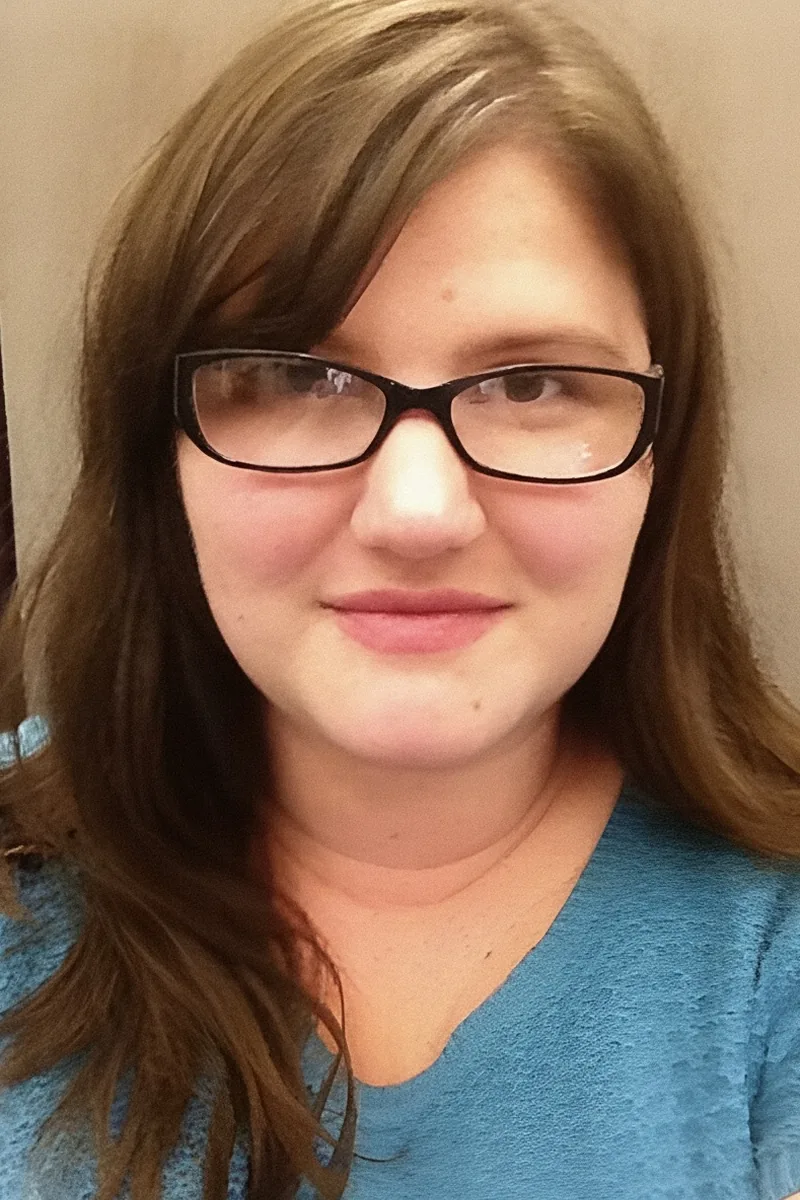
AP Lit demands more than plot summary — it asks students to analyze how imagery, structure, and voice create meaning in poetry and prose. Sophie is a PhD candidate in Literature who spends her days doing exactly this kind of close reading, and her TA experience means she knows how to translate graduate-level analytical skills into clear, actionable feedback on student essays. Rated 5.0 by students.

AP English Lit demands more than summarizing a novel — it asks students to construct tight, evidence-driven arguments about how literary devices create meaning. Daniel's journalism background sharpened his ability to analyze texts critically and write under pressure, and he applies that same discipline to teaching students how to unpack poetry, prose, and drama for the free-response essays.
AP Lit asks students to do something most high schoolers haven't practiced: write a literary argument under pressure using close reading as evidence. Joseph digs into the mechanics of that skill — how to identify a poem's volta, track a novel's shifting narrative distance, or build a thesis around tone rather than plot. His secondary education training keeps the focus on what the exam actually rewards.
AP English Literature asks students to do something genuinely difficult: read a poem or prose passage cold and produce a polished analytical essay in 40 minutes. Jacob, who studies communication at the graduate level and teaches university courses as a TA, unpacks how to build a thesis around literary devices like imagery, tone shifts, and narrative structure without falling into plot summary. He treats each free-response prompt as an argument to be constructed, not a book report to be written.
AP Lit asks students to do something genuinely difficult: read a poem or prose passage they've never seen and produce a polished analytical essay in under 40 minutes. Mark, an avid reader and writer heading to Duke Law, digs into the close-reading skills that make that possible — identifying how imagery, syntax, and narrative structure create meaning, then turning those observations into a thesis with real interpretive depth.
AP Lit rewards the kind of close, argumentative reading that Julia honed throughout her history degree — pulling apart a passage's structure, identifying how literary devices build meaning, and constructing a thesis under time pressure. She teaches students to write free-response essays that do more than summarize, pushing them to develop interpretive claims grounded in textual evidence.
AP English Lit asks students to do something genuinely difficult: read a poem or passage cold and produce a polished argument about it in forty minutes. Wolly's background in communications and his deep love of reading give him a sharp eye for literary devices like tone shifts, imagery patterns, and unreliable narration. He walks through timed essay strategies that turn close reading into a clear, scoreable thesis.
I am a veteran college-level English instructor with more than 20 years teaching in person, hybrid, and online. My focuses are on expository writing, essay writing, research papers, and creative writing. With my background in linguistics and second-language acquisition, I can also provide understanding of how and why the English language works the way it does, both in terms of style and grammar. I believe in supporting people's learning from wherever they're starting and I will customize tutoring to meet your needs. Besides subject tutoring, I can provide support with executive functioning and study skills. Additionally, with a wide interest-base, I can help you with your writing in many disciplines, including APUSH, AP/IB Social Sciences, IB Extended Essay, CLEP, or College Admission letters.
AP Lit is Meagen's sweet spot. As an English major at Carleton College who genuinely lights up over close reading, she digs into how literary devices function within a text — not just identifying a metaphor but explaining what it accomplishes in the passage's argument or characterization. Her sessions on the free-response essays zero in on crafting a defensible thesis and weaving textual evidence into every body paragraph.
AP Lit essays live or die on how well a student can connect a specific literary device to the text's larger meaning — not just spotting the metaphor, but explaining what it *does*. Kenan's background across literature and analytical writing means he can coach both the close-reading instinct and the timed-essay structure the exam demands, from poetry analysis to the open-ended prompt.
AP English Literature asks students to do something genuinely hard: read a poem or passage cold and produce a coherent analytical essay under time pressure. Kahini earned her English degree at Brown, where close reading of literary form — meter, narrative structure, figurative language — was the daily expectation. She teaches students to build an argument from a single textual detail outward rather than summarizing plot.
Teaching high school English while holding an MA in English with a focus on feminist critical theory, Danah knows exactly what AP Lit readers reward: thesis specificity, embedded textual evidence, and sophisticated literary analysis that goes beyond plot summary. She unpacks how to write a compelling free-response essay on poetry, prose, and open-prompt questions under timed conditions. Rated 5.0 by students.
AP English Lit lives at the intersection of close reading and persuasive writing, and Joanne has spent years sharpening both skills — first through her English degree at Santa Clara and then through graduate work at Michigan. She digs into how students construct thesis-driven essays on poetry and prose, teaching them to move from surface-level plot summary to arguments about imagery, structure, and narrative voice that earn top scores.
AP Lit asks students to do something genuinely difficult: read a poem or passage they've never seen and produce a polished analytical essay under time pressure. Kirstie teaches close-reading techniques — tracking imagery patterns, identifying shifts in tone, unpacking syntax choices — that give students a repeatable framework for any unseen text. Her own background in literature and comparative literature means she can draw connections across periods and genres that deepen a student's analysis.
AP Lit essays live or die on how well a student can connect a specific literary device — a symbol, a shift in narrative voice, an ironic reversal — to the work's larger meaning. Julie's philosophy background at Princeton trained her to construct tight, thesis-driven arguments from textual evidence, exactly the skill the exam's free-response questions demand.
AP Lit rewards the kind of close reading Lisa has practiced for years as a published author and journal editor — noticing how a writer's diction, imagery, or syntax creates meaning beyond the surface. She digs into poetry and prose with students, teaching them to build essay arguments around specific literary devices rather than vague thematic summaries. Her 4.9 rating speaks to how well that approach lands.
AP Lit's free-response questions reward students who can move beyond plot summary and build arguments around literary devices — symbolism, tone shifts, narrative structure. Priscilla's Harvard coursework in government and economics trained her to construct tight, evidence-driven essays under pressure, a skill she applies directly to poetry and prose analysis on exam day.
Spending a semester at Madrid's top-ranked university reading literature alongside Spanish students sharpened Meghan's ability to dissect texts across cultural contexts — exactly the close-reading skill AP Lit demands. She teaches students to build thesis-driven essays around literary devices like imagery, tone shifts, and narrative structure, not just plot summary. Her 5.0 rating speaks to how well that translates in practice.
AP Lit asks students to do something most haven't practiced: build a literary argument under time pressure using only the text in front of them. Rebecca teaches close-reading strategies for poetry and prose — identifying shifts in tone, tracking imagery patterns, and constructing thesis-driven free-response essays that earn high marks.
AP Lit asks students to do something most high schoolers haven't practiced: read a poem or prose passage cold and immediately build an argument about how its literary devices create meaning. Jake tackles this by teaching close-reading techniques — tracking shifts in tone, identifying figurative patterns, and connecting formal choices to thematic claims — so the timed essay feels less like a scramble and more like a structured conversation with the text.
Testimonials
Because the right AP English Literature and Composition tutor makes all the difference.
Average Session Rating – Based on 3.4M Learner Ratings
Practice AP English Literature and Composition
Free practice tests, flashcards, and AI tutoring for AP English Literature and Composition
Nearby AP English Literature and Composition Tutors
Other Milwaukee Tutors
Related English Tutors in Milwaukee
Frequently Asked Questions
The AP English Literature and Composition exam tests your ability to analyze and interpret literature across multiple genres—poetry, prose, and drama. The exam has two sections: a multiple-choice section (45 questions in 60 minutes) focused on reading comprehension and literary analysis, and a free-response section (3 essays in 135 minutes) where you'll analyze provided texts, compare two works, and write an argument about literature. Success requires both strong close-reading skills and the ability to articulate literary analysis clearly under time pressure.
Score improvement depends on your starting point and how consistently you engage with tutoring. Students who work with tutors on targeted strategies—like identifying literary devices quickly, structuring essays effectively, and managing time across sections—often see meaningful gains. Many students improve by 1-2 score points (from a 3 to a 4, or 4 to a 5) within a few months of focused preparation, though individual results vary based on your baseline skills and practice volume.
The most common struggles are managing the time pressure on the multiple-choice section (especially when analyzing unfamiliar texts quickly), developing essays that go beyond surface-level observations to show sophisticated literary analysis, and maintaining consistency across all three free-response prompts. Many students also struggle with analyzing poetry specifically—identifying poetic devices and explaining their effect requires a different skill set than prose analysis. A tutor can help you build speed in close reading and teach you frameworks for structuring essays that demonstrate deeper thinking.
Each essay requires a different strategy. For the single-text analysis essay, spend 2-3 minutes identifying your literary argument before writing. For the comparative essay, quickly map similarities and differences, then choose 2-3 strong points to develop. For the argument essay, establish your position clearly in the first paragraph, then use specific textual evidence to support it. The key across all three is balancing time spent planning (which prevents rambling) with time spent writing—typically 40 minutes per essay leaves room for quick revision. Tutors can help you practice these timing strategies on real AP prompts.
Ideally, take a full-length, timed practice test every 2-3 weeks starting 8-10 weeks before the exam. This builds stamina for the 3-hour exam and helps you identify which sections need the most work—whether that's speed on multiple-choice or essay organization. Between full tests, focus on targeted practice: timed multiple-choice sections on specific genres, or essays on particular prompt types. A tutor can review your practice tests to pinpoint patterns in your mistakes and adjust your study plan accordingly.
Varsity Tutors connects you with expert tutors for students in Milwaukee who specialize in AP English Literature and Composition. When you get matched with a tutor, you'll work with someone experienced in the specific demands of this exam—understanding the AP rubric, teaching time management, and providing detailed feedback on essays. Your first session is a great opportunity to discuss your current score, target score, and which areas (multiple-choice speed, essay structure, poetry analysis) need the most attention.
Test anxiety often stems from uncertainty about what to expect or lack of confidence in your strategies. Working through multiple full-length practice tests under timed conditions builds familiarity and confidence—by exam day, the format feels routine rather than threatening. Tutors can also teach you specific techniques like breaking the exam into smaller chunks ("I'll focus on these 15 multiple-choice questions, then move on") and having a clear essay outline strategy you've practiced dozens of times. Going into the exam with a solid plan and proven strategies significantly reduces anxiety.
Ideally, begin focused exam prep 8-12 weeks before the May exam date—typically January or February. However, if you're reading regularly in your AP class and building close-reading skills throughout the year, you're already preparing. If you're starting closer to the exam, intensive tutoring focused on essay strategy, practice tests, and time management can still yield significant improvements in a shorter timeframe. The earlier you start, the more practice tests you can take and the more feedback you can incorporate.
Let’s find your perfect tutor
Answer a few quick questions. We’ll recommend the right plan and match you with a top 5% tutor.