Award-Winning History Tutors
serving Madison, WI
Award-Winning
History
Tutors in Madison
Private 1-on-1 tutoring, weekly live classes for academic support, test prep & enrichment, practice tests and diagnostics, and more to elevate grades and test scores.
Based on 3.4M Learner Ratings
UniversitiesSchools & Universities
DeliveredHours Delivered
ProficiencyGrowth in Proficiency
Who needs tutoring?
No obligation. Takes ~1 minute.
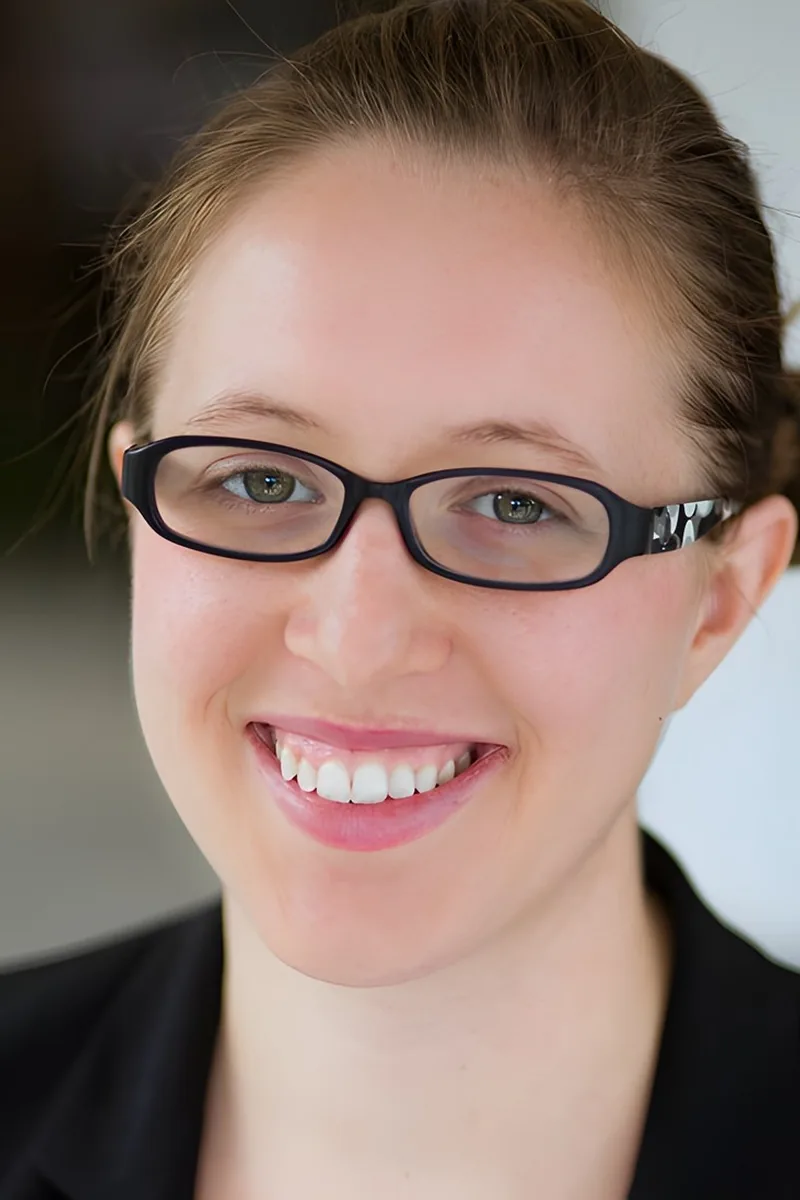
Reading history well means learning to ask why a source was created, who it was written for, and what it leaves out. Amber approaches historical study as an exercise in critical reading and argumentation — skills she honed through her liberal arts training — and teaches students to analyze cause-and-effect relationships rather than just memorize dates and names.
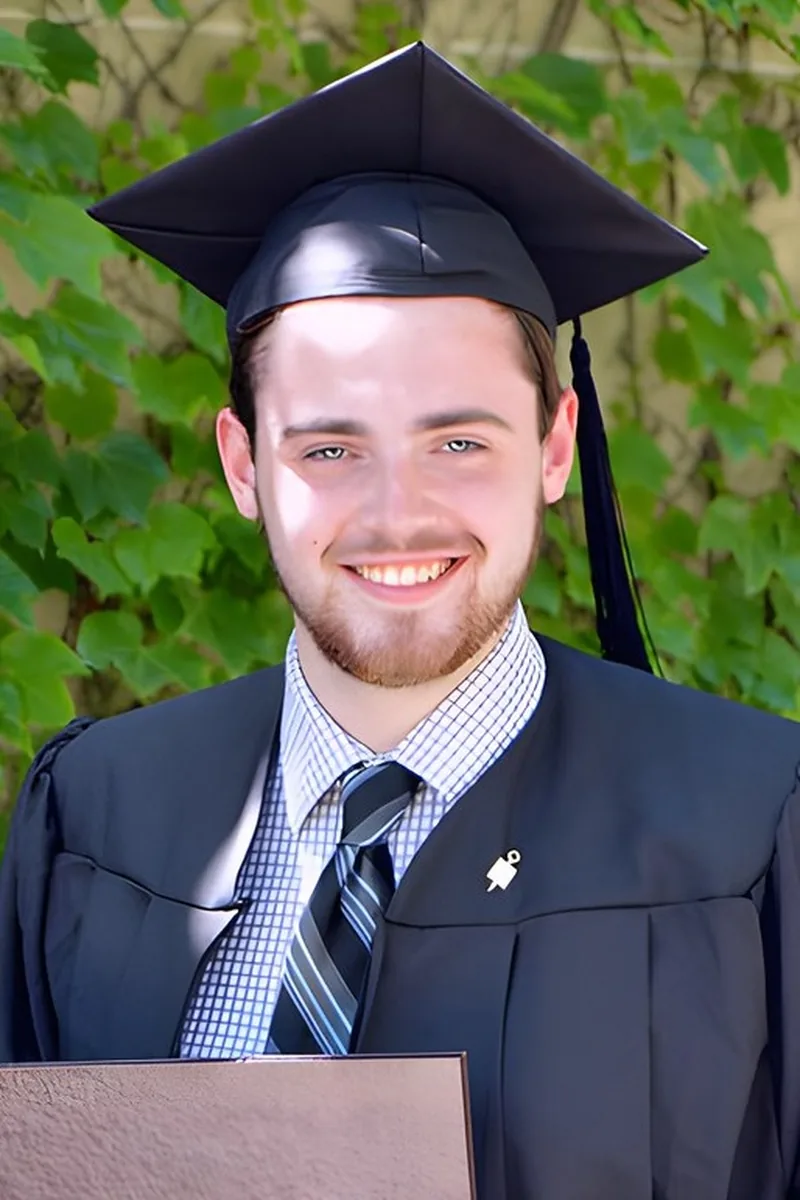
Patrick's dual training in English Literature and Linguistics at the University of Chicago means he reads historical texts the way they were meant to be read — as products of a specific time, audience, and rhetorical purpose. His experience teaching critical reading to everyone from fifth graders to business professionals in South Korea sharpened his ability to make source analysis accessible regardless of a student's starting point. He's especially strong on document-based questions where understanding an author's language and intent matters as much as knowing the historical context.
Sophie approaches history as a discipline built on argument and evidence, teaching students to analyze primary sources, identify causation versus correlation, and write thesis-driven responses. Her Urban Studies concentration at Brown means she's especially sharp on topics like industrialization, migration patterns, and how political movements reshape cities.
Studying tiger ecology for a doctorate at Wisconsin-Madison means Karann spends most of his time doing what history courses actually test — reading dense primary literature, modeling how populations respond to shifting pressures, and building evidence-driven arguments about why systems change over time. That same cause-and-effect reasoning applies directly to historical essay writing, where students need to explain how political, environmental, and economic forces interact rather than just recite a sequence of events.
Studying history means learning to read the world as an argument — weighing primary sources, questioning whose perspective is missing, and understanding how geography and belief systems shaped events. Sarah's graduate research took her across Asia and Europe, from Lhasa to Paris, and she taught comparative religion at UW-Madison, giving her firsthand context for the cultural forces behind major historical turning points.
Studying business and economics at Vanderbilt gave Maddy a lens for history that most tutors don't have — she naturally connects political events to the economic forces behind them, whether that's mercantilism driving colonial expansion or inflation shaping postwar policy. She also teaches students how to structure document-based and argumentative essays so their analysis reads as sharply as their knowledge.
Studying political science at Penn meant immersing himself in the forces — economic, ideological, institutional — that drive historical events. James teaches history as cause-and-effect reasoning rather than a list of dates, showing students how to trace connections between events like industrialization and political reform or colonial policy and revolution.
Richard treats history as a discipline built on reading critically and constructing arguments from evidence, not memorizing dates. His interdisciplinary background — spanning physics, atmospheric science, and languages — gives him a knack for connecting political, scientific, and cultural developments into a coherent narrative that actually sticks.
Years of lab research in microbiology taught Madeline to read scientific papers the way historians read primary sources — skeptically, looking for what the evidence actually supports versus what the author wants you to believe. She brings that same critical eye to history, coaching students through document analysis and argumentative essay writing where the goal is building a case, not reciting facts. Her PhD training in evaluating competing hypotheses translates naturally to weighing conflicting historical interpretations.
Michael treats history the way he treats science: as a discipline built on evidence and argument, not memorization. He teaches students to read primary sources critically, identify cause-and-effect chains, and write essays that defend a clear historical claim rather than just retelling events in order.
A Communication master's program is essentially a history-of-rhetoric program in disguise — Jacob spends his graduate work at Illinois State analyzing how persuasive messaging has shaped public opinion across eras, from wartime propaganda to civil rights speeches. That training in rhetorical analysis translates directly to teaching students how to dissect primary source documents and craft thesis-driven arguments on DBQs and essay exams. Rated 4.9 by students.
Studying Comparative Literature and Classical Greek means Jonas has spent years reading primary sources — political speeches, philosophical treatises, personal letters — and analyzing how context shapes meaning. That translates directly to history, where he teaches students to evaluate sources critically and build arguments grounded in evidence rather than summary. His strength is connecting cultural and intellectual currents across periods so that events feel like part of a larger story.
Studying history well means reading sources critically and constructing arguments from evidence, not just memorizing dates. Shona's current graduate work in educational policy at UW-Madison keeps her immersed in historical analysis — tracing how past decisions shaped today's institutions. She teaches students to identify cause-and-effect relationships and build thesis-driven essays that hold up under scrutiny.
Too many students approach history as a list of dates and names to memorize, then wonder why they can't answer DBQ-style questions. Dylan teaches students to think about cause and effect — why the Treaty of Versailles led where it did, or how economic pressures shaped the Civil Rights Movement — so they can analyze sources and write arguments, not just recall facts.
Working at UW-Madison's writing center means Miriam spends her days teaching students how to build arguments from evidence — which is exactly what history essays and document-based questions require. Her dual focus on biology and English gives her practice moving between analytical and interpretive thinking, so she's comfortable coaching students through both data-heavy economic history and rhetorical analysis of political speeches. Rated 4.9 by students.
Studying history with Julia means learning to think like a historian: weighing sources, spotting bias, and building an argument that holds up under scrutiny. Whether the topic is ancient civilizations or twentieth-century conflicts, she connects the material to questions students already care about, making the content easier to retain and more interesting to engage with.
Two years of teaching German as a camp counselor taught Adam something applicable well beyond language: how to make unfamiliar material feel accessible by anchoring it in stories and context. He brings that same instinct to history, walking students through the causes and consequences behind events rather than expecting them to memorize dates cold. Rated 4.8 by students.
Though history isn't Aaron's primary discipline, his problem-solving orientation gives him a distinctive angle: he teaches students to treat historical arguments like proofs, evaluating what evidence supports a claim and where the reasoning has gaps. That analytical framework is especially useful for essay-based exams and document analysis, where clear structure matters as much as factual knowledge.
Connor treats history as a subject that rewards the same skills as any analytical discipline: identifying cause and effect, weighing evidence, and constructing clear arguments from messy source material. He teaches students to move past rote memorization of dates by connecting events to broader patterns — economic shifts, political incentives, and social movements that make timelines make sense.
As a journalist, Olivia evaluates sources, identifies bias, and constructs evidence-based narratives for a living — skills that map directly onto what history courses demand. She teaches students to read primary documents the way a reporter reads an interview: skeptically, looking for what's said, what's omitted, and why. That approach turns document-based questions and research essays from intimidating to intuitive.
Zoology trains you to think in systems — how organisms interact, compete, adapt, and drive each other toward extinction or coexistence. Eitan brings that ecological thinking to history, teaching students to analyze how environmental pressures, resource scarcity, and population dynamics shaped events like westward expansion or the collapse of ancient civilizations. Rated 5.0 by students.
I'm fluent in R, Python, SQL, and M (MUMPS). This September I will be pursuing a Master's degree in data science. I'm available to tutor GRE, ACT, and SAT math as well as other math, statistics, and economics subjects. Although I am most passionate about math, I'm also happy to help students with general testing strategies and preparation for the other parts of the standardized exams.
Breanna's counseling background gives her a people-first read on history — she naturally digs into how social structures, family systems, and community dynamics shaped the way ordinary people experienced events like industrialization or the Civil Rights movement. Her Human Development training means she connects historical change to real human behavior, which makes essay arguments more grounded and specific than the generic summaries most students default to.
Chloe's certificate in Global Cultures from UW-Madison gave her deep practice in analyzing how societies, power structures, and cultural movements interact across time periods. She approaches history as a discipline built on reading and interpreting sources — skills that transfer directly from her English Literature training. Students working with her learn to construct evidence-based arguments about historical events, not just memorize dates.
Reading history well means evaluating competing narratives, not just memorizing dates and treaties. Wolly approaches historical topics by teaching students to interrogate primary sources, identify bias, and connect political or social movements to broader patterns — skills his communications and philosophy background made second nature.
While history isn't Samantha's primary field, her science training at UW-Madison sharpened exactly the skills history courses demand: evaluating sources critically, constructing evidence-based arguments, and identifying cause-and-effect relationships across complex systems. She's especially effective at teaching students how to structure a document-based essay that builds a clear, defensible thesis.
ACT prep gave Zach a practical skill that carries over to history: quickly reading dense passages, identifying the core argument, and answering questions that test comprehension under time pressure. He applies that same efficient reading-and-reasoning approach to historical texts, teaching students to pull key evidence from primary sources and build concise arguments on essay prompts. Holds a 5.0 rating.
Almira's STEM academy background might seem unrelated to history, but it trained her to evaluate evidence and build logical arguments — exactly what document-based questions and analytical essays demand. She teaches students to treat historical sources the way a researcher treats data: skeptically, contextually, and with an eye toward what's missing.
Computer science trains you to think in systems — inputs, outputs, dependencies, cascading consequences — and that's exactly how Sarah approaches historical questions. Her CS background at UW-Madison makes her especially effective at teaching students to map out how political, economic, and social factors interact to produce specific outcomes. Rated 4.9 by students, she's a strong fit for anyone who needs to sharpen thesis-driven writing or document analysis.
Most math majors wouldn't list history among their strengths, but Joseph's UW-Madison training built exactly the kind of rigorous argumentation that history essays reward — identifying what drives an outcome and constructing a tight case around it. He's particularly effective at teaching students to move past surface-level summaries and instead build thesis-driven responses that trace why events unfolded the way they did. Rated 5.0 by students.
Studying history means building arguments from evidence, not memorizing dates — and that's a skill Halle sharpens by teaching students to read primary sources critically and connect cause-and-effect chains across events. Her broad tutoring background in both English and analytical subjects means she's especially effective at the writing-heavy side of history courses, from DBQs to research papers.
Memorizing dates and names rarely sticks, so India treats history as a series of cause-and-effect chains that students can reason through rather than recall from a flashcard. Her liberal arts coursework gave her a broad foundation across U.S. and world history, and she emphasizes skills like evaluating primary sources and constructing document-based arguments.
Growing up in China and studying in Germany gave Mingxi firsthand experience with how different countries teach their own histories — what gets emphasized, what gets left out, and how national narratives shape understanding. That cross-cultural perspective is especially useful when students tackle topics like imperialism, the World Wars, or Cold War ideologies, where seeing events from more than one side is exactly what strong essays require. Rated 4.7 by students.
I currently work for an afterschool enrichment program (Best Brains) tutoring elementary English and math, and I have 4+ years of experience as a private ESL tutor for both children and adults. I am working toward my Masters of Science in Secondary English Education and ESL at the University of Wisconsin- Madison. I graduated from the University of Oregon with a Bachelor of Arts in Comparative World Literature and Japanese, and from the University of Wisconsin-Madison with a Master of Arts in Japanese Language and Literature. I began tutoring while I was in high school, assisting with algebra homework. In college, I volunteered as a kindergarten reading assistant through a program called Start Making a Reader Today. I later volunteered while in graduate school at a local high school tutoring students in beginner Japanese. I have also been employed by the University of Wisconsin as a Teaching Assistant, and taught in Religious Studies and East Asian Studies. In all cases, it has been a pleasure watching students progress in their academics and to see them grow as young scholars. I especially enjoy teaching language arts because of the feeling of connection that language can bring. My favorite part of teaching is seeing the smiling face of someone the moment that they finally "get" something they've been struggling with and watching their confidence boost. In my free time, I host a small book club, pen pal with friends around the world, and try my hand at new recipes.
Testimonials
Because the right History tutor makes all the difference.
Average Session Rating – Based on 3.4M Learner Ratings
Nearby History Tutors
Other Madison Tutors
Related Social Studies Tutors in Madison
Frequently Asked Questions
Many students struggle with memorizing dates and names without understanding the broader context and significance of historical events. Others find it difficult to analyze primary sources, construct evidence-based arguments, or see connections between different time periods and themes. Personalized tutoring helps students move beyond rote memorization to develop critical thinking skills, which is essential for success in high school and AP History courses.
Madison's six school districts follow Wisconsin state standards that emphasize historical thinking skills, primary source analysis, and thematic connections across time periods. Tutors familiar with these standards help students meet grade-level expectations—whether that's understanding early American history in middle school, U.S. History content in high school, or preparing for AP exams like AP U.S. History or AP World History. This alignment ensures students build skills that directly support their classroom performance.
With an average student-teacher ratio of 11.7:1 in Madison schools, classroom teachers have limited time to address individual learning gaps or tailor instruction to each student's pace. Personalized tutoring provides focused, one-on-one attention that allows tutors to identify whether a student struggles with comprehension, essay writing, test-taking strategies, or specific historical periods. This targeted approach helps students fill gaps and build confidence much faster than whole-class instruction alone.
Yes—essay writing and document analysis are core skills in History courses, and many students need targeted support developing these abilities. Tutors work with students on thesis development, using evidence from primary and secondary sources, organizing arguments chronologically or thematically, and mastering the conventions of historical writing. Whether preparing for a major project or AP exam essays, personalized instruction helps students strengthen these critical skills.
The first session focuses on understanding your student's current level, learning style, and specific challenges—whether that's struggling with a particular time period, test anxiety, or essay structure. The tutor will assess what's working and what needs improvement, then develop a personalized plan aligned with classroom expectations and academic goals. This foundation ensures every subsequent session builds on a clear understanding of your student's needs.
AP U.S. History, AP World History, and other standardized History exams require both content mastery and specific test-taking strategies. Tutors help students understand the format, practice with released exam questions, develop time management skills, and strengthen their ability to analyze documents and construct evidence-based responses under pressure. This combination of content review and strategic test preparation significantly improves performance.
Varsity Tutors connects you with expert tutors in Madison who specialize in History and understand the local curriculum. You can specify your student's grade level, whether they need help with a specific course or exam, and any particular challenges they're facing. The matching process ensures your student gets a tutor whose expertise and teaching style align with their needs.
Many students see noticeable improvement within 4-6 weeks of consistent tutoring, particularly in areas like essay writing, test confidence, and understanding complex topics. However, the timeline depends on your student's starting point, frequency of sessions, and specific goals. Regular tutoring combined with consistent effort in the classroom accelerates progress and builds the deeper understanding that leads to lasting academic success.
Let’s find your perfect tutor
Answer a few quick questions. We’ll recommend the right plan and match you with a top 5% tutor.