Award-Winning College Essays Tutors
serving Seattle, WA
College Essays
Tutors in Seattle
Private 1-on-1 tutoring, weekly live classes for academic support, test prep & enrichment, practice tests and diagnostics, and more to elevate grades and test scores.
Based on 3.4M Learner Ratings
UniversitiesSchools & Universities
DeliveredHours Delivered
ProficiencyGrowth in Proficiency
Who needs tutoring?
No obligation. Takes ~1 minute.
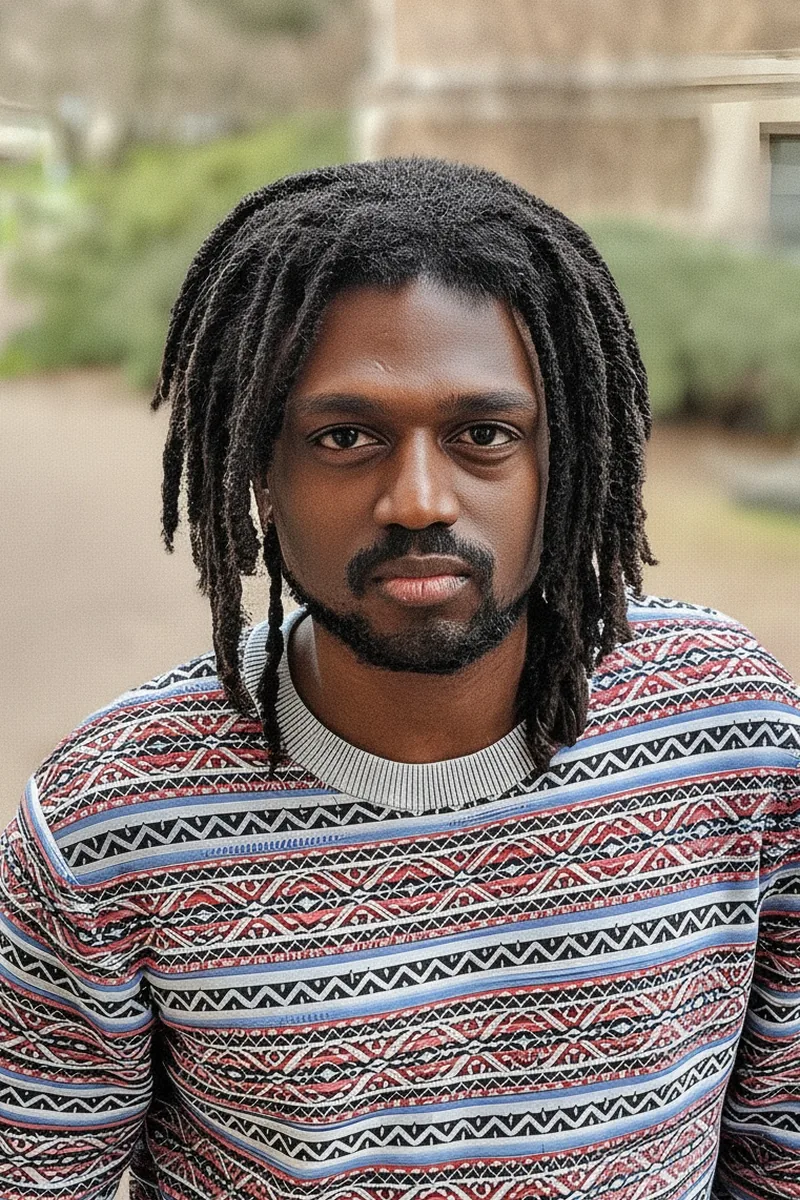
Applying to college while completing a PhD in history at the University of Washington, Najja knows firsthand how to craft a personal narrative that stands out in a competitive admissions pool. He breaks down the college essay into manageable decisions — choosing a specific moment over a broad theme, finding an authentic voice, and structuring a draft that actually answers the prompt.
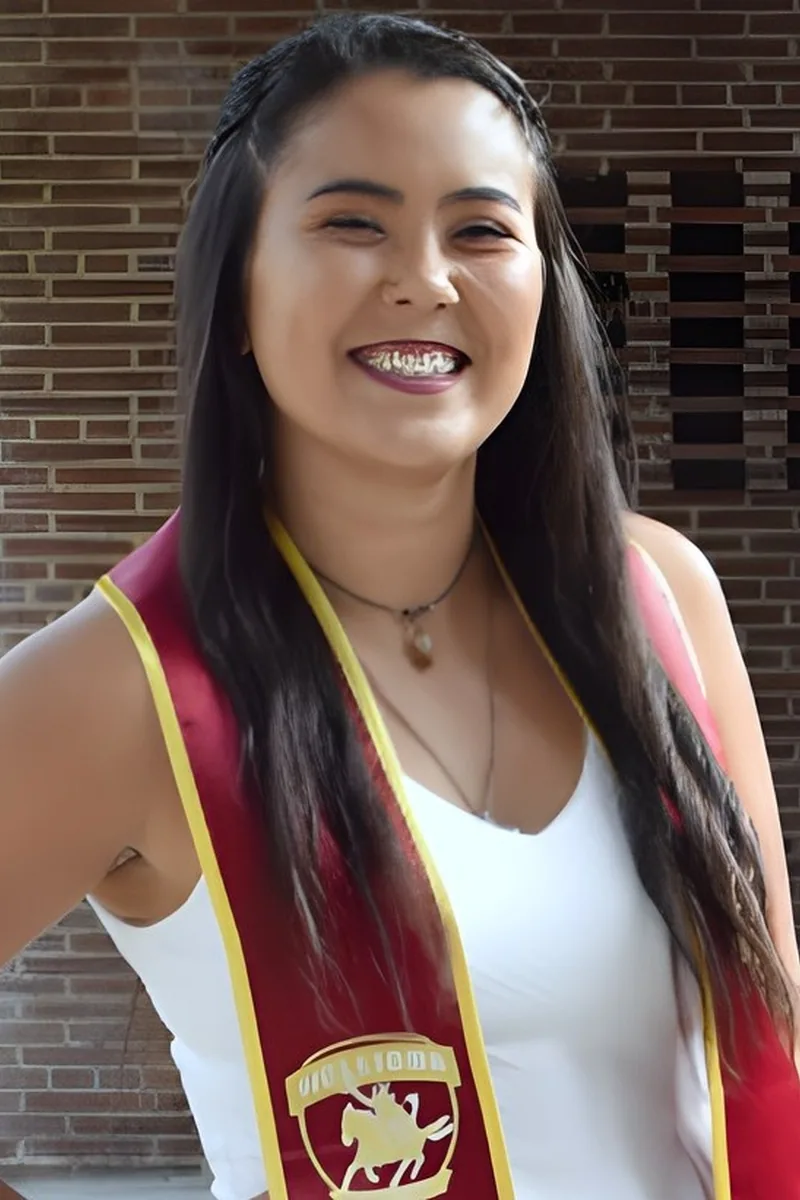
A college essay that actually lands doesn't summarize accomplishments — it reveals how a student thinks. Avalon went through USC's honors writing program and studied Political Economy, so she knows how to help applicants find the one story that makes an admissions reader pause. She digs into brainstorming, structural choices, and voice until the essay sounds unmistakably like the person writing it.
The hardest part of a college essay isn't the writing — it's figuring out which story actually reveals something an admissions reader can't find anywhere else in the application. Grant digs into brainstorming sessions that surface unexpected angles, then shapes drafts around a single vivid thread rather than a résumé recap. His 5.0 rating speaks to how well that process clicks with students.
A college essay lives or dies on voice — admissions readers can tell immediately whether a student is performing or being genuine. Alex, who is completing a PhD in English, approaches essay drafting as a process of discovering what a student actually wants to say, then sharpening the structure and language to make it land. He's especially skilled at helping students move from a vague topic idea to a specific, compelling narrative arc.
Teaching university-level math and statistics means Moayad spends most of his time in proofs and equations — but that precision translates surprisingly well to college essays, where a bloated draft needs the same ruthless editing a sloppy proof does. He's particularly effective with applicants who want to write about their love of STEM but keep producing essays that read like course descriptions instead of personal stories, and he knows how to restructure a draft around one concrete moment that actually reveals something.
Over a year of editing college admissions essays has given Alice a sharp eye for what admissions readers actually respond to — she's edited pieces for students accepted to CalTech, Northwestern, and Northeastern. Rather than rewriting a student's voice, she pinpoints where a draft's narrative loses momentum or where a generic claim could become a vivid, specific moment. She's happy to share editing samples so students can see her process firsthand.
A strong college essay doesn't summarize a résumé — it reveals how a student thinks. Helen went through the admissions process at Johns Hopkins and understands what selective schools look for: a genuine voice, a specific story, and a clear sense of self-awareness. She digs into brainstorming and structural revision to help each essay land with authenticity rather than polish alone.
A strong college essay needs a clear, specific story — not a résumé in paragraph form. Cory's approach is conversational: he talks through a student's experiences to find the one concrete moment or idea worth building an essay around, then coaches the drafting process from there. It's a different muscle than physics, but the same emphasis on clarity and logical structure applies.
A Yale graduate who built a career partly on crafting compelling narratives in professional contexts, Moses knows that a great college essay isn't about listing achievements — it's about revealing how you think. He digs into brainstorming, voice, and structural choices to help applicants turn a rough idea into a personal statement that admissions officers remember.
Having read thousands of student essays across grades 6 through AP, Marie knows the difference between a personal statement that blends in and one that makes an admissions reader pause. She digs into voice and structure first — helping students figure out which story to tell and how to shape it — before polishing at the sentence level. Her MA in Teaching and English BA give her both the editorial eye and the coaching instincts the process demands.
A strong college essay isn't about listing accomplishments — it's about finding the one specific story that reveals how a student thinks. Maria went through the UC application process herself and knows how to help a writer identify that angle, then shape messy drafts into a narrative with a clear arc and authentic voice.
A compelling college essay isn't a résumé in paragraph form — it's a single, specific moment that reveals how a student thinks. Clare's MPhil in Philosophy trained her to construct tight, original arguments, and she brings that same eye for clarity and voice to personal statements. She walks through every stage from brainstorming a genuine topic to cutting the filler that admissions readers skim past.
As a senior English major who reads and writes analytically every day, Elizabeth understands what admissions readers are actually looking for: a specific voice telling a specific story. She digs into brainstorming and drafting with students, pushing past generic "overcoming adversity" narratives to find the personal details that make an essay memorable.
A compelling college essay isn't about listing accomplishments — it's about revealing how you think. Chica, who went through the admissions process as an economics student, digs into brainstorming and narrative structure to help applicants find the one story that admissions officers will actually remember. She's rated 5.0 by students.
A compelling college essay doesn't summarize a résumé — it reveals a single moment or idea that admissions officers can't forget. Xiansheng digs into brainstorming sessions to uncover the story only that student can tell, then shapes drafts until the voice on the page sounds authentic rather than rehearsed. His experience with a wide range of applicants, including international students, sharpens his eye for what stands out.
The hardest part of a college essay isn't the writing — it's figuring out which story to tell and why it matters. Kourtney, who recently navigated graduate admissions herself, walks students through brainstorming, drafting, and revising personal statements until the essay sounds unmistakably like them. Her 5.0 rating speaks to how well that process works.
A strong college essay doesn't summarize a résumé — it reveals how a student thinks, and that's the distinction Angela pushes from the very first brainstorming session. She walks students through identifying a specific moment or tension worth exploring, then drafts and revises alongside them until the voice on the page sounds unmistakably theirs. Her own experience navigating the application process at Northeastern keeps her advice grounded and current.
Having gone through the medical school application cycle herself, Tsering knows what admissions readers are scanning for: a specific narrative arc, genuine self-reflection, and a voice that sounds like an actual person rather than a thesaurus. She's also conducted research at Emory, OHSU, and NIH, so she can help applicants frame academic and research experiences in a way that feels compelling without overselling. Her editing sharpens structure and tone while keeping the student's own story front and center.
A strong college essay doesn't summarize a résumé — it reveals how a student thinks. Jon, who lists writing among his core interests, works through brainstorming, drafting, and revision with an eye toward voice and specificity, making sure each essay sounds like the student who wrote it rather than a generic personal statement.
Having navigated the college application process as a science student who also loves reading and writing, Madyson understands how to craft an essay that sounds like a real person, not a résumé. She walks students through brainstorming, structure, and revision with an editor's eye, plus experience from working in an ESL classroom that sharpened her ability to clarify voice and tone.
Daniel went through the college application process as an engineering student and knows how to help applicants translate technical interests, extracurriculars, and personal stories into essays that actually sound like them. He zeroes in on structure and voice — making sure each draft has a clear arc and doesn't read like a résumé in paragraph form.
A strong college essay isn't a résumé in paragraph form — it's an argument about who you are, built from one specific moment or idea. Justin has spent his academic career at the University of Chicago and now UNM constructing and evaluating exactly these kinds of arguments, and he applies that rigor to helping students find the single thread that makes their essay compelling. He digs into drafts at the structural level, reshaping narrative arc and voice before polishing sentences.
A strong college essay isn't about listing achievements — it's about revealing how you think. Aaron went through the application process as an engineering student and knows how to help applicants find a specific, genuine angle that admissions readers remember. He walks through brainstorming, drafting, and revision as distinct stages so the final essay sounds like the student, not a committee.
Having navigated the college application process from the Bay Area and later tackled law school admissions at UChicago, Elena understands what admissions readers are scanning for — specificity, authentic voice, and a narrative arc that actually reveals something about the writer. She pushes students to dig past their first-draft instincts and find the concrete details that make a personal statement memorable rather than generic.
A strong college essay doesn't summarize a résumé — it reveals how a student actually thinks. Matt approaches the brainstorming phase by digging into moments of genuine surprise, conflict, or change in a student's life, then structures drafts around a single narrative arc that admissions readers remember.
Perry wrote his way into the University of Miami Miller School of Medicine, so he understands what admissions readers look for: a specific, authentic voice and a narrative arc that reveals character rather than just listing accomplishments. He digs into brainstorming and structural revision, pushing drafts from generic to genuinely personal.
A strong college essay doesn't summarize a résumé — it reveals how a student thinks, and that's a surprisingly difficult thing to put on paper. Tom holds a PhD in American Studies with a concentration in literature, so he understands narrative structure at a professional level and can pinpoint where a draft loses its voice or buries its most compelling idea. He treats each revision as a conversation about what the student actually wants an admissions reader to understand.
A college essay that actually lands an admission reader's attention needs a specific, honest story — not a list of accomplishments repackaged in paragraph form. Frances graduated magna cum laude from Duke and understands what selective admissions offices respond to. She pushes students to find the one moment or detail that reveals something genuine, then shapes the draft until every sentence earns its place.
College application essays live or die on specificity — admissions readers can spot a generic personal statement in seconds. Victoria has honed a direct, pointed essay-writing style through years of academic work and knows how to help a student find the one concrete story that reveals something an activities list can't. She's particularly sharp at cutting filler and tightening prose so every sentence earns its place.
Having gone through the admissions process at MIT and now Georgia Tech's PhD program, Isabella knows what makes a personal statement land with a committee — specificity, structure, and a voice that sounds like the person writing it. She walks students through brainstorming, drafting, and revising so the final essay reveals something a transcript can't.
A strong college essay doesn't summarize a résumé — it reveals how a student thinks. As a Johns Hopkins student who went through the admissions process herself, Sabira walks applicants through brainstorming, drafting, and refining a personal narrative that sounds genuinely like them. Her own love of writing and reading gives her a sharp editorial eye for voice and structure.
A PhD in statistics and a biomedical engineering degree mean Sam has spent years writing for audiences who punish vagueness — and that editorial ruthlessness is exactly what a bloated college essay draft needs. He's particularly effective with applicants whose lives revolve around quantitative work, helping them locate the personal story buried underneath the résumé bullet points and build a narrative around it. Rated 4.9 by students.
Having navigated applications to Columbia's master's program and NYU's doctoral program, Nina understands what admissions committees are actually looking for — specificity, self-awareness, and a narrative that connects experiences to goals. She's particularly strong at helping STEM-oriented students translate lab work, research interests, or quantitative passions into compelling personal stories. Her editing is direct and structural, not just cosmetic.
Testimonials
Because the right College Essays tutor makes all the difference.
Average Session Rating – Based on 3.4M Learner Ratings
Other Seattle Tutors
Related English Tutors in Seattle
Frequently Asked Questions
College essay tutoring focuses on helping you develop a compelling personal narrative that stands out to admissions officers. Tutors work with you on brainstorming meaningful topics, structuring your essay for maximum impact, crafting a strong thesis, and refining your unique voice. Sessions also cover the revision process, helping you move from rough drafts to polished final submissions that authentically represent who you are.
When you connect with a tutor through Varsity Tutors, your first session focuses on understanding your background, goals, and essay prompt. From there, tutors provide personalized guidance on brainstorming, outlining, and drafting, with detailed feedback on each revision. Most students work with their tutor over several weeks to develop multiple essay options and ensure each one reflects their authentic voice and strongest qualities.
Many Seattle-area students struggle with choosing a meaningful topic that feels both personal and compelling to admissions officers. Others find it difficult to balance showing vulnerability with maintaining confidence, or they write generically without letting their authentic voice shine through. Writer's block, over-editing, and unclear organization are also frequent obstacles—tutors help you work through each of these by providing structured feedback and strategies specific to your writing style.
Revision is absolutely central to strong college essays—professional writers rarely get it right on the first draft, and neither do students. Tutors provide detailed, constructive feedback on everything from thesis clarity and paragraph organization to word choice and tone. This iterative process helps you strengthen your argument, eliminate weak sections, and ensure your essay genuinely reflects your voice rather than sounding like what you think admissions officers want to hear.
Both matter, but they serve different purposes. Your authentic voice and compelling storytelling are what make your essay memorable to admissions officers—technical perfection alone won't stand out. That said, grammar and clarity errors can distract from your message, so tutors help you develop a strong, distinctive voice while also ensuring your writing is polished and error-free. The goal is to let your personality and perspective shine through clear, confident prose.
Yes—most colleges require a main personal statement plus several supplemental essays with different prompts and word limits. Tutors can guide you through all of them, helping you craft focused responses to specific questions while maintaining consistency in your voice across applications. This is especially valuable because each essay is an opportunity to show different facets of who you are, and tutors help you strategically choose topics that collectively paint a complete picture.
Bring any essay prompts you're working with, along with any drafts or notes you've already started. If you haven't begun yet, come ready to discuss your background, interests, and what you want colleges to know about you. It's also helpful to have a list of potential topics or experiences you're considering—tutors will help you evaluate which ones are most compelling and have the strongest potential for a standout essay.
Most students benefit from starting 3-4 months before their application deadline, meeting with a tutor 1-2 times per week. This timeline gives you enough space for brainstorming, multiple drafts, and thoughtful revision without the stress of rushing. If you're closer to your deadline, intensive sessions can still help significantly—tutors can prioritize the most impactful revisions and help you submit your strongest possible essays.
Let’s find your perfect tutor
Answer a few quick questions. We’ll recommend the right plan and match you with a top 5% tutor.