Award-Winning AP World History Tutors
serving Seattle, WA
AP World History
Tutors in Seattle
Private 1-on-1 tutoring, weekly live classes for academic support, test prep & enrichment, practice tests and diagnostics, and more to elevate grades and test scores.
Based on 3.4M Learner Ratings
UniversitiesSchools & Universities
DeliveredHours Delivered
ProficiencyGrowth in Proficiency
Who needs tutoring?
No obligation. Takes ~1 minute.

I'm a current PhD student in the history department at Georgetown University who is also an experienced instructor with Varsity Tutors. As a recipient of several degrees, the most recent being a BA in history from Hillsdale College and a MA in Russian, East European, and Eurasian Studies from Stanford University, I have long sought to make teaching my profession. Meanwhile, as a volunteer grade school teacher and a tutor with this company, I have many years' experience helping students reach their full potential. I am capable of teaching students in many subjects, including reading, mathematics, test prep, Latin, and especially writing, history, and literature. In practice, I am comfortable adapting to different learning styles and specific student preferences. Outside of my academic and career endeavors, I enjoy cooking, reading, and listening to and making music.
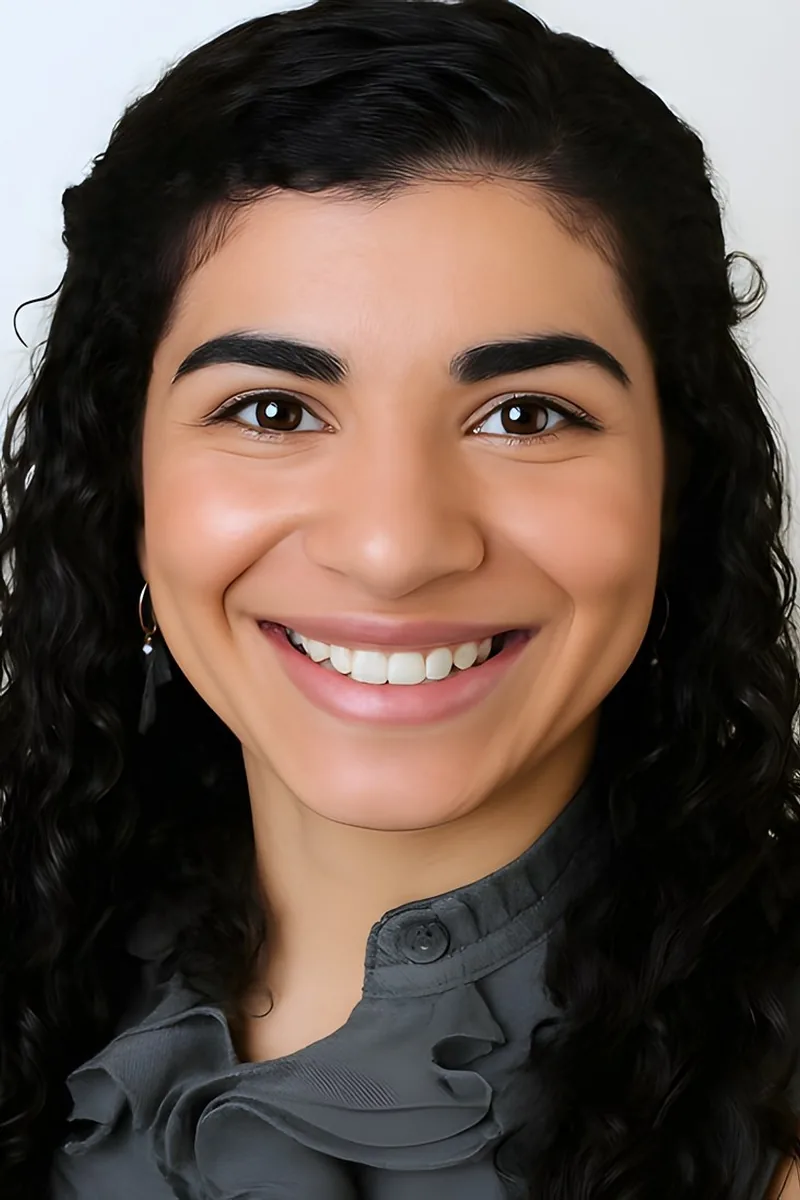
Covering thousands of years across every continent, AP World History overwhelms students who try to memorize everything instead of learning to spot patterns — trade networks, empire-building, cultural diffusion. Paula's Communication Studies background makes her especially effective at teaching the comparative and continuity-and-change essay formats the exam demands, where clear argumentation matters more than encyclopedic recall.
Covering ten thousand years of human history means AP World History can feel impossibly broad — until a student learns to think in patterns. Iris's anthropology training at the University of Chicago is built around exactly that: tracing how trade networks, belief systems, and state structures evolve and interact across cultures. She teaches students to spot those cross-cultural comparisons and continuity-and-change themes that the AP exam tests hardest.
Having taught and tutored across Colombia, Mexico, Germany, Canada, and the United States, Esteban brings an anthropologist's instinct for reading how cultures interact — the exact skill AP World History's DBQ and comparative essays test when students must explain why civilizations borrowed, resisted, or transformed each other's practices. His anthropology training means he teaches cultural diffusion and state formation not as textbook vocabulary but as lived human patterns, connecting concepts like syncretism or tributary systems to real-world examples he's encountered firsthand. Rated 4.9 by students.
The AP World History exam covers thousands of years across every continent, which means students need frameworks, not just facts. Reid tackles this by teaching comparative analysis — showing how trade networks, state-building, and cultural exchange follow recognizable patterns from the Silk Roads to the Columbian Exchange. His political science background makes him especially sharp on empire, governance, and power dynamics.
Terry's Wharton economics training — analyzing how markets form, trade networks expand, and institutions shape incentives — gives him a practical framework for the economic systems questions that run through every AP World History period, from early agrarian societies to globalization. He's particularly sharp on the continuity-and-change prompts where students need to explain how something like mercantilism or tributary systems evolved rather than just identifying them. A 1530 SAT scorer, he brings strong timed writing instincts to DBQ and LEQ prep.
Studying political science and international studies at Northwestern means Parag spends his coursework tracing how states form, compete, and collapse — the same dynamics AP World History tests when it asks students to compare imperial administration from the Han Dynasty to the Ottoman Empire. He's especially sharp on the modern periods where political ideology and foreign policy reshape entire regions, and he teaches students to build DBQ arguments that connect specific documents to those larger power shifts. Rated 5.0 by students.
Bryan's government degree from Dartmouth means he can unpack the political structures side of AP World History — how empires consolidated power, why revolutionary movements echoed across regions, and what made state-building look different in Ming China versus the Ottoman Empire — with the kind of specificity the LEQ and DBQ demand. His 34 ACT and 1580 SAT point to serious timed-writing chops, and his background heading into constitutional law at Stanford sharpens his instinct for teaching students to build arguments about how political legitimacy and governance evolved across all nine periods. Rated 5.0 by students.
A year researching climate change at the University of Helsinki gave Marika something most AP World History tutors lack — direct experience living inside the kind of cross-regional, systems-level analysis the exam rewards, particularly on causation essays about how environmental shifts like the Little Ice Age or the Columbian Exchange reshaped entire civilizations. Her physics training reinforces that same cause-and-effect rigor when students need to trace how one development cascades across continents and centuries. Rated 5.0 by students, she holds a 1590 SAT.
Earning a perfect score on the SAT World History subject test gave Abrahim a deep familiarity with the cross-cultural comparisons and periodization that drive AP World History. He teaches students to spot continuity-and-change patterns across civilizations and translate that analysis into high-scoring essays and short answers.
Studying Asian and Middle Eastern Studies at Duke while on a pre-med track, Caitlin brings genuine regional expertise to the parts of the AP World History curriculum that many tutors rush through — Islamic Golden Age developments, Indian Ocean trade networks, and the political transformations across Asia that anchor multiple exam periods. She tackles DBQ and LEQ prep by teaching students to connect specific documentary evidence to the cross-cultural themes the rubric actually rewards. Rated 5.0 by students.
High school teaching in Boston means Max deals daily with the challenge of making nine periods of world history land for students who'd rather not read another textbook chapter — and his Master's in Teaching sharpened his ability to break sprawling content into the specific comparisons and cause-and-effect chains the AP exam actually scores. His history degree gives him the sourcing instincts the DBQ demands, particularly when students face unfamiliar documents and need to contextualize them on the spot. Rated 5.0 by students.
A European History major at Vanderbilt, Alexander brings particular depth to the post-1450 periods where European expansion, colonialism, and industrialization dominate the AP World History timeline — content he's studied from primary sources, not just textbook summaries. He teaches students to treat the DBQ as an argument-building exercise, connecting specific document evidence to the broader thematic threads the exam rewards. His 1510 SAT reflects the kind of timed analytical reading and writing the free-response sections demand.
Testimonials
Because the right AP World History tutor makes all the difference.
Average Session Rating – Based on 3.4M Learner Ratings
Practice AP World History
Free practice tests, flashcards, and AI tutoring for AP World History
Other Seattle Tutors
Related Social Studies Tutors in Seattle
Frequently Asked Questions
AP World History spans from 1200 CE to the present, organized into four units: developments in Africa, the Americas, Asia, and Europe through 1450; global interactions from 1450-1800; industrialization and global conflict from 1800-1900; and the modern world from 1900 onward. The exam emphasizes historical thinking skills like causation, comparison, and contextualization rather than memorization alone. Understanding these themes and how to apply them across different regions and time periods is key to success on the exam.
The AP World History exam is 3 hours and 15 minutes long, consisting of two sections: a multiple-choice and short-answer section (95 minutes) and a free-response section (100 minutes) that includes document-based questions and long essay questions. Success requires both strong content knowledge and the ability to analyze primary sources, construct evidence-based arguments, and manage time effectively across different question types. Many students benefit from focused practice with each section to develop the specific skills each requires.
Score improvement depends on your starting point and commitment level, but students typically see meaningful gains by targeting their specific weaknesses—whether that's analyzing documents, organizing essay responses, or mastering particular time periods. With consistent practice, strategic review, and personalized feedback on your writing and analysis, most students improve by 1-2 score levels. The key is identifying which question types and content areas need the most work early on.
Students often struggle with pacing—there's a lot of content to cover across 800 years and multiple continents—and with the analytical skills the exam demands, like sourcing documents and making sophisticated historical arguments. Many also find it challenging to balance memorizing key events and figures with understanding broader themes and connections across regions. Tutors can help you develop efficient study strategies, practice synthesizing information, and build confidence in your ability to construct compelling historical arguments under timed conditions.
Test anxiety often stems from uncertainty about the exam format or feeling unprepared for specific question types. Regular practice with full-length exams, timed drills on individual sections, and detailed feedback on your responses can build confidence and reduce anxiety significantly. Working with a tutor who can help you develop a personalized test-day strategy—including time management techniques and ways to approach challenging questions—gives you concrete tools to stay calm and focused when it matters most.
Ideally, you should begin tutoring early in the school year so you have time to build content knowledge and develop analytical skills before the May exam. However, even starting a few months before the test can help you review efficiently, identify weak areas, and practice high-impact strategies. If you're already in the course, connecting with a tutor sooner rather than later allows you to get on track and make the most of your preparation time.
Practice tests are essential—they help you understand the exam format, identify which content areas and question types challenge you most, and practice time management under realistic conditions. Taking full-length practice exams regularly (especially in the months leading up to the exam) gives you concrete data about where to focus your studying and builds familiarity with the pacing and question styles you'll encounter. A tutor can review your practice test results with you and create a targeted study plan based on what you discover.
Varsity Tutors connects you with expert tutors who specialize in AP World History and understand the specific skills and content knowledge the exam requires. You can get matched with a tutor who fits your schedule, learning style, and goals—whether you need help with particular time periods, essay writing, document analysis, or overall exam preparation. The personalized 1-on-1 instruction means your tutor can focus on your unique challenges and help you build the confidence and skills you need to succeed.
Let’s find your perfect tutor
Answer a few quick questions. We’ll recommend the right plan and match you with a top 5% tutor.