Award-Winning History Tutors
serving Provo, UT
Award-Winning
History
Tutors in Provo
Private 1-on-1 tutoring, weekly live classes for academic support, test prep & enrichment, practice tests and diagnostics, and more to elevate grades and test scores.
Based on 3.4M Learner Ratings
UniversitiesSchools & Universities
DeliveredHours Delivered
ProficiencyGrowth in Proficiency
Who needs tutoring?
No obligation. Takes ~1 minute.

Two years living in France didn't just make Joshua fluent in the language — it gave him firsthand experience with how historical events like the Revolution, colonial legacy, and postwar politics still shape daily French life and identity. He brings that lived context into history tutoring, especially when students need to move beyond memorizing dates and instead explain how cultural, political, and social forces drove change. Rated 4.9 by students.
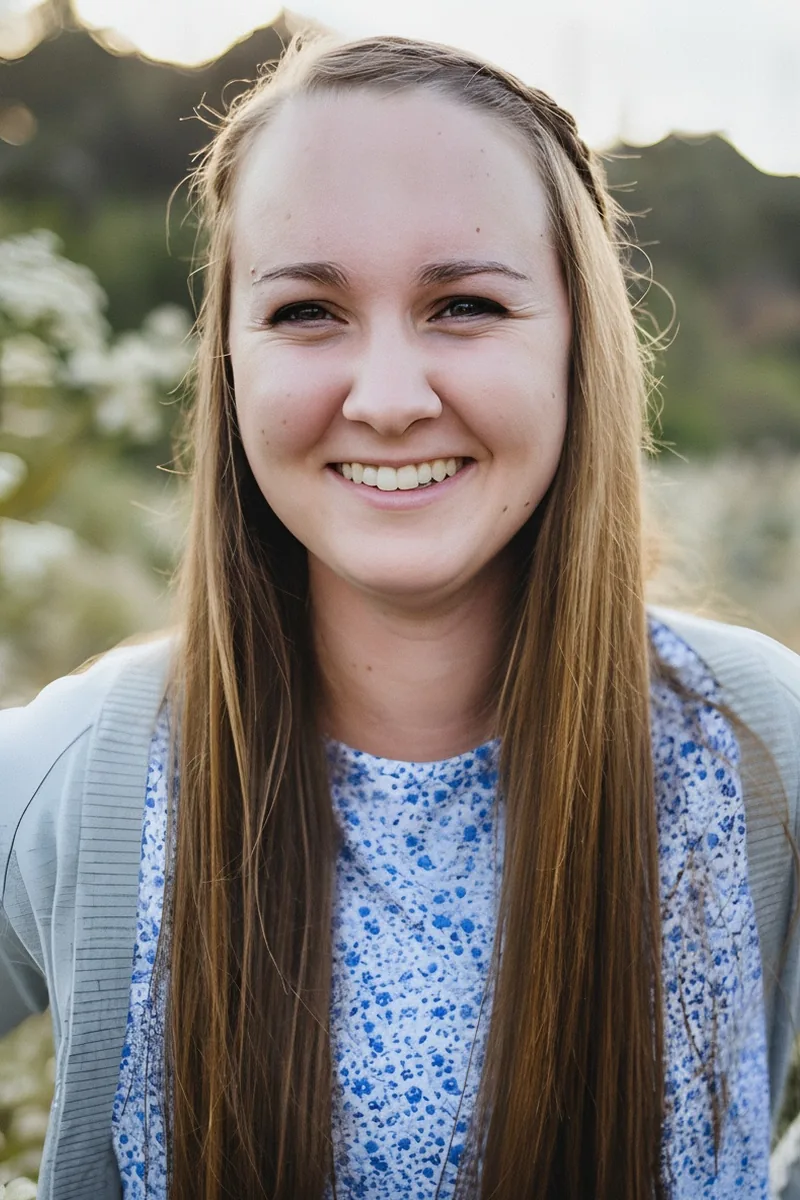
Living in Mexico for 18 months gave Heather something most history tutors lack — firsthand experience with how cultural context shapes the way events are remembered and taught differently across borders. She brings that cross-cultural awareness to topics like colonization, westward expansion, and U.S.-Latin American relations, teaching students to examine perspectives beyond the standard textbook narrative. Her education training at BYU also means she knows how to break dense historical material into manageable pieces for younger learners.
Having lived in seven different states across the U.S., Jared brings a sense of how geography, economics, and culture shape historical events — not just names and dates on a page. He teaches students to build arguments from primary sources and connect cause-and-effect chains across eras, which is the skill that actually shows up on exams.
As a biophysics student with a perfect 36 ACT, Benjin approaches history the way he approaches lab work — by asking what the evidence actually supports before jumping to conclusions. He teaches students to build arguments around primary sources and causal reasoning, skills that turn vague essay responses into sharp, well-supported claims. His perspective as someone still deep in coursework means he remembers exactly where historical analysis gets confusing and how to push past it.
Studying history at the intersection of humanitarian crises and policy — from immigration waves to refugee resettlement — Rachel approaches the subject as a series of cause-and-effect chains rather than isolated events to memorize. She teaches students to read primary sources critically and write analytical responses that connect evidence to argument.
An English major at BYU, Grace approaches history the way she approaches literature — by close-reading the texts themselves, whether that's a Lincoln speech, a treaty, or a wartime letter, and asking what the language reveals about the moment. That skill in textual analysis translates directly to document-based questions and source evaluation, where students need to do more than summarize what happened. She teaches students to build arguments from the words on the page, not just the events around them.
Seven years of tutoring remedial English and ESL gave Samantha something most history tutors lack — practice making complex texts accessible to students who struggle with academic language. She brings that same skill to history, where decoding a primary source or unpacking a dense textbook passage is often the real barrier before any analysis can happen. Her English teaching training at BYU keeps her anchored in close reading and argument-building, which is most of what history exams actually test.
Kendall treats history as an exercise in argument and evidence, not memorization of dates. She teaches students to read primary sources critically — asking who wrote it, why, and what's missing — which is exactly the skill that AP and college-level history courses reward. Her strong writing background also means she can coach the document-based and analytical essays that often determine final grades.
Taylor approaches history the way an engineer approaches a system — by breaking events into causes, mechanisms, and consequences rather than treating them as isolated facts to memorize. His broad coursework at BYU and natural curiosity about how things work translate well to analyzing historical patterns and constructing document-based arguments.
Though physics is Matthew's home turf, his Applied Physics training at BYU built a habit that transfers directly to history: pulling apart complex systems to figure out what caused what. He applies that same structured thinking to historical events, teaching students to trace how political, economic, and technological forces interact — and to turn that analysis into clear, well-supported essays.
Physics teaches you to ask what forces are acting on a system and predict what happens next — John brings that same causal thinking to history, where the forces are political, economic, and ideological but the reasoning process is identical. He's particularly effective at coaching students through essay prompts that require explaining *why* events unfolded as they did, since his physics training makes him instinctively build arguments around cause and effect rather than chronology. Rated 4.8 by students.
Applied math trains you to build models — to look at a messy system and identify which variables actually drive the outcome. Kacey brings that same instinct to history, teaching students to map out the political and economic pressures behind events like wars or revolutions so their essays explain causes rather than just retell a sequence. Rated 4.8 by students.
Growing up trilingual in English, Spanish, and Romanian gave Helaman an early immersion in how different cultures remember and narrate the same events — a perspective that sharpens how he teaches students to evaluate competing historical accounts and primary sources. His business administration training adds a practical dimension, pushing students to analyze the economic incentives and institutional pressures behind decisions like the New Deal or European colonization. Rated 4.9 by students.
Finance majors spend their time analyzing how money, markets, and incentives drive decision-making — and Jared brings that same instinct to history, particularly when unpacking events like industrialization, wartime economies, or the political consequences of fiscal policy. He's especially useful for students who struggle to move past memorizing dates and need a concrete framework for explaining causation in essays and DBQs. Rated 5.0 by students.
Computational mathematics might seem like an odd background for history, but Joseph's training in modeling complex systems translates well to tracing how multiple forces — economic pressures, cultural shifts, political rivalries — converge to produce a single historical outcome. He's particularly effective at teaching students to structure DBQ responses with clear causal reasoning rather than chronological retelling. Rated 5.0 by students.
Testimonials
Because the right History tutor makes all the difference.
Average Session Rating – Based on 3.4M Learner Ratings
Nearby History Tutors
Other Provo Tutors
Related Social Studies Tutors in Provo
Frequently Asked Questions
Many students struggle with memorizing dates and names without understanding the broader context and cause-and-effect relationships between events. Others find it difficult to analyze primary sources, construct evidence-based arguments, or connect historical concepts to modern issues. Personalized tutoring helps students move beyond memorization to develop critical thinking skills that make history more meaningful and easier to retain.
In a classroom with a 19.6:1 student-teacher ratio, it's challenging for teachers to address each student's unique learning pace and gaps. Personalized 1-on-1 instruction allows tutors to focus on your specific struggles—whether that's essay writing, timeline construction, or source analysis—and tailor explanations to your learning style. This targeted approach helps students build confidence and achieve measurable improvement in a fraction of the time.
Tutors work with students to understand their specific course requirements, textbooks, and teacher expectations across Utah's school districts. Whether you're studying Utah history, U.S. History, World History, or AP/IB courses, tutors can align instruction with your curriculum while also building deeper analytical skills. This ensures you're prepared for tests, essays, and class discussions while developing a stronger grasp of historical concepts.
Yes—essay writing is a critical skill in History courses, and many students struggle with thesis development, evidence integration, and historical argumentation. Tutors can guide you through the writing process, from analyzing the prompt and organizing ideas to revising drafts and strengthening your use of sources. With practice and feedback, you'll develop the ability to construct compelling historical arguments that earn stronger grades.
Tutors use evidence-based study strategies like spaced repetition, practice testing, and retrieval practice to help you retain information and apply it under exam conditions. For AP U.S. History, AP World History, or other standardized assessments, tutors can teach you how to manage time, analyze multiple-choice questions, and construct timed essays. This targeted preparation typically leads to measurable score improvements and greater test confidence.
Your first session is an opportunity for the tutor to understand your current level, specific challenges, and learning goals. They'll ask about your course, recent assignments, and areas where you're struggling—whether that's understanding a particular era, writing essays, or preparing for an exam. Together, you'll create a personalized plan focused on your priorities and establish a foundation for consistent progress.
Varsity Tutors connects you with expert tutors who have strong backgrounds in History and experience teaching students at your grade level. You can specify your needs—whether you need help with a specific unit, essay skills, or test prep—and we'll match you with someone who fits your learning style and schedule. The process is straightforward, and you can start personalized instruction quickly.
Source analysis is a key skill that separates strong History students from struggling ones. Tutors teach you frameworks for evaluating documents—such as considering the author's perspective, historical context, reliability, and bias—that transform how you read and interpret evidence. With guided practice on actual sources from your course, you'll develop the analytical skills needed for essays, DBQs (Document-Based Questions), and deeper historical understanding.
Let’s find your perfect tutor
Answer a few quick questions. We’ll recommend the right plan and match you with a top 5% tutor.