Award-Winning AP Biology Tutors
serving Ogden, UT
AP Biology
Tutors in Ogden
Private 1-on-1 tutoring, weekly live classes for academic support, test prep & enrichment, practice tests and diagnostics, and more to elevate grades and test scores.
Based on 3.4M Learner Ratings
UniversitiesSchools & Universities
DeliveredHours Delivered
ProficiencyGrowth in Proficiency
Who needs tutoring?
No obligation. Takes ~1 minute.
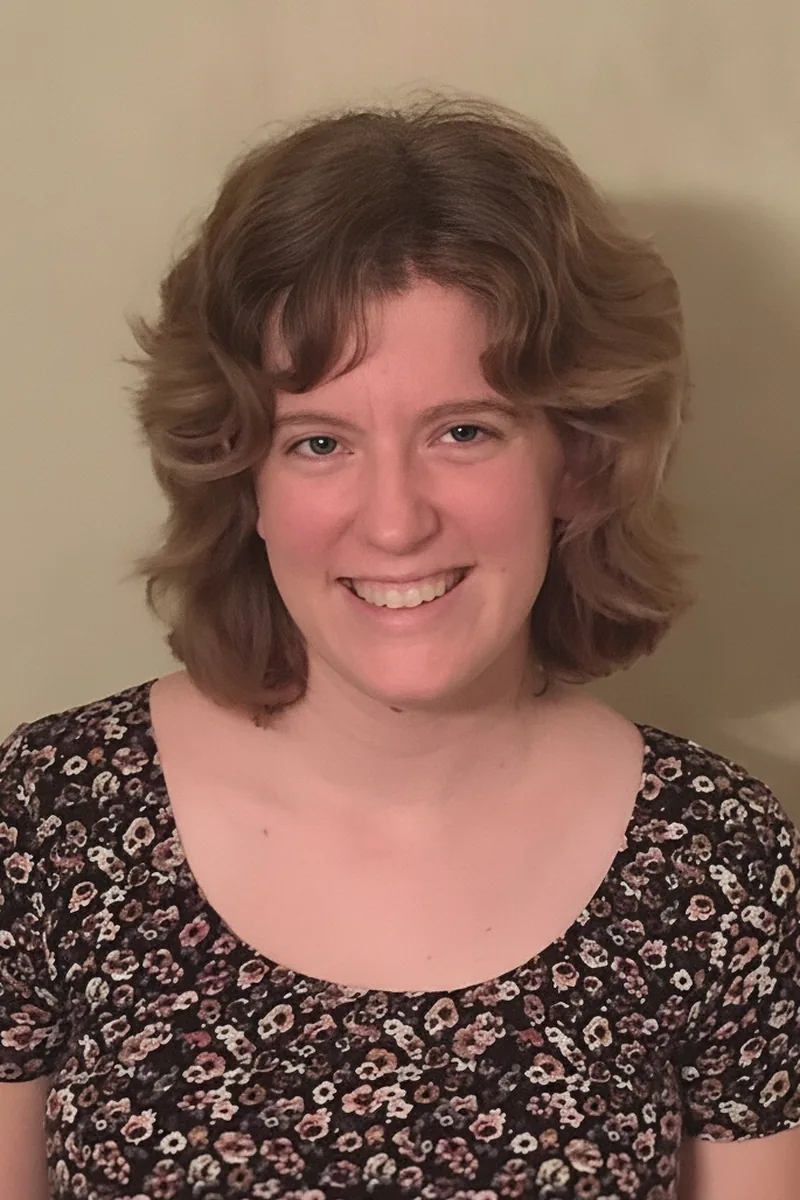
A PhD in biomedical engineering built on a biochemistry foundation means Kristina has spent years at the intersection of molecular biology and quantitative analysis — exactly the combination AP Bio demands when students need to interpret gel electrophoresis results or explain enzyme kinetics with real data. She's also stepping into a lecturing role for General Biology at Paul Quinn College, so she's actively organizing the same cellular processes and genetics content the exam covers into teachable, exam-ready frameworks. Rated 5.0 by students.

Biophysics at Rice means Aadith studies biological systems through a quantitative lens — analyzing protein folding energetics, membrane dynamics, and molecular interactions — which gives him an unusual edge on AP Bio's units covering macromolecule structure, enzyme kinetics, and cellular energetics. He's also actively taking biochemistry coursework alongside his physics major, so he can explain concepts like the chemiosmotic mechanism or allosteric regulation with the kind of molecular-level precision that earns full credit on free-response questions.
Teaching has been a lifelong passion of mine. What drives me is sharing knowledge while genuinely connecting with others. I discovered my love for tutoring in high school and have been dedicated to it ever since. At Stanford University, I earned a BS in Human Biology and Chemistry while continuing to tutor throughout, advancing to Lead Tutor. After graduation, I spent a year as a Teaching Associate, designing and delivering course content which significantly broadening my pedagogical approach. What sets me apart is my versatility. Having served as both tutor and instructor, I can adapt my teaching style to each student's unique needs, whether that be building up foundational skills or pursuing advanced mastery. I'm now pursuing graduate studies at The Johns Hopkins School of Medicine, staying engaged with cutting-edge science while maintaining my commitment to education. I look forward to helping you achieve your academic goals!
As a pre-med biosciences major at Rice University, Tegan is studying the same cellular processes, genetics, and ecological concepts that AP Bio covers — but at the college level, which means she can explain the *why* behind topics like enzyme kinetics or signal transduction rather than just the textbook summary. She's especially good at breaking down the plant biology and photosynthesis material that many students rush past, connecting light reactions and carbon fixation to the energy flow concepts the exam circles back to repeatedly. Rated 4.9 by students.
AP Bio covers an enormous range — from molecular genetics to ecosystem dynamics — and the exam tests whether students can apply concepts to unfamiliar experimental scenarios. JF's mathematical and computational science training at Stanford sharpens the data-analysis and graph-interpretation skills that the redesigned AP Bio exam leans on heavily. That analytical lens turns intimidating free-response questions into structured problem-solving exercises.
Few tutors bring a neuroscience specialization to AP Biology, which means Jhonatan can unpack signal transduction, membrane potentials, and nervous system physiology with a depth most students never get in the classroom. He also tackles the broader curriculum — from cellular respiration energetics to Hardy-Weinberg equilibrium — by tying each unit back to the four Big Ideas the exam is built around.
Rice University's biochemistry program is notoriously rigorous, and Michelle came out of it with a deep understanding of how molecular processes — protein folding, enzyme kinetics, gene regulation — drive the larger biological systems AP Bio tests at every level. Now in her second year of medical school at Baylor, she's actively applying concepts like metabolic pathways and cellular communication in clinical settings, which means she can teach students not just what happens during something like signal transduction, but why it matters physiologically.
Environmental science coursework gave Ethan an ecology-first perspective on biology — population dynamics, energy flow through ecosystems, and the interplay between organisms and their environments — which lines up directly with AP Bio's ecology and evolution units that many science-focused tutors breeze past. He also teaches AP Statistics, so he's unusually comfortable with the data interpretation and experimental design questions that trip students up on the exam. Rated 5.0 by students.
The free-response questions on the AP Bio exam reward students who can explain *why* a process works, not just label its steps — and Rebecca's biology degree means she's spent years building that kind of mechanistic thinking around topics like gene regulation, cellular energetics, and ecological dynamics. She also brings strong writing chops from her English and composition background, which turns out to be a real advantage when students need to construct clear, logical explanations under time pressure. Rated 5.0 by students.
Brown's Health and Human Biology concentration has Nova deep in the cellular and molecular content that AP Bio tests hardest — but her real edge is on the SAT Subject Test in Biology E/M, which means she's drilled the kind of rapid concept application the AP exam's multiple-choice section demands. She scored a 1530 SAT and holds a 5.0 rating, and she approaches the evolution and ecology units by tying them back to the human biology lens that makes abstract population dynamics feel concrete.
Between her teaching assistant role for introductory biology at Cornell and her active cancer immunotherapy research on melanoma, Annie lives the material that AP Biology tests. She digs into the toughest units — cell signaling, gene expression and regulation, energy pathways — with the kind of mechanistic detail that earns 4s and 5s on the exam.
Ellie's biomedical engineering coursework at Yale — plus her autism research in the School of Medicine — means she's working with the molecular and cellular biology that AP Bio tests at a level where she can explain not just what happens during signal transduction or gene regulation, but why it matters in a living system. She also tutors a Differential Equations course weekly, so she's comfortable with the quantitative reasoning behind chi-square problems and data analysis that trips up students on the exam's free-response sections. Rated 5.0 by students.
Nicolette's bioengineering degree from Rice meant she didn't just memorize biological systems — she had to model them, which is exactly the kind of mechanistic thinking AP Bio's free-response questions demand when students need to explain processes like signal transduction or feedback in gene regulation. Her engineering training makes her especially sharp at teaching students to reason through experimental design and data interpretation questions, where you have to connect variables to biological outcomes rather than just recall facts. Rated 5.0 by students.
Testimonials
Because the right AP Biology tutor makes all the difference.
Average Session Rating – Based on 3.4M Learner Ratings
Practice AP Biology
Free practice tests, flashcards, and AI tutoring for AP Biology
Nearby AP Biology Tutors
Other Ogden Tutors
Related Science Tutors in Ogden
Frequently Asked Questions
AP Biology covers eight major units: chemistry of life, cell structure and function, cellular transport, cell communication and division, heredity, gene expression, natural selection, and ecology. Each unit builds on foundational concepts, so understanding early topics like cell structure is critical for success with later units on genetics and evolution. A tutor can help you identify which units align with your school's pacing and prioritize your study time accordingly.
AP Biology scores range from 1 to 5, with a 3 considered passing and earning college credit at most institutions. Many competitive colleges prefer a 4 or 5. Your goal depends on your target schools and current understanding of the material—a tutor can assess your baseline knowledge and create a realistic improvement plan based on your starting point and timeline before the exam.
Students typically struggle most with photosynthesis and cellular respiration (the energy pathways), meiosis and genetics (tracking alleles and probability), and ecology (understanding population dynamics and ecosystem interactions). These topics require both conceptual understanding and the ability to apply knowledge to new scenarios. Personalized tutoring helps break down these complex processes step-by-step and connect them to exam question formats.
The exam has two sections: a 90-minute multiple-choice section (60 questions) and a 90-minute free-response section (6 questions combining short and long answers). Success requires both content mastery and familiarity with question formats—practice tests are essential for building pacing skills and identifying weak areas. A tutor can guide you through full-length practice exams, review your free-response answers for clarity and completeness, and help you manage time effectively on test day.
Test anxiety often stems from feeling unprepared or uncertain about question formats. Regular practice with full-length exams, targeted review of weak topics, and understanding exactly what each question type is asking can significantly reduce anxiety. Tutors help build confidence by creating a structured study plan, celebrating progress milestones, and teaching test-taking strategies like process of elimination and time management—so you feel genuinely ready on exam day.
Ideally, you should begin focused AP Biology prep 2-3 months before the exam, though this depends on your current understanding and exam date. A typical study schedule includes reviewing units as they're taught in class, completing practice problems weekly, and dedicating the final 4-6 weeks to full-length practice exams and targeted review. Varsity Tutors connects you with tutors who can build a personalized timeline based on your school's pacing and your goals.
Look for tutors with strong science backgrounds, AP Biology exam experience, and a track record helping students improve their scores. Ideally, they understand both the content deeply and the specific demands of the AP exam format. Varsity Tutors connects you with experienced tutors who know how to teach complex biological concepts clearly and help you develop the analytical skills the exam requires.
Your first session typically includes an assessment of your current knowledge, a review of your class syllabus and exam timeline, and a discussion of your goals and challenges. The tutor will identify which topics need the most work, explain their teaching approach, and create an initial study plan. This foundation helps ensure that every future session builds toward your specific AP Biology goals.
Let’s find your perfect tutor
Answer a few quick questions. We’ll recommend the right plan and match you with a top 5% tutor.