Award-Winning Essay Editing Tutors
serving Austin, TX
Essay Editing
Tutors in Austin
Private 1-on-1 tutoring, weekly live classes for academic support, test prep & enrichment, practice tests and diagnostics, and more to elevate grades and test scores.
Based on 3.4M Learner Ratings
UniversitiesSchools & Universities
DeliveredHours Delivered
ProficiencyGrowth in Proficiency
Who needs tutoring?
No obligation. Takes ~1 minute.
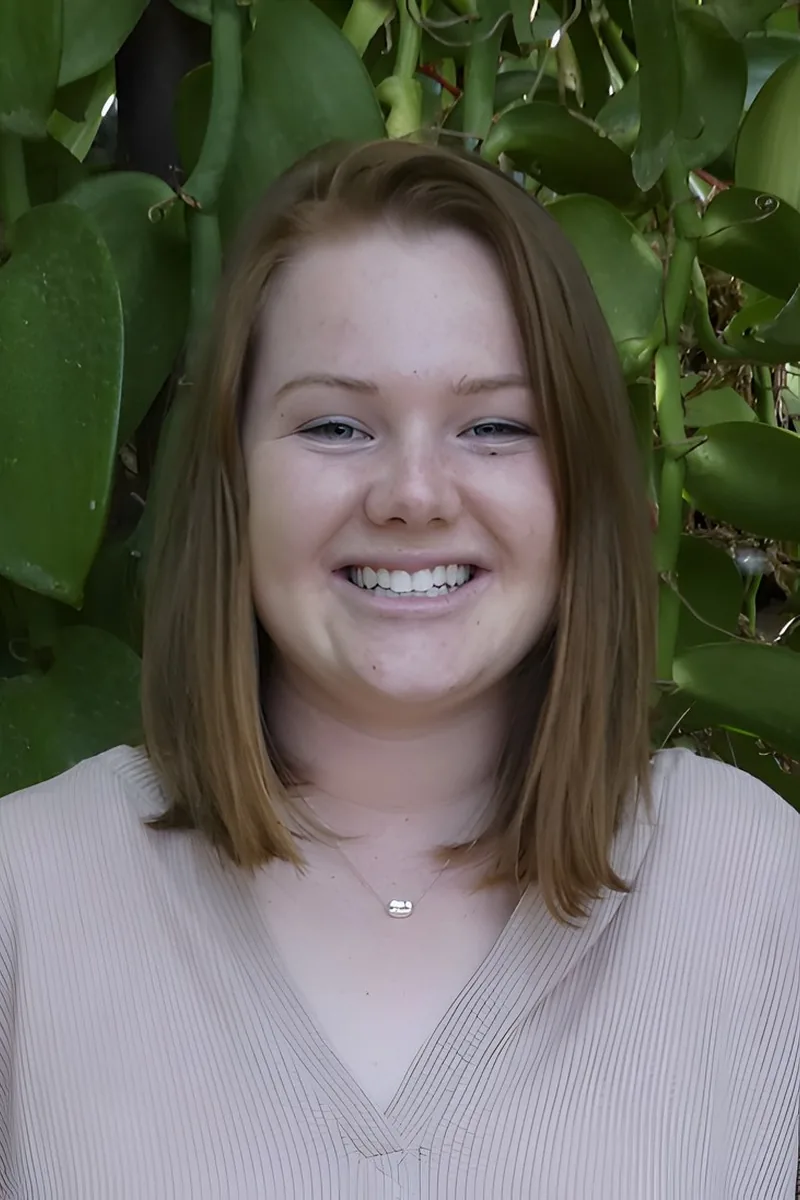
Good essay editing is more than fixing commas — it's about tightening an argument and making every paragraph earn its place. Mackenzie walks through drafts with a focus on thesis clarity, paragraph transitions, and cutting filler, drawing on her own extensive writing experience at Northwestern.
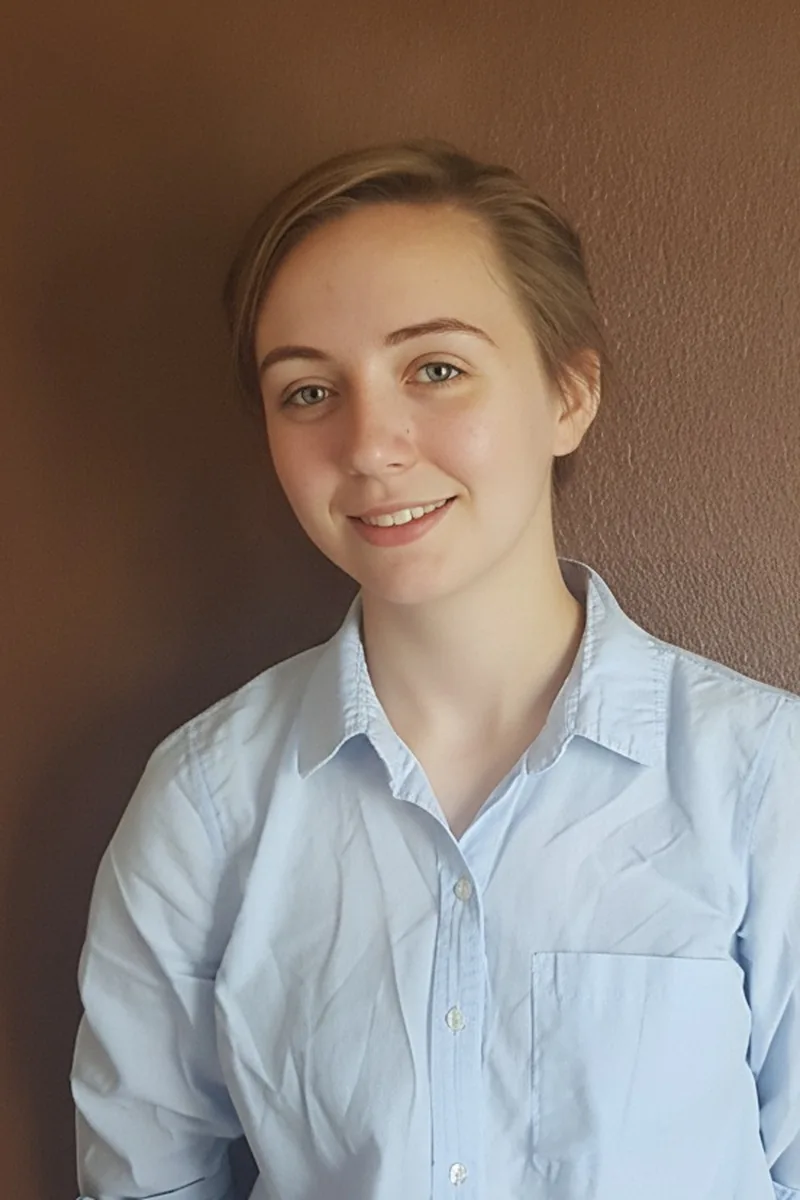
A rough draft and a polished essay are separated by revision skills most students were never explicitly taught — tightening thesis statements, restructuring paragraphs for logical flow, and cutting filler without losing voice. Meagen brings both a writer's instinct and a trained editor's eye from her English coursework at Carleton College, and she walks students through each round of revision so they learn to self-edit long after the session ends.
A strong essay often needs a reader who can spot where the argument drifts or where a paragraph earns its place — and where it doesn't. Paul's experience writing college essays, law school personal statements, and analytical papers across economics and the humanities makes him especially sharp at tightening structure, cutting filler, and strengthening thesis-level claims.
Good essay editing goes beyond catching comma splices — it means tightening an argument's structure so every paragraph earns its place. Rishi approaches drafts with an engineer's eye for logic, checking whether claims are supported, transitions hold, and the thesis actually threads through the whole piece. He's particularly effective at helping students reorganize ideas that are strong but scattered.
Good editing requires reading a draft the way a stranger would — catching where the logic jumps, where a sentence buries its point, where a paragraph earns its place or doesn't. Carter's interdisciplinary writing experience at Brown, from philosophy papers to literary arts projects, trained him to revise across genres and registers. He tackles everything from argument structure down to word-level precision.
Good essay editing isn't just fixing commas — it's restructuring an argument so the reader never gets lost. John's background in both English and dramatic writing gives him a sharp eye for thesis clarity, paragraph-level logic, and the kind of precise word choice that elevates a B paper to an A.
Good editing goes beyond fixing typos; it's about tightening arguments, cutting filler, and making sure every paragraph earns its place. Lisanne has spent years producing academic writing at the PhD level and knows how to spot where a draft loses its reader. She marks up essays with concrete, actionable feedback — not vague comments like "clarify this" — so students learn to self-edit over time.
Editing an essay is more than fixing commas — it's asking whether each paragraph earns its place and whether the argument actually moves forward. Asha brings the revision instincts she developed writing a doctoral dissertation, where every sentence had to withstand scrutiny, and applies that rigor to student papers at any level. Rated 5.0 by students.
Editing an essay is more than catching comma splices — it means evaluating whether each paragraph actually earns its place in the argument. Katelyn tackles revision at the structural level first, tightening thesis statements and improving paragraph transitions, before moving into sentence-level clarity and tone. Her background as a writer herself keeps her feedback concrete and actionable.
Editing an essay well requires seeing both the architecture and the individual bricks. Amy's doctoral work in linguistics trained her to diagnose structural issues — weak thesis statements, unclear transitions, arguments that drift — while also catching the sentence-level problems like passive constructions and vague pronoun references that erode a reader's trust.
A rough draft usually has a good idea buried somewhere — the challenge is excavating it and cutting everything that doesn't serve it. Jordan edits by first identifying what a piece is actually trying to say, then restructuring paragraphs and tightening sentences around that core argument. His medical training taught him to communicate complex ideas with precision, and that discipline carries directly into revision work.
Editing someone else's essay is a different skill than writing one; it requires reading for argument structure, logical gaps, and sentence-level clarity all at once. Jessalyn has spent years evaluating student writing at both UT Austin and St. Edward's University, so she can quickly pinpoint where a draft loses its reader and explain exactly how to fix it. She treats editing as a teachable craft, not just a round of red ink.
Good editing isn't just fixing commas — it's figuring out whether each paragraph actually advances the argument you think you're making. Anna has written extensively across disciplines from lab reports to policy briefs to graduate-level research, and she brings that range to editing academic essays, personal statements, and application materials. She teaches students to diagnose their own drafts so they stop making the same structural mistakes.
Graduate-level chemistry demands precise, well-organized writing — and Manpinder has spent years refining that skill across research papers, lab reports, and her own application essays. She applies that same rigor to essay editing, zeroing in on thesis clarity, paragraph-level logic, and transitions that actually move an argument forward.
Good editing is more than catching typos; it's about restructuring an argument so each paragraph earns its place. Lillian digs into thesis clarity, evidence integration, and transitions, then teaches students to spot those same issues on their own in future drafts. Her linguistics background makes her especially sharp on sentence-level revision.
Editing is about more than catching comma splices — it's about tightening an argument so every sentence earns its place. Bill spent years writing and reviewing executive communications, investor reports, and strategic proposals, and he applies that precision to student essays, showing exactly where a paragraph loses focus or a transition falls flat.
Editing is where Bridget's linguistics training really shines. She pinpoints issues in argument structure, sentence clarity, and transitions with the precision of someone who has studied how language actually works at the grammatical and discourse level — then explains the fix in plain terms so students can apply it independently next time.
A polished essay isn't about fixing commas — it's about tightening the argument so every paragraph earns its place. Natalie's English training at Cornell means she reads drafts the way a professor would, catching weak thesis statements, unclear transitions, and evidence that doesn't land. Rated 5.0 by students.
Good editing isn't just catching comma splices — it's restructuring an argument so each paragraph earns its place. Jackson sharpened this skill writing research papers and grant proposals at Stanford, and he walks students through revision at every level: tightening thesis statements, cutting redundancy, and making sure evidence actually supports the claim on the page.
Editing is more than fixing commas — it's learning to read your own writing with fresh eyes and ask whether each paragraph actually does what you intended. Leah's approach starts at the structural level, examining argument flow and paragraph transitions, before moving into sentence-level revision for clarity and style. Rated 4.9 by students, she draws on years of teaching college writing to pinpoint exactly where a draft loses its reader.
Good essay editing goes beyond circling grammar errors — it means reworking thesis clarity, tightening paragraph transitions, and cutting the filler that buries a writer's actual argument. Kathleen's English degree and current graduate work in education give her a sharp editorial eye, and she walks students through each revision so they internalize the fixes rather than just accepting tracked changes.
Good essay editing isn't just fixing commas — it's asking whether each paragraph earns its place. Howard's extensive experience revising college application essays and academic writing taught him to diagnose structural problems first, then tighten sentence-level clarity and tone. He gives concrete, actionable feedback rather than vague margin notes like "awkward" or "rephrase."
Editing someone else's essay is easy — editing your own requires learning to read your writing as a stranger would. Kristina teaches students a structured revision process: first tightening the argument and paragraph flow, then cutting redundancy, then cleaning up grammar at the sentence level. That layered approach keeps students from getting lost in comma fixes while their thesis still isn't working.
Editing an essay well requires more than catching comma splices — it means evaluating whether each paragraph actually earns its place in the argument. China approaches revision structurally, teaching students to audit their own thesis clarity, paragraph transitions, and evidence integration before polishing at the sentence level. Her 5.0 rating speaks to how much students value that systematic method.
Editing an essay isn't just about fixing commas — it's about figuring out whether each paragraph earns its place in the argument. Christina reads drafts the way a skeptical reader would, flagging where logic gaps or vague claims weaken the piece, then walks through concrete revisions rather than just marking problems. Her 4.9 rating speaks to how much students value that hands-on revision process.
Editing is where Alicia's design training becomes unexpectedly useful — she treats a draft the way she'd treat a blueprint, checking whether every element serves a purpose and whether the overall structure holds together. She digs into thesis clarity, paragraph transitions, and sentence-level precision, giving students concrete revisions rather than vague suggestions to 'make it flow better.'
A strong essay usually isn't far from a messy first draft — the difference is targeted revision. Anu walks students through restructuring arguments, tightening thesis statements, and cutting filler so that each paragraph earns its place. Her experience writing across biology, philosophy, and business gives her a sharp eye for clarity in any discipline.
Editing is a different skill than writing, and Jerry treats it that way — teaching students to read their own drafts with fresh eyes, diagnose structural problems before touching grammar, and tighten arguments paragraph by paragraph. Between his own writing at UT Austin and his experience mentoring younger students, he's developed a sharp editorial instinct for what's working in a piece and what isn't.
Gabriel treats essay editing as more than fixing commas — he reads for argument structure first, checking whether each paragraph earns its place and whether transitions actually connect ideas. Having written extensively across both science and humanities coursework, he spots gaps in logic and clarity that students often miss in their own drafts. His 5.0 rating speaks to how well this detail-oriented approach lands.
Harsh edits essays by starting with the argument's logic before touching a single sentence — if the thesis doesn't hold up, polishing the prose won't save it. Once the structure is sound, he zeroes in on transitions, paragraph cohesion, and the specific grammar patterns that trip students up most often. His approach turns editing from a vague "make it better" exercise into a concrete, repeatable process.
Strong editing is about more than catching comma splices — it's restructuring an argument so each paragraph earns its place. Whitney tackles essay editing by first identifying whether the thesis actually drives the paper, then tightening transitions, evidence integration, and sentence-level clarity. Her engineering background makes her especially effective at cutting unnecessary language and sharpening logical flow.
Editing is more than fixing commas — it's rethinking whether each paragraph actually earns its place in the argument. Tim reads drafts with an engineer's eye for structure, identifying where logic gaps, weak transitions, or buried thesis statements are holding a piece back. He then walks through targeted revisions so students learn to self-edit on future assignments.
Most students know their draft "needs work" but can't pinpoint why it feels off. Duy edits at the structural level first — examining whether the argument's logic holds, whether paragraphs earn their place, whether transitions do real work — before tightening sentences for clarity and style. His rhetoric training means feedback comes with explanations, not just red marks.
A clear thesis and airtight structure matter more than flowery language — that's the principle Atharva applies when editing student essays. He reads drafts with an engineer's eye for logical flow, flagging where arguments lose coherence, transitions feel forced, or evidence doesn't actually support the claim being made.
Clarity is everything in engineering writing, and Jake applies that same standard when editing essays — cutting vague language, tightening thesis statements, and restructuring paragraphs so each one earns its place. He marks up drafts with detailed comments that teach students to spot their own recurring issues in future writing.
A strong draft becomes a polished essay when someone can spot where the argument drifts, where transitions are missing, and where a sentence tries to do too much. Ehigbor edits with students rather than for them, explaining why a restructured paragraph or tightened thesis makes the whole piece more convincing. She holds a 5.0 rating.
Good editing is more than fixing commas — it's learning to hear where an argument loses momentum or where a paragraph buries its own point. Ria teaches students to revise at the structural level first, tightening thesis statements and transitions, before polishing sentence-level clarity and tone.
Good editing isn't just catching comma splices — it's figuring out whether each paragraph actually earns its place in the argument. Laila's logical training in mathematics gives her a sharp eye for structural problems like weak thesis statements, circular reasoning, and paragraphs that drift from their topic sentences.
Good essay editing isn't just fixing commas — it's rethinking structure, tightening arguments, and cutting what doesn't serve the thesis. Steve spent years crafting professional communications as an account manager at Crocs before earning his Language Arts teaching certification, so he brings both a business writer's efficiency and an English scholar's eye for style to every draft he reviews.
Most students know their essay "needs work" but can't pinpoint where. Rita reads drafts at two levels — first for argument structure and logical flow, then for sentence-level clarity, transitions, and word choice — so students leave each session with specific revisions and a sharper sense of their own writing patterns.
Testimonials
Because the right Essay Editing tutor makes all the difference.
Average Session Rating – Based on 3.4M Learner Ratings
Nearby Essay Editing Tutors
Other Austin Tutors
Related English Tutors in Austin
Frequently Asked Questions
Essay editing tutoring focuses on strengthening your writing through personalized feedback on structure, clarity, and argumentation. Tutors help you develop strong thesis statements, organize ideas logically, refine your voice and style, and master grammar and citation formats like MLA and APA. Whether you're working on literary analysis, persuasive essays, or research papers, tutoring addresses the specific weaknesses in your writing.
You'll work with a tutor who reviews your draft, identifies areas for improvement, and guides you through revision strategies rather than simply correcting errors. Tutors help you understand *why* changes strengthen your writing, so you develop stronger skills for future essays. Sessions typically focus on one or two key areas—like thesis clarity, paragraph organization, or argument development—so you make meaningful progress without feeling overwhelmed.
Austin students often struggle with organization (structuring ideas coherently), developing clear thesis statements, supporting claims with evidence, and managing writer's block. Many also need help with citation formats, balancing formal tone with personal voice, and understanding what teachers expect in literary analysis. Personalized tutoring targets your specific challenges, whether that's brainstorming, drafting, or polishing a final essay.
Bring a draft or outline of an essay you're working on, along with any assignment guidelines or rubric your teacher provided. If you don't have a current essay, bring a previous one so the tutor can assess your writing style and identify patterns to improve. Having specific examples helps tutors give targeted feedback from day one.
No—proofreading catches typos and grammar errors, while essay editing tutoring goes much deeper. Tutors help you strengthen your argument, improve organization, develop your unique voice, and understand the *reasoning* behind writing principles. This comprehensive approach builds skills that transfer to every essay you write, not just fixing surface-level issues in one paper.
Yes—literary analysis is a core focus of essay editing tutoring. Tutors help you move beyond plot summary to develop strong interpretive claims, support them with textual evidence, and analyze why specific word choices or literary devices matter. They also guide you in balancing close reading with broader themes, which is often where students struggle.
Many students notice stronger organization and clearer thesis statements after just 2-3 sessions. However, developing a more sophisticated writing voice and consistently applying revision strategies typically takes 4-6 weeks of regular practice. The key is applying feedback from your tutor to new essays, which reinforces the skills and builds lasting improvement.
Varsity Tutors connects you with expert tutors who specialize in essay editing and understand what Austin-area teachers expect. You'll be matched based on your specific needs—whether that's AP Literature, college application essays, or general writing skills—and can start personalized sessions right away. The process is straightforward: tell us what you're working on, and we'll find the right fit.
Let’s find your perfect tutor
Answer a few quick questions. We’ll recommend the right plan and match you with a top 5% tutor.