Award-Winning Essay Editing Tutors
serving Houston, TX
Essay Editing
Tutors in Houston
Private 1-on-1 tutoring, weekly live classes for academic support, test prep & enrichment, practice tests and diagnostics, and more to elevate grades and test scores.
Based on 3.4M Learner Ratings
UniversitiesSchools & Universities
DeliveredHours Delivered
ProficiencyGrowth in Proficiency
Who needs tutoring?
No obligation. Takes ~1 minute.
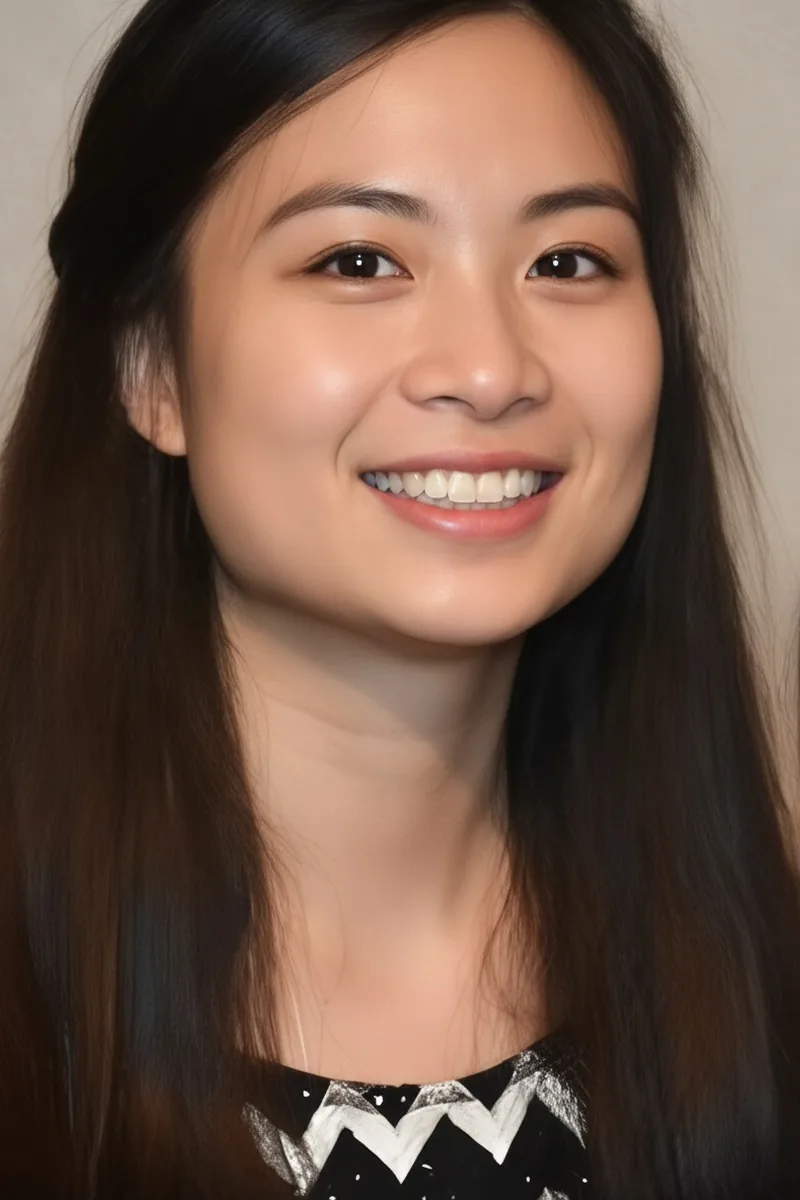
Editing isn't just about catching typos — it's about asking whether each paragraph earns its place in the argument. Michelle reads student drafts with an eye for logical flow, weak transitions, and claims that need stronger evidence. Her experience writing research papers in biochemistry and medical school personal statements gives her a sharp sense of when writing is precise and when it's just wordy.
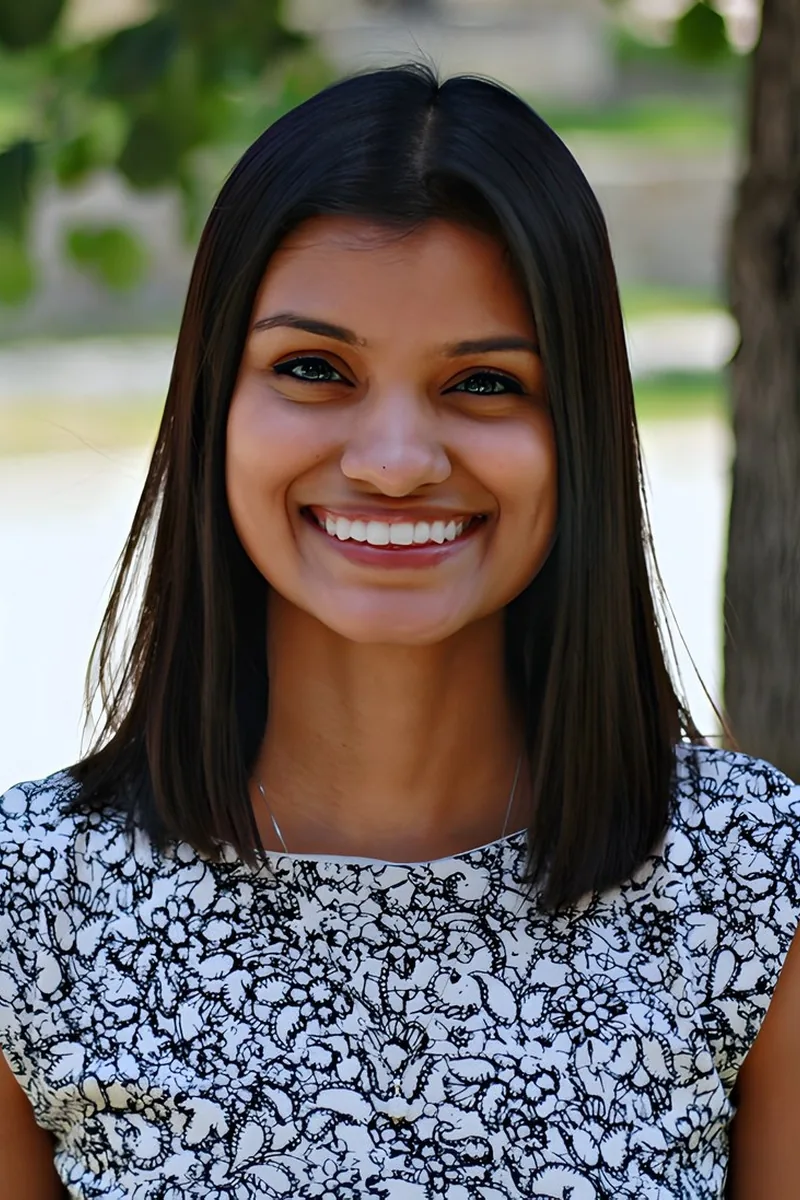
Editing isn't just about catching comma errors — it's about restructuring an argument so each paragraph earns its place. Sugi has reviewed and revised essays for dozens of college and medical school applicants, sharpening claims, tightening transitions, and cutting the filler that weakens otherwise strong writing. She approaches each draft with the same rigor she learned evaluating applications on admissions committees.
Good editing isn't about fixing commas — it's about figuring out whether a paragraph actually says what the writer intended. Elena sharpened this skill editing her own graduate research on Byzantine art, where imprecise language could derail a 30-page argument. She walks through essays at the structural level first, tightening thesis statements and transitions, before addressing sentence-level clarity and style.
Good essay editing isn't just catching comma splices — it's restructuring an argument so each paragraph earns its place. Aadith approaches drafts methodically, showing students how to tighten thesis statements, cut filler, and make evidence do real work in every sentence.
Good editing goes beyond fixing commas — it's about tightening an argument so every paragraph earns its place. William combines analytical rigor from his math and CS background at Rice with real experience reviewing peers' work, and he's particularly sharp at identifying where an essay's logic breaks down or where a stronger transition would carry the reader forward.
A good essay becomes a great one in revision, and Sajel approaches editing as a conversation about clarity, structure, and voice rather than just fixing commas. She zeroes in on weak thesis statements, underdeveloped paragraphs, and logical gaps — the structural issues that matter most but are hardest to spot in your own writing. Her experience with college-level writing at Rice means she knows what admissions officers and professors actually look for.
Good essay editing isn't just fixing commas — it's restructuring an argument so each paragraph earns its place. Alexander breaks the revision process into layers: first the thesis and overall logic, then paragraph transitions, and finally sentence-level clarity and grammar. His experience writing across math and humanities at Rice gives him a sharp eye for both analytical and narrative essays.
Editing is more than fixing commas — it's learning to see your own writing the way a reader does. Jessy walks through drafts at two levels: first the big-picture questions of argument, structure, and flow, then the sentence-level cleanup of clarity, grammar, and word choice. She's rated 5.0 and brings a writer's eye sharpened by her own extensive reading and writing practice.
A good essay edit isn't about fixing commas — it's about asking whether each paragraph earns its place in the argument. Adam approaches revision structurally, walking through thesis clarity, evidence integration, and logical flow before touching sentence-level polish. His background in cognitive science and extensive writing experience at Rice make him especially sharp at spotting where an argument loses the reader.
Good essay editing isn't just catching comma splices — it's restructuring a weak thesis, tightening paragraph transitions, and cutting sentences that don't earn their place. Vinson approaches revision systematically, teaching students to diagnose their own drafts so they can self-edit long after the session ends.
Good essay editing goes deeper than fixing commas and spelling; it means restructuring paragraphs so each one advances a single clear point. Liz reads drafts the way a reader would — flagging where arguments lose momentum, where transitions drop the thread, and where a stronger thesis statement could sharpen the entire piece. Her approach turns revision from a dreaded chore into the step where essays actually get good.
Good editing goes beyond fixing commas — it means evaluating whether each paragraph earns its place, whether transitions actually connect ideas, and whether the argument holds up under scrutiny. Emmanuel sharpened this skill writing research papers and personal statements for MD/PhD applications, where every sentence had to justify itself. He marks up drafts with specific, actionable feedback rather than vague suggestions to "clarify" or "expand."
Good editing is more than fixing typos; it means evaluating whether each paragraph earns its place and whether transitions actually connect ideas. Molly ran edits for student newspapers, so she approaches a draft the way a managing editor would — tightening thesis statements, flagging unsupported claims, and restructuring sections that lose the reader.
Editing isn't just fixing commas — it's asking whether each paragraph earns its place and whether the argument holds together from start to finish. Emily reads drafts at both the structural and sentence level, flagging weak thesis statements, unclear transitions, and spots where evidence doesn't match the claim. Her research background gives her a precise eye for whether writing actually says what the writer intended.
A draft that's 'pretty good' and a polished final essay often differ by just a few structural moves — tightening a thesis, cutting a paragraph that doesn't earn its place, or reworking transitions so the argument actually builds. Kendall approaches editing as a conversation about what the writer is really trying to say, then shows them how to make the page match that intention. Rated 4.9 by students.
A strong argument buried under unclear transitions and vague thesis statements is a fixable problem, and that's exactly what Jennifer zeros in on during editing sessions. She walks through each draft at two levels: big-picture organization and paragraph-level clarity, teaching students to self-edit rather than just accepting tracked changes.
Good essay editing goes beyond fixing comma splices and passive voice — it means restructuring an argument so each paragraph earns its place. Raj reads drafts with an eye for logical flow, flagging where evidence is thin or where a thesis quietly shifts midway through. His science background makes him especially sharp at catching gaps in reasoning.
A strong essay rarely emerges from a first draft, and Theresa approaches editing as a structured, repeatable process: tightening thesis statements, cutting filler, strengthening transitions, and ensuring every paragraph earns its place. Her experience writing research proposals and technical reports at Rice's Institute for Global Health taught her how to revise with purpose. She walks through each round of edits so students internalize the logic behind every change.
Most students know their essay needs work but can't articulate what's wrong — is it the thesis, the paragraph structure, or just the sentence-level clarity? Andria spent years editing high-stakes corporate communications at Novartis, and she brings that same diagnostic eye to student writing, identifying whether the real issue is organizational, argumentative, or stylistic before touching a single word.
A sharp essay editor needs to see both the argument's architecture and the sentence-level details, and Giovanna does both. She walks students through restructuring thesis statements, tightening paragraph transitions, and cutting filler — skills she honed editing peers at Penn's Tutoring Center and later coaching college applicants through sixteen-plus drafts of their own.
Editing an essay isn't just about fixing commas — it's about figuring out whether each paragraph actually earns its place in the argument. Mingee walks through structure, transitions, and clarity of claim before ever touching sentence-level polish, which is why her students end up with drafts that feel cohesive rather than patched together. Rated 5.0 by students.
A strong essay often has all the right ideas buried under unclear sentences and weak transitions — Natalie specializes in teaching students to spot those structural problems themselves. She walks through revision strategies like reverse outlining and paragraph-level diagnostics that turn messy drafts into focused arguments. Her experience editing everything from college application essays to refugee students' coursework gives her range across academic and personal writing styles.
Good editing is more than fixing commas — it's asking whether each paragraph earns its place and whether the argument actually builds. Caio approaches essay editing by first identifying what a draft is trying to say, then restructuring and tightening until the writing delivers on that promise. His background in sociology gives him particular strength with research-driven and argumentative papers.
Editing isn't just about catching comma splices — it's about hearing where an argument loses momentum or where a paragraph buries its own point. Amanda's curriculum-development background trained her to evaluate writing structurally, and she walks students through revision as a deliberate, repeatable process rather than a vague instruction to "make it better."
Editing a essay well means knowing what to cut as much as what to fix. Kenneth's legal writing background — where every sentence must survive scrutiny — trained him to spot weak thesis statements, redundant paragraphs, and transitions that don't actually transition. He walks through each draft with a focus on tightening argument and sharpening clarity.
A rough draft becomes a strong essay when someone can pinpoint exactly where the argument loses focus or the evidence thins out. Malcolm approaches editing at multiple levels — overall thesis and structure first, then paragraph-level transitions, then sentence clarity and word choice. As a Rice biochemistry student who also writes extensively, he knows how to tighten academic prose without flattening a student's voice.
Good editing requires reading someone else's writing on its own terms before reshaping it, and Jonathan — a dedicated writer and reader himself — knows how to do both. He zeroes in on structural issues like argument flow and paragraph transitions first, then moves to sentence-level clarity, so revisions feel purposeful rather than overwhelming.
Law school at the University of Chicago meant rewriting the same brief until every sentence carried its weight — and Erik applies that same revision discipline to student essays. He goes beyond surface-level grammar fixes to restructure arguments, tighten transitions, and sharpen thesis statements so the writing actually says what the student intends. Whether it's a five-paragraph response or a research paper, he treats editing as a teachable skill, not just a cleanup job.
Editing isn't just catching typos — it's rethinking paragraph structure, tightening arguments, and cutting the sentences a writer loves but the reader doesn't need. Jocelyn treats every draft as a conversation, marking up thesis clarity, transition logic, and evidence integration before touching a single comma. Writing and editing are her favorite work, and students consistently notice the difference in their final drafts.
Good essay editing goes beyond fixing comma errors; it means evaluating whether each paragraph earns its place and whether the argument actually progresses from one section to the next. Briana reads drafts at both the structural and sentence level, showing students how to tighten thesis statements, cut filler, and sharpen transitions so the final version reads like a deliberate piece of writing.
Strong essays aren't just error-free — they have a clear argument, logical flow, and sentences that earn their place. Chelsea's own writing spans engineering reports and creative work, so she edits for everything from thesis clarity and paragraph transitions down to grammar and word choice, showing students exactly why each change strengthens the piece.
A sharp essay needs more than correct sentences — it needs every paragraph pulling toward a single argument. Xavier edits for structure first, tightening thesis statements and trimming tangents before polishing at the sentence level. His experience writing college-level papers in computer science and the humanities gives him a cross-disciplinary eye for clarity and logic.
Good essay editing isn't just fixing commas — it's rethinking argument flow, cutting dead weight, and sharpening thesis statements until they actually say something. Jacob combines his writing instincts with the logical precision of a math PhD student, which makes him unusually good at spotting where an argument loses its thread.
Editing is more than catching typos — it means evaluating whether each paragraph actually advances the argument. Casey reads drafts at both the structural level (thesis clarity, paragraph transitions, logical flow) and the sentence level (word choice, concision, tone), giving concrete revision strategies instead of vague feedback.
A master's in Communications from the American University of Paris taught Sarah to revise prose until every sentence earns its place — cutting filler, sharpening transitions, and tightening arguments without losing the writer's voice. She applies that same editorial eye to student essays, whether the goal is a polished college application or a stronger research paper.
Editing isn't just about catching typos — it's about seeing where an argument loses its thread or where a paragraph is doing two jobs at once. Adi reads drafts the way a reader would, flagging spots where clarity breaks down and showing students how to restructure rather than just rephrase. His experience with both academic writing in economics and personal writing for college applications gives him range across essay types.
Good editing is more than catching typos — it's restructuring a paragraph so the argument actually lands, cutting filler sentences, and sharpening transitions between ideas. Frances reads drafts with an analytical eye trained at Rice, where her economics coursework demanded precise, evidence-based writing. She's rated 5.0 by students and treats each revision as a chance to teach the reasoning behind the changes.
Editing an essay well requires seeing both the forest and the trees — whether the thesis actually holds up and whether each comma is doing its job. Alexander's philosophy background makes him especially sharp at evaluating argument structure and logical flow, while his writing-intensive coursework at Rice keeps his grammar and style instincts current.
Good editing isn't just fixing commas — it's restructuring a paragraph so the argument lands, cutting the sentence that sounds smart but says nothing, and making sure every claim has evidence behind it. Roni sharpens essays at both the structural and sentence level, drawing on her experience writing technical reports at Brown and crafting her own successful college application essays.
Good essay editing goes beyond circling typos — it means reworking a muddled thesis, tightening paragraph transitions, and cutting sentences that sound impressive but say nothing. Joyce approaches each draft with that structural lens first, then moves into line-level revision for clarity, tone, and grammar. Her 4.8 rating speaks to how much students value that layered feedback.
Testimonials
Because the right Essay Editing tutor makes all the difference.
Average Session Rating – Based on 3.4M Learner Ratings
Nearby Essay Editing Tutors
Other Houston Tutors
Related English Tutors in Houston
Frequently Asked Questions
Essay editing tutoring focuses on refining your writing at every level—from thesis development and argument structure to sentence-level clarity and style. Tutors help you strengthen your main ideas, organize your thoughts logically, eliminate wordiness, and develop your unique voice. Whether you're working on persuasive essays, literary analysis, research papers, or creative writing, personalized instruction targets the specific areas where your writing needs the most improvement.
Typically, you'll share a draft or work in progress with your tutor, who provides detailed feedback on both big-picture elements (thesis clarity, argument flow, evidence support) and technical details (grammar, punctuation, word choice). Rather than simply correcting errors, tutors guide you through revision strategies so you understand why changes strengthen your writing. This collaborative approach helps you develop editing skills you can apply to future assignments independently.
Many students struggle with organizing ideas into a coherent structure, developing a strong thesis statement, or supporting arguments with relevant evidence. Others face writer's block, difficulty transitioning between ideas, or uncertainty about citation formats like MLA and APA. Personalized tutoring addresses whichever challenges are holding your writing back, whether that's brainstorming strategies, outlining techniques, or mastering the revision process.
Absolutely. Many students write in a flat, formulaic style because they're unsure how to balance academic conventions with their own voice. Tutors help you understand the difference between grammar rules (which are fixed) and style choices (which are flexible), then guide you in developing a distinctive voice appropriate to your audience and purpose. Through targeted feedback and revision practice, you'll gain confidence expressing your ideas clearly and compellingly.
Bring a writing sample you're currently working on or a recent essay you'd like to improve. If you have specific assignment guidelines or rubrics, those are helpful too. Your tutor will review your work, identify patterns in your writing, and create a personalized plan to address your biggest challenges—whether that's organization, argumentation, grammar, or something else entirely.
With over 945 schools across 45 school districts in the Houston area, students face varying writing expectations and standards. Personalized tutoring helps you meet your specific teacher's requirements, whether you're in a competitive magnet program or a traditional public school. Tutors familiar with common Houston curricula can also help you prepare for standardized writing assessments and develop skills that carry across all your classes.
Both, but with different emphasis depending on your needs. Grammar tutoring addresses rules like subject-verb agreement, comma usage, and sentence fragments. Style tutoring focuses on how you express ideas—word choice, sentence variety, tone, and flow. Most students benefit from attention to both areas; your tutor will diagnose which aspects need the most work and create a balanced approach to strengthen your overall writing.
Yes. Literary analysis requires both strong writing skills and close reading ability. Tutors help you develop thesis statements that go beyond plot summary, support interpretations with specific textual evidence, and construct arguments about theme, symbolism, or character. Whether you're analyzing poetry, novels, or drama, personalized instruction ensures your essays demonstrate genuine understanding and analytical thinking.
Let’s find your perfect tutor
Answer a few quick questions. We’ll recommend the right plan and match you with a top 5% tutor.