Award-Winning AP Spanish Language & Culture Tutors
serving Providence, RI
AP Spanish Language & Culture
Tutors in Providence
Private 1-on-1 tutoring, weekly live classes for academic support, test prep & enrichment, practice tests and diagnostics, and more to elevate grades and test scores.
Based on 3.4M Learner Ratings
UniversitiesSchools & Universities
DeliveredHours Delivered
ProficiencyGrowth in Proficiency
Who needs tutoring?
No obligation. Takes ~1 minute.
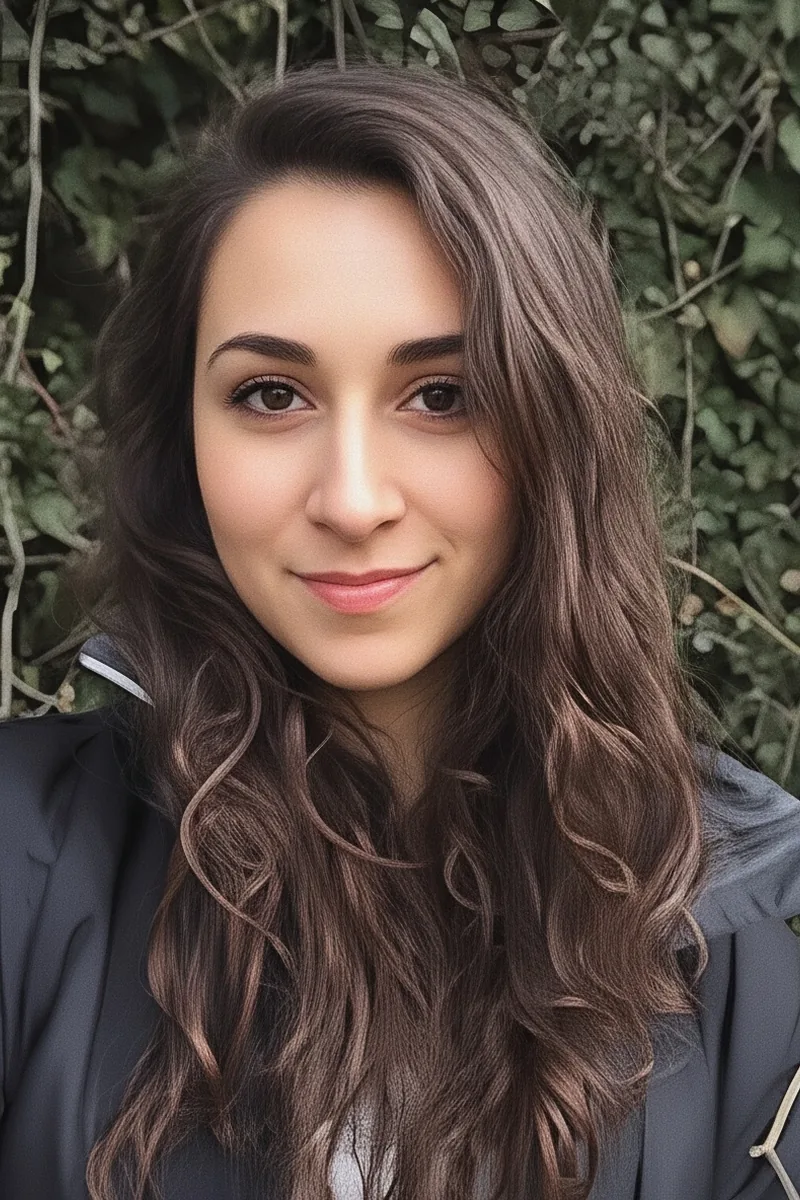
Born in Bolivia and fluent in Spanish from childhood, Geraldine brings native-level command to the AP Spanish Language & Culture exam's trickiest components: the persuasive essay, the cultural comparison, and the simulated conversation. She drills students on transitional phrases, formal register, and the specific cultural knowledge the College Board expects. Her familiarity with Latin American customs and idioms gives students an authentic reference point beyond the textbook.
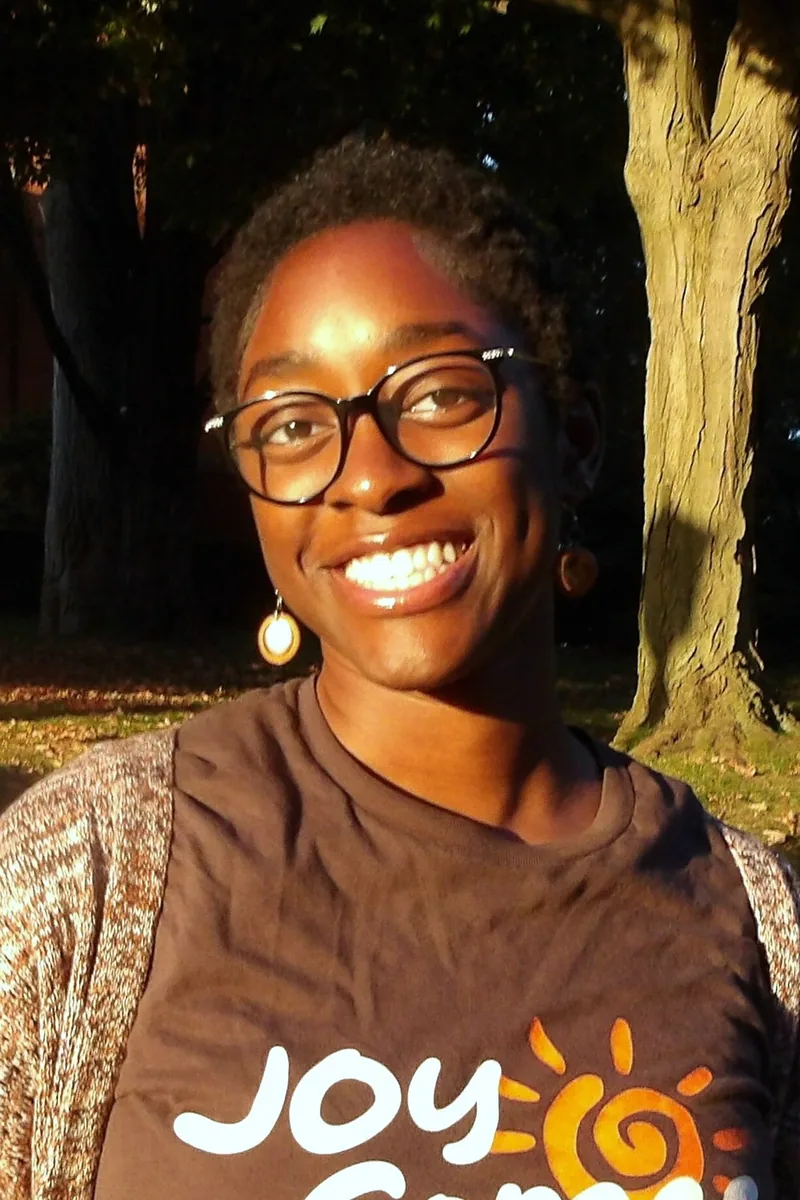
As a passionate person pursuing a Master's degree in Biotechnology from Brown University, I have over 2 years of tutoring experience in subjects such as AP Biology, AP Spanish Language & Culture, and Biostatistics. I believe in fostering a supportive and engaging learning environment where students feel comfortable exploring complex concepts and asking questions. My teaching philosophy centers on connecting the material to real-world applications, which ignites curiosity and enhances understanding. I am particularly motivated by the transformative power of education that encourages students. I take pride in helping students achieve their academic goals and discovery of self. Outside of tutoring, I enjoy exploring different cultures through travel and language, which enriches my approach to teaching Spanish, my double major in undergrad. I'm not afraid of the hard questions or difficult topics! I'm so excited to work with you. God bless!!
Native fluency changes everything in AP Spanish Language & Culture. Alex grew up speaking, reading, and writing Spanish at home, and his bilingual background means he can explain grammar from the inside — why the subjunctive feels natural in certain contexts, how register shifts between formal and informal speech, and what authentic source material actually sounds like. His English degree also sharpens the presentational writing and speaking skills the exam demands.
Between engineering coursework at Cornell and watching Russian news to stay sharp in her third language, Daria keeps her Spanish active by treating it as another system to master — grammar patterns, listening comprehension, and cultural context all get the same analytical rigor. She teaches both Spanish 1 and Spanish 2 alongside AP prep, so she knows exactly which foundational gaps trip students up on the exam's interpretive and presentational tasks. Rated 5.0 by students.
Scoring well on the AP Spanish Language exam means toggling fluently between reading comprehension, audio interpretation, and spontaneous spoken responses — skills that require more than grammar drills. Patrick builds students' confidence in each mode of communication by practicing with authentic sources like news articles, podcasts, and cultural essays, sharpening both accuracy and the natural flow that AP graders reward.
Corey trained as a total immersion instructor through the Ann Arbor Language Partnership and taught communicative Spanish in public schools for two years before moving to Nicaragua, where he used Spanish daily in professional and community settings. That real-world fluency shows up in how he prepares students for AP Spanish Language — tackling interpersonal speaking prompts, persuasive essays, and audio-source synthesis with the kind of cultural nuance the exam rewards. His background in cognitive science also informs how he teaches listening comprehension strategies that actually stick.
Sarah's English degree and SAT score of 1500 mean she's already wired for the kind of timed, source-based writing the AP Spanish exam throws at students in the persuasive essay — structuring an argument, synthesizing texts, and maintaining formal register under pressure. She teaches Spanish from level 1 through 4 and conversational Spanish, so she can spot whether a student's real bottleneck is subjunctive grammar or the rhetorical organization that separates a passing score from a strong one.
Molly holds degrees in Spanish from Columbia University, which gives her the academic grounding in grammar, composition, and literary analysis that AP Spanish Language & Culture's written and spoken tasks demand. Her classroom teaching experience across multiple grade levels means she quickly spots the structural weaknesses — verb tense confusion, weak transitions, underdeveloped cultural comparisons — that keep students from reaching a 4 or 5. Rated 5.0 by students.
Pursuing a language citation in Spanish at Harvard while studying African American Studies, Gabriela tackles the AP exam's cultural comparison task with a cross-cultural analytical instinct baked into her daily coursework. She teaches Spanish from level 1 through 4 and conversational Spanish, so she can zero in on whether a student needs to shore up subjunctive mechanics or sharpen their ability to construct a timed persuasive essay in formal register. Rated 5.0 by students.
While AP Spanish Language & Culture isn't Orlando's primary teaching area, his background in the arts and economics gives him a strong handle on the interpretive and presentational communication skills the exam demands — particularly the persuasive essay and cultural comparison tasks. He approaches language study with the same analytical rigor he brings to his core subjects, breaking down source materials and building argument structure.
Born in Colombia and raised speaking Spanish at home, Manuela brings native fluency to AP Spanish Language & Culture — but what sets her apart is her academic training in Romance Languages, which means she can explain the grammar rules she uses instinctively. She tackles the exam's trickiest components, like the persuasive essay and cultural comparison presentational speaking tasks, by drilling source synthesis and formal register. Her 5.0 rating speaks to how well that combination works.
Earning a doctorate in Spanish & Portuguese required Casey to operate at full academic fluency — presenting research, debating theory, and writing at the highest register. She channels that depth into AP Language prep, drilling students on the interpersonal speaking prompts, persuasive essay structures, and audio-source synthesis that make up the exam's trickiest sections.
Alex's chemical engineering and anthropology degrees from Washington and Lee make an unexpectedly useful pairing for AP Spanish — the engineering side builds systematic thinking about grammar structures like subjunctive triggers and pronoun placement, while the anthropology training sharpens the cultural analysis the exam's free-response prompts demand. He teaches Spanish 3 and 4, so he's already comfortable working at the level of complexity the AP exam expects in timed persuasive essays and spoken responses. Rated 4.8 by students.
Alex's tutoring background spans a wide range of academic subjects, but AP Spanish Language & Culture is not one of his primary areas of expertise. Students preparing for this exam should look for a tutor with demonstrated fluency in Spanish and specific experience with the interpersonal and presentational communication tasks the exam requires.
Testimonials
Because the right AP Spanish Language & Culture tutor makes all the difference.
Average Session Rating – Based on 3.4M Learner Ratings
Other Providence Tutors
Related Languages Tutors in Providence
Frequently Asked Questions
The AP Spanish Language & Culture exam tests your ability to communicate in Spanish across three modes: interpretive (reading, listening, and viewing), interpersonal (conversations and written exchanges), and presentational (speaking and writing). The exam includes multiple-choice sections on reading and listening comprehension, as well as free-response sections where you'll write emails, essays, and give oral presentations. Success requires not just grammar knowledge, but cultural understanding and the ability to think and respond in Spanish naturally.
Score improvement depends on your starting point and how consistently you practice, but students who work with personalized tutoring typically see measurable gains within 8-12 weeks of focused preparation. The biggest improvements usually come from identifying your specific weak areas—whether that's listening comprehension, verb conjugation under pressure, or cultural analysis—and targeting those systematically. A tutor can help you develop a study plan tailored to your needs and track progress through practice exams.
Many students struggle with the listening section because it moves quickly and covers varied accents and speech patterns—there's no time to re-read like you have with written passages. The free-response speaking tasks also challenge students who aren't used to thinking on their feet in Spanish. Additionally, students often underestimate the cultural component; the exam expects you to understand not just the language but the cultural context behind it. Working with a tutor on timed practice and real-world listening materials can help you build confidence in these areas.
Your first session focuses on understanding where you stand and what you need most. Expect to take a diagnostic assessment or discuss a recent practice exam—this helps identify whether you need to strengthen grammar foundations, improve listening skills, build speaking fluency, or refine test-taking strategies. Your tutor will also learn about your goals, timeline, and learning style so they can create a personalized study plan that fits your schedule and focuses on your biggest opportunities for improvement.
Most students benefit from starting tutoring 3-4 months before the exam, meeting 1-2 times per week for focused sessions. However, if you're starting closer to test day or have significant gaps to fill, more frequent sessions can accelerate progress. Between tutoring sessions, you'll want to dedicate 30-45 minutes daily to practice—working through practice questions, listening to Spanish media, and reviewing weak areas. Your tutor can guide you on how to use your study time most effectively.
Effective strategies include reading questions before listening to passages so you know what to focus on, using context clues to guess unfamiliar vocabulary rather than getting stuck, and managing your time carefully on the writing sections so you don't rush. For speaking tasks, planning your response for 30 seconds before speaking helps you organize your thoughts and minimize errors. A tutor can teach you these strategies and have you practice them repeatedly on real exam materials so they become automatic under pressure.
Look for tutors who have strong Spanish fluency (ideally native or near-native speakers), familiarity with the AP exam format and scoring rubrics, and experience helping students prepare for this specific test. It's also valuable if they understand the cultural components of the exam and can provide insight into different Spanish-speaking regions. When you connect with a tutor through Varsity Tutors, we match you with someone whose background and teaching style fit your needs.
Practice tests are essential—they help you understand the exam's pacing, question formats, and scoring rubrics while revealing your specific weak areas. Taking full-length practice exams under timed conditions also builds stamina and reduces test anxiety because you know what to expect. Your tutor can review your practice test results with you, identify patterns in your mistakes, and adjust your study plan accordingly. Most students see the biggest improvements when they combine regular tutoring with consistent practice test work.
Let’s find your perfect tutor
Answer a few quick questions. We’ll recommend the right plan and match you with a top 5% tutor.