Award-Winning College Chemistry Tutors
serving Providence, RI
College Chemistry
Tutors in Providence
Private 1-on-1 tutoring, weekly live classes for academic support, test prep & enrichment, practice tests and diagnostics, and more to elevate grades and test scores.
Based on 3.4M Learner Ratings
UniversitiesSchools & Universities
DeliveredHours Delivered
ProficiencyGrowth in Proficiency
Who needs tutoring?
No obligation. Takes ~1 minute.
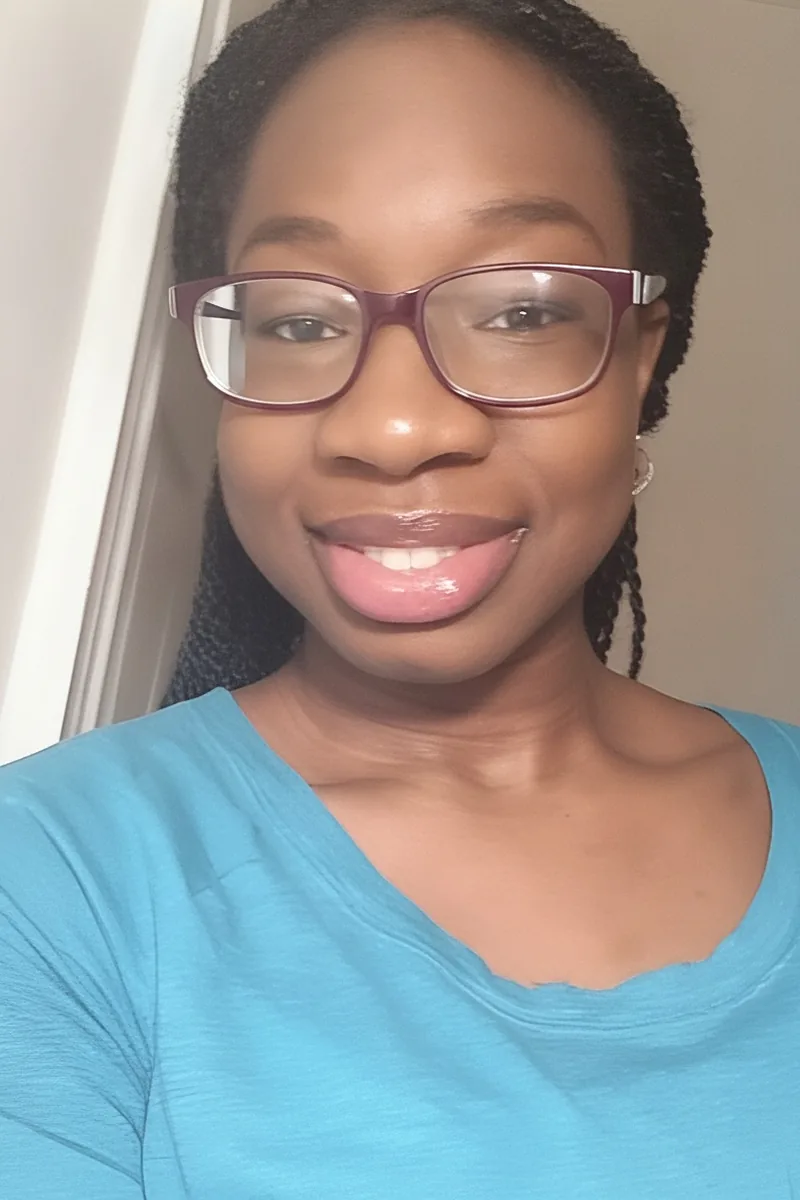
Earning a chemistry degree at Penn meant tackling thermodynamics, quantum mechanical models of atomic structure, and reaction kinetics at a rigorous level. Bintou breaks down college-level material by connecting abstract theory to concrete lab scenarios, making topics like equilibrium constants and molecular orbital diagrams easier to reason through.
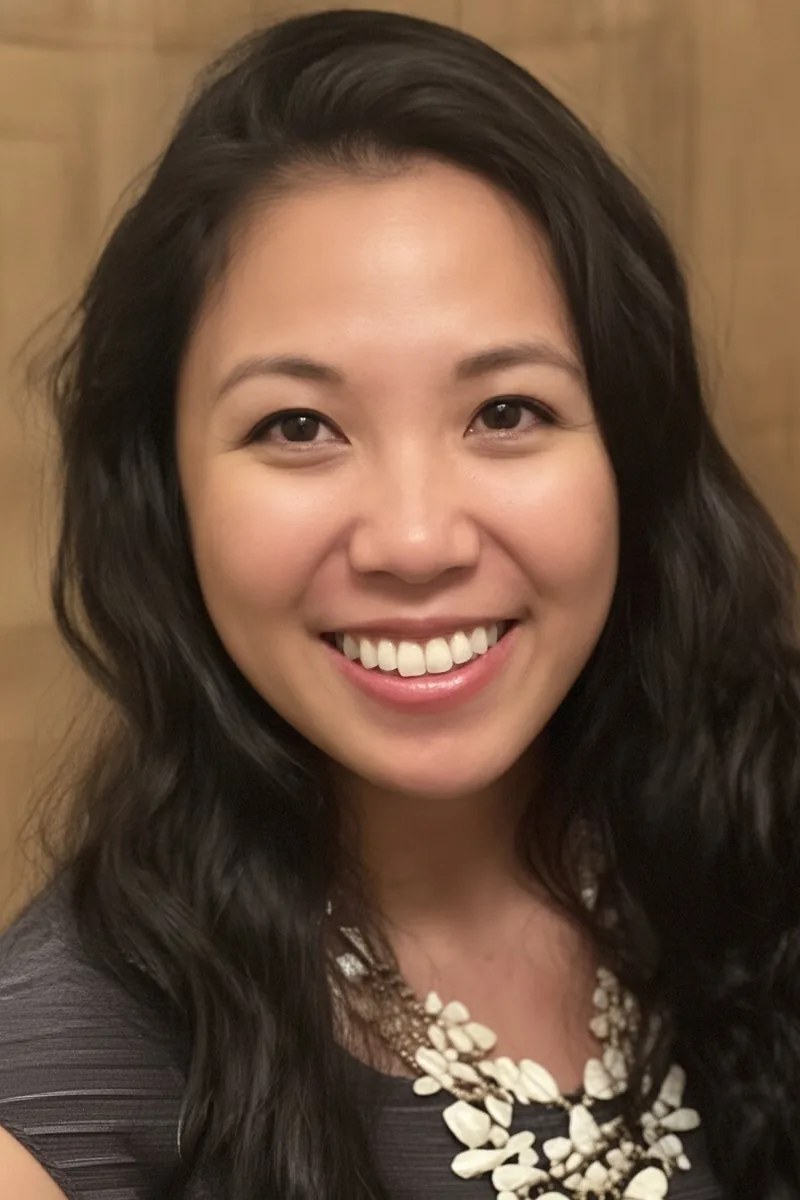
Cognitive Studies at Vanderbilt gave Vy an unusual angle on college chemistry — she understands how students actually learn and retain dense, concept-heavy material like electron configurations, equilibrium shifts, and thermodynamic laws, not just the content itself. She uses that awareness to structure explanations around how the brain organizes new information, which makes a real difference when a student is drowning in a fast-paced gen chem course. Holds a 5.0 rating.
Pre-med bio-psychology coursework at UCSB means Aaron has pushed through college chemistry the same way his students are — as a high-stakes prerequisite where every gap in stoichiometry or equilibrium shows up again in upper-division science courses. He talks through problems conversationally, pressing students to explain the reasoning back to him, which exposes shaky understanding far faster than just re-solving practice sets. Holds a 5.0 rating.
Fourth-year med student at Albert Einstein College of Medicine, Michael has been applying gen chem principles — acid-base chemistry, reaction thermodynamics, solution behavior — in clinical and biochemical contexts for years, which means he can explain not just how to solve a problem but where that concept resurfaces later. His biology degree from Yeshiva College (summa cum laude) and time teaching MCAT prep for Kaplan gave him practice breaking down the exact topics that trip up college chemistry students: stoichiometry setups, equilibrium expressions, and the leap from qualitative reasoning to quantitative problem-solving.
Though political science was her major at the University of Chicago, Asta's tutoring work across both chemistry and quantitative subjects means she's spent real time breaking down the conceptual hurdles in gen chem — balancing equations, working through mole conversions, and making sense of reaction types. Her 5.0 rating speaks to an approach that's honest about meeting the material on its own terms rather than pretending expertise she doesn't have, which students in a tough prerequisite course tend to trust more, not less.
Being a Genetics Head Teaching Assistant at Brown while on the immunobiology track means Jessica has applied gen chem concepts like molecular interactions, reaction energetics, and acid-base chemistry in biological contexts where getting the fundamentals wrong isn't an option. She tackles college chemistry problems by pinpointing whether a student is stuck on the concept or the calculation — a distinction her years in math tutoring centers and science labs taught her to spot quickly. Rated 5.0 by students.
A chemistry minor at Duke alongside her biology major, Lenique spent years working through thermodynamics, equilibrium, and reaction kinetics at a level that prepared her for the rigors of medical school at Yale. She breaks down tough concepts like molecular orbital theory and acid-base chemistry by connecting them to real biological systems, which makes abstract ideas click faster.
Working in a Yale research lab with tools like CRISPR-Cas9 means Matthew encounters gen chem principles — reaction kinetics, molecular interactions, buffer systems — in live experimental contexts, which sharpens how he explains them back at the introductory level. His biochemistry and molecular biology coursework built fluency with the bridge between general chemistry and its applications, so he can show students exactly why mastering something like equilibrium or thermochemistry pays off two courses down the road. Holds a 5.0 rating.
Balancing redox equations, predicting reaction spontaneity with Gibbs free energy, working through equilibrium problems — these are the topics that trip up most college chemistry students. Laura tackles them daily as a biology major at WashU, where the pre-med chemistry sequence demands real fluency with thermodynamics, kinetics, and acid-base chemistry. Rated 5.0 by students, she breaks down quantitative problems into clear, logical steps.
Sung earned his B.S. in Chemistry, which means he can unpack topics like thermodynamics, equilibrium constants, and molecular orbital theory with real depth rather than surface-level definitions. He connects abstract concepts — like why Gibbs free energy determines spontaneity — to concrete problem-solving strategies that stick. Rated 5.0 by students.
Tackling college chemistry topics like thermodynamics, kinetics, and electrochemistry is second nature for Greg, whose chemical engineering major at Vanderbilt requires him to apply these concepts in advanced contexts every semester. He breaks down intimidating derivations and multi-step problems by connecting them to the underlying physical intuition rather than treating each formula as something to memorize.
Thermodynamics is Rahul's favorite corner of chemistry — and as a Cornell chemical engineering graduate (magna cum laude), he's applied concepts like enthalpy, Gibbs free energy, and reaction spontaneity far beyond the gen chem textbook, through upper-level coursework in physical chemistry and process design. He pushes students to grasp the conceptual reasoning behind each problem before touching the math, so topics like calorimetry and equilibrium stop feeling like disconnected formula exercises. Rated 4.9 by students.
Second-year med student at Baylor College of Medicine, Michelle still remembers exactly which gen chem concepts — electron orbitals, buffer systems, reaction thermodynamics — became non-negotiable once biochemistry and physiology started building on them. Her Rice biochemistry degree means she learned college chemistry at a place where the coursework was rigorous enough to expose every shortcut that doesn't hold up, and she teaches accordingly: precise on the fundamentals so nothing collapses later.
Testimonials
Because the right College Chemistry tutor makes all the difference.
Average Session Rating – Based on 3.4M Learner Ratings
Other Providence Tutors
Related Science Tutors in Providence
Frequently Asked Questions
College Chemistry jumps significantly in rigor compared to high school—students often struggle with balancing equations, unit conversions, and connecting abstract molecular concepts to real-world applications. Many students also find it difficult to transition from memorizing facts to developing deeper scientific reasoning skills. Personalized 1-on-1 instruction helps break down these complex topics and build the conceptual understanding needed to succeed.
Yes. Expert tutors can help you understand the scientific method, interpret experimental data, and write clear lab reports that demonstrate your understanding of concepts. They can also review your experimental design and help you troubleshoot when results don't match expectations—a crucial part of developing real scientific thinking skills.
Many College Chemistry students struggle to picture molecular structures, reaction mechanisms, and bonding at the atomic level. Tutors use multiple approaches—drawing molecular diagrams, using 3D models, working through step-by-step mechanisms, and connecting abstract concepts to tangible real-world examples—to help you build mental models that stick. This visual understanding transforms Chemistry from abstract symbols on a page into concrete science you can grasp.
Your first session is about understanding your specific challenges and learning style. Tutors will assess where you're struggling—whether it's stoichiometry, thermodynamics, or lab work—and discuss your goals for the course. From there, they'll create a personalized plan to target your weak areas and build confidence in College Chemistry.
Expert tutors help you move beyond memorization to true understanding—they work through practice problems, review concepts you find confusing, and teach you strategies for tackling complex multi-step problems under time pressure. They also help you identify patterns in question types and develop the problem-solving approach that works best for you.
Memorizing formulas might get you through a quiz, but College Chemistry requires understanding why reactions happen and how to apply concepts to new situations. Tutors focus on building that deeper comprehension—explaining the 'why' behind reactions, connecting concepts across units, and teaching you to think like a scientist. This approach not only improves grades but prepares you for advanced courses and chemistry-related careers.
Varsity Tutors connects you with expert tutors who have strong Chemistry backgrounds and experience teaching at the college level. The matching process considers your specific needs, schedule, and learning style to find the right fit. You'll work with someone who understands College Chemistry deeply and knows how to explain complex concepts clearly.
Yes. Tutors offer flexible scheduling to fit your busy college life—whether you need help before an exam, weekly sessions throughout the semester, or intensive support during particularly challenging units. You can adjust your schedule as your needs change, making it easy to get help exactly when you need it most.
Let’s find your perfect tutor
Answer a few quick questions. We’ll recommend the right plan and match you with a top 5% tutor.