Award-Winning Japanese Tutors
serving Harrisburg, PA
Japanese
Tutors in Harrisburg
Private 1-on-1 tutoring, weekly live classes for academic support, test prep & enrichment, practice tests and diagnostics, and more to elevate grades and test scores.
Based on 3.4M Learner Ratings
UniversitiesSchools & Universities
DeliveredHours Delivered
ProficiencyGrowth in Proficiency
Who needs tutoring?
No obligation. Takes ~1 minute.

Jacob's degree in East Asian Languages and Civilizations from the University of Chicago means his Japanese instruction is rooted in deep study of the culture, history, and linguistic traditions behind the language. He connects vocabulary and grammar to their cultural logic — explaining why certain verb endings carry social weight or how kanji compounds reflect Chinese origins — giving students a richer understanding than drills alone provide. Rated 5.0 by students.
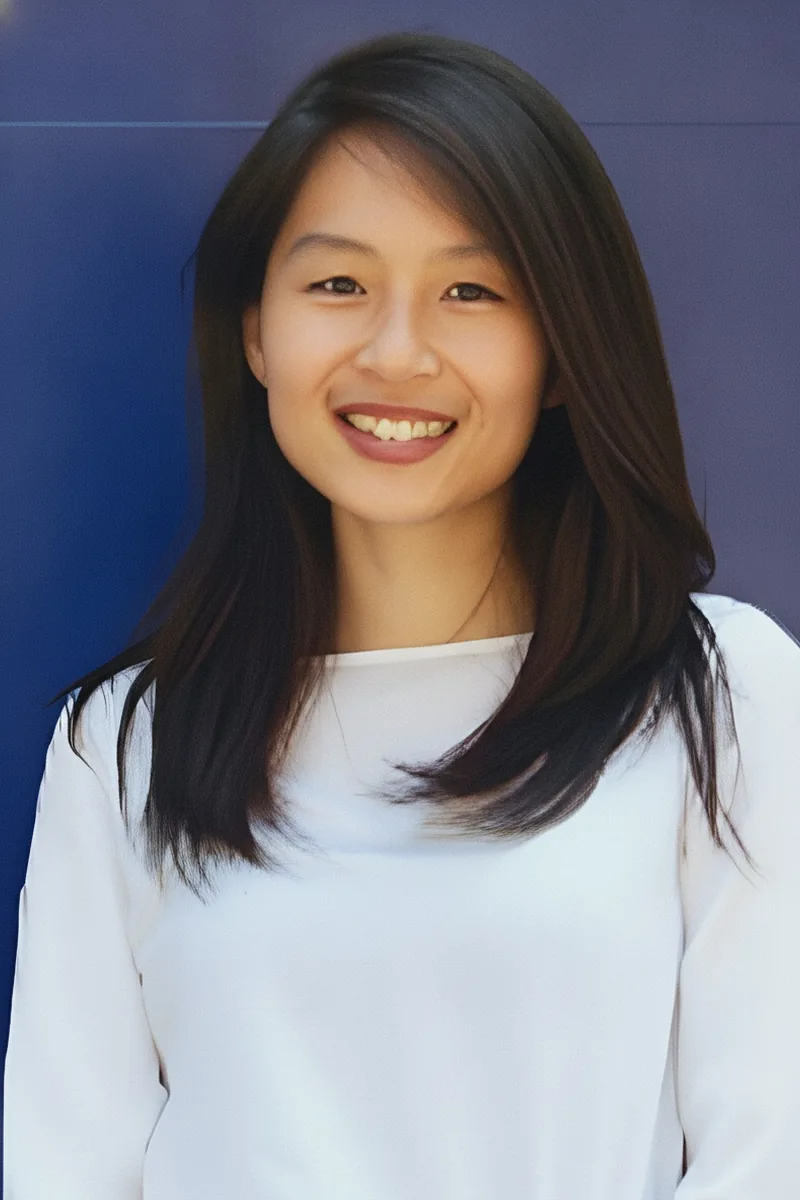
I am open to tutoring in a broad range of subjects, including Algebra, Spanish I/II, ESL and Biology (SAT II, AP, and MCAT).
Though her degrees are in biology and science education, Sarah lists Japanese among her interests and brings a teacher's instinct for breaking complex systems into learnable parts — useful when students are wrestling with hiragana stroke order or the logic behind particle placement. Her 5.0 rating and four years of classroom teaching mean she knows how to pace a lesson and adjust when something isn't landing.
I am motivated in addressing the disparities in educational equity here in the Twin Cities, particularly for students of color and students of differing socio-economic backgrounds. I work to build strong relationships with students to determine the strengths and knowledge they bring to the table.
I would like to work with people who want to advance their Japanese knowledge and capabilities. I have lived for 18 years in Japan and can guide someone through the intricacies of the language. I have certified top level proficiency on the Japan Foundation Japanese Proficiency Test.
I'm back at school at NYU, studying for a more general liberal arts degree.
Cori is pursuing a Japanese minor at MIT, which means she's actively working through the grammar structures, kanji readings, and particle usage that trip up most learners. That proximity to the learning process gives her a practical sense of what sticks and what needs extra repetition.
An Asian Studies degree gave Andrew sustained exposure to Japanese language and culture throughout his undergraduate work, and he pairs that academic grounding with fluency in Mandarin Chinese to bring a comparative lens to East Asian language learning. He's particularly good at creating a low-pressure environment for speaking and reading practice — the kind of space where students actually start producing sentences instead of freezing up over perfect particle placement.
Between his East Asian Studies major at Harvard, his presidency of the Harvard College Japan Initiative, and his work in the Yenching Library's Japanese Collection, Shane lives and breathes Japanese. He reads novels and plays games in Japanese for fun, which means he teaches the language the way it's actually used — from kanji recognition and particle usage to the register shifts that textbooks barely cover.
Learning Japanese means juggling three writing systems, unfamiliar grammar structures, and a set of politeness registers that don't exist in English. Katharine brings a methodical, pattern-oriented mindset to breaking down concepts like particle usage, verb conjugation groups, and kanji radicals so that each lesson builds logically on the last.
Learning Japanese means juggling three writing systems, honorific levels, and grammar that works nothing like English — and Karen tackles all of it from firsthand experience using the language abroad. Whether a student is memorizing their first hundred kanji or practicing particle usage in complex sentences, she builds each lesson around practical communication skills.
Learning Japanese means juggling three writing systems, unfamiliar sentence structures, and layers of politeness that don't exist in English. Aki breaks down hiragana, katakana, and basic kanji recognition alongside grammar patterns like particle usage and verb conjugation, building reading and conversational skills in parallel.
I am an experienced tutor and teacher from Okinawa, Japan who recently graduated from Brown University and now lives in Brooklyn.
During his final summer at NYU, William traveled to Japan to study the language alongside traditional music and wartime film, grounding his Japanese in real cultural context. That immersive experience means he connects vocabulary and grammar to the situations where they're actually used — from reading signs and menus to discussing historical texts. He's especially strong at bridging the gap between textbook Japanese and how the language sounds in practice.
Testimonials
Because the right Japanese tutor makes all the difference.
Average Session Rating – Based on 3.4M Learner Ratings
Other Harrisburg Tutors
Related Languages Tutors in Harrisburg
Frequently Asked Questions
Fluency in Japanese is a gradual process that depends on your starting level and study intensity. The U.S. Foreign Service Institute estimates around 2,200 hours of study to reach professional proficiency in Japanese—roughly 1-2 years of consistent, dedicated learning. With personalized 1-on-1 instruction focused on your specific goals, you can accelerate progress by targeting the skills that matter most to you, whether that's conversational ability, reading comprehension, or business communication.
In a typical Harrisburg classroom, students get limited opportunities to speak Japanese aloud—often just a few minutes per class period. With personalized 1-on-1 instruction, you get consistent, uninterrupted speaking practice tailored to your level and interests. Tutors can correct your pronunciation and grammar in real-time, model natural conversation patterns, and adjust the pace to keep you challenged without overwhelming you, which accelerates your ability to think and respond in Japanese naturally.
The most effective approach combines both, but the balance depends on your goals. If you want to communicate quickly, starting with high-frequency phrases and conversational patterns helps you build confidence and have real interactions early on. Grammar rules then provide the structure to expand beyond memorized phrases and understand why sentences work the way they do. A tutor can customize your learning path—whether you're aiming for casual conversation, academic Japanese, or business communication—so you learn grammar in context rather than in isolation.
Vocabulary retention improves dramatically with spaced repetition—reviewing words at increasing intervals over time—combined with active use in conversation and writing. Kanji learning is most effective when you learn the radicals (building blocks) and practice writing in context rather than memorizing lists. Personalized tutoring helps you build a system that works for your learning style, whether that's through flashcards, writing practice, conversation, or immersion-style activities, and tutors can keep you accountable to consistent review habits.
Japanese verb conjugation follows consistent patterns once you understand the underlying system—regular verbs (godan and ichidan) follow predictable rules, and irregular verbs are few. Rather than memorizing tables, learning the logic behind conjugations and then practicing them in real sentences helps them stick. Working with a tutor, you can focus on the conjugations you actually use in conversation, get immediate feedback when you make mistakes, and gradually build automaticity through repeated, meaningful practice rather than rote memorization.
Absolutely. Understanding Japanese culture—from politeness levels and social hierarchies to holidays, traditions, and media—gives context to why certain phrases and grammar structures exist. For example, knowing about keigo (formal/respectful language) helps you understand why there are multiple ways to say the same thing depending on your relationship to the listener. Tutors often weave cultural insights into lessons, making the language more meaningful and memorable while helping you communicate appropriately in different social contexts.
Your first session is about getting to know each other and understanding your goals. Expect to discuss why you're learning Japanese, what you've already studied (if anything), and what you hope to achieve—whether that's passing an AP Japanese exam, conversing with family, or preparing for a trip. The tutor will assess your current level across reading, writing, speaking, and listening, then create a personalized plan that fits your timeline and learning style. This foundation ensures your tutoring is focused and effective from day one.
Look for tutors who have native or near-native fluency, ideally with experience living in Japan or formal training in Japanese language instruction. Teaching credentials, experience with different proficiency levels, and familiarity with Japanese curriculum standards (like AP Japanese or JLPT preparation) are valuable. Varsity Tutors connects you with expert tutors who match your specific needs—whether you need someone skilled in conversational Japanese, test prep, or business communication—so you're learning from someone qualified to help you reach your goals.
Let’s find your perfect tutor
Answer a few quick questions. We’ll recommend the right plan and match you with a top 5% tutor.