Award-Winning Computer Science Tutors
serving Harrisburg, PA
Computer Science
Tutors in Harrisburg
Private 1-on-1 tutoring, weekly live classes for academic support, test prep & enrichment, practice tests and diagnostics, and more to elevate grades and test scores.
Based on 3.4M Learner Ratings
UniversitiesSchools & Universities
DeliveredHours Delivered
ProficiencyGrowth in Proficiency
Who needs tutoring?
No obligation. Takes ~1 minute.
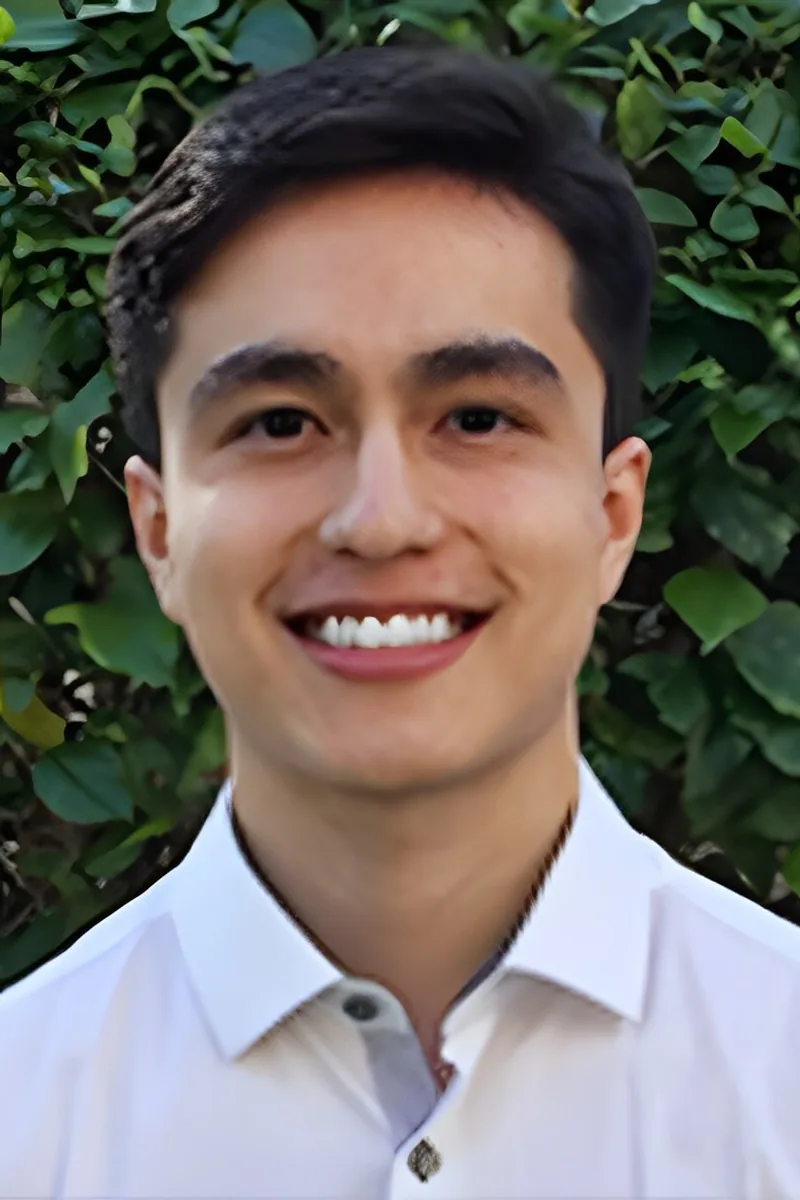
Pursuing a CS master's at Penn while TAing discrete math means Keenan lives in both the theoretical and practical sides of computer science every day. He unpacks core topics like algorithm complexity, data structure tradeoffs, and computational logic in a way that connects abstract ideas to real code. Rated 5.0 across all sessions.
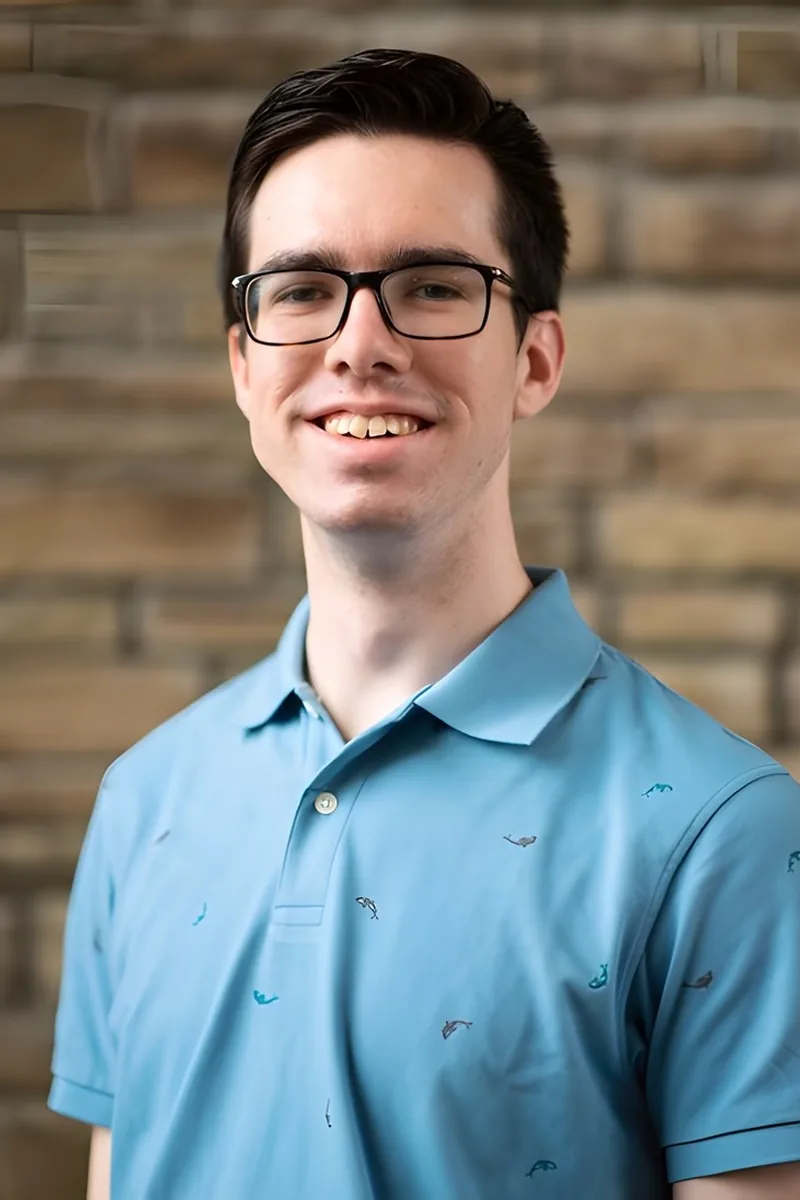
Studying computer science at the University of Pittsburgh while working as a software engineer gives Timothy a dual perspective — he knows the theory behind data structures and algorithms and also knows which concepts actually matter on the job. He breaks down topics like recursion, Big-O analysis, and object-oriented design by tying them to problems students can visualize and build.
Studying AI at Penn State gave Lucas a deep understanding of computer science from the ground up — data structures, algorithms, object-oriented design, and how they all connect in real applications. He's taught students brand-new to coding as well as those debugging complex projects, and he tailors each session to the language and concepts at hand. Rated 4.9 by students.
Whether a student is writing their first loop or debugging a recursive function, Kevin connects new programming concepts to the logic underneath them so the syntax stops feeling arbitrary. His data science concentration means he's comfortable across languages and paradigms, and his experience teaching first-time coders in underserved communities sharpened his ability to explain abstract ideas without jargon.
From sorting algorithms to data structures to the big-picture question of how computers actually process information, Steven covers computer science at both the high school and college level. He programs in Java and C#, which means he can explain concepts like recursion or object-oriented design in whichever language a student's course uses. Rated 5.0 by students across his subjects.
Jared's CS background spans both the theoretical and the applied — his master's in computer science covered areas like machine learning and NLP, while his professional work as a software engineer means he writes production code in Java, C++, and Python daily. That range lets him teach everything from foundational data structures and algorithms to more advanced topics like relational database design with the perspective of someone who's actually built systems around these concepts. Rated 5.0 by students.
I am a current sophomore at Cornell University pursuing a B.S. in Biomedical Engineering. I have done extensive coursework in biology, physics, chemistry, math, and lab sciences. I love applying engineering problem-solving skills to the biological sciences. For the past year, I have been a teaching assistant for introductory biology classes. In my free time, I participate in cancer immunotherapy research which focuses on melanoma.
I am a rising sophomore at Harvard College, currently on leave for the semester. I am a B.A. candidate in mathematics and physics, and I have both professional and academic experience in computer science as well.
A strong computer science education isn't just about writing code — it's about thinking algorithmically, understanding data structures, and knowing when a brute-force solution won't scale. Sarah is pursuing her CS degree at Saint Vincent College and brings hands-on experience with languages like C++ and Python to break down topics from recursion to sorting algorithms.
Hello, my name is Paul, and I am passionate about helping students in the areas of computer science and math and making sure that no question goes unanswered! I can guarantee a safe environment where hard work and creativity will be the basis for success! Let's have some fun solving problems!
From recursion and sorting algorithms to Big-O analysis and object-oriented design, Ethan covers core computer science concepts with the rigor of someone studying it as a second major alongside aerospace engineering. He emphasizes understanding why an algorithm works — tracing through execution step by step — so students can adapt their thinking to new problems on exams and in projects.
Building AI systems and low-level software at Stanford — in both Python and C++ — Kevin knows where the theoretical meets the practical in computer science. His biocomputation specialization means he can explain not just how to implement an algorithm, but why certain computational approaches work better for different problem domains. Rated 5.0 by students.
Ryan is a computer science major at Cornell, which means he's actively working through the same core curriculum — algorithms, data structures, computational complexity — that college CS students encounter. He explains concepts like recursion, Big-O analysis, and graph traversal by tracing through concrete examples rather than relying on abstract definitions. Rated 4.8 across his sessions.
Corrina's mechanical engineering degree required extensive programming coursework, and she now teaches core computer science concepts — data structures, algorithms, Boolean logic, and computational thinking — in a way that makes abstract ideas tangible. She connects each concept to real applications, whether that's sorting algorithms in a search engine or conditionals inside a robot's control loop.
Recursion, data structures, algorithmic complexity — these topics trip up students who try to memorize patterns without understanding why they work. Kevin holds both a bachelor's and master's in computer science from NYU, and he's the kind of tutor who will explain a concept three different ways until the logic genuinely lands. Rated 4.8 by students.
From basic programming constructs all the way up to computational analysis and finite automata, Andrew has tutored the full range of computer science topics at both the high school and college level. His CS degree gives him the depth to explain not just how an algorithm works but why its time complexity matters. Rated 5.0 by students.
Studying computer science at Cornell's College of Engineering, Ravnoor digs into topics like data structures, algorithms, and object-oriented design on a daily basis. He breaks complex problems — recursion, linked lists, sorting efficiency — into smaller, concrete steps so students build genuine understanding they can apply to new challenges independently.
I am graduated from Penn State University in Industrial Engineering in 2017. I've tutored ever since I was in high school, and I love helping people! I like to help my students understand math (and other topics) instead of just doing it blindly. My goal is to help my students improve their math (and other topics) and build skills that will help them find learning easier in the future! Fun fact, I used to work for Disney and I like to salsa dance!
Studying Computer Science alongside Math/Stats at Carleton College, Thomas lives at the intersection of algorithms, data structures, and mathematical reasoning. He digs into topics like recursion, sorting algorithms, and object-oriented design by building understanding from first principles rather than rote code memorization.
Margaret studies Computer Science at Stanford alongside Political Science, giving her a broad perspective on how computational thinking applies beyond just writing code. She breaks down core topics like data structures, algorithms, and recursion by connecting each one to real problems students can visualize. Rated 4.8 by her students.
Madeline's physics PhD work at Carnegie Mellon means she writes code daily — Python, Java, MATLAB, and Mathematica — to model complex systems and crunch data, which is a very different entry point into computer science than a pure software track. That scientific computing background makes her especially effective at teaching programming logic, debugging strategies, and algorithmic thinking to students who need CS skills for STEM applications rather than just app development.
A Stanford MS in Computer Science means David can teach everything from data structures and algorithms to object-oriented design with the depth that comes from building real systems — not just reading about them. He spent a summer teaching web and app development to high school students in Palestine, so he knows how to make abstract CS concepts click through hands-on projects.
Testimonials
Because the right Computer Science tutor makes all the difference.
Average Session Rating – Based on 3.4M Learner Ratings
Other Harrisburg Tutors
Related Technology and Coding Tutors in Harrisburg
Frequently Asked Questions
Your first session is all about understanding where you are and what you want to achieve. A tutor will assess your current programming experience, discuss the specific areas you're struggling with (whether that's debugging, understanding algorithms, or learning a new language), and talk about your goals—whether you're preparing for AP Computer Science, building projects, or exploring a specific path like web development or data science. From there, they'll create a personalized plan to help you progress.
Debugging is one of the most valuable skills in computer science, and it's something that benefits greatly from personalized guidance. A tutor can walk you through systematic debugging approaches—like reading error messages carefully, using print statements or debuggers, and tracing through your logic step-by-step. Instead of just fixing the error for you, they'll teach you how to think through problems so you can solve similar issues independently in the future.
Syntax is the specific rules of a programming language (like how to write an if statement in Python vs. Java), while logic is the problem-solving approach behind your code—understanding how to break down a problem and design a solution. Many students struggle because they focus too much on memorizing syntax without building strong logical thinking. Tutoring helps you master both: learning the syntax you need for your specific language while developing the algorithmic thinking that transfers across all programming languages.
Data structures like arrays, linked lists, stacks, and hash tables can feel abstract until you see them in action. A tutor can help by showing you real-world examples, having you implement them from scratch, and working through practice problems that highlight when each structure is most useful. Hands-on coding practice with immediate feedback is the best way to develop intuition about which data structure solves which problem efficiently.
Absolutely—many students learn best by building something real. Tutors can guide you through designing and coding projects, help you break down complex features into manageable pieces, review your code for best practices, and help you troubleshoot when you get stuck. Whether you're interested in web development, game creation, or data science applications, project-based learning with a tutor's support accelerates your progress and builds a portfolio you can be proud of.
Harrisburg's 11 school districts offer different computer science pathways, from introductory courses to AP Computer Science Principles and AP Computer Science A. Tutors are familiar with these curricula and can provide targeted support whether you're working on foundational programming concepts, preparing for AP exams, or exploring advanced topics like object-oriented design. They can also help bridge gaps if you're transitioning between different programming languages or course levels.
Computer science has many specializations, and tutoring can be tailored to your interests. If you're drawn to web development, a tutor can focus on HTML, CSS, JavaScript, and frameworks. For data science, they can emphasize Python, data manipulation, and statistical thinking. For game development, they might work with you on game engines and graphics concepts. Starting with personalized tutoring lets you explore these paths while building a strong foundation in programming logic that applies everywhere.
Varsity Tutors connects you with tutors who have strong backgrounds in computer science—whether through computer science degrees, professional software development experience, or extensive teaching backgrounds. Each tutor is vetted to ensure they can explain complex concepts clearly and help you develop real problem-solving skills. You can discuss a tutor's specific expertise and experience with the languages and topics you're studying before your first session.
Let’s find your perfect tutor
Answer a few quick questions. We’ll recommend the right plan and match you with a top 5% tutor.