Award-Winning Computer Science Tutors
serving Pittsburgh, PA
Computer Science
Tutors in Pittsburgh
Private 1-on-1 tutoring, weekly live classes for academic support, test prep & enrichment, practice tests and diagnostics, and more to elevate grades and test scores.
Based on 3.4M Learner Ratings
UniversitiesSchools & Universities
DeliveredHours Delivered
ProficiencyGrowth in Proficiency
Who needs tutoring?
No obligation. Takes ~1 minute.
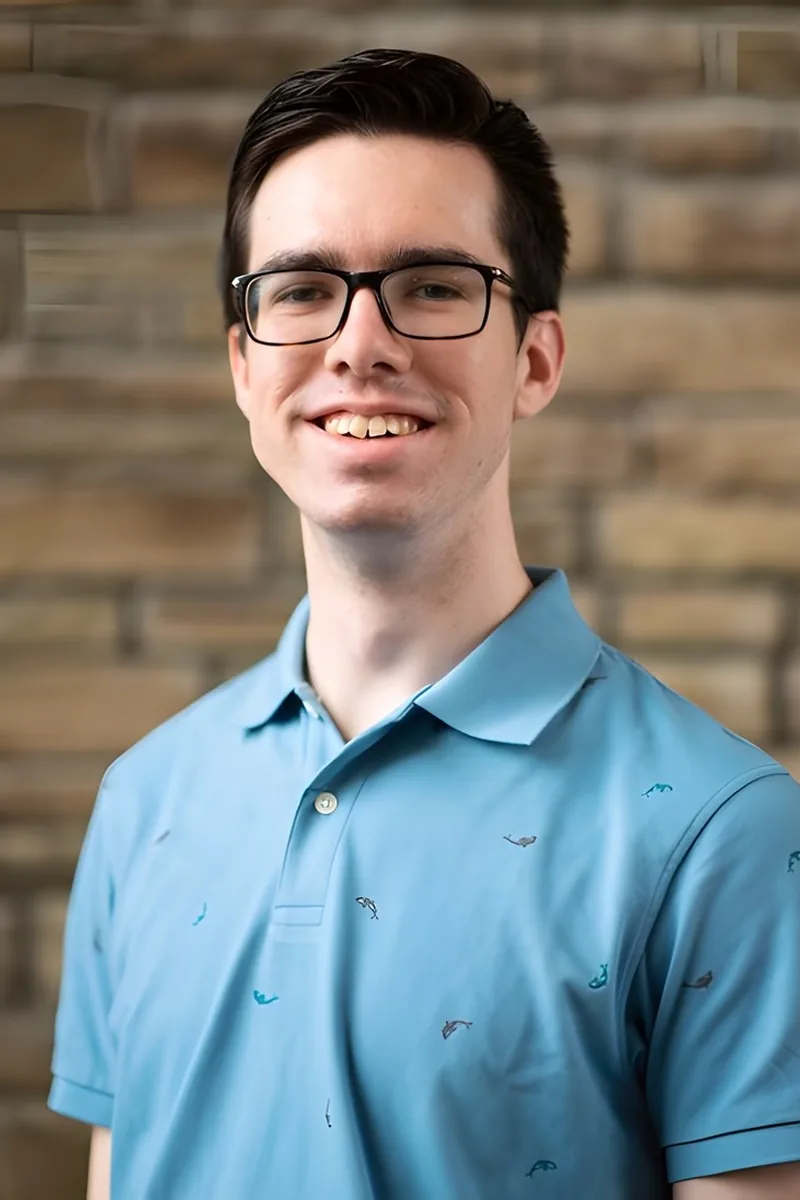
Studying computer science at the University of Pittsburgh while working as a software engineer gives Timothy a dual perspective — he knows the theory behind data structures and algorithms and also knows which concepts actually matter on the job. He breaks down topics like recursion, Big-O analysis, and object-oriented design by tying them to problems students can visualize and build.
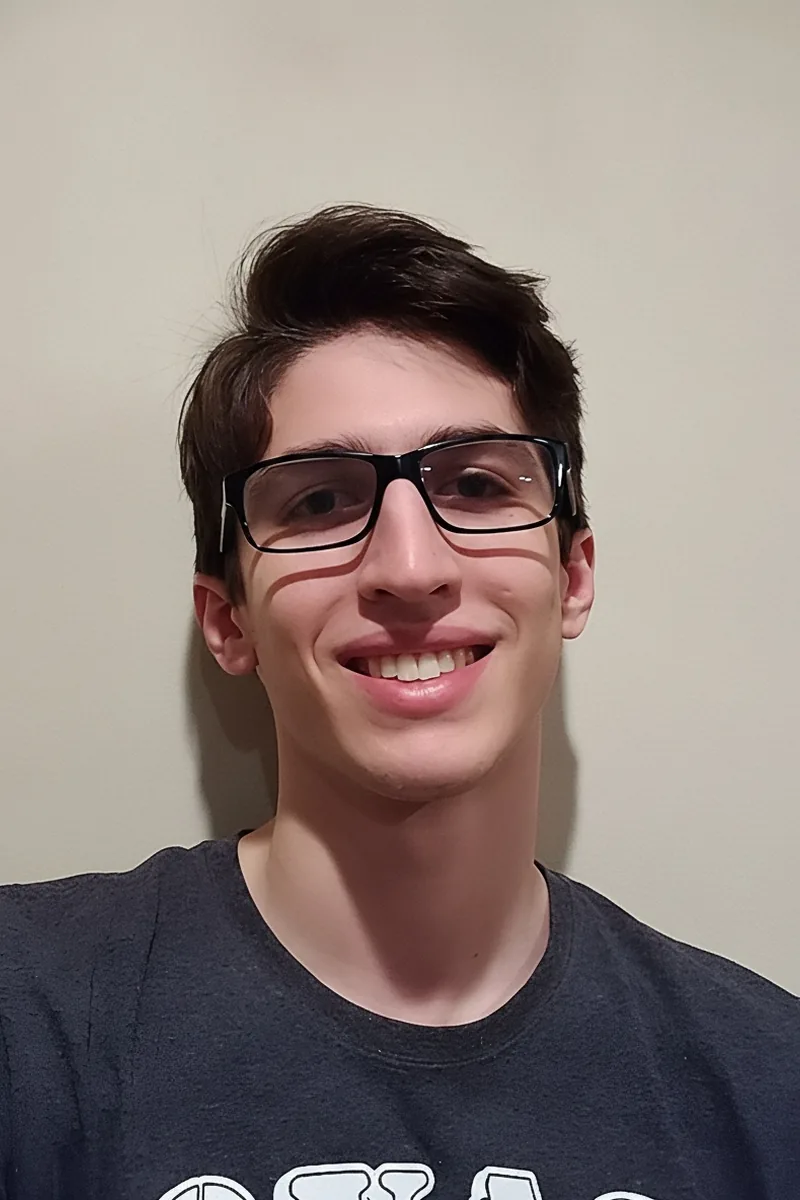
I am a rising sophomore at Harvard College, currently on leave for the semester. I am a B.A. candidate in mathematics and physics, and I have both professional and academic experience in computer science as well.
I am a graduate from Rochester Institute of Technology with a master's in Game Design and Development. My passions lie in everything related to games and mathematics. In the past, I have tutored various subjects in mathematics throughout high school and college, including but not limited to Algebra, Algebra II, Trigonometry, Calculus, Discrete Mathematics, Mathematics of Graphical Simulation, and Linear Algebra. As for technology, I am more than happy to reach out for help in Web Development (HTML, CSS, Javascript) or C# programming. I believe that every person can learn any topic. While every individual has different tastes, strengths, and weaknesses, there is no such thing as an "incapability" to know a subject. Education often possesses a guise of anti-fun, but I can promise you that all topics can be engaging, and I am willing to show you how engaging mathematics and technology can be. As a Game Designer, I have a deep interest in both playing games and making games. This includes games of all kinds: video games, board games, tabletop role-playing games, trading card games, miniatures, and even some sports like tennis or ping pong. Games act as a fantastic teaching tool. They teach by design without users recognizing. It is always a satisfying moment when somebody says "I learned that word from Magic" or "D&D taught me that." Remember: you can succeed. If something is important to you, then it's always worthwhile.
Hello, my name is Paul, and I am passionate about helping students in the areas of computer science and math and making sure that no question goes unanswered! I can guarantee a safe environment where hard work and creativity will be the basis for success! Let's have some fun solving problems!
Pursuing a CS master's at Penn while TAing discrete math means Keenan lives in both the theoretical and practical sides of computer science every day. He unpacks core topics like algorithm complexity, data structure tradeoffs, and computational logic in a way that connects abstract ideas to real code. Rated 5.0 across all sessions.
Studying AI at Penn State gave Lucas a deep understanding of computer science from the ground up — data structures, algorithms, object-oriented design, and how they all connect in real applications. He's taught students brand-new to coding as well as those debugging complex projects, and he tailors each session to the language and concepts at hand. Rated 4.9 by students.
Whether a student is writing their first loop or debugging a recursive function, Kevin connects new programming concepts to the logic underneath them so the syntax stops feeling arbitrary. His data science concentration means he's comfortable across languages and paradigms, and his experience teaching first-time coders in underserved communities sharpened his ability to explain abstract ideas without jargon.
From sorting algorithms to data structures to the big-picture question of how computers actually process information, Steven covers computer science at both the high school and college level. He programs in Java and C#, which means he can explain concepts like recursion or object-oriented design in whichever language a student's course uses. Rated 5.0 by students across his subjects.
Jared's CS background spans both the theoretical and the applied — his master's in computer science covered areas like machine learning and NLP, while his professional work as a software engineer means he writes production code in Java, C++, and Python daily. That range lets him teach everything from foundational data structures and algorithms to more advanced topics like relational database design with the perspective of someone who's actually built systems around these concepts. Rated 5.0 by students.
I am a current sophomore at Cornell University pursuing a B.S. in Biomedical Engineering. I have done extensive coursework in biology, physics, chemistry, math, and lab sciences. I love applying engineering problem-solving skills to the biological sciences. For the past year, I have been a teaching assistant for introductory biology classes. In my free time, I participate in cancer immunotherapy research which focuses on melanoma.
A strong computer science education isn't just about writing code — it's about thinking algorithmically, understanding data structures, and knowing when a brute-force solution won't scale. Sarah is pursuing her CS degree at Saint Vincent College and brings hands-on experience with languages like C++ and Python to break down topics from recursion to sorting algorithms.
From data structures and algorithms to computational complexity, Michelle covers the core CS curriculum with the depth you'd expect from a Duke CS graduate heading into a PhD at Michigan. She's especially strong at explaining abstract concepts like recursion and graph traversal by connecting them to concrete, visual examples that make the logic intuitive.
As a computer science major at Boston University, Irene is immersed in the subject daily — from data structures and algorithms to object-oriented design. She breaks down abstract programming concepts into concrete steps, walking through how to trace logic, debug code, and think like a developer rather than just memorize syntax.
Alston is pursuing a Computer Science degree at the University of Virginia, which means he's actively working through data structures, algorithms, and object-oriented design — not recalling them from years ago. He breaks down concepts like recursion and sorting algorithms by walking through the logic step by step, letting students trace the code themselves until the pattern clicks.
Studying computer science at Cornell, Eric tackles everything from algorithm analysis and Big-O notation to systems-level concepts like memory management and recursion. He breaks down problems the way a CS student actually encounters them — whiteboarding a solution, tracing through edge cases, then translating logic into clean code. His 5.0 rating speaks to how clearly that approach lands.
Studying both chemical engineering and computer science at Cornell gives Jonathan an unusual angle on programming — he's constantly writing code to solve quantitative, real-world problems rather than just completing standalone assignments. That dual perspective makes him especially effective at teaching algorithmic thinking and Java or Python fundamentals, since he can show students how CS concepts like iteration and data manipulation actually get applied in technical fields outside of software development.
Studying computer science at MIT, Brice digs into everything from data structures and algorithms to systems-level thinking with students at any stage. He's tutored over 30 students in the past year alone, tackling topics like recursion, object-oriented design, and algorithmic complexity. Rated 4.9 by students.
Allison's CS degree from Dartmouth means she's worked through the full arc — from writing first programs to tackling data structures, algorithms, and computational theory. She unpacks abstract concepts like recursion and Big-O analysis by walking through concrete code examples, making the logic visible before the notation takes over.
I am graduated from Penn State University in Industrial Engineering in 2017. I've tutored ever since I was in high school, and I love helping people! I like to help my students understand math (and other topics) instead of just doing it blindly. My goal is to help my students improve their math (and other topics) and build skills that will help them find learning easier in the future! Fun fact, I used to work for Disney and I like to salsa dance!
A Duke CS graduate now pursuing a Master's in Cybersecurity, Noah covers everything from foundational data structures and algorithms to systems-level concepts like memory management and network protocols. He breaks down abstract topics — recursion, Big-O analysis, object-oriented design — by connecting them to real problems rather than leaving them as textbook definitions. Students get someone who's still actively building in the field, not just teaching from notes.
From sorting algorithms and Big-O analysis to data structures like linked lists and binary trees, Rhamy covers the foundational CS concepts that show up in coursework and technical interviews alike. His computer engineering degree at Vanderbilt, paired with experience in multiple languages, lets him explain abstract ideas through concrete code. Rated 5.0 by students.
Engineering science at Vanderbilt means Ethan writes code to solve real problems — simulations, data analysis, algorithm design — not just textbook exercises. He breaks down core concepts like recursion, data structures, and object-oriented design by connecting them to projects that actually do something interesting.
From data structures and algorithms to computational complexity, Victoria covers the core CS concepts that show up in both coursework and technical interviews. Studying computer science and math simultaneously at WashU gave her a knack for explaining the mathematical reasoning behind topics like recursion, sorting efficiency, and graph traversal. She holds a 5.0 rating from students.
Testimonials
Because the right Computer Science tutor makes all the difference.
Average Session Rating – Based on 3.4M Learner Ratings
Other Pittsburgh Tutors
Related Technology and Coding Tutors in Pittsburgh
Frequently Asked Questions
During your first session, a tutor will assess your current programming level, understand your goals (whether that's mastering a specific language, preparing for AP Computer Science, or building projects), and identify areas where you need the most support—like debugging, algorithmic thinking, or data structures. This helps create a personalized learning plan tailored to your pace and interests, so you get the most out of every session.
Debugging is one of the most valuable skills in programming, and tutors help you develop a systematic approach to finding and fixing errors rather than just telling you the answer. Through code review and hands-on practice, you'll learn to read error messages, trace through your logic, and understand why bugs happen—skills that make you a stronger programmer overall.
Syntax is the specific rules of a programming language (like how to write a loop in Python vs. Java), while logic is the problem-solving approach behind your code—how you break down a problem and design a solution. Strong tutoring focuses on both: syntax gets easier with practice, but mastering logic and algorithmic thinking is what lets you solve new problems independently.
Absolutely. Whether you're interested in web development, data science, game development, or competitive programming, tutors can guide your learning path and help you build real projects in your area of interest. This project-based approach keeps learning engaging and gives you a portfolio of work that demonstrates your skills.
Data structures and algorithms require both conceptual understanding and hands-on practice—it's not enough to memorize them. Tutors break down complex concepts like arrays, linked lists, and sorting algorithms into digestible pieces, then guide you through implementing them and analyzing their efficiency. This combination of explanation and practice is what builds real mastery.
Yes. Tutors familiar with the AP Computer Science A curriculum can help you master both the Java language requirements and the algorithmic thinking the exam tests. They'll work through practice problems, review past exam questions, and ensure you understand not just how to write code, but why certain approaches work—which is what the exam really measures.
Look for tutors with real programming experience, ideally in the language or specialization you're learning, and who can explain concepts clearly at your level. The best tutors combine technical expertise with the ability to guide your problem-solving process rather than just providing solutions—they help you think like a programmer.
Building real projects forces you to apply concepts in context, encounter unexpected problems, and develop debugging skills—all things that pure instruction can't replicate. Tutors guide you through the project development process, review your code, suggest improvements, and help you understand design decisions, which accelerates your learning far beyond what you'd pick up alone.
Let’s find your perfect tutor
Answer a few quick questions. We’ll recommend the right plan and match you with a top 5% tutor.