Award-Winning Computer Science Tutors
serving Allentown, PA
Computer Science
Tutors in Allentown
Private 1-on-1 tutoring, weekly live classes for academic support, test prep & enrichment, practice tests and diagnostics, and more to elevate grades and test scores.
Based on 3.4M Learner Ratings
UniversitiesSchools & Universities
DeliveredHours Delivered
ProficiencyGrowth in Proficiency
Who needs tutoring?
No obligation. Takes ~1 minute.
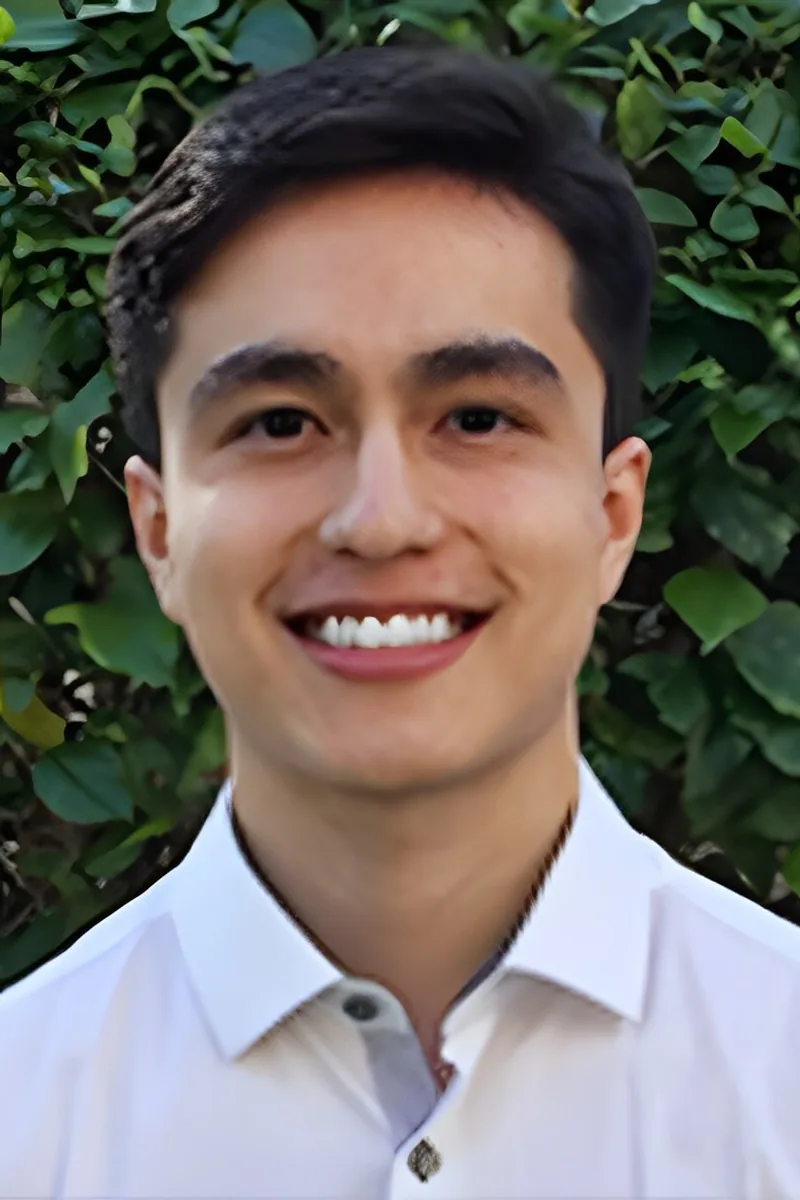
Pursuing a CS master's at Penn while TAing discrete math means Keenan lives in both the theoretical and practical sides of computer science every day. He unpacks core topics like algorithm complexity, data structure tradeoffs, and computational logic in a way that connects abstract ideas to real code. Rated 5.0 across all sessions.
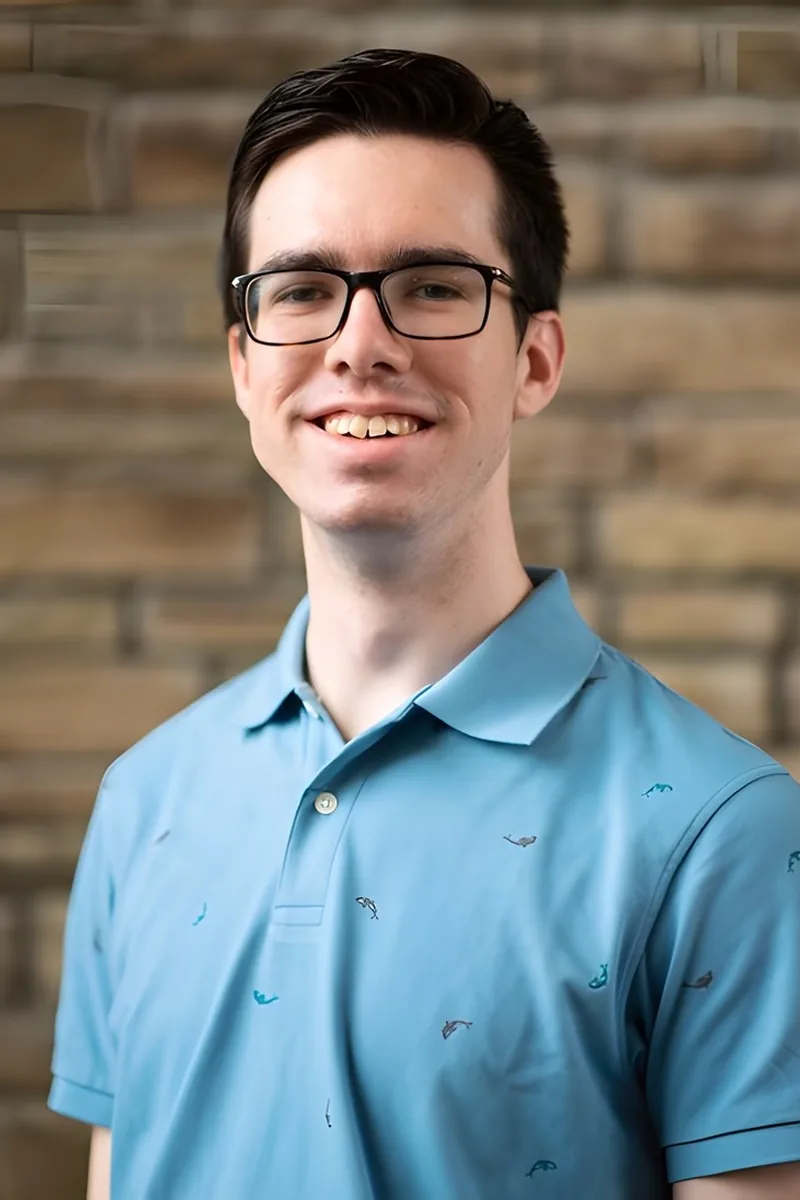
Studying computer science at the University of Pittsburgh while working as a software engineer gives Timothy a dual perspective — he knows the theory behind data structures and algorithms and also knows which concepts actually matter on the job. He breaks down topics like recursion, Big-O analysis, and object-oriented design by tying them to problems students can visualize and build.
Studying AI at Penn State gave Lucas a deep understanding of computer science from the ground up — data structures, algorithms, object-oriented design, and how they all connect in real applications. He's taught students brand-new to coding as well as those debugging complex projects, and he tailors each session to the language and concepts at hand. Rated 4.9 by students.
Whether a student is writing their first loop or debugging a recursive function, Kevin connects new programming concepts to the logic underneath them so the syntax stops feeling arbitrary. His data science concentration means he's comfortable across languages and paradigms, and his experience teaching first-time coders in underserved communities sharpened his ability to explain abstract ideas without jargon.
From sorting algorithms to data structures to the big-picture question of how computers actually process information, Steven covers computer science at both the high school and college level. He programs in Java and C#, which means he can explain concepts like recursion or object-oriented design in whichever language a student's course uses. Rated 5.0 by students across his subjects.
Jared's CS background spans both the theoretical and the applied — his master's in computer science covered areas like machine learning and NLP, while his professional work as a software engineer means he writes production code in Java, C++, and Python daily. That range lets him teach everything from foundational data structures and algorithms to more advanced topics like relational database design with the perspective of someone who's actually built systems around these concepts. Rated 5.0 by students.
I am a current sophomore at Cornell University pursuing a B.S. in Biomedical Engineering. I have done extensive coursework in biology, physics, chemistry, math, and lab sciences. I love applying engineering problem-solving skills to the biological sciences. For the past year, I have been a teaching assistant for introductory biology classes. In my free time, I participate in cancer immunotherapy research which focuses on melanoma.
I am a rising sophomore at Harvard College, currently on leave for the semester. I am a B.A. candidate in mathematics and physics, and I have both professional and academic experience in computer science as well.
A strong computer science education isn't just about writing code — it's about thinking algorithmically, understanding data structures, and knowing when a brute-force solution won't scale. Sarah is pursuing her CS degree at Saint Vincent College and brings hands-on experience with languages like C++ and Python to break down topics from recursion to sorting algorithms.
I am a graduate from Rochester Institute of Technology with a master's in Game Design and Development. My passions lie in everything related to games and mathematics. In the past, I have tutored various subjects in mathematics throughout high school and college, including but not limited to Algebra, Algebra II, Trigonometry, Calculus, Discrete Mathematics, Mathematics of Graphical Simulation, and Linear Algebra. As for technology, I am more than happy to reach out for help in Web Development (HTML, CSS, Javascript) or C# programming. I believe that every person can learn any topic. While every individual has different tastes, strengths, and weaknesses, there is no such thing as an "incapability" to know a subject. Education often possesses a guise of anti-fun, but I can promise you that all topics can be engaging, and I am willing to show you how engaging mathematics and technology can be. As a Game Designer, I have a deep interest in both playing games and making games. This includes games of all kinds: video games, board games, tabletop role-playing games, trading card games, miniatures, and even some sports like tennis or ping pong. Games act as a fantastic teaching tool. They teach by design without users recognizing. It is always a satisfying moment when somebody says "I learned that word from Magic" or "D&D taught me that." Remember: you can succeed. If something is important to you, then it's always worthwhile.
Hello, my name is Paul, and I am passionate about helping students in the areas of computer science and math and making sure that no question goes unanswered! I can guarantee a safe environment where hard work and creativity will be the basis for success! Let's have some fun solving problems!
Earning a certificate in Statistics and Machine Learning at Princeton gave Julie hands-on experience with core computer science concepts — algorithm design, data structures, and computational complexity. She approaches CS the way she approaches philosophy: by asking students to reason through *why* a solution works, not just whether it compiles.
From computer architecture and theory to parallel computing and machine learning, Brandon's master's coursework at RIT covers the full stack of computer science concepts. His two years of professional industry experience mean he can connect abstract topics — algorithm complexity, concurrency models, data structures — to how they actually show up in production code. Students rated him 4.9, which tracks with his ability to make dense CS material feel approachable.
Programming starts making sense when you stop memorizing syntax and start thinking about what the computer is actually doing step by step. June's electrical engineering background at Brown gives her insight into both the hardware and software sides — she can explain why an algorithm is efficient, not just how to write it. From loops and conditionals to data structures and recursion, she connects each concept to real projects she's built in robotics and hackathons.
Biomedical engineering at Rice requires heavy computational coursework, so Theresa has tackled core computer science concepts — from object-oriented programming and data structures to algorithm complexity — in the context of solving real problems. She explains abstract ideas like recursion and sorting algorithms by connecting them to concrete examples rather than letting students drown in theory. Rated 5.0 by students.
Building AI systems and low-level software at Stanford — in both Python and C++ — Kevin knows where the theoretical meets the practical in computer science. His biocomputation specialization means he can explain not just how to implement an algorithm, but why certain computational approaches work better for different problem domains. Rated 5.0 by students.
Between a master's in Computer Science, an active PhD program, and a full-time software development career, Daniel lives this subject from multiple angles — theoretical and applied. He unpacks everything from algorithmic complexity and data structures to systems-level thinking, tailoring the depth to wherever a student currently sits in their CS journey.
I am a undergraduate freshman of the University of Michigan, studying business at the Ross School of Business. Working together with students and having a good time while seeing steady improvements has proven to provide me great joy. I believe that communication and relationship building is crucial for students to open up about their struggles and also for me to identify problems they don't realize they can improve on, so this is a key aspect of all of my lessons. During my free time, I enjoy playing sports or snacking on desserts while binge-watching Friends!
Trained in computer science at UT Austin and currently pursuing a PhD that blends computational methods with social science, David brings both theoretical depth and applied versatility to CS instruction. He digs into core topics like algorithm analysis, data structures, and computational complexity, connecting them to the kind of real-world problem-solving that makes the discipline click.
As an engineering student at Brown, Kashish works with programming languages and computational thinking daily — from writing algorithms to debugging code and understanding data structures like arrays, linked lists, and trees. She breaks down abstract CS concepts by connecting them to concrete problems, making topics like recursion or object-oriented design click for students encountering them for the first time. Her analytical precision and 5.0 rating make her a strong fit for introductory through intermediate computer science.
I'm trying to work on personal projects. I really enjoy snowboarding, and have been doing that since the third grade. I also enjoy playing sports and video games.
Three Bachelor of Science degrees — including Neuroscience — meant Anna was writing code long before she started teaching it, using Java, Python, and MATLAB to analyze data and build computational models across disciplines. That cross-field experience shapes how she teaches CS fundamentals: students don't just learn syntax, they learn to think about what a program needs to do before structuring it in any particular language. Rated 5.0 by students.
From recursion and sorting algorithms to Big-O analysis and object-oriented design, Ethan covers core computer science concepts with the rigor of someone studying it as a second major alongside aerospace engineering. He emphasizes understanding why an algorithm works — tracing through execution step by step — so students can adapt their thinking to new problems on exams and in projects.
Testimonials
Because the right Computer Science tutor makes all the difference.
Average Session Rating – Based on 3.4M Learner Ratings
Other Allentown Tutors
Related Technology and Coding Tutors in Allentown
Frequently Asked Questions
Your first session is all about understanding where you're starting from. A tutor will assess your current programming experience, discuss what you're working on (whether it's Python basics, web development, data structures, or something else), and identify specific challenges you're facing—like debugging errors or grasping algorithmic thinking. From there, you'll work together to create a personalized plan that matches your goals and learning pace.
Debugging is one of the most valuable skills in programming, and tutors help you develop a systematic approach to finding and fixing errors rather than just guessing. They'll teach you how to read error messages, use debugging tools effectively, and trace through your code logically. With hands-on practice and code review during sessions, you'll build confidence in solving problems independently rather than getting stuck.
Syntax is the specific rules of a programming language (like Python or JavaScript)—how you write valid code. Logic is the problem-solving approach behind the code—how you break down a problem and design a solution. Both matter, but many students struggle because they focus too much on syntax memorization. Tutors help you build strong logical thinking first, so syntax becomes easier to pick up and you can apply your skills across different languages.
Data structures and algorithms are abstract concepts that click better with hands-on explanation and visualization. Tutors break down how arrays, linked lists, trees, and sorting algorithms actually work by walking through examples, drawing diagrams, and having you code them yourself. This active learning approach—combined with practice problems and code review—helps you move from confusion to real understanding rather than just memorizing definitions.
Absolutely. Whether you're building a web application, creating a game, or working on a data science project, tutors can guide you through the entire process—from planning your project architecture to debugging issues and optimizing your code. This project-based approach keeps learning practical and motivating, and you'll have real work to show for your effort. Tutors also help you understand best practices and clean code principles as you build.
Yes. Whether you're interested in web development, game development, data science, cybersecurity, or another area, a tutor can help you explore different paths and guide your learning accordingly. They'll help you build foundational skills in programming logic and problem-solving first, then tailor practice and projects toward the area that excites you most. This personalized approach helps you stay motivated while building skills that matter for your goals.
Yes. Tutors working with students in Allentown are familiar with the Computer Science standards and expectations across the district's schools. Whether you're in AP Computer Science, a coding elective, or a foundational programming course, they understand what you're learning and can provide targeted support that aligns with your coursework while also building deeper problem-solving skills.
The biggest challenges are usually understanding algorithmic thinking, getting overwhelmed by error messages, and struggling to move from understanding a concept to writing code independently. Tutors address these by breaking problems into smaller steps, teaching you how to approach errors systematically, and giving you lots of guided practice with feedback. This combination of explanation, hands-on coding, and code review builds confidence and real competence much faster than struggling alone.
Let’s find your perfect tutor
Answer a few quick questions. We’ll recommend the right plan and match you with a top 5% tutor.