Award-Winning Special Education Tutors
serving Portland, OR
Special Education
Tutors in Portland
Private 1-on-1 tutoring, weekly live classes for academic support, test prep & enrichment, practice tests and diagnostics, and more to elevate grades and test scores.
Based on 3.4M Learner Ratings
UniversitiesSchools & Universities
DeliveredHours Delivered
ProficiencyGrowth in Proficiency
Who needs tutoring?
No obligation. Takes ~1 minute.
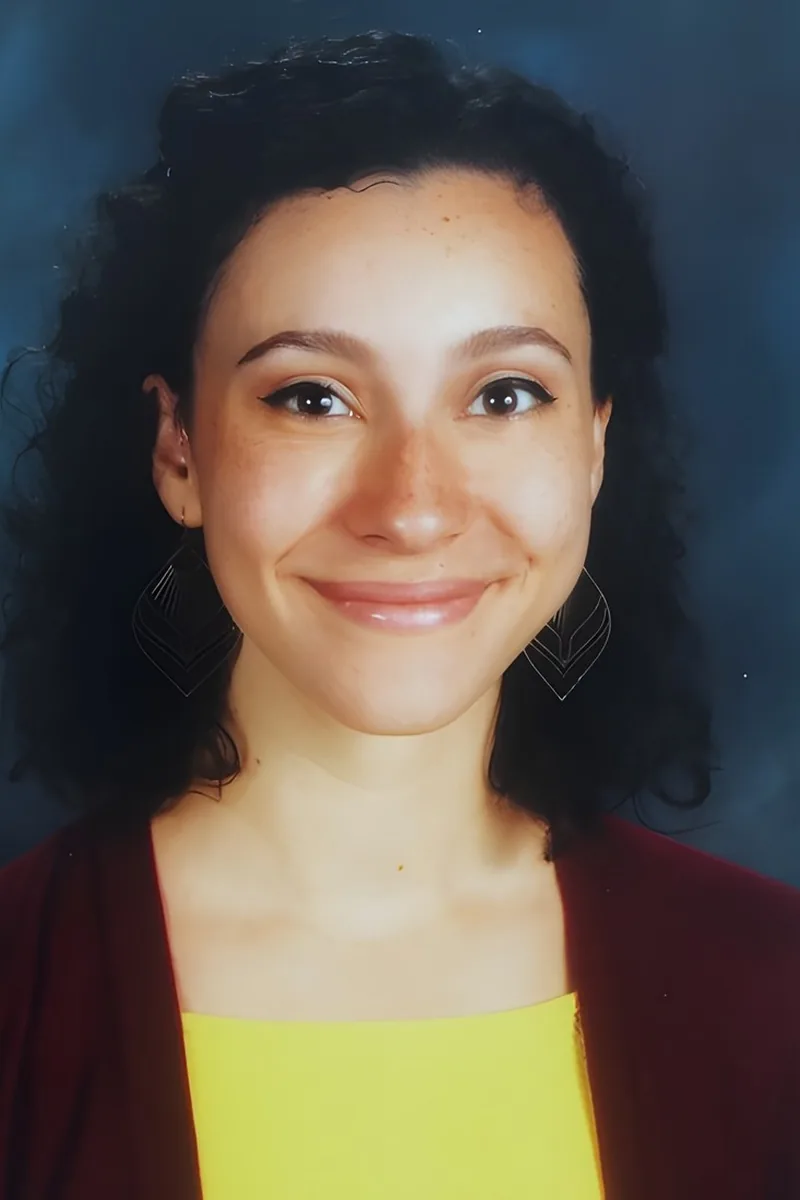
Sophia earned her Master's in Education with a focus that included understanding diverse learning profiles — from dyslexia and ADHD to processing differences that require adapted instruction. She modifies reading and writing lessons using multisensory techniques, scaffolded tasks, and individualized pacing so students with IEPs or 504 plans can access grade-level content on their own terms.

Having worked with kids across a wide range of educational settings, Rebecca tailors her approach to each learner's processing style — whether that means breaking instructions into smaller steps, using visual organizers, or adjusting pacing mid-session. Her psychology training gives her a practical understanding of how different learners encode and retrieve information, which she applies directly to academic content.
Five years teaching elementary-age children in Hebrew School gave Marilyn experience adapting lessons for different learning speeds and styles, including students who need material broken into smaller, more concrete steps. She tailors explanations to each student's strengths — whether that means visual diagrams, verbal repetition, or hands-on examples — and builds routines that reduce frustration around new or difficult content.
I am currently working on earning my Medical Assistant certification and studying for the MCAT in anticipation of applying to medical school.
I am persuasive and capable of developing rapport and trust, as well as experienced in influencing the attitudes and ideas of others.
Heather's psychology background gives her real insight into how different learners process information — whether a student needs material broken into smaller chunks, presented visually, or reinforced through repetition. She's especially effective with kids who get frustrated easily, building their confidence alongside their skills in reading, math, or writing. Rated 5.0 by families she's worked with.
Clinical psychology training fundamentally changes how you understand a struggling learner — Danny's PhD work gives him insight into the cognitive, emotional, and behavioral dimensions that shape how students with learning differences engage with academic material. He draws on formal counseling psychology methods to identify what's actually getting in the way, then adapts instruction accordingly, whether the barrier is processing speed, attention, anxiety around schoolwork, or something else entirely. Rated 5.0 by families.
Ivan holds a master's degree in both General and Special Education for grades 5–9 and has taught in self-contained classrooms, Collaborative Team Teaching settings, and Resource Rooms across New York City. That range means he can adapt pacing, modify assignments, and scaffold reading or writing tasks based on each student's IEP goals and learning profile. Rated 4.8 by families he's worked with.
Twelve years of combined elementary and special education classroom experience give Elizabeth a deep understanding of how learning differences like dyslexia, ADHD, and processing disorders actually show up in day-to-day schoolwork. Now working as an Educational Diagnostician, she identifies where a student's learning profile creates specific barriers and adapts instruction accordingly — adjusting pacing, breaking multi-step tasks into manageable pieces, and choosing strategies matched to how each learner processes information.
Colin is a certified special educator whose classroom experience spans multiple grade levels and learning profiles, from students with dyslexia and ADHD to those on the autism spectrum. He designs each session around a student's specific IEP goals and learning style — visual aids for one learner, movement-based activities for another — rather than applying a one-size-fits-all approach. That individualized structure builds both academic skills and the confidence students need to advocate for themselves in the classroom.
As a practicing Special Education Social Worker in Minneapolis, Emily understands IEPs, accommodations, and learning differences from the inside — not just as theory. She adapts her approach to each student's specific needs, whether that means breaking reading passages into smaller chunks, using visual supports for math, or building executive functioning skills like task initiation and self-monitoring.
Sabrina holds certification in special education and brings a classroom teacher's instinct for identifying where a lesson loses a student. She redesigns explanations on the fly — using manipulatives, visual models, or simplified language — so learners with IEPs or 504 plans can access grade-level math, reading, and writing content at their own pace.
As a certified Special Education teacher and Board Certified Behavior Analyst, Kate designs instruction around how each learner actually processes information — not around a one-size-fits-all curriculum. She adapts academic content across subjects like reading, math, and writing while building the self-regulation and executive functioning skills that underpin classroom success. Her dual expertise in special education and applied behavior analysis means interventions are both evidence-based and practical.
As a state-certified teacher with special education experience, Marina adapts lessons to match each learner's processing style — whether that means breaking multi-step directions into smaller chunks, using visual supports for abstract concepts, or building in movement breaks that reset focus. Her UCLA background in public health sharpened her understanding of how environment and individual needs shape learning outcomes.
Patrick earned his Master's in Special Education from UIC's MEd + Licensure program, which means he's trained in differentiated instruction, IEP development, and evidence-based interventions for learning differences like dyslexia and ADHD. His undergraduate psychology degree adds a layer of understanding around how attention, memory, and motivation shape each student's learning profile.
Teaching across dozens of NYC public schools exposed James to students with a wide range of learning differences, from processing delays to attention challenges. He builds individualized approaches — breaking instructions into smaller steps, using multi-sensory reinforcement, and adjusting pacing in real time. His current doctoral work in physical therapy deepens his understanding of how neurological and developmental factors shape the way students learn.
Testimonials
Because the right Special Education tutor makes all the difference.
Average Session Rating – Based on 3.4M Learner Ratings
Nearby Special Education Tutors
Other Portland Tutors
Frequently Asked Questions
Special education tutoring provides personalized 1-on-1 instruction tailored to a student's individualized education program (IEP) or 504 plan. Tutors work with students who have learning disabilities, developmental delays, autism spectrum disorder, ADHD, or other conditions that affect learning, focusing on building academic skills, social-emotional development, and independence in ways that work for each student's unique learning style.
Varsity Tutors connects you with tutors who understand how to support IEP goals and can work collaboratively with your student's school team. Before starting, tutors review your student's IEP to understand their specific goals, accommodations, and learning needs, then design instruction that reinforces classroom learning while addressing skill gaps. This coordination helps ensure tutoring complements—not conflicts with—what's happening in school.
Students receiving special education services often struggle with reading fluency and comprehension, math fact automaticity, executive function skills like organization and time management, social communication, and building confidence after repeated academic struggles. Additionally, the 17.2:1 student-teacher ratio in Portland schools means classroom teachers have limited time for individualized practice, which is where personalized tutoring can make a significant difference by providing the repetition and feedback students need to master skills.
In a classroom setting, even with accommodations, students compete for teacher attention and must keep pace with group instruction. Personalized 1-on-1 tutoring allows tutors to adjust the pace, break skills into smaller steps, use multi-sensory approaches, and provide immediate feedback—all key principles from learning science research showing that individualized instruction significantly accelerates progress for students with learning differences. Tutors can also spend time building confidence and celebrating small wins, which is critical for students who've experienced academic frustration.
Expert tutors in special education typically have training in evidence-based interventions like structured literacy, applied behavior analysis (ABA), or social-emotional learning strategies. Many have backgrounds in special education, speech-language pathology, occupational therapy, or psychology. When you connect with Varsity Tutors, you can discuss your student's specific needs and we'll match them with a tutor who has relevant expertise and experience working with students with similar profiles.
The first session focuses on building rapport and understanding your student's strengths, challenges, learning preferences, and goals. The tutor will likely assess where your student is academically, discuss their IEP or 504 plan with you, and ask about what's worked (or hasn't worked) in the past. This foundation helps the tutor design a personalized plan that targets your student's biggest needs while building on what they do well.
Progress looks different for each student and should align with their IEP goals—whether that's improving reading decoding by one grade level, increasing math fluency, developing better organization skills, or growing confidence in social situations. Tutors track progress through regular assessment, skill practice, and documentation so you can see concrete improvements over weeks and months. Regular communication with your tutor helps you understand what's working and adjust the focus as your student masters skills.
Portland's six school districts provide special education services required by IDEA and Section 504, but tutoring fills important gaps by offering intensive, individualized practice on specific skills between school sessions. Tutors can reinforce what's being taught in resource rooms or special education classrooms, help with homework in accessible ways, and work on goals that might not get enough classroom time due to group instruction demands. Coordinating with your student's school team ensures everyone is working toward the same objectives.
Let’s find your perfect tutor
Answer a few quick questions. We’ll recommend the right plan and match you with a top 5% tutor.