Award-Winning AP Calculus BC Tutors
serving Portland, OR
AP Calculus BC
Tutors in Portland
Private 1-on-1 tutoring, weekly live classes for academic support, test prep & enrichment, practice tests and diagnostics, and more to elevate grades and test scores.
Based on 3.4M Learner Ratings
UniversitiesSchools & Universities
DeliveredHours Delivered
ProficiencyGrowth in Proficiency
Who needs tutoring?
No obligation. Takes ~1 minute.
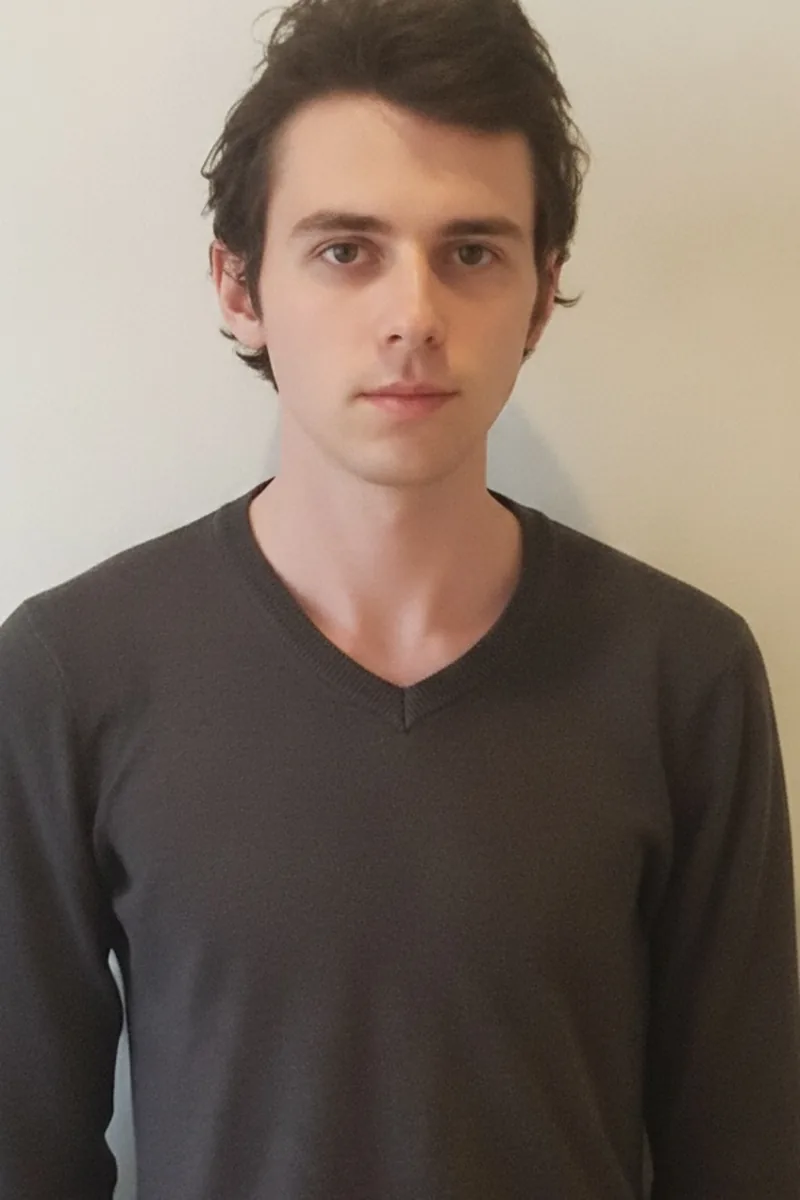
Philosophy majors learn to construct airtight chains of reasoning — a skill that translates surprisingly well to BC Calculus, where understanding why a series converges matters as much as computing the answer. Ezra brings that logical rigor to topics like convergence tests and error bounds, breaking each proof and procedure into premises a student can actually follow. His perfect 1600 SAT and 4.8 rating suggest the approach lands.
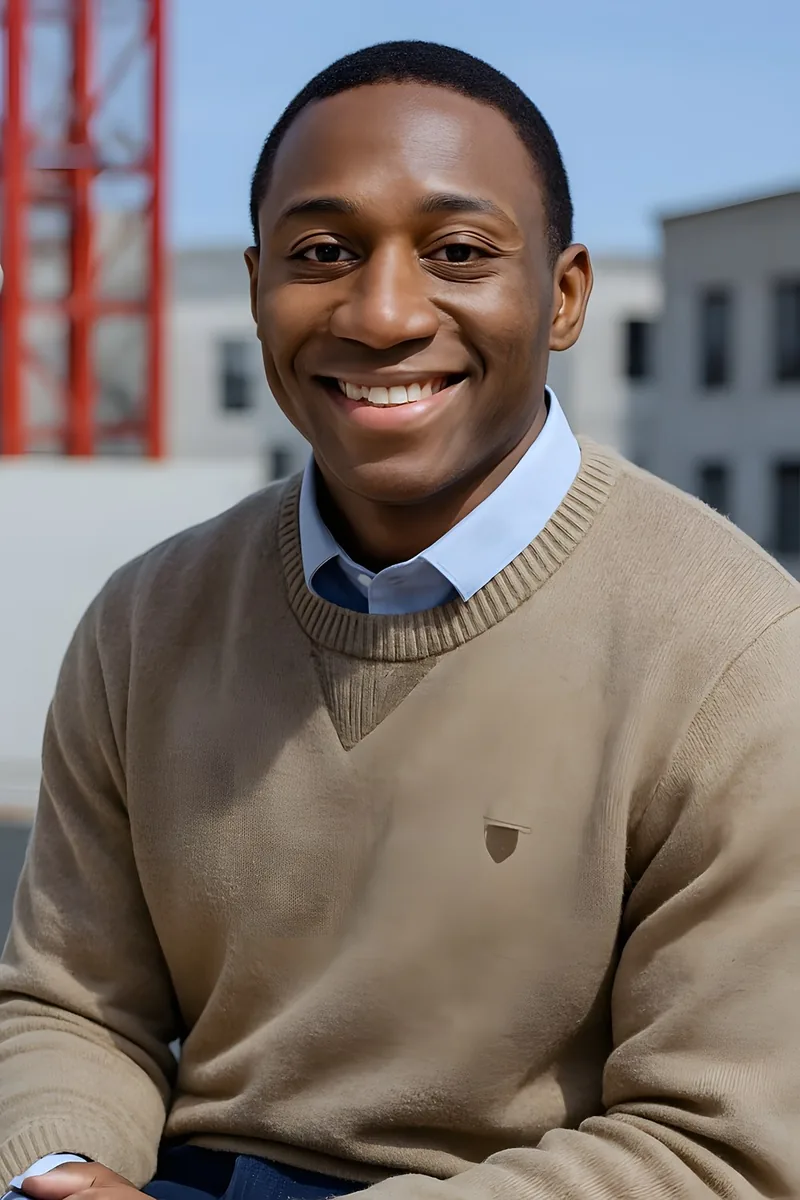
Where many tutors teach convergence tests as a checklist to memorize, Channing walks students through the reasoning behind each test — why the ratio test detects growth rates, how comparison leverages known benchmarks — so the logic carries into unfamiliar problems. His deep math background spanning competition math through multivariable calculus means he can trace any BC stumbling block, whether it's parametric arc length or a tricky integration technique, back to the core idea a student actually needs to shore up.
Running a peer-tutoring program in high school meant Ryan spent years diagnosing exactly where classmates got stuck on calculus problems — a skill he's sharpened further through his civil engineering coursework at Cornell, where series expansions and integration techniques show up constantly in structural analysis and fluid mechanics. He breaks down the BC-specific leap into convergence tests and Taylor polynomials by grounding each new idea in the derivative and integral logic students built in AB. His 35 ACT and 4.7 rating speak to the precision he brings to every session.
Series convergence tests, parametric equations, polar curves — BC Calculus piles on concepts fast, and falling behind on one unit can cascade through the rest of the course. Ethan breaks each new topic back to its AB foundation before building upward, so students see Taylor series and integration techniques as extensions of ideas they already own rather than entirely new material.
Most BC students hit a wall not because the new material is impossibly hard, but because their AB foundations have quiet gaps that only surface once series and parametric curves enter the picture. Eric, a computer science major at WashU, approaches calculus the way he approaches debugging code — tracing errors back to their source, whether that's a shaky understanding of limits feeding into convergence tests or weak integration skills undermining Taylor polynomial construction. His logical, step-by-step problem-solving style translates naturally into breaking down BC's trickiest topics.
Tackling series convergence tests, parametric equations, and polar curves requires more than memorizing formulas — it demands knowing when and why each technique applies. Talia approaches BC-specific topics by building intuition around each concept before drilling the mechanics, so students can handle the free-response questions that reward deep understanding over rote calculation.
Electrical engineering at Duke means Brooke is actively using series expansions to analyze circuits and integration techniques to model signal behavior — so when she teaches convergence tests or Taylor polynomial construction, she knows exactly which conceptual gaps trip students up because she's recently closed those gaps herself. Her 1550 SAT and 5.0 tutoring rating back up what her coursework suggests: she can break down the leap from AB to BC in precise, concrete terms that make parametric curves and polar integrals feel like logical next steps rather than foreign territory.
Studying both mathematics and computer science at Rice, William is taking the courses that treat BC topics like series convergence and parametric integration as foundational tools rather than standalone exam material. His 1540 SAT reflects the kind of precise, structured reasoning he brings to breaking down the jump from AB to BC — especially when Taylor polynomial construction or convergence tests start feeling like they came out of nowhere.
Notre Dame's Science-Computing program front-loads calculus-heavy coursework — Aidan moved through multivariable calc and differential equations while simultaneously applying integration techniques and series in his science courses, so BC topics like Taylor polynomials and convergence tests landed as tools he actually needed, not just exam hurdles. He's especially sharp at tracing where a BC struggle — say, setting up an integral in polar coordinates or choosing the right convergence test — traces back to an AB concept that needs reinforcing. His 35 ACT and premed science background keep explanations precise and grounded.
Scoring a 36 on the ACT while majoring in chemistry at MIT means Nicholas lives in the overlap where rigorous math meets scientific application — and BC Calculus sits right at that intersection. He's especially good at breaking down series convergence and integration techniques by grounding them in the kind of approximation problems he encounters in physical chemistry coursework, so the logic behind a ratio test or a Taylor expansion feels earned rather than arbitrary. Rated 5.0 by students.
Biomedical engineering at Cornell throws parametric modeling, series approximations, and heavy integration at Annie every semester — BC Calculus is essentially the prerequisite language for her entire degree. Her year as a teaching assistant for introductory biology sharpened her instinct for spotting exactly where a student's reasoning goes sideways, whether it's a shaky limit concept underneath a convergence test or a misread of how polar area integrals accumulate. Rated 4.9 by students.
Biomedical engineering eats BC Calculus for breakfast — Spencer's coursework has him building models with differential equations, approximating functions with series, and integrating across complex domains before he even opens his calc textbook. That real-time immersion means he can walk through something like the Lagrange error bound or a tricky polar area setup with the fluency of someone who just used it in a lab report, not someone dusting off old notes. His 1550 SAT and 35 ACT speak to the test-taking precision he pairs with that technical depth.
Derek scored a 5 on the AP Calculus BC exam and now studies applied mathematics at Harvard, which means series convergence tests, parametric equations, and polar area problems are still part of his daily toolkit. He breaks down intimidating topics like Taylor series error bounds and integration by parts into repeatable strategies that click on exam day. Rated 4.9 by students.
Studying applied physics at Cornell, Ritesh encounters BC-level calculus constantly — parametric motion in mechanics, series approximations in wave theory, integration techniques in electromagnetism — so he teaches these topics as interconnected tools rather than isolated chapters. He's especially sharp at walking through the logic of convergence tests, where students often memorize steps without understanding which test to reach for and why. His 1440 SAT and 4.6 rating speak to that clarity.
Testimonials
Because the right AP Calculus BC tutor makes all the difference.
Average Session Rating – Based on 3.4M Learner Ratings
Practice AP Calculus BC
Free practice tests, flashcards, and AI tutoring for AP Calculus BC
Nearby AP Calculus BC Tutors
Other Portland Tutors
Related Math Tutors in Portland
Frequently Asked Questions
AP Calculus BC builds on calculus fundamentals and covers limits, derivatives, integrals, differential equations, sequences, and series. The exam tests your ability to work with functions, understand rates of change, solve optimization problems, and apply calculus concepts to real-world situations. Most students spend the full school year preparing, with the AP exam administered in May.
AP Calculus BC requires strong algebra skills and conceptual understanding—not just memorizing formulas. Common struggles include mastering integration techniques, understanding series convergence, managing time during the exam (especially the free-response section), and connecting abstract concepts to practical applications. Many students also find the transition from AB-level calculus to BC's more advanced topics requires focused practice.
Personalized 1-on-1 instruction lets a tutor identify your specific weak areas—whether that's derivatives, integrals, or series—and create a targeted study plan. Tutors can walk through challenging problem types, teach effective test-taking strategies, and help you build confidence with timed practice sections. This focused approach is especially valuable for students in Portland's competitive school environment, where strong AP scores matter for college applications.
Score improvement depends on your starting point, consistency, and how much time you invest. Students who work with a tutor 1-2 times per week for 2-3 months typically see meaningful gains, especially if they're already scoring in the 2-3 range and aiming for a 4 or 5. The key is identifying gaps early and practicing high-quality problems regularly—tutors help you focus on what matters most rather than studying randomly.
Effective AP Calculus BC strategy includes managing the 3-hour exam's two sections (multiple-choice and free-response), knowing when to use a calculator versus solve by hand, and allocating time wisely. Practice tests are essential—they help you understand question formats, build stamina, and identify which topics slow you down. Tutors can review your practice test performance and teach you how to approach unfamiliar problem types with confidence.
Look for tutors with strong calculus backgrounds—ideally those who've taught or tutored AP Calculus BC before and understand the College Board's exam format and expectations. They should be able to explain concepts clearly, provide realistic feedback on your progress, and adjust their teaching style to match how you learn best. Varsity Tutors connects you with expert tutors in Portland who have proven experience helping students master AP Calculus BC.
Ideally, you'll work through the full curriculum during your school year and begin focused exam prep 6-8 weeks before the May test date. If you're struggling mid-year, starting tutoring sooner helps you build a stronger foundation rather than cramming later. Even 2-3 months of consistent, targeted preparation with a tutor can significantly improve your understanding and confidence on test day.
Your first session focuses on understanding where you are right now. A tutor will review your current coursework, discuss which topics feel strongest and weakest, and learn about your AP exam timeline and score goals. From there, they'll create a personalized study plan that targets your specific needs—whether that's filling gaps from earlier in the course or diving into advanced BC topics. This foundation ensures every future session is as productive as possible.
Let’s find your perfect tutor
Answer a few quick questions. We’ll recommend the right plan and match you with a top 5% tutor.