Award-Winning AP Art History Tutors
serving Tulsa, OK
AP Art History
Tutors in Tulsa
Private 1-on-1 tutoring, weekly live classes for academic support, test prep & enrichment, practice tests and diagnostics, and more to elevate grades and test scores.
Based on 3.4M Learner Ratings
UniversitiesSchools & Universities
DeliveredHours Delivered
ProficiencyGrowth in Proficiency
Who needs tutoring?
No obligation. Takes ~1 minute.
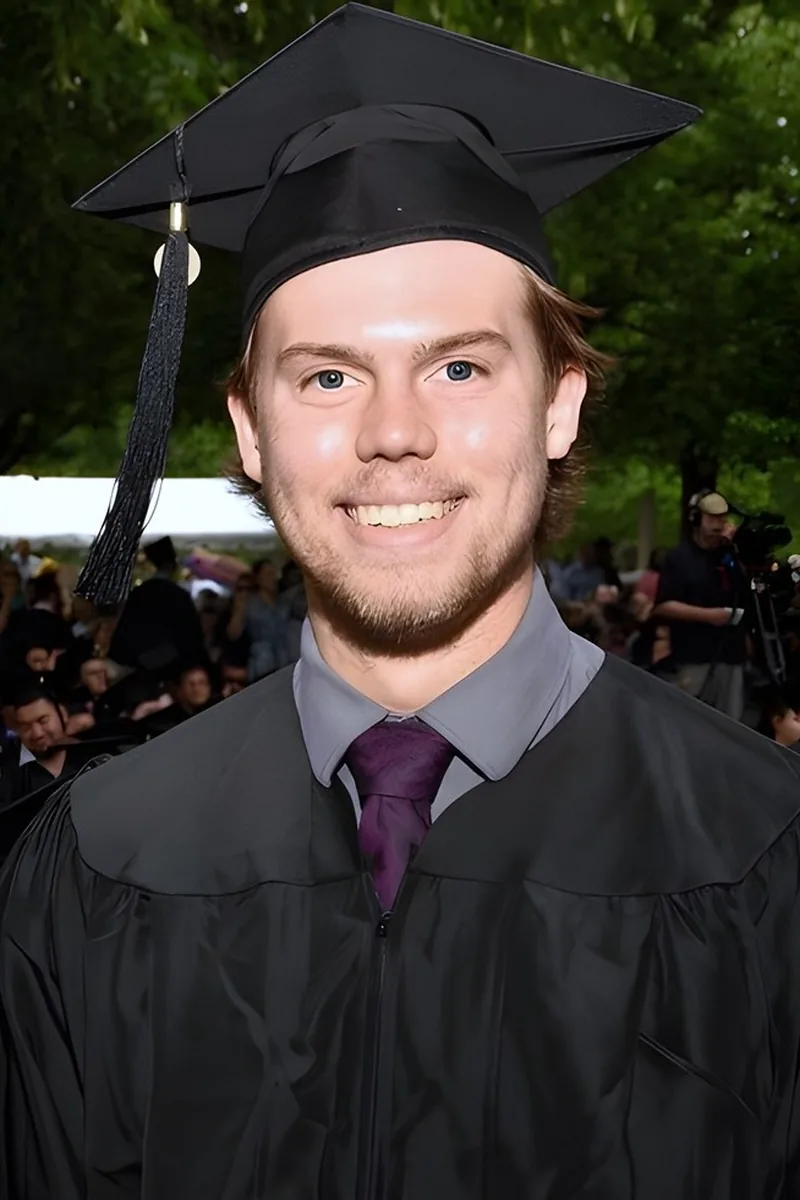
Philosophy trains you to dissect arguments, trace ideas across centuries, and write with precision — three skills that map directly onto AP Art History's demand for contextual analysis and evidence-driven free-response essays. Patrick applies that philosophical lens to the 250-image set, teaching students to treat works as visual arguments shaped by the belief systems, ethical debates, and intellectual movements of their time.

This is Shelby's home turf. As Assistant Curator of Visual Resources in Vanderbilt's History of Art department, she works daily with the kinds of images, architectural plans, and cultural objects that appear on the AP Art History exam. She breaks down the 250-image set by teaching students to compare works across time periods using formal analysis vocabulary — line, composition, patronage, function — rather than brute-force memorization.
Studying ancient Mediterranean civilizations at Carleton means Emma lives in the material AP Art History covers — Greek temple architecture, Roman sculptural programs, Near Eastern reliefs. She connects visual analysis to the historical and cultural contexts that the AP exam rewards, teaching students to write comparative essays that go beyond surface-level description.
Growing up as the person who dragged her parents through art museums, Charlotte developed an instinct for contextualizing visual works within the stories and power structures behind them — the exact skill AP Art History's exam is built to measure. Her NYU Drama training sharpened her ability to read imagery as performance, teaching students to analyze how artists stage meaning through composition, space, and symbolism for the free-response essays.
Studying for a degree in secondary history and government education with an art history minor at the University of Kansas, Emma is building the exact academic foundation this exam covers — the intersections of political systems, cultural movements, and artistic production. She's especially effective at teaching students how debates over power and governance show up in visual culture, from ancient civic architecture to Cold War–era public art. Rated 5.0 by students.
Christianna holds a master's in architecture, which means she doesn't just teach AP Art History's required works — she can explain the structural innovations behind the Pantheon's dome, the flying buttresses at Chartres, or Le Corbusier's use of reinforced concrete. That firsthand design knowledge turns memorization of periods and styles into genuine understanding of how and why art was made.
Varun's Government and Film and Media Studies degrees give him two angles that converge neatly in AP Art History — he understands how political power and visual storytelling shape the production and reception of art across cultures. He teaches students to analyze works from the 250-image set through the lens of propaganda, patronage, and media, turning the contextual essay prompts into something that feels more like building an argument than recalling facts. Rated 4.8 by students.
The AP Art History exam asks students to do something surprisingly difficult: look at an image they may have never seen and write a convincing argument about its cultural context in minutes. Monitha's philosophy background at Michigan sharpened exactly that skill — constructing tight, evidence-based claims under pressure. She teaches students to move between visual analysis and historical argumentation without losing the thread.
Most students walk into AP Art History expecting to memorize 250 images and call it a day. Rachel reframes the course around the questions the exam actually asks: how context shapes artistic choices, how form communicates meaning, and how to write a sharp comparative analysis under time pressure. Her background in political science adds depth when discussing art tied to power, propaganda, and social movements.
I am not tutoring, I enjoy reading fiction, going to the movies, and spending time with my friends and family in the sunshine.
Traveling extensively across cultures gave Mat a firsthand sense of how art functions differently depending on its social and historical setting — the kind of cross-cultural thinking that drives AP Art History's contextual analysis questions. His history minor at NYU's Stern School of Business sharpened his ability to connect artistic production to broader economic and political forces, especially around patronage and trade. He teaches students to build arguments that link formal details to these larger narratives, which is where the exam's free-response points actually live.
Erica's English and Latin degrees from Oberlin give her a surprisingly useful toolkit for AP Art History — she can parse the cultural and literary contexts behind Classical and Renaissance works while teaching students to write the precise analytical prose the exam's free-response questions demand. Her experience across both humanities writing and K-12 instruction means she knows how to break down a comparison essay into manageable steps. Rated 5.0 by students.
Testimonials
Because the right AP Art History tutor makes all the difference.
Average Session Rating – Based on 3.4M Learner Ratings
Practice AP Art History
Free practice tests, flashcards, and AI tutoring for AP Art History
Nearby AP Art History Tutors
Other Tulsa Tutors
Related Social Studies Tutors in Tulsa
Frequently Asked Questions
AP Art History covers approximately 250 artworks and monuments spanning from prehistory to the present day, organized across four time periods. The course emphasizes understanding art within its historical, cultural, and social contexts rather than memorizing isolated facts. You'll study diverse artistic traditions from around the world, including European, African, Asian, and American art, and learn to analyze how artists respond to their environments and societies.
The exam consists of two sections: a 60-minute multiple-choice section with 80 questions, and a 90-minute free-response section with four essay prompts. The multiple-choice section tests your ability to identify artworks, understand historical context, and make connections between pieces. The free-response section requires you to analyze artworks, compare pieces across time periods, and demonstrate your understanding of how art reflects broader historical themes.
Many students struggle with memorizing 250+ artworks and their contexts, especially when similar styles or periods blur together. Another common challenge is moving beyond simple description to deeper analysis—understanding why an artwork matters historically and culturally. Time management on the exam is also difficult, as students must quickly identify artworks and write coherent essays under pressure. Personalized tutoring helps you develop memory strategies, practice analytical writing, and build confidence with timed practice.
Score improvement depends on your starting point and commitment to practice, but students typically see meaningful gains by focusing on their specific weak areas. If you struggle with identification, targeted study of image recognition patterns can boost your multiple-choice performance. If essays are your challenge, working with a tutor on structured analysis frameworks and timed writing practice directly improves that section. Most importantly, personalized instruction helps you understand the 'why' behind artworks rather than just memorizing facts, which builds deeper comprehension and test confidence.
Most students benefit from starting AP Art History preparation 3-4 months before the exam if they're taking the course concurrently, or 6-8 weeks if they're doing focused review. The timeline depends on your familiarity with art history and your target score. A structured study plan should include regular image review (30-45 minutes daily), practice essays, and full-length practice exams in the final weeks. A tutor can help you create a personalized timeline and keep you on track with consistent progress.
The best tutors have deep knowledge of the AP Art History curriculum and understand the exam's specific demands—especially how to teach analytical writing and image identification strategies. Look for someone who has helped students prepare for the AP exam and can explain not just what artworks are, but why they matter historically. For students in Tulsa, Varsity Tutors connects you with expert tutors who understand the AP Art History exam format and can tailor instruction to your learning style, whether you need help with memorization, essay writing, or test-taking strategies.
Practice tests are essential for AP Art History because they help you identify which artworks and time periods you know well and which need more study. Full-length practice exams also build your stamina for the 150-minute actual exam and reveal your pacing challenges—whether you're spending too much time on certain questions or rushing through essays. Taking practice tests under timed conditions, then reviewing your answers with a tutor, helps you refine both your knowledge and your test-taking strategy before exam day.
Test anxiety in AP Art History often stems from fear of forgetting artworks or being unable to analyze them quickly enough. Building confidence through repeated practice with the same image set and essay prompts helps—you'll recognize patterns and develop faster analysis skills. Working with a tutor on stress-management strategies, like breaking the exam into manageable chunks and practicing deep breathing during timed drills, also reduces anxiety. The more prepared you feel with real practice, the calmer you'll be on test day.
Let’s find your perfect tutor
Answer a few quick questions. We’ll recommend the right plan and match you with a top 5% tutor.