Award-Winning AP US History Tutors
serving Tulsa, OK
AP US History
Tutors in Tulsa
Private 1-on-1 tutoring, weekly live classes for academic support, test prep & enrichment, practice tests and diagnostics, and more to elevate grades and test scores.
Based on 3.4M Learner Ratings
UniversitiesSchools & Universities
DeliveredHours Delivered
ProficiencyGrowth in Proficiency
Who needs tutoring?
No obligation. Takes ~1 minute.
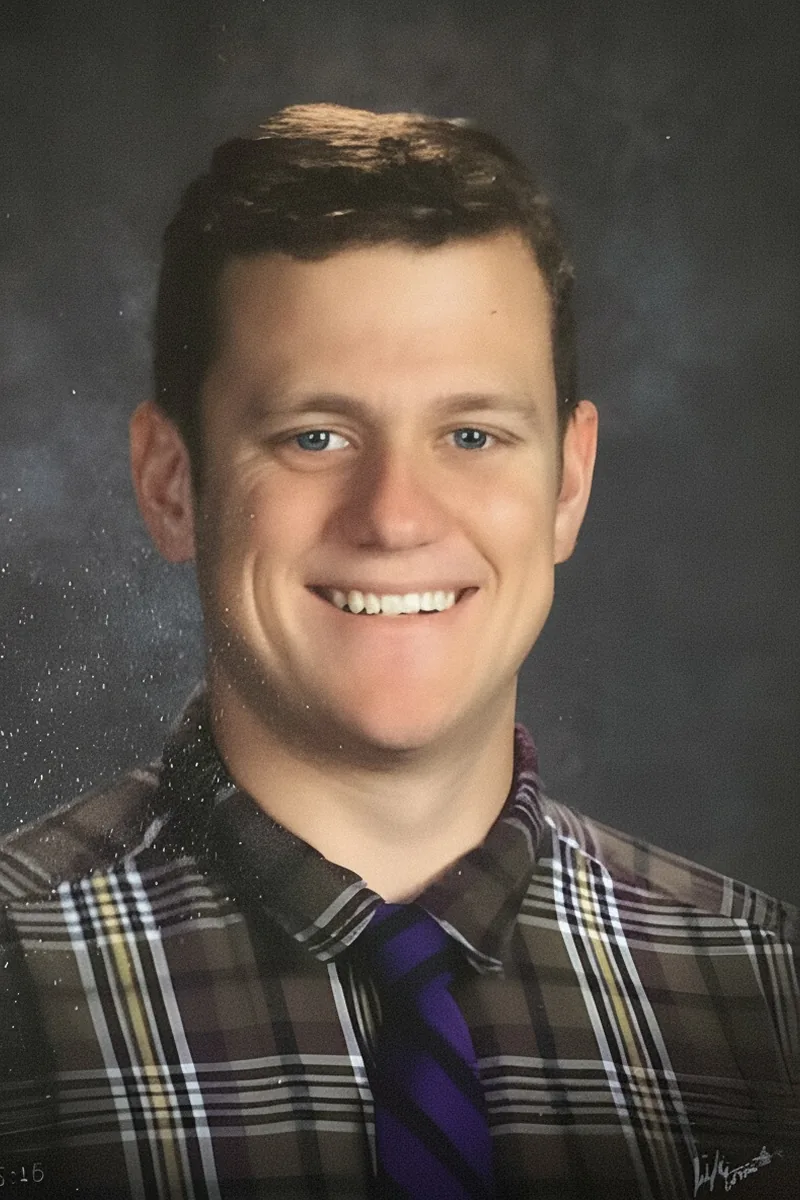
I am excited to be working with Varsity Tutors. I currently teach middle and high school social studies at Bishop Dunne Catholic School in Dallas. I teach 8th Grade US History, Spanish 3, AP Microeconomics, and Economics. I also have experience tutoring middle school Math while in college.

Studying History and American Studies at Columbia means Rachel is immersed in the exact content APUSH covers — not as a survey, but through the kind of primary source analysis and historiographical debate the exam's DBQ and LEQ actually test. Her work as an investigator and research assistant for public defense organizations sharpened a specific skill that transfers directly: building a narrative from fragmentary evidence under pressure. A 35 ACT and 4.9 rating back up the timed analytical performance the exam demands.
A master's degree in Chinese politics means Elizabeth spent years analyzing how governments consolidate power, manage dissent, and navigate foreign relationships — the same analytical framework that unlocks APUSH's toughest comparative and causation questions, from Cold War containment policy to debates over executive authority. Her 1500 SAT and government coursework ground her in the primary-source reasoning and argumentative writing the DBQ demands. Rated 5.0 by students.
Kirstie's liberal arts training and Master's in Education come together most visibly in APUSH's essay sections, where students need to do two things at once — read primary sources with a literary eye and marshal them into a historically grounded argument. She leans heavily on her AP English skills when teaching document analysis, showing students how to identify an author's purpose and audience before they ever start writing their thesis. Rated 5.0 by students.
A semester at Madrid's top-ranked university taking upper-level history courses alongside Spanish students gave Meghan something unusual for APUSH prep — the habit of examining American events through an outsider's lens, which is exactly the kind of contextualization and perspective-shifting the DBQ rewards. Her journalism training at Northwestern also means she treats every primary source like a reporter would, interrogating authorship, audience, and purpose before folding it into a thesis-driven argument. Rated 5.0 by students.
Studying economics and public policy at the University of Chicago means Ethan spends his coursework analyzing the same forces — tariff debates, fiscal policy, institutional power shifts — that APUSH tests across every period from Hamilton's economic plan through Great Society legislation. That policy-analysis training makes him especially sharp on the causation and continuity-and-change reasoning the exam's essays demand, since he's used to tracing how one political decision cascades through decades of consequences. His 1550 SAT reflects the timed reading and argumentation stamina the DBQ requires.
Evaluating hundreds of fellowship candidates' writing and academic work at a nonprofit gave Will a finely tuned sense for what makes a historical argument land — clear thesis, precise evidence, purposeful structure — which is exactly what APUSH's DBQ and LEQ score for. His humanities and political science degree from Villanova, plus coursework at Cambridge, means he can connect American political development to broader intellectual currents in ways that strengthen periodization and contextualization essays. Holds a 5.0 rating.
Tessa is pursuing a double major in Mathematics and History, which means she's actively immersed in the kind of source analysis and historiographical thinking that APUSH tests — not recalling it from years ago. That combination also gives her a quantitative edge for the exam's data-interpretation questions, where students need to read economic charts or demographic tables and fold them into a larger argument. Her 36 ACT and 4.9 rating speak for themselves.
Theater training builds a surprisingly useful APUSH skill — Amber knows how to read a text for subtext, audience, and intent, which is exactly what document-based questions ask students to do with political speeches, editorials, and propaganda. Her 1570 SAT and 35 ACT reflect the kind of timed analytical performance the exam rewards, and her casting background means she's practiced at quickly sizing up what someone is really trying to communicate. Rated 5.0 by students.
Kristin's University of Chicago BA required the kind of intensive primary source analysis and argumentative writing that APUSH essays directly test — she spent years constructing evidence-based claims under the school's famously rigorous Core Curriculum. Her philosophy minor adds a layer of logical precision to thesis construction, particularly on LEQs where students need to sustain a causal or comparative argument across multiple periods without losing the thread. Rated 5.0 by students.
The IB program's emphasis on extended essays and Theory of Knowledge — where students defend interpretive claims with structured evidence — builds the exact muscles APUSH's DBQ and LEQ require. Dalton completed the full IB diploma and now draws on that training to teach how to frame a historical argument around periodization or causation rather than just retelling events. His 35 ACT and 4.9 rating speak to the timed analytical performance the exam rewards.
Studying religion and psychology alongside Spanish gave Sydney an unusual toolkit for APUSH — she reads primary sources through the lens of cultural belief systems and social motivation, which is exactly what document-based questions reward when they ask about audience, purpose, and historical context. Her CLEP prep across American government, American literature, and humanities means she's already fluent in the political and cultural turning points the exam covers most heavily. Rated 4.9 by students.
Studying political science and government means Sarah spends her coursework inside the same constitutional debates, legislative battles, and shifts in federal power that APUSH tests most heavily — she's not reviewing this material secondhand but actively working through it in her current classes. That real-time fluency with American political development gives her a sharp handle on periodization and causation questions, especially from the founding era through twentieth-century policy reform. Rated 5.0 by students.
The AP US History exam tests a student's ability to construct document-based arguments under pressure, not just recall dates. Samantha tackles DBQ and LEQ writing head-on, teaching students to identify historical context, weigh evidence, and write essays that earn synthesis and complexity points. Her background in English gives her a particular edge on the writing-heavy portions of the exam.
Testimonials
Because the right AP US History tutor makes all the difference.
Average Session Rating – Based on 3.4M Learner Ratings
Practice AP US History
Free practice tests, flashcards, and AI tutoring for AP US History
Nearby AP US History Tutors
Other Tulsa Tutors
Related Social Studies Tutors in Tulsa
Frequently Asked Questions
AP US History spans from pre-Columbian America through the present day, organized into nine thematic learning objectives. The course emphasizes major themes like identity, work, exchange, and conflict across different time periods. You'll study key events, figures, and movements—from colonial settlement and the Revolution through the Civil War, Reconstruction, industrialization, and modern America. A tutor can help you master both the chronological narrative and the thematic connections that the AP exam emphasizes.
Score improvement depends on your starting point and how consistently you engage with tutoring. Students who work with a tutor on targeted practice, test-taking strategies, and weak content areas typically see meaningful gains—often 1-2 points on the AP scale. The key is identifying which periods, themes, or question types challenge you most, then building systematic practice around those areas. Regular practice tests and feedback between sessions accelerate improvement.
Many students struggle with the sheer volume of content—125 years of American history condensed into one course. Others find the multiple-choice section tricky because questions require both factual knowledge and analytical thinking about cause-and-effect relationships. The free-response section (DBQ and essays) challenges students who haven't practiced organizing complex arguments with specific evidence. A tutor can help you develop strategies for managing content, analyzing primary sources, and structuring compelling written responses under time pressure.
Effective strategies include: reading questions before passages on the multiple-choice section to focus your reading; eliminating obviously wrong answers to improve odds; and managing your time carefully across all three sections. For the DBQ, spend time analyzing documents before writing to build a strong thesis. For essays, outline your argument in 2-3 minutes before writing to stay organized. A tutor can help you practice these strategies on real AP exams so they become automatic on test day.
Your first session typically focuses on understanding where you stand. A tutor will likely discuss your current grade, any practice test scores you have, and which topics or question types feel most challenging. You might take a diagnostic practice test or work through sample questions together to identify patterns in your thinking. This helps your tutor create a personalized plan targeting your specific needs—whether that's content review, test strategy, or essay writing skills.
Practice tests are essential—they're the best way to build stamina, get comfortable with the exam format, and identify weak areas. Taking full-length practice tests under timed conditions helps you experience the real test pressure and refine your pacing strategy. After each practice test, reviewing your mistakes matters more than the score itself; understanding why you missed questions reveals gaps in knowledge or strategy. A tutor can guide you through practice test analysis to turn mistakes into learning opportunities.
Strong AP US History essays require a clear thesis that directly answers the prompt, specific historical evidence to support your argument, and analysis explaining how your evidence proves your point. Many students lose points by listing facts without connecting them to their thesis. A tutor can help you practice outlining essays quickly, selecting the most relevant evidence, and writing concisely under time constraints. Regular practice with feedback on your drafts accelerates improvement in this critical section.
Varsity Tutors connects you with expert tutors who specialize in AP US History and understand what the exam requires. When you reach out, you can share your current level, goals, and preferred meeting style, and we'll match you with a tutor whose expertise fits your needs. Whether you need help with specific time periods, essay writing, or overall test strategy, we can find someone experienced in helping Tulsa students succeed on the AP exam.
Let’s find your perfect tutor
Answer a few quick questions. We’ll recommend the right plan and match you with a top 5% tutor.