Award-Winning Math Tutors
serving Oklahoma City, OK
Math
Tutors in Oklahoma City
Private 1-on-1 tutoring, weekly live classes for academic support, test prep & enrichment, practice tests and diagnostics, and more to elevate grades and test scores.
Based on 3.4M Learner Ratings
UniversitiesSchools & Universities
DeliveredHours Delivered
ProficiencyGrowth in Proficiency
Who needs tutoring?
No obligation. Takes ~1 minute.
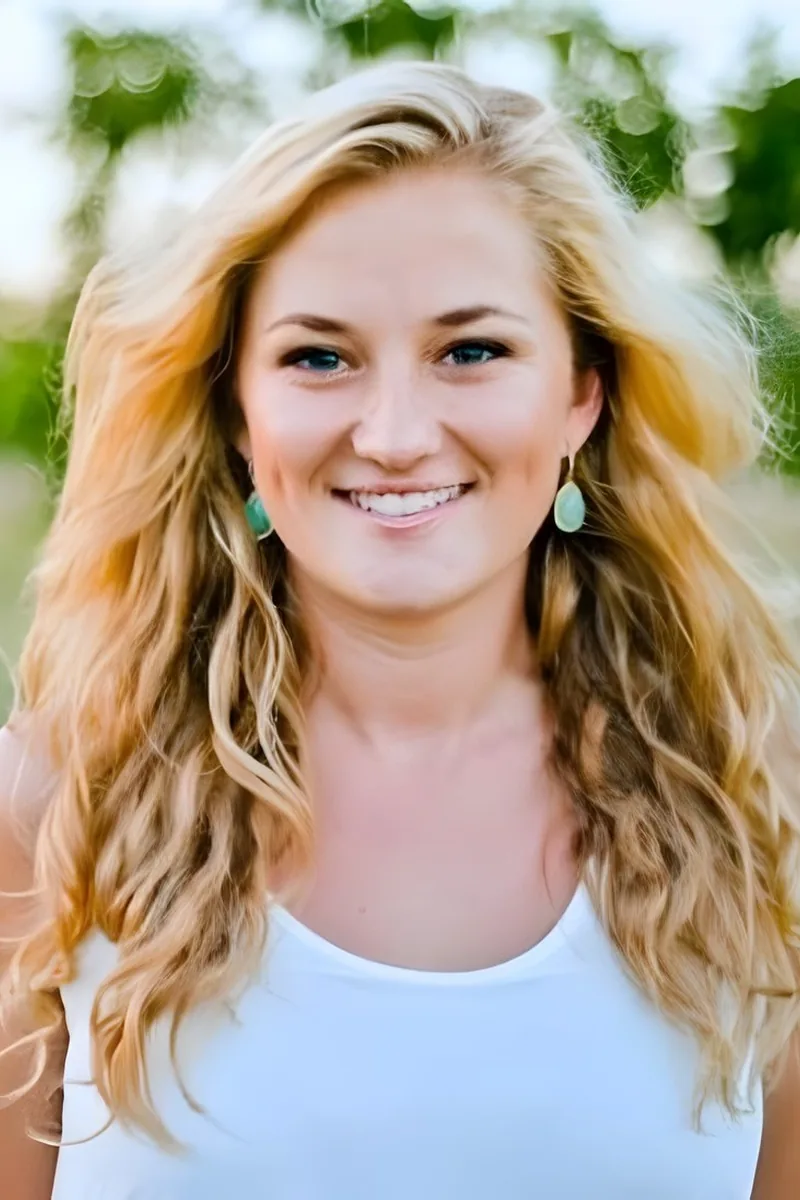
While Emily's primary expertise lives in the humanities, she also tutors foundational math concepts like fractions, proportions, and basic algebraic reasoning. Her approach leans on real-world context — budgeting scenarios, data interpretation, word problems — which tends to click for students who struggle with abstract number manipulation on its own.
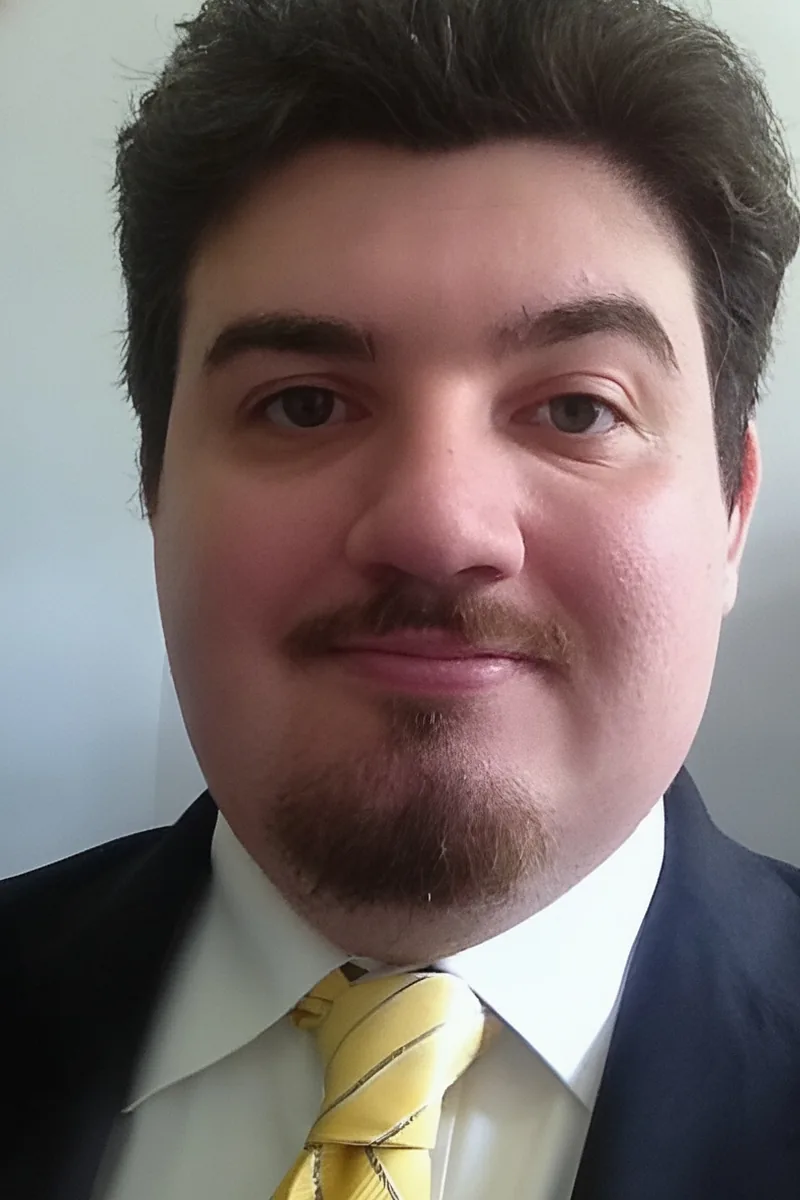
From pre-algebra fundamentals through multivariable calculus, Cory covers an unusually wide range of math — and his 1550 SAT and 33 ACT back up that breadth with demonstrated skill. As a chemical engineer, he uses math daily and teaches it as a connected set of ideas rather than isolated procedures. Whether a student is stuck on fraction operations or integration techniques, he pinpoints exactly where the reasoning breaks down.
From fractions and ratios through polynomial functions, Daniyal treats math as a language — each new concept building vocabulary for the next. A neuroscience major who scored 1520 on the SAT, he breaks abstract problems into concrete steps so students actually understand the reasoning behind each solution rather than just mimicking a procedure.
While Jordan's primary expertise is in language and writing, a 33 ACT composite demonstrates solid mathematical fluency across arithmetic, pre-algebra, and algebra concepts. Students working through foundational math — fractions, ratios, order of operations, or basic equation-solving — get a tutor who explains processes in plain language rather than relying on jargon.
Certified to teach math and experienced across grade levels from elementary through high school, Anna approaches the subject as a toolkit rather than a set of disconnected procedures. Whether a student is stuck on fraction operations or working through function transformations, she traces each concept back to the underlying logic so the next topic doesn't feel like starting from scratch.
From simplifying fractions to solving systems of equations, Blake approaches math by making sure each concept connects logically to the next — so a student who understands slope isn't starting from scratch when they hit linear inequalities. His science background means he naturally ties abstract procedures to real problems, like unit conversions or rate calculations, that show why the math matters. That context makes new topics stick faster.
From pre-algebra fundamentals through calculus, Adam covers the full math pipeline and knows exactly where students tend to lose the thread. His engineering degree means he doesn't just teach procedures — he explains why cross-multiplication works, what a slope actually represents, or how fractions connect to ratios they'll see in science classes later. Rated 4.5 by students.
As a mathematics major who scored a 35 ACT, Robert lives and breathes this subject across every level — from basic arithmetic reasoning through competition-level problem solving. He's especially good at identifying the exact concept a student is shaky on and rebuilding understanding from that specific point forward, rather than re-teaching material they've already mastered.
While writing and English are Marisa's primary strengths, she also teaches math and brings a structured, step-by-step approach to problem-solving that appeals to students who feel lost in a traditional math classroom. Her background in technical writing means she's practiced at breaking complex processes into clear, sequential explanations.
Philosophy trained Carson to follow a chain of logic wherever it leads — spotting where an argument breaks down, testing each premise — which is essentially what solving a multi-step algebra or calculus problem demands. His 35 ACT and 1510 SAT confirm he can execute on the quantitative side, not just reason abstractly. He's especially effective at teaching students to slow down and identify exactly which step in a problem went sideways, rather than restarting from scratch every time.
Casandra's biochemistry training at Oklahoma State — followed by two master's programs in molecular medicine — meant years of applied math: kinetics equations, statistical analysis of experimental data, dose-response curves, and quantitative modeling that required real fluency with algebra, trig, and calculus. That science-heavy path gives her a concrete answer whenever a student asks "when will I actually use this?" She teaches math from pre-algebra through calculus, connecting each concept to something tangible rather than leaving it as an abstraction on the board.
Testimonials
Because the right Math tutor makes all the difference.
Average Session Rating – Based on 3.4M Learner Ratings
Practice Math
Free practice tests, flashcards, and AI tutoring for Math
Nearby Math Tutors
Other Oklahoma City Tutors
Related Math Tutors in Oklahoma City
Frequently Asked Questions
Tutors work with your student to understand their specific textbook, course sequence, and teaching approach—whether that's traditional methods or newer conceptual frameworks. With 21 school districts across Oklahoma City using different materials and pacing, experienced tutors quickly identify gaps between what's being taught in class and where your student needs support, then tailor instruction accordingly.
Yes. Math anxiety often stems from feeling rushed or not understanding the 'why' behind procedures. Personalized 1-on-1 instruction lets tutors slow down, explain concepts thoroughly, and celebrate small wins—which builds genuine confidence over time. As students see patterns and connections they missed before, test anxiety naturally decreases because they actually understand the material.
Word problems require translating language into math—a skill that's often taught separately from computation. Tutors teach problem-solving strategies like identifying key information, drawing diagrams, and breaking multi-step problems into manageable pieces. With guided practice and feedback, students develop the confidence to tackle unfamiliar problems rather than freezing when the math is wrapped in words.
Showing work reveals thinking, not just answers—it helps teachers (and tutors) identify where misconceptions happen. When a student gets the right answer but for the wrong reason, tutors can catch it and correct the underlying misunderstanding before it compounds. This also builds the problem-solving habits that matter in higher math, where conceptual understanding is essential.
Absolutely. The jump from solving equations to visualizing them on a graph requires connecting abstract symbols to spatial reasoning—a big conceptual leap. Tutors help students see the relationship between an equation and its graph by using multiple representations: tables, graphs, and real-world contexts. This deeper understanding makes later topics like systems of equations and functions much more manageable.
Proofs require logical reasoning and justification—a completely different skill from computation. Tutors teach the structure of proofs step-by-step, helping students understand why each statement needs support and how to build a logical chain. With practice on simpler proofs first, students develop the confidence and reasoning skills needed for more complex geometric arguments.
The first session is about understanding where your student is and what they need. Tutors assess current skills, identify specific pain points (word problems, multi-step equations, graphing, etc.), and learn about their learning style. They'll also discuss goals—whether it's catching up, staying ahead, or building confidence—so personalized instruction can start immediately in session two.
Procedural understanding is knowing *how* to do something (follow steps to solve an equation), while conceptual understanding is knowing *why* it works. Students with only procedural skills struggle when problems look different or require adapting strategies. Tutors build both by explaining the reasoning behind procedures, connecting new topics to prior knowledge, and helping students see the patterns that make math make sense.
Let’s find your perfect tutor
Answer a few quick questions. We’ll recommend the right plan and match you with a top 5% tutor.