Award-Winning History Tutors
serving Toledo, OH
History
Tutors in Toledo
Private 1-on-1 tutoring, weekly live classes for academic support, test prep & enrichment, practice tests and diagnostics, and more to elevate grades and test scores.
Based on 3.4M Learner Ratings
UniversitiesSchools & Universities
DeliveredHours Delivered
ProficiencyGrowth in Proficiency
Who needs tutoring?
No obligation. Takes ~1 minute.
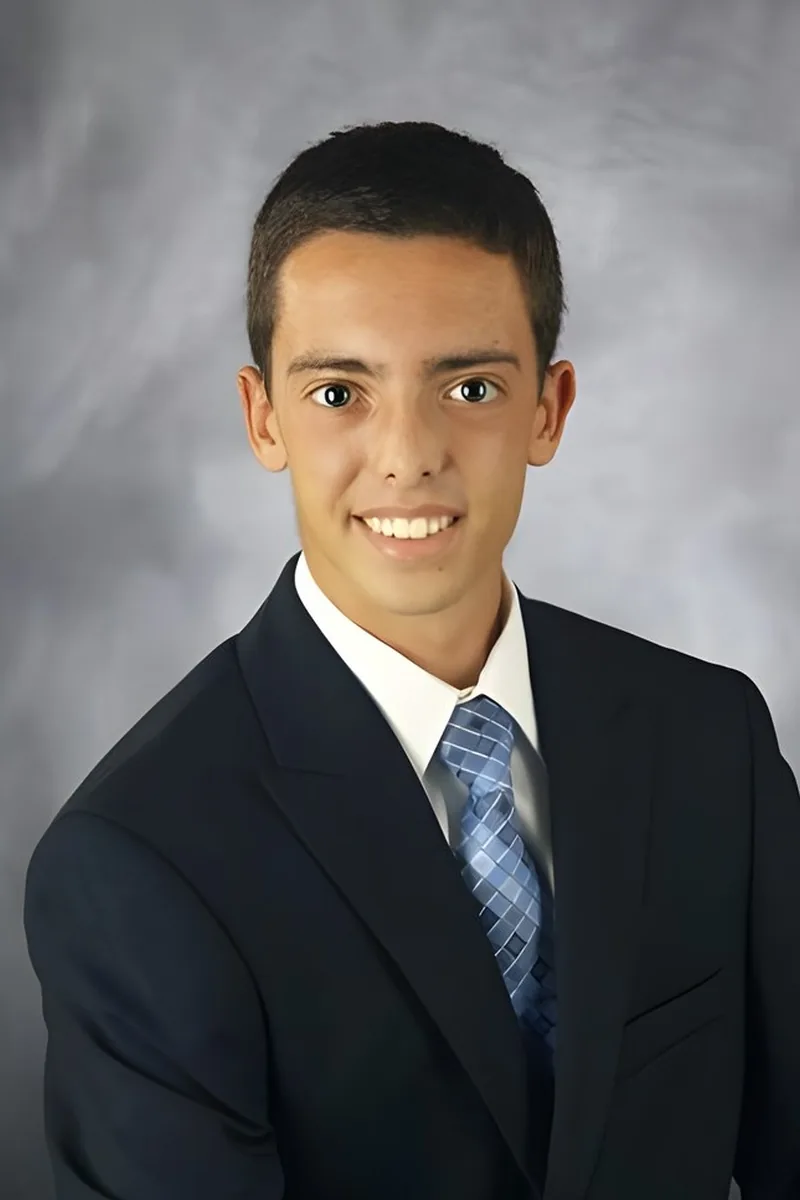
Neuroscience trains you to think about why people do what they do — how fear, reward, and social pressure shape decision-making — and Benjamin brings that same lens to historical analysis, particularly when students need to unpack the motivations behind political movements or wartime decisions. Living abroad in Romania has also sharpened his awareness of how Eastern European history gets flattened in American textbooks, giving him concrete context for Cold War and post-Soviet topics. His Russian language fluency means he can actually read primary sources that most tutors only encounter in translation.
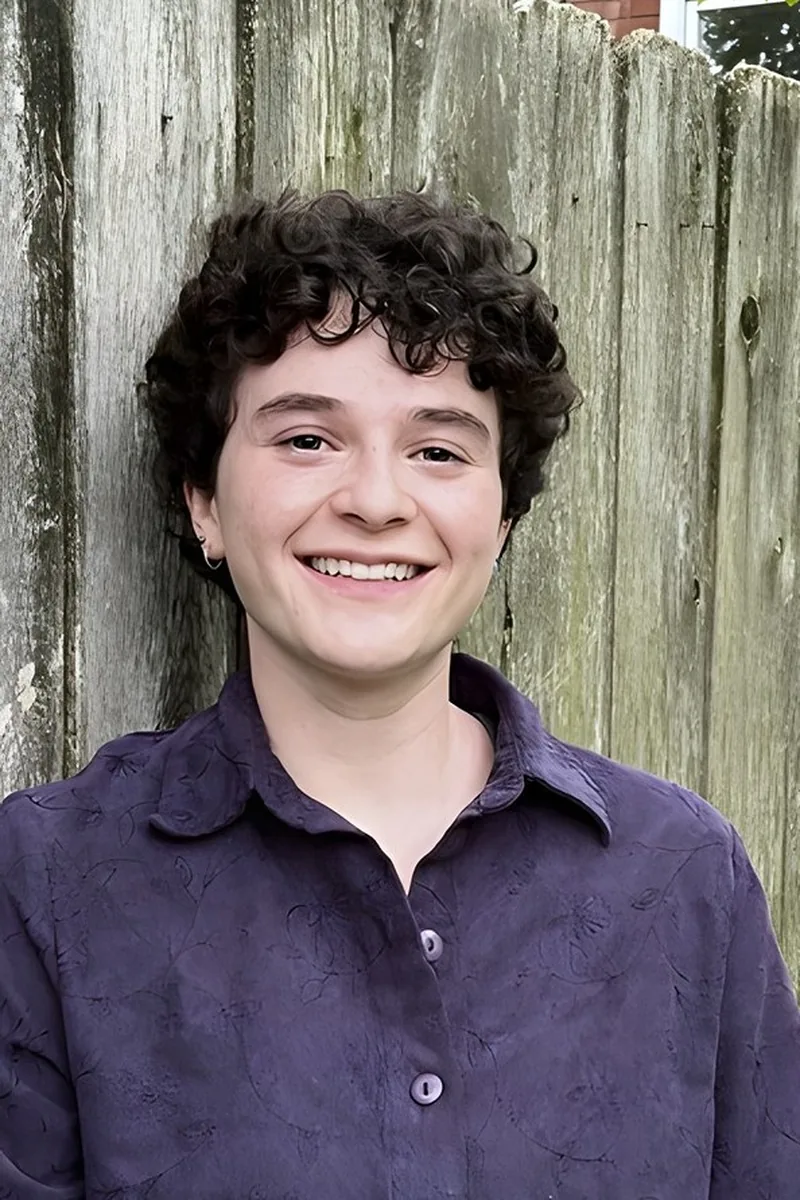
Treating history as a collection of dates to memorize misses the point entirely. Emma approaches it as an exercise in argument and evidence — teaching students to analyze primary sources, identify cause-and-effect chains, and write document-based responses that demonstrate genuine historical thinking rather than surface-level recall.
A medical school student with a master's in bioethics, Hyerin naturally gravitates toward the ethical and scientific dimensions of history — debates over public health policy, the politics of medical experimentation, or how economic pressures shaped social reform movements. She teaches students to pull apart historical arguments and build essay responses grounded in specific evidence. Rated 4.9 by students.
A math degree might seem like an odd fit for history, but Patrick's training in logical argumentation — building proofs step by step from premises to conclusions — maps directly onto constructing thesis-driven historical essays. He teaches students to treat a DBQ prompt the way you'd approach a proof: identify what you need to show, gather your evidence, and build the case with no wasted steps.
Teaching college-level chemistry means Jennifer spends every day doing what history courses actually test: walking students through complex, interconnected systems and asking them to explain *why* something happened, not just *what*. She brings that same cause-and-effect rigor to historical analysis, particularly when students need to construct thesis-driven essays or unpack how political and economic forces converged around events like industrialization or wartime policy shifts. Rated 4.9 by students.
Elena's Religious Studies degree from McGill and Biblical Studies master's from Edinburgh mean she spent years doing exactly what history demands — interpreting ancient texts, reconstructing cultural contexts, and arguing about what sources actually reveal versus what later generations assumed. She brings that training to topics like world civilizations, religious conflicts, and cross-cultural exchange, where understanding belief systems and institutions is half the battle. Named Scotland's International Young Thinker of the Year in 2014, she has a knack for making even dense historical material feel lively and accessible.
A master's in social sciences and a bachelor's in French means Lauren spent years doing exactly what history courses demand — reading primary sources in their cultural context and building arguments about how societies change over time. She's particularly sharp on topics where French and European history overlap with broader social forces, like revolution, colonialism, and cultural exchange. Rated 5.0 by students.
Epidemiology is essentially detective work through history — tracing how wars, famines, trade routes, and political decisions created the conditions for pandemics and public health crises. Emily's MPH work at Yale in epidemiology and global health means she teaches history through those causal chains, showing students how to connect social, economic, and political forces into the kind of argument that earns top marks on essays and DBQs. Rated 5.0 by students.
Vinay's MPA in Development Practice from Columbia involved deep engagement with political institutions, economic systems, and global policy — all of which ground his approach to teaching history as interconnected cause-and-effect rather than isolated dates. He's especially strong at coaching students to build document-based arguments and connect historical evidence to broader themes like power, migration, and economic change.
Arielle earned her history degree at Yale, where she learned to treat history not as a list of dates but as an ongoing argument built from evidence. She teaches students to analyze primary sources, identify cause-and-effect relationships, and construct their own historical interpretations. That analytical approach transfers directly to the document-based questions and essays students encounter in class.
Strong history students don't just memorize dates — they learn to read a primary source the way a detective reads a crime scene, asking who wrote it, why, and what's missing. Amy approaches historical material with the same close-reading instincts she uses as an English major at Penn, teaching students to construct arguments from evidence rather than retell a textbook narrative.
A biology undergrad and biomedical sciences graduate student, Sarah knows how to read through layers of complex material and extract the core argument — a skill that maps directly onto analyzing historical documents and constructing thesis-driven essays. She teaches students to treat primary sources the way a scientist treats data: ask what the evidence actually supports, not what you assumed going in. Rated 5.0 by students.
Rahul's genuine curiosity about history — it's one of his go-to hobbies alongside sourdough baking and gardening — means he tutors the subject with real enthusiasm rather than treating it as an afterthought. His engineering training at Cornell sharpened his ability to break complex systems into causes and consequences, a skill he applies directly to helping students outline thesis-driven essays and organize historical evidence into persuasive arguments.
Emma's Education minor at Cornell has her regularly dissecting how historical context shapes policy and social institutions — skills that translate directly into the kind of sourcing and period analysis history courses demand. Her background in Human Development also gives her a unique angle on topics like immigration, civil rights, and family policy, where understanding human motivation makes the history richer. Rated 5.0 by students.
Engineering coursework at Johns Hopkins means Christine spends most of her time solving technical problems — but biomedical engineering specifically requires understanding how scientific discoveries, public health crises, and government regulation have shaped medicine over centuries. That historical awareness translates directly to teaching students how to build cause-and-effect arguments in history essays, especially around topics like industrialization, public health reform, or the politics of scientific progress. Rated 5.0 by students.
Christian treats history as an exercise in argument and evidence, not memorization of dates. His interest in intellectual property law means he's especially sharp on how economic forces, legal frameworks, and technological change intersect — and he teaches students to read primary sources with that same analytical lens when constructing DBQ and essay responses.
Emma's Classical Studies minor at Duke — focused on ancient Greece and Rome — gave her deep practice in the skills that matter most in history: evaluating primary sources, understanding how civilizations change over time, and constructing evidence-based arguments. She treats history as a discipline built on interpretation rather than memorization, teaching students to connect causes, consequences, and context when writing essays or preparing for exams.
Nathan treats history as an exercise in constructing arguments from evidence, not memorizing dates. His analytical training at Vanderbilt translates directly into teaching students how to evaluate primary sources, identify cause-and-effect chains, and write document-based essays that demonstrate genuine historical thinking.
Yusef's political science degree and his Cambridge MPhil in Development Studies gave him deep practice in the skill that matters most in history courses: constructing causal arguments from primary and secondary sources. He teaches students to move past memorizing dates and instead analyze how political, economic, and social forces interact to shape events.
Studying political science alongside mathematics at Vanderbilt, Priya reads history not as a list of dates but as a series of cause-and-effect chains shaped by economics, ideology, and power. She teaches students to analyze primary sources, identify historiographical arguments, and write document-based essays that do more than summarize. That analytical framework turns a memorization-heavy subject into something closer to detective work.
Studying environmental toxicology means understanding how policy, industry, and science collide across decades — which gives Amy a concrete lens for teaching history. She connects events to cause-and-effect chains and walks students through how to build document-based arguments rather than just memorize dates.
A good history student learns to read sources the way a journalist reads a tip — skeptically, looking for context and motive. Peter's journalism background and education training come together in lessons that teach students to analyze primary documents, trace cause and effect across eras, and build arguments supported by evidence.
Dillon teaches history the way he learned to approach engineering problems — by asking what caused what, who benefited, and what evidence supports the claim. As a high school teacher pursuing an education administration degree, he's steeped in how historical context shapes modern institutions, particularly urban school systems and policy decisions. Students walk away knowing how to build a historical argument, not just recall dates.
A background in political science, public policy, and law means Jera reads history the way historians do — as a series of causes, consequences, and competing interpretations rather than a list of dates. She teaches students to build evidence-based arguments about historical events, a skill that pays off whether the assignment is a DBQ, a research paper, or a class discussion. Her emphasis is always on the "why" behind the "what."
Public policy analysis at Vanderbilt requires Cynthia to constantly dig into the historical roots of modern institutions — how legislative decisions, social movements, and demographic shifts created the systems we study today. That training makes her especially effective at teaching students to trace cause-and-effect across time periods and turn historical evidence into structured, persuasive essays. Rated 5.0 by students.
Memorizing dates and names only gets a student so far in history; the real challenge is constructing arguments about cause, effect, and significance using evidence. Eshita's analytical training in neuroscience translates surprisingly well here — she teaches students to treat historical claims like hypotheses and evaluate sources the way a researcher would.
John treats history as an exercise in constructing arguments from evidence, not memorizing dates and names. He teaches students to read primary sources critically, identify cause-and-effect chains, and write document-based essays that connect specific events to broader historical patterns.
Software engineering teaches you to debug complex systems by tracing problems back to their root causes — Michael applies that same logic to history, showing students how to follow chains of political, economic, and social factors that led to major events. His CS background also means he's unusually good at helping students organize messy material into structured, thesis-driven essays, treating an argument like architecture rather than a brain dump. Rated 4.9 by students.
Data analytics is fundamentally about finding patterns in messy information — a skill Vishank brings directly to history, where students need to sift through conflicting sources and pull out the throughline that explains why events unfolded the way they did. His biomedical and public health coursework at Ohio State also means he can connect historical topics like industrialization, pandemics, and social reform to the data-driven questions that make them click for analytically minded students. Rated 4.9 by students.
Teaching science lessons to Nashville middle schoolers through Vanderbilt Student Volunteers for Science means Carly regularly explains how discoveries like evolution and genetics fit into their broader historical context — who made them, what was at stake politically, and why certain ideas were resisted for decades. That practice of connecting scientific breakthroughs to the social and political forces surrounding them gives her a specific angle on history that's especially useful for units on the Scientific Revolution, the Enlightenment, or Cold War-era science policy. Rated 5.0 by students.
A math and economics major at Penn, Bryan constantly encounters history through the economic lens — how monetary policy, inequality, and resource allocation drove everything from industrialization to modern trade disputes. That quantitative mindset sharpens his approach to document-based questions and essay prompts, where he teaches students to build arguments around concrete causes rather than vague summaries of events. Rated 4.9 by students.
An English major at Yale, Curtis reads historical texts the way he reads literature — closely, with an eye for how authors construct arguments and what their language reveals about the era they lived in. That close-reading instinct is exactly what document-based questions and history essays reward, since the difference between a good answer and a great one usually comes down to how precisely a student interprets the source material. His perfect 36 ACT reflects the kind of analytical reading and writing skill that carries across disciplines.
Timelines and dates are the skeleton of history, but the real challenge is explaining *why* events unfolded the way they did. Lilian digs into causation and consequence — asking students to trace how, for example, economic pressures led to revolution or how technological change reshaped societies — so they can write stronger analytical responses and think critically about sources.
I am an upbeat and patient tutor. I like to make learning as fun as possible, and I'm constantly learning new things.
Three years teaching 5th through 8th graders means Michelle knows exactly where students get lost in history — usually when they're asked to stop recalling facts and start explaining why events unfolded the way they did. Her Notre Dame science-business background trained her to think in systems and incentives, which she brings to teaching students how to connect economic pressures, political decisions, and social change into coherent arguments. Her M.Ed. in Secondary Education grounds that analytical instinct in actual classroom-tested pedagogy.
Teaching IB coursework in a public school setting meant Amanda regularly connected literary texts to their historical contexts — imperialism in postcolonial fiction, Cold War anxiety in mid-century American literature, Enlightenment philosophy embedded in Romantic poetry. That habit of reading literature as a product of its historical moment makes her especially effective at teaching students to analyze primary sources and construct document-based arguments. Her psychology background adds another layer, sharpening how she teaches students to evaluate the beliefs and social pressures behind historical decisions.
Reading history well means reading critically — figuring out why a source was written, who it was for, and what it leaves out. Kevin's background in both science and the humanities gives him an unusual lens for teaching students to evaluate cause-and-effect claims and spot bias in primary documents. His 5.0 rating speaks to how well that cross-disciplinary approach clicks with students.
Trace's comparative law studies at the Sorbonne and Cornell required deep engagement with European, American, and international political history — from constitutional founding documents to the evolution of criminal justice systems. He teaches students to analyze historical events through primary sources and competing interpretations, building the kind of argument-driven thinking that AP and college-level history courses demand.
Memorizing dates and names gets students through a quiz but not through an essay exam. Edith treats history as an exercise in argument-building, teaching students to trace cause and effect — why the Progressive Era emerged from Gilded Age conditions, or how Cold War policy shaped domestic politics — and defend those claims with evidence.
A biology degree builds one underrated skill that transfers directly to history: reading dense, detailed material and pulling out the argument that actually matters. Delaney applies that same evidence-sifting approach to historical source analysis, teaching students to identify cause-and-effect relationships and build structured essay arguments rather than defaulting to timelines of names and dates. Rated 5.0 by students.
Testimonials
Because the right History tutor makes all the difference.
Average Session Rating – Based on 3.4M Learner Ratings
Other Toledo Tutors
Related Social Studies Tutors in Toledo
Frequently Asked Questions
Many students struggle with memorizing dates and facts without understanding the broader context and cause-and-effect relationships between events. Others find it difficult to analyze primary sources, construct arguments using historical evidence, or see how past events connect to modern issues. Personalized tutoring helps students move beyond memorization by building critical thinking skills and creating meaningful connections between historical concepts, which leads to deeper comprehension and better performance on essays and exams.
In a classroom with a 17:1 student-teacher ratio, it's challenging for teachers to address each student's specific learning pace or gaps in foundational knowledge. Personalized 1-on-1 instruction allows tutors to identify whether a student struggles with essay writing, source analysis, or chronological understanding—and tailor lessons accordingly. This targeted approach means students spend time on what they actually need rather than reviewing material they've already mastered.
Varsity Tutors connects you with tutors who understand Ohio's Learning Standards for Social Studies and the specific curriculum used across Toledo's 32 school districts. Whether your student is working on Ohio History, U.S. History, World History, or AP-level courses, tutors customize lessons to match classroom expectations and help students excel on district assessments and standardized tests.
Yes—essay writing and primary source analysis are core skills in History that require targeted practice. Tutors work with students to develop thesis statements, organize arguments with historical evidence, and analyze documents for perspective, bias, and context. Through personalized feedback and revision, students build confidence in constructing well-supported historical arguments, which directly improves grades on essays, DBQs (Document-Based Questions), and AP exams.
Personalized tutoring focuses on the specific content and question types students will encounter—whether that's Ohio state assessments, SAT Subject Tests, or AP exams like AP U.S. History or AP World History. Tutors use practice tests, targeted review of weak topics, and strategies for analyzing multiple-choice and free-response questions to help students build both content knowledge and test-taking confidence.
The first session focuses on understanding your student's current level, learning style, and specific goals—whether that's improving grades, preparing for a test, or building stronger research and writing skills. The tutor will assess which topics need reinforcement and create a personalized plan moving forward. This foundation helps ensure every subsequent session is focused and productive.
Varsity Tutors connects students with tutors across all grade levels and History courses, including elementary social studies, middle school Ohio and U.S. History, high school World History and AP-level courses, and college-level History classes. Whether your student is building foundational chronological understanding or tackling advanced historiography, there's a tutor with expertise in that specific content area.
Many students see noticeable improvement within 4-6 weeks of consistent tutoring, especially when working toward a specific goal like an upcoming test or essay assignment. Longer-term benefits—like stronger critical thinking and sustained grade improvement—develop over a semester or more. The timeline depends on your student's starting point, frequency of sessions, and how actively they engage with the material between lessons.
Let’s find your perfect tutor
Answer a few quick questions. We’ll recommend the right plan and match you with a top 5% tutor.