Award-Winning AP Computer Science A Tutors
serving Toledo, OH
AP Computer Science A
Tutors in Toledo
Private 1-on-1 tutoring, weekly live classes for academic support, test prep & enrichment, practice tests and diagnostics, and more to elevate grades and test scores.
Based on 3.4M Learner Ratings
UniversitiesSchools & Universities
DeliveredHours Delivered
ProficiencyGrowth in Proficiency
Who needs tutoring?
No obligation. Takes ~1 minute.
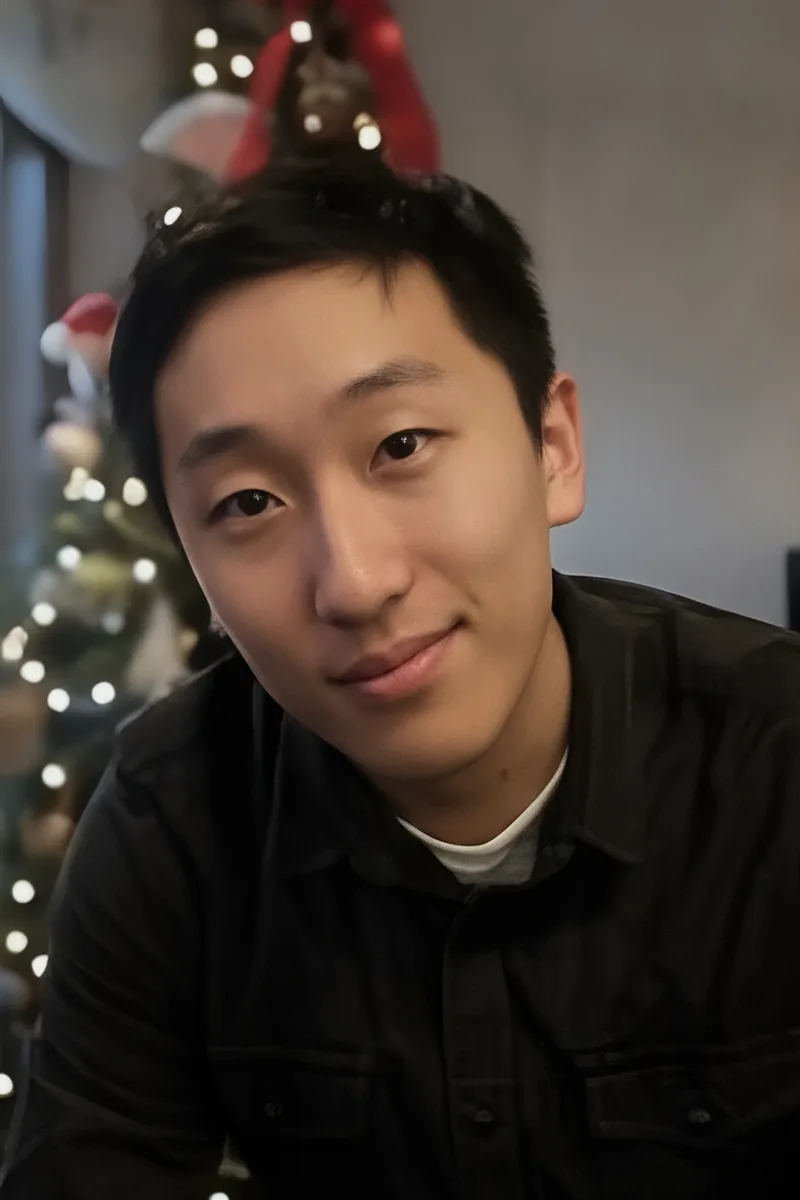
Mechanical engineering at Case Western means Kevin codes in MATLAB and CAD environments where logical structure matters — the same kind of structured thinking that Java's object-oriented model demands in AP CSA. He approaches topics like loop construction and array manipulation the way an engineer solves a design problem: define the inputs, trace the logic, then build. Rated 4.8 by students.

The AP Computer Science A exam lives and dies on Java fundamentals — array traversal, recursive methods, ArrayList manipulation, and class design. Maxwell breaks down each free-response question type so students learn to trace code execution step by step and catch the off-by-one errors and null-pointer pitfalls the exam is designed to test. He holds a 5.0 client rating.
As a computer science major at Case Western Reserve, Brian writes Java daily — the same language students need to master for AP Computer Science A. He tackles the concepts that trip students up most, like recursive methods, array manipulation, and object-oriented design, by assigning targeted practice problems that build real fluency with the exam format. Rated 5.0 by students.
Studying computer science engineering with a math minor at Ohio State, Samuel codes in Java daily — and his 36 ACT reflects the kind of precise, detail-oriented thinking that AP CSA's free-response section punishes you for lacking. He digs into the *why* behind object-oriented design, teaching students to trace through class relationships and recursive calls until they can predict exactly what a block of code will do before it runs.
A microbiology major might seem like an unusual fit for AP Computer Science A, but Sashwat's pre-med coursework means he writes code to analyze biological data — and that practical Java experience translates directly to the array manipulation, loop logic, and class design the exam tests. He approaches each concept by building small, testable programs that make abstract ideas like recursion and object interaction concrete.
Two years writing computerized tasks for Ohio State's Clinical Neuroscience Laboratory taught Luke to think like a programmer — designing logic flows, debugging behavioral scripts, and structuring code that had to run reliably in a research setting. He brings that same careful, build-it-and-test-it mindset to AP CSA topics like loop construction, array manipulation, and writing methods that do exactly what the prompt asks. Rated 4.8 by students.
Debugging a recursive method or tracing through an ArrayList manipulation separates students who understand Java from those who've just memorized syntax. Ankit studied computer science at Duke and tackles AP Computer Science A by building intuition around object-oriented design — inheritance, polymorphism, and class hierarchies — so students can reason through free-response problems confidently. Rated 4.8 by students.
I am interested in Physics and Mathematics and working out practical problems from plumbing to electronics. I will someday go back for my Ph.D. in Physics but until then I am looking to grow as an engineer or computer programmer.
Studying computer engineering at UIUC means David writes Java alongside hardware description languages and embedded systems code — so he sees object-oriented programming not as an abstraction but as something that eventually runs on real circuits. That perspective sharpens how he teaches AP CSA topics like class design and algorithm efficiency, because he's always asking what the code is actually *doing* under the surface. Holds a 5.0 rating.
Pursuing a CS degree at UNC Chapel Hill means Jack isn't just studying Java in theory — he's building with it in coursework and projects where understanding how objects, arrays, and control structures interact is non-negotiable. He brings that hands-on coding fluency to AP CSA's trickiest areas, like debugging multi-method programs and writing clean solutions under the time pressure of free-response questions. Rated 4.7 by students.
Object-oriented programming trips students up when inheritance hierarchies and polymorphism go from simple examples to complex, layered problems. Srini tackles AP Computer Science A by connecting Java concepts like recursion, array manipulation, and class design to the computational modeling he does in his biophysics coursework at Brown. Rated 4.8 by students.
Mechanical engineering at the college level means writing code that controls physical systems — and Corrina's background in robotics, Python, and machine learning gives her a programmer's instinct for how objects, methods, and data structures actually behave when something depends on them working correctly. She teaches AP CSA's trickier concepts like recursive logic and class design by grounding them in that engineering mindset, where every line of code has to do exactly what you think it does.
Years of professional software development give Utsav a working programmer's perspective on Java — he's written, debugged, and shipped real code, so AP CSA topics like object design, array manipulation, and recursive logic aren't academic exercises but daily tools. His Stanford math background also means he can unpack the formal reasoning behind why an algorithm works, which is exactly what the free-response section rewards.
Studying computer science at Cornell means Mohammed lives in Java — it's the language his program uses to teach data structures, algorithms, and the object-oriented thinking that AP CSA tests on every free-response question. He breaks down topics like array manipulation and recursive tracing by showing students how to read code the way he learned to: line by line, predicting exactly what happens at each step before running anything.
With a strong background in STEM education and administration, I am passionate about helping students achieve academic success through personalized learning. My experience as a high school STEM teacher has allowed me to guide students in subjects such as artificial intelligence, machine learning, renewable energy technology, supply chain management, and manufacturing systems. Additionally, my administrative expertise has honed my ability to provide structured and efficient support to learners of all levels. I have earned certifications from the Massachusetts Institute of Technology, International Business Machines (IBM), and the New York Institute of Finance, dedicating years to making complex concepts more engaging and accessible. My tutoring style is adaptive, ensuring that each student's unique learning needs are met with patience and clarity. I believe in creating a supportive learning environment where students feel confident in tackling challenges and mastering new skills. While I tutor a broad range of subjects, I am particularly passionate about STEM-related fields, as they shape the future of technology and innovation. Beyond academics, I enjoy exploring advancements in artificial intelligence, renewable energy solutions, and automotive technology. My goal is to inspire curiosity, critical thinking, and a lifelong love of learning in every student I work with.
The AP Computer Science A exam tests Java fluency across arrays, ArrayLists, object-oriented design, and recursive methods — and the free-response questions demand precise, hand-written code. William's daily work in Java at Northeastern means he can pinpoint exactly where a student's logic breaks down in a loop or class hierarchy. He drills the exam's most common patterns so students walk in knowing what to expect.
Currently studying Computer Science and Data Science at NYU's Courant Institute, Diego writes code in C++, Python, and Java as part of his daily coursework — so AP CSA's object-oriented concepts like arrays, loops, and class structure are things he's actively using, not distantly remembering. His 34 ACT speaks to the kind of careful, detail-oriented thinking that pays off when students need to trace through recursive methods or debug free-response code on exam day.
Three Bachelor of Science degrees — including one in Neuroscience — meant Anna spent years writing code to process and analyze data, giving her hands-on Java and Python experience that maps directly onto AP CSA's emphasis on arrays, object design, and algorithmic thinking. She teaches the exam's trickier concepts, like building multi-class programs and writing recursive methods, by connecting them to the real data problems she solved in her own coursework. Rated 5.0 by students.
Testimonials
Because the right AP Computer Science A tutor makes all the difference.
Average Session Rating – Based on 3.4M Learner Ratings
Practice AP Computer Science A
Free practice tests, flashcards, and AI tutoring for AP Computer Science A
Other Toledo Tutors
Related Technology and Coding Tutors in Toledo
Frequently Asked Questions
AP Computer Science A focuses on object-oriented programming and problem-solving using Java. The curriculum covers variables and data types, control structures (loops and conditionals), methods and functions, arrays and ArrayLists, 2D arrays, classes and objects, inheritance and polymorphism, and recursion. Understanding these foundational concepts is essential for success on the exam, which tests both your ability to write code and analyze existing programs.
Score improvement depends on your starting point and how consistently you engage with practice. Many students who work with a tutor see meaningful gains by focusing on their specific weak areas—whether that's understanding object-oriented principles, debugging code, or tackling free-response questions. A tutor can help you identify gaps in your knowledge and create a targeted study plan to address them before test day.
Many students struggle with understanding inheritance and polymorphism, which require thinking abstractly about class hierarchies. Others find free-response questions challenging because they require writing complete, working code under time pressure. Debugging and tracing through code logic also trips up students who haven't practiced enough with real problems. A tutor can break down these concepts and give you plenty of practice with the exact question formats you'll see on the exam.
Practice tests are critical for AP Computer Science A because they help you get comfortable with the exam format, timing, and question types. The exam includes multiple-choice and free-response sections, and practicing both helps you manage your time effectively and identify which topics need more review. Working through full-length practice tests under timed conditions also builds confidence and reduces test anxiety on exam day.
Time management on the free-response section comes down to practice and strategy. Start by understanding what each question is asking before you write code—reading carefully saves time later. Practice writing code quickly by doing timed coding problems regularly, and learn to recognize common patterns so you can code faster. A tutor can show you efficient approaches to common problem types and help you practice under realistic time constraints.
Look for tutors with strong Java programming experience and a track record of teaching AP Computer Science A successfully. They should understand the College Board's curriculum framework and be familiar with how the exam is structured and scored. An experienced tutor can explain complex concepts clearly, provide targeted feedback on your code, and help you develop problem-solving strategies that work for you.
Most students benefit from starting exam prep 2-3 months before the test, dedicating 5-8 hours per week to focused study. An effective schedule includes reviewing concepts, writing code regularly, and taking full-length practice tests every 2-3 weeks. Varsity Tutors can help you create a personalized study plan based on your current level and timeline, ensuring you cover all topics and build the skills you need for success.
Your first session is typically an assessment to understand your current knowledge, identify your strengths and weaknesses, and learn your learning style. The tutor will ask about your goals, what topics feel most challenging, and when your exam is scheduled. From there, you'll develop a customized plan together that focuses on the areas where you need the most help, whether that's mastering specific concepts or improving your free-response writing skills.
Let’s find your perfect tutor
Answer a few quick questions. We’ll recommend the right plan and match you with a top 5% tutor.