Award-Winning AP Computer Science Principles Tutors
serving Columbus, OH
AP Computer Science Principles
Tutors in Columbus
Private 1-on-1 tutoring, weekly live classes for academic support, test prep & enrichment, practice tests and diagnostics, and more to elevate grades and test scores.
Based on 3.4M Learner Ratings
UniversitiesSchools & Universities
DeliveredHours Delivered
ProficiencyGrowth in Proficiency
Who needs tutoring?
No obligation. Takes ~1 minute.

I am a recent graduate with a master's in electrical engineering from Case Western Reserve University. I won the Bill and Melinda Gates Millennium Scholarship which covers full tuition up to Ph.D. I was on the Dean's List for three consecutive years. Additionally, I won the OZY Media Genius Award in 2015 to work on high-temperature superconductors. I currently work as a Technology Analyst at Accenture. I am also seriously considering whether I should go for a Ph.D. or not.
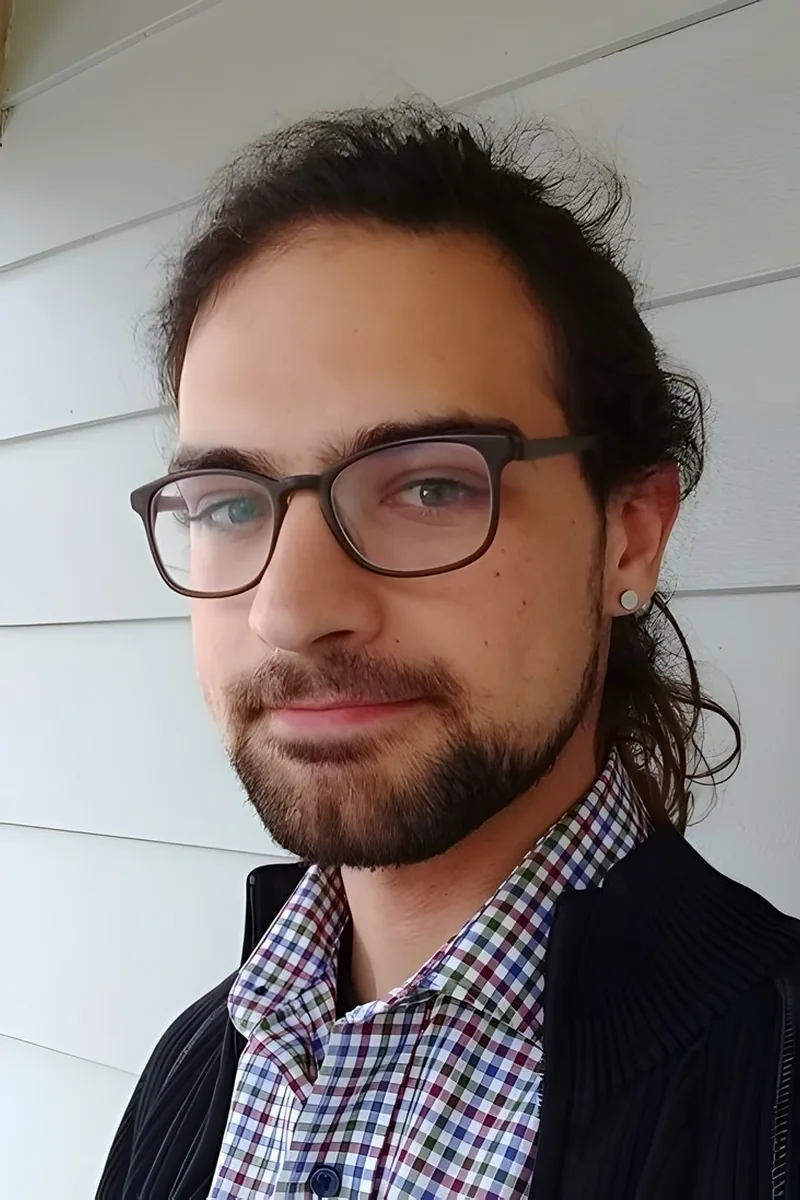
Most AP CSP students get tripped up not by the technical content but by the exam's pseudocode — reading and tracing algorithms written in a language nobody actually codes in. Maxwell's math and physics training means he thinks naturally in abstractions and logical structures, so he can teach students to parse those pseudocode questions the way he'd parse a proof: step by step, tracking what changes and why. Rated 5.0 by students.
Most AP CSP tutors lean on pseudocode drills, but Samuel's computer science engineering coursework at Ohio State means he can pull from real Java and MATLAB projects to illustrate why concepts like data abstraction and algorithm efficiency actually matter beyond the exam. His math minor also sharpens the logic side — binary arithmetic, Boolean expressions, and the kind of structured reasoning that makes multiple-choice questions feel predictable instead of tricky.
Sery is currently earning a Computer Science degree at Ohio State, where courses in C and C++ give her daily practice with the kind of logical thinking AP CSP tests through its pseudocode and algorithm questions. What sets her apart is her background in writing and literature tutoring — she coaches students to craft Create Task written responses that clearly articulate how their program uses abstraction and manages complexity, which is where most points are quietly lost.
Teaching discrete math at Penn means Keenan spends his weeks translating abstract computational thinking into language undergraduates actually absorb — a skill that maps directly onto AP CSP's pseudocode reasoning and algorithm analysis questions. His philosophy degree also gives him an unusual edge on the exam's societal-impact questions, where students need to construct clear written arguments about data privacy, bias in algorithms, and computing ethics. Rated 5.0 by students.
JF studies mathematical and computational science at Stanford, which means the algorithmic thinking and data representation ideas in AP CSP are woven into his daily coursework — not abstract exam topics. He teaches students to reason through pseudocode problems and structure their Create Task projects so every rubric criterion is addressed with clarity. Rated 5.0 by students.
AP CSP's exam leans heavily on the impact-of-computing and internet-infrastructure Big Ideas that many tutors rush past in favor of pseudocode drills. Alston's CS coursework at UVA gives him the technical grounding to teach those systems-level topics thoroughly, while his background in writing and essay editing makes him a strong coach for the Create Task's written response — the piece most students underestimate until it costs them points.
Nicholas codes in Java, Python, JavaScript, C#, and HTML/CSS daily — so when AP CSP asks students to reason about algorithms or data representation in pseudocode, he can instantly translate those abstractions into real programming scenarios that make the logic click. His Penn State CS degree also means he understands the networking and cybersecurity concepts woven through the course at a technical level most high schoolers never see. Rated 5.0 by students.
Software engineering internships at Apple and Microsoft gave Jerry a firsthand view of how the concepts in AP CSP — abstraction, algorithm design, data representation — actually play out in production code. He uses that industry context to make the Create Performance Task feel like a real development project rather than a classroom exercise, which sharpens both the programming and the written-response components. Rated 4.9 by students.
Studying Computer Science at UNC Chapel Hill, Jack brings hands-on programming experience in Java and C to a course where most students are writing their first real program for the Create Task. He digs into the pseudocode logic and algorithm design questions that trip up students on the multiple-choice section, connecting them back to actual coding patterns so the reasoning clicks. Rated 4.7 by students.
Dalila's math degree gives her a sharper lens on the algorithmic and data-representation units that carry the most weight in AP CSP — she can explain why a particular sorting approach scales better than another or how abstraction layers simplify a complex problem. For the Create Performance Task, she emphasizes building clean pseudocode logic first, then translating it into a written response that hits every rubric point without overcomplicating the code.
Studying neuroscience at Rice means Brett regularly writes code to analyze brain imaging data and model biological systems — practical computing experience that maps directly onto AP CSP's emphasis on data analysis, algorithms, and the real-world impact of technology. He teaches the pseudocode logic and abstraction concepts the exam tests by grounding them in problems students can actually picture. Rated 5.0 by students.
Currently studying Computer Science at UCLA's Engineering School with a software engineering internship at Adobe under his belt, David knows how the abstractions taught in AP CSP — algorithms, data representation, internet protocols — actually play out in production code. He uses that industry context to make pseudocode tracing and the Create Task feel purposeful rather than academic. Rated 4.8 by students.
Studying computational science at Stanford while coming from a creative arts background at Juilliard's Pre-College program, Julia brings an unusual lens to AP CSP — she naturally bridges the course's technical units on algorithms and data representation with its emphasis on the societal and creative dimensions of computing. Her 1560 SAT and 5.0 tutoring rating back up the analytical chops, but it's that crossover between engineering and the arts that makes her especially effective at coaching the Create Task, where students need both programming logic and clear written explanation.
Most AP CSP students get tripped up not by the coding but by the Big Idea questions that ask them to reason about how computing affects the world — privacy, bias in algorithms, digital divide issues. Susie pairs her Duke CS coursework with a genuine interest in the humanities side of tech, which means she can coach students through both the conceptual exam material and the written responses on the Create Task without defaulting to jargon.
Victoria's CS coursework at Washington University in St. Louis means she can ground AP CSP's abstract Big Ideas — like how abstraction layers simplify complex systems or why algorithms have different efficiencies — in actual programming experience across Java, Python, and C++. That real coding fluency is especially useful when students need to move from pseudocode on the exam to functional code in the Create Task. Rated 5.0 by students.
Testimonials
Because the right AP Computer Science Principles tutor makes all the difference.
Average Session Rating – Based on 3.4M Learner Ratings
Nearby AP Computer Science Principles Tutors
Other Columbus Tutors
Related Technology and Coding Tutors in Columbus
Frequently Asked Questions
AP Computer Science Principles focuses on broad computational thinking skills rather than programming syntax. The course covers five big ideas: creative development, data, algorithms, programming, and the internet. Students learn how computing impacts society, explore data representation and analysis, understand algorithm design, develop programs using multiple languages, and study cybersecurity and network fundamentals. For students in Columbus, tutors can help break down these interconnected concepts and connect them to real-world applications.
Score improvement depends on your starting point and how consistently you engage with tutoring. Students who work with tutors typically see gains of 1-2 score points on the 1-5 AP scale, with larger improvements possible if you're addressing fundamental gaps in computational thinking or programming logic. The AP CSP exam has a 5-point scale, so even a one-point improvement represents meaningful progress. Consistent practice with released exam questions and focused review of weak areas—whether that's algorithm design, data analysis, or the create task—makes the biggest difference.
The Create Task is worth 30% of your AP CSP score, making it one of the most critical components of the exam. This project-based assessment requires you to develop a program, document your process, and reflect on its impact—skills that go beyond traditional test-taking. Tutors can help you brainstorm project ideas, plan your development process, write clear documentation, and practice the presentation component. Having expert guidance on the Create Task often leads to significant score improvements since many students struggle with time management and documentation requirements.
The AP CSP exam consists of two parts: the Create Task (30% of score, completed before exam day) and the end-of-course exam (70% of score, taken on exam day). The exam itself is 2 hours and 15 minutes long and includes multiple-choice questions and free-response questions covering all five big ideas. The multiple-choice section tests conceptual understanding and real-world applications, while free-response questions require written explanations of computational concepts. Tutors can help you practice both question types and develop strategies for managing time across different question formats.
Many students struggle with translating computational thinking concepts into actual code, especially if they're new to programming. Others find it difficult to explain algorithms and data representation in writing, or to connect abstract concepts to real-world scenarios. Time management on the Create Task is another frequent pain point—students often underestimate how long documentation and testing takes. For students in Columbus's 156 schools, tutors can identify which specific area is holding you back and provide targeted practice to build confidence in that domain.
Most students benefit from starting tutoring 2-3 months before the exam, though earlier preparation is helpful if you're struggling with foundational concepts. Aim for 5-8 hours of focused study per week during this period, combining concept review with practice questions and Create Task planning. If you're starting later or have significant gaps, more intensive tutoring sessions can help you prioritize the highest-impact topics. Tutors can help you create a realistic study schedule that accounts for your other AP courses and commitments.
AP CSP is language-agnostic, meaning you can complete the course and Create Task using any programming language—Python, JavaScript, Java, C++, or even block-based languages like Snap! or App Lab. Most schools use Python or JavaScript because they're beginner-friendly, but the exam tests conceptual understanding rather than syntax mastery. Tutors can help you learn the fundamentals of your chosen language and, more importantly, teach you how to think algorithmically and apply computational concepts regardless of which language you're using.
Varsity Tutors connects you with tutors who have expertise in AP Computer Science Principles and understand the specific demands of the Create Task and exam format. When you get matched with a tutor, you can discuss your current skill level, which programming language you're using, and which topics need the most attention. Tutors can adapt their approach based on whether you're looking for help with programming fundamentals, exam strategy, or the Create Task documentation process—ensuring you get personalized instruction that targets your specific needs.
Let’s find your perfect tutor
Answer a few quick questions. We’ll recommend the right plan and match you with a top 5% tutor.