Award-Winning Special Education Tutors
serving Cincinnati, OH
Special Education
Tutors in Cincinnati
Private 1-on-1 tutoring, weekly live classes for academic support, test prep & enrichment, practice tests and diagnostics, and more to elevate grades and test scores.
Based on 3.4M Learner Ratings
UniversitiesSchools & Universities
DeliveredHours Delivered
ProficiencyGrowth in Proficiency
Who needs tutoring?
No obligation. Takes ~1 minute.

Patrick earned his Master's in Special Education from UIC's MEd + Licensure program, which means he's trained in differentiated instruction, IEP development, and evidence-based interventions for learning differences like dyslexia and ADHD. His undergraduate psychology degree adds a layer of understanding around how attention, memory, and motivation shape each student's learning profile.
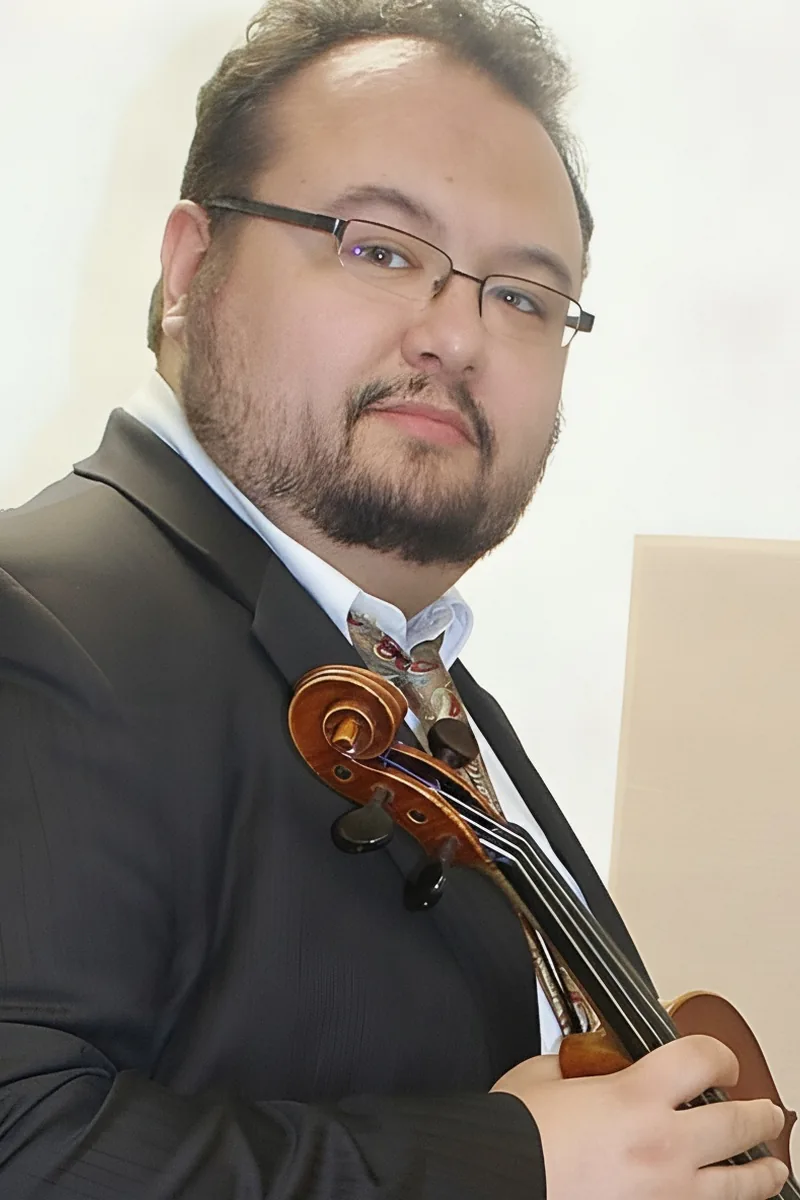
Two decades of working across diverse educational settings have given Amos a deep understanding of how different learners process information. He adapts pacing, modality, and materials — whether that means using music to reinforce reading patterns or breaking multi-step tasks into smaller, confidence-building checkpoints.
Heather's psychology background gives her real insight into how different learners process information — whether a student needs material broken into smaller chunks, presented visually, or reinforced through repetition. She's especially effective with kids who get frustrated easily, building their confidence alongside their skills in reading, math, or writing. Rated 5.0 by families she's worked with.
A psychology degree gave Maggie a deep understanding of how learning differences — from ADHD to processing disorders — affect the way students absorb and retain information. She adapts lessons using multi-sensory techniques, scaffolded instructions, and frequent check-ins that keep students engaged without overwhelming them. Her approach is patient and structured, building skills at a pace that respects each learner's needs.
Lauren earned her B.S. in Education with training in adapting instruction for diverse learners, including students with IEPs and 504 plans. She tailors pacing, breaks down multi-step tasks, and uses structured repetition to make content accessible — whether the goal is reading comprehension, organizational skills, or building confidence across academic subjects.
I am always seeking out new adventures in New York!
Clinical psychology training fundamentally changes how you understand a struggling learner — Danny's PhD work gives him insight into the cognitive, emotional, and behavioral dimensions that shape how students with learning differences engage with academic material. He draws on formal counseling psychology methods to identify what's actually getting in the way, then adapts instruction accordingly, whether the barrier is processing speed, attention, anxiety around schoolwork, or something else entirely. Rated 5.0 by families.
Liz holds a master's in Special Education (Mild to Moderate Disabilities, grades 5–12) from Simmons College and has worked extensively with students who have learning disabilities, ADHD, dyslexia, and emotional impairments. That clinical training, paired with her hands-on experience teaching and directing tutors at a charter school in Boston, means she knows how to adapt instruction on the fly — whether that's restructuring a math lesson for a student with dyscalculia or building reading fluency strategies for a student with dyslexia. She designs individualized approaches grounded in each student's IEP goals and actual learning profile.
Hans completed his Northwestern economics degree in three years rather than four, which required him to develop precise study systems and organizational strategies — skills he now applies when building structured routines for students who need extra support with executive function, task management, and academic planning. His 5.0 rating and broad teaching range across math, reading, and writing mean he can identify where a student is struggling and adjust his approach across multiple subject areas in a single session.
Kim's approach starts with identifying the specific barrier a student faces — whether it's processing speed, attention, or difficulty transferring skills across contexts — and then adapting instruction around it. Her background spanning anthropology and business gives her an unusually flexible toolkit for reframing concepts in ways that click for different learners. She holds a 5.0 rating across her students.
Sabrina holds certification in special education and brings a classroom teacher's instinct for identifying where a lesson loses a student. She redesigns explanations on the fly — using manipulatives, visual models, or simplified language — so learners with IEPs or 504 plans can access grade-level math, reading, and writing content at their own pace.
Earning her Master's in Special Education at NC State gave Sonja deep training in differentiated instruction, IEP goal alignment, and executive function coaching — the behind-the-scenes skills that make tutoring actually work for students with learning differences. She tailors sessions around each student's specific profile, whether that means multisensory reading strategies for dyslexia or chunked math instruction for students with attention challenges. Her 5.0 rating speaks to how well that individualized approach lands.
Jamie holds a Master's in Special Education, which means he doesn't just adapt lessons on the fly — he designs instruction around how each student processes, retains, and demonstrates understanding. Whether a learner has an IEP addressing executive function challenges, reading disabilities, or autism spectrum needs, Jamie builds structured, multi-sensory approaches that connect to the student's strengths rather than spotlighting gaps.
Rosemary's graduate work in occupational therapy included extensive training in adaptive learning strategies, sensory processing, and task analysis — the clinical side of what special education looks like in practice. She volunteers regularly with the Down syndrome community, giving her hands-on experience tailoring instruction to different cognitive and developmental profiles. That combination means she doesn't just know accommodations exist; she knows how to implement them in real learning moments.
Testimonials
Because the right Special Education tutor makes all the difference.
Average Session Rating – Based on 3.4M Learner Ratings
Other Cincinnati Tutors
Related Learning Differences Tutors in Cincinnati
Frequently Asked Questions
Special education tutoring is personalized 1-on-1 instruction designed to meet the unique learning needs of students with IEPs, 504 plans, or diagnosed learning differences. Unlike general tutoring, special education tutoring incorporates evidence-based strategies like multi-sensory learning, scaffolding, and explicit instruction tailored to each student's specific disability or learning profile. Tutors work closely with families and school teams to align instruction with IEP goals and ensure progress toward meaningful outcomes.
Yes. Varsity Tutors connects you with tutors experienced in supporting students with IEPs across Cincinnati's 44 school districts. Tutors can reinforce skills targeted in your student's IEP, provide additional practice in areas of struggle, and use strategies recommended by your school team. We recommend sharing your student's IEP goals during the initial conversation so the tutor can align instruction and track progress toward those specific objectives.
Students with learning disabilities often struggle with foundational skills like decoding, fluency, math fact automaticity, or executive function tasks like organization and time management. Personalized tutoring addresses these gaps through targeted, repetitive practice and explicit instruction in areas where classroom instruction alone may not be sufficient. With Cincinnati's average student-teacher ratio of 18.4:1, many students benefit from the individualized attention that 1-on-1 tutoring provides to build confidence and competence.
When you connect with Varsity Tutors, share details about your student's diagnosis, IEP accommodations, and learning profile. Varsity Tutors matches you with tutors who have experience supporting students with similar needs—whether that's dyslexia, ADHD, autism spectrum disorder, dyscalculia, or other learning differences. You can discuss the tutor's background and approach during your initial conversation to ensure it's a good fit.
The first session is typically a get-to-know-you meeting where the tutor learns about your student's strengths, challenges, learning style, and goals. The tutor may ask about your student's IEP, previous interventions that have worked, and specific areas where support is needed most. This foundation allows the tutor to design a personalized approach starting in session two, so come prepared to share relevant background information and any materials from your student's school.
Progress in special education tutoring should be measurable and aligned with your student's IEP goals. Look for improvements in specific skills (like reading fluency, math accuracy, or task completion), increased confidence and engagement, and feedback from the tutor about what strategies are working. Many families also see progress reflected in school performance, test scores, or teacher observations—share these metrics with your tutor so they can adjust instruction as needed.
Absolutely. Accommodations like extended time, breaks, alternative formats, or assistive technology should be used during tutoring just as they are at school. In fact, tutoring is an excellent opportunity to practice using accommodations in a low-pressure setting and to build independence with them. Let your tutor know which accommodations your student uses so they can incorporate them into every session.
Frequency depends on your student's needs and goals—some students benefit from weekly sessions, while others need more intensive support. Most families see meaningful progress within 4-6 weeks of consistent tutoring, though foundational skill development (like phonics or basic math facts) may take longer. Your tutor can recommend a schedule based on your student's specific challenges and discuss expected timelines during your initial consultation.
Let’s find your perfect tutor
Answer a few quick questions. We’ll recommend the right plan and match you with a top 5% tutor.