Award-Winning Essay Editing Tutors
serving Charlotte, NC
Award-Winning
Essay Editing
Tutors in Charlotte
Private 1-on-1 tutoring, weekly live classes for academic support, test prep & enrichment, practice tests and diagnostics, and more to elevate grades and test scores.
Based on 3.4M Learner Ratings
UniversitiesSchools & Universities
DeliveredHours Delivered
ProficiencyGrowth in Proficiency
Who needs tutoring?
No obligation. Takes ~1 minute.

Good editing goes beyond catching comma splices — it means tightening an argument, cutting redundancy, and making sure every paragraph earns its place. Alex's graduate training required producing extensively revised analytical writing, and he now applies that same revision process to student essays, showing writers exactly where their drafts lose clarity or momentum. Rated 5.0 by students.
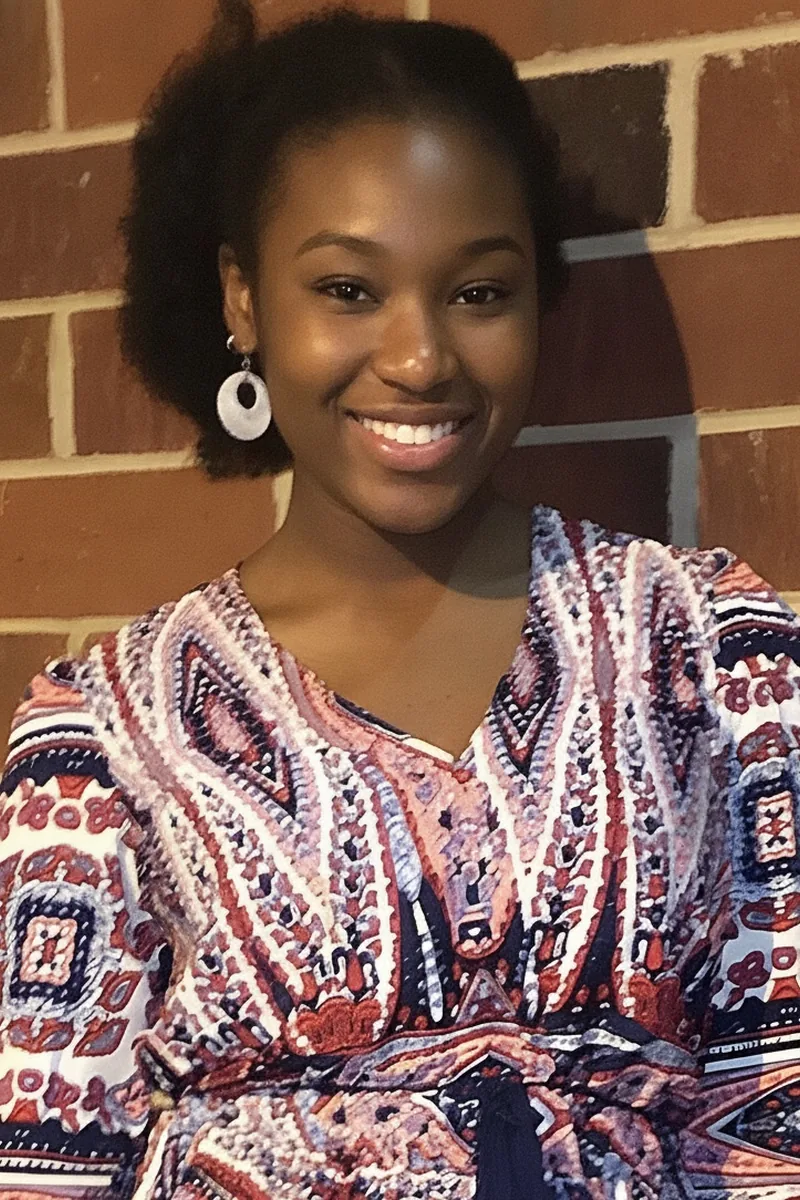
Editing an essay isn't just about fixing commas — it's about tightening arguments, cutting filler, and making sure each paragraph earns its place. Ify reads drafts with an eye for structure first, checking whether the thesis actually drives the paper, before moving into sentence-level clarity and grammar. She creates a comfortable space where students feel fine sharing rough drafts without embarrassment.
Good essay editing isn't just fixing commas — it's restructuring an argument so each paragraph earns its place. Earnest brings the precision of an engineer to this process, teaching students to tighten thesis statements, eliminate redundancy, and build paragraphs that logically support a central claim.
Good essay editing goes beyond fixing commas; it means examining whether each paragraph earns its place and whether the argument actually builds. Isabel reads drafts with an eye for structural problems first — unclear thesis statements, weak transitions, paragraphs that wander — before tightening sentence-level grammar and style. Her approach turns revision from an overwhelming task into a step-by-step process.
Good editing is more than catching comma splices — it's reworking a paragraph so the argument actually lands. Morgan breaks essays down at the structural level first, tightening thesis statements and topic sentences before moving into line-level clarity and tone. Rated 5.0 by students.
Editing isn't just catching comma splices — it's learning to read your own writing the way a stranger would. Rebecca tackles essay revision at the structural level first, examining whether each paragraph earns its place and whether the argument actually progresses, before tightening sentences for clarity and style. Rated 5.0 by students, she's particularly effective at turning rough drafts into polished, cohesive pieces.
Jack's computer science coursework at UNC Chapel Hill demands constant writing — documentation, project proposals, technical reports — all of which require ruthless self-editing for precision and clarity. He brings that same discipline to student essays, digging into weak transitions, bloated paragraphs, and thesis statements that don't yet say anything specific. He also tutors college essays, so he knows how to tailor feedback to high-stakes writing.
Editing an essay well means more than fixing commas — it means tightening arguments, cutting filler, and making sure every paragraph earns its place. Daiven's science background trained him to write with precision and clarity, skills he applies when walking students through revision strategies for thesis statements, transitions, and evidence integration.
Editing an essay well means more than catching comma splices — it means evaluating whether each paragraph earns its place in the argument. Gatlin's training in physics and computer science at NC State has made him precise about structure and logic, skills he applies to tightening thesis statements, cutting redundancy, and strengthening transitions between ideas.
Good essay editing isn't just fixing commas — it's restructuring an argument so each paragraph earns its place. Madison reads drafts looking for weak thesis statements, unsupported claims, and transitions that don't actually connect ideas. Her science training makes her especially sharp at spotting logical gaps and tightening the reasoning behind every paragraph.
Editing an essay well means more than fixing commas — it means diagnosing whether each paragraph actually earns its place in the argument. Shourya reads drafts with an eye for logical flow, cutting filler and tightening transitions so the writer's central idea comes through clearly. His feedback targets structure and clarity first, then polishes mechanics.
Good editing isn't just fixing commas; it's restructuring an argument so each paragraph earns its place. Cailee sharpened her own editing instincts writing pre-med research papers and medical school personal statements at Michigan, and she applies that same rigor to student work — tightening thesis statements, cutting filler, and making sure evidence actually supports the claim it's supposed to.
Most students know their essay "needs work" but can't pinpoint whether the problem is structural, argumentative, or just at the sentence level. Srikavya tackles revision in layers: first tightening the thesis and paragraph logic, then sharpening transitions and word choice. Her science writing background makes her especially sharp at cutting filler and making every sentence earn its place.
Good editing goes beyond fixing commas — it means rethinking whether each paragraph earns its place in the argument. Traci reviews essays at both the structural level (thesis clarity, logical flow between sections, evidence use) and the sentence level (syntax, word choice, tone consistency), giving writers concrete revisions instead of vague suggestions to "make it stronger."
Good editing goes beyond fixing commas; it asks whether each paragraph earns its place and whether the argument actually progresses from one sentence to the next. Emma's dual focus on economics and philosophy at UVA has given her sharp instincts for logical structure and clear prose. She marks up drafts with specific, actionable feedback rather than vague suggestions to "clarify."
Good editing goes beyond catching comma splices — it means tightening arguments, cutting filler, and making sure every paragraph earns its place. Kelsey's communication studies training at UNC Charlotte gives her a sharp eye for structure and clarity, and she walks writers through revisions so they learn to spot weak points in their own drafts.
As a professional editor and producer for a major sports website, Colleen revises and tightens prose for a living. She brings that same eye to student essays — restructuring weak thesis statements, cutting filler, sharpening transitions, and making sure every paragraph earns its place in the argument.
Good editing isn't just catching typos — it's restructuring an argument so each sentence earns its place. Matthew's engineering background trained him to communicate complex ideas with precision and zero filler, and he applies that same discipline when walking through a student's draft, tightening thesis statements, cutting redundancy, and strengthening transitions. Rated 5.0 by students.
The difference between a B essay and an A essay usually comes down to structure and specificity — a clear thesis, logical paragraph transitions, and evidence that actually supports the argument. Taylor digs into drafts at the sentence level, showing students where their reasoning gaps are and how to tighten prose without losing their voice. Her approach treats revision as a learnable skill, not just a final polish.
Good editing isn't just fixing errors — it's asking whether every sentence earns its place. Molly's journalism training at UNC Chapel Hill drilled her in cutting filler, tightening transitions, and restructuring paragraphs for clarity, and she applies that same editorial eye to academic papers, application essays, and creative pieces alike.
Testimonials
Because the right Essay Editing tutor makes all the difference.
Average Session Rating – Based on 3.4M Learner Ratings
Other Charlotte Tutors
Related English Tutors in Charlotte
Frequently Asked Questions
Essay editing tutoring for students in Charlotte focuses on refining your writing at every stage—from strengthening your thesis and organizing arguments, to polishing grammar, style, and voice. Tutors work with you on common challenges like structure, clarity, citation formatting (MLA, APA, Chicago), and developing a compelling argument that resonates with your reader.
Varsity Tutors connects you with a tutor who reviews your draft and provides detailed, personalized feedback on both big-picture elements (thesis strength, argument flow, evidence support) and line-level improvements (word choice, sentence variety, grammar). Your tutor then guides you through revision strategies so you understand not just what to change, but why—building skills you'll apply to future writing.
Bring a draft of your essay—whether it's a rough outline, first draft, or nearly-finished piece. It's also helpful to share any assignment guidelines, rubric, or feedback you've already received. Your tutor will assess where you are in the writing process and create a personalized plan to address your specific needs, whether that's developing your argument, improving organization, or refining your style.
Many students struggle with writer's block, organizing complex ideas, developing a strong thesis, or balancing voice with formal tone. Others find citation formatting confusing or struggle to support arguments with solid evidence. Personalized tutoring addresses your specific challenge through targeted feedback and revision practice, helping you move past roadblocks and develop strategies you can use independently on future assignments.
Essay editing tutoring is highly focused—it works with existing drafts to strengthen arguments, structure, clarity, and style. While writing tutoring might cover broader topics like brainstorming and planning, essay editing zeroes in on revision and refinement. If you already have a draft and want targeted feedback to make it stronger, essay editing tutoring is the right fit.
Yes. Literary analysis essays require a specific skill set—close reading, identifying themes and techniques, and building arguments supported by textual evidence. Tutors help you develop a strong analytical thesis, organize your evidence effectively, and use proper citations for quotes. They also guide you in moving beyond summary to genuine analysis, which is often where students struggle.
Absolutely. Tutors guide you through MLA, APA, and Chicago style formatting so you understand when and how to cite sources correctly. They also help you evaluate source quality and integrate quotes smoothly into your writing—not just dropping citations in, but weaving them into your argument naturally. This ensures your essay meets academic standards and strengthens your credibility.
Many students see noticeable improvements in their next assignment after just a few sessions, especially in areas like organization and clarity. Deeper improvements—developing a stronger voice, building more sophisticated arguments, or breaking writer's block—typically develop over time as you practice the strategies your tutor teaches. The goal is building skills that stick, not just fixing one essay.
Let’s find your perfect tutor
Answer a few quick questions. We’ll recommend the right plan and match you with a top 5% tutor.