Award-Winning Essay Editing Tutors
serving Durham, NC
Award-Winning
Essay Editing
Tutors in Durham
Private 1-on-1 tutoring, weekly live classes for academic support, test prep & enrichment, practice tests and diagnostics, and more to elevate grades and test scores.
Based on 3.4M Learner Ratings
UniversitiesSchools & Universities
DeliveredHours Delivered
ProficiencyGrowth in Proficiency
Who needs tutoring?
No obligation. Takes ~1 minute.
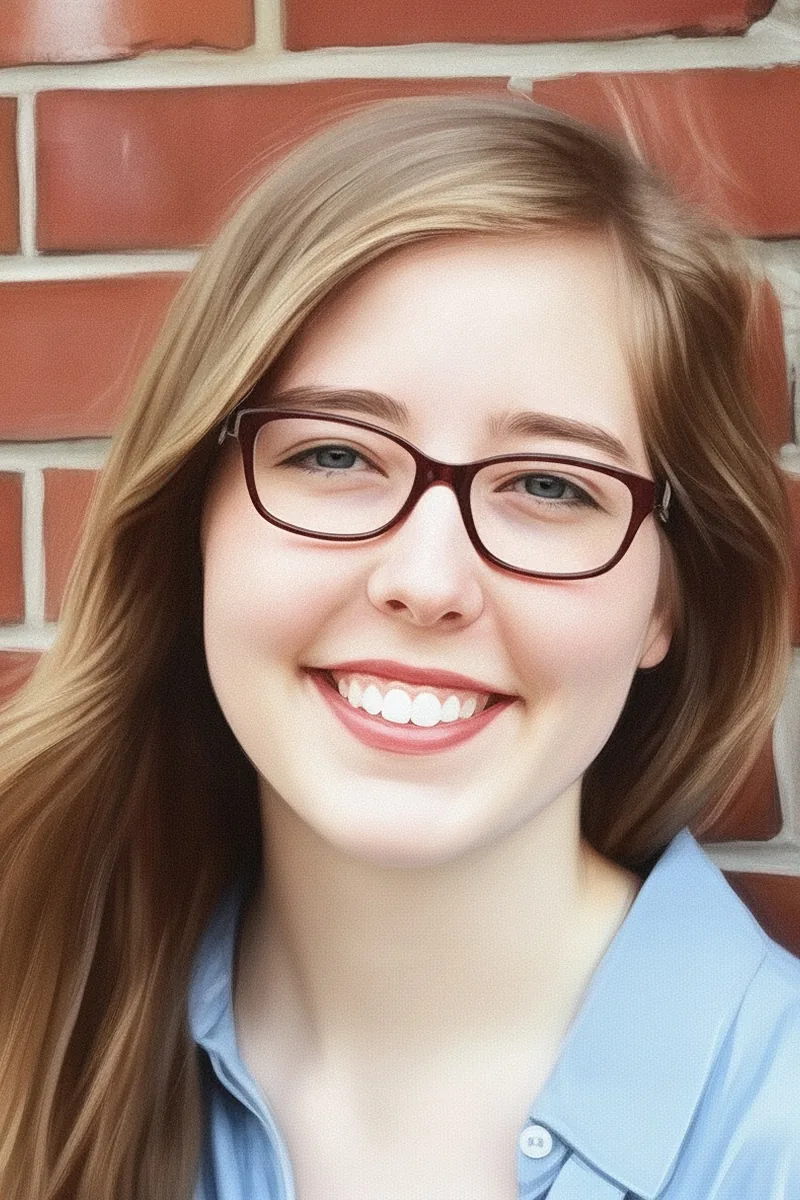
Most essay editing goes wrong when it stays at the surface — fixing commas but ignoring a thesis that doesn't actually argue anything. Frances reads drafts the way a professional editor would, flagging structural problems like buried arguments or paragraphs that drift from their topic sentences before touching grammar. Her own professional writing experience means she can show students exactly how to tighten a wordy sentence or sharpen a vague claim.
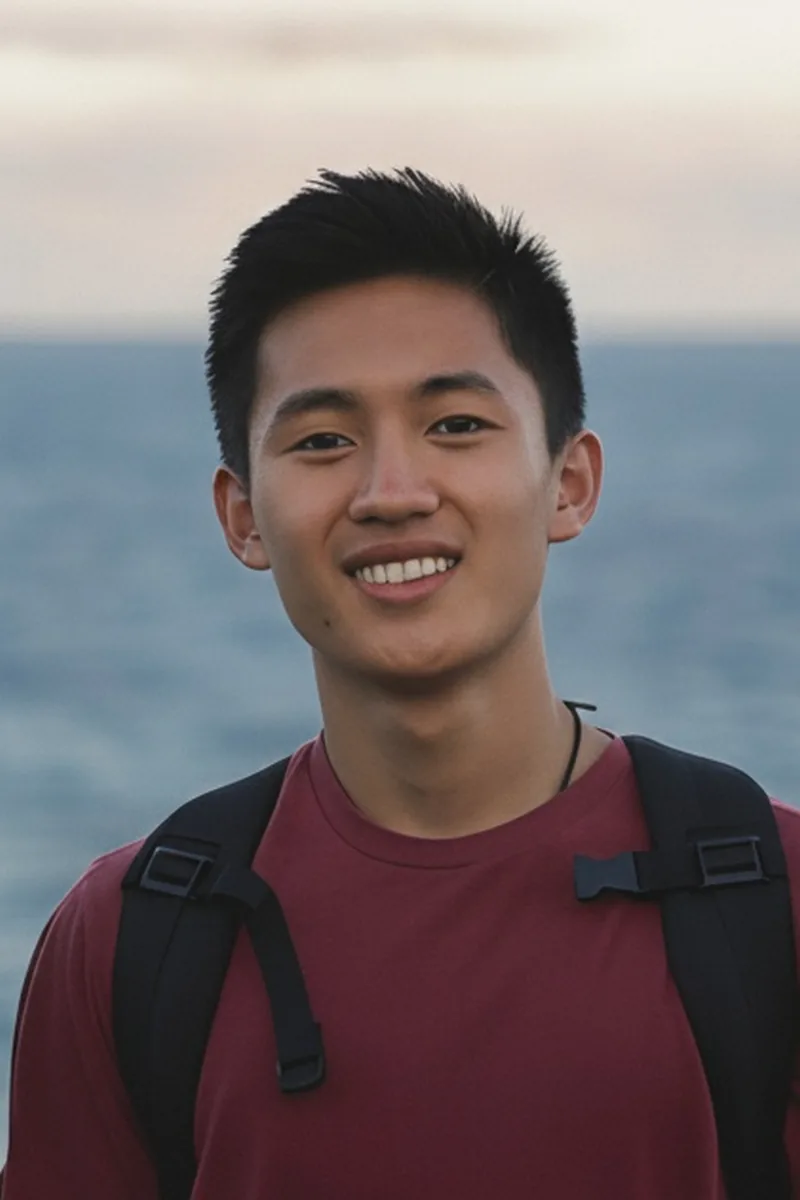
A strong essay becomes stronger when someone else spots the structural gaps — a thesis that drifts, evidence that doesn't land, transitions that lose the reader. Eric edits with an engineer's precision and a reader's instinct, tightening argument flow and clarity while preserving the writer's voice. Rated 5.0 by students.
Most students know their draft isn't finished but can't articulate what's wrong with it. Simon breaks the editing process into layers — argument and structure first, then paragraph-level logic, then sentence clarity and grammar — so revisions feel purposeful instead of overwhelming. Rated 5.0 by students, he treats editing as a teachable skill rather than a mysterious talent.
Good essay editing goes beyond fixing comma splices — it means evaluating whether each paragraph actually advances the thesis and whether transitions create a logical chain of reasoning. Callie tackles editing in layers: first the argument's architecture, then paragraph-level coherence, then sentence-level clarity and grammar. Her experience writing scientific research papers at Duke sharpened her ability to spot where an argument loses its thread.
As a staff writer for The Chronicle, Duke's student newspaper, Natalie edits her own and others' work on tight deadlines — catching weak thesis statements, tightening paragraph transitions, and trimming unnecessary filler. She brings that editorial eye to student essays, walking through each draft line by line to sharpen clarity and argument structure.
Strong writing usually isn't about adding more — it's about cutting what doesn't serve the argument. Julie approaches essay editing by teaching students to identify their own thesis drift, tighten paragraph transitions, and sharpen claims so each sentence earns its place. Her experience writing at the level required for a Marshall Scholarship means she knows what polished academic prose actually looks like.
Good essay editing isn't just catching comma splices — it's restructuring an argument so each paragraph earns its place. Zhong's background in sociology writing at Duke means he knows how to tighten a thesis, cut filler, and make transitions do real work. He reads drafts the way an admissions officer or professor would: looking for clarity and a convincing through-line.
Good essay editing goes beyond catching typos — it means tightening arguments, cutting redundancy, and making sure every paragraph earns its place. Tammy approaches each draft by first identifying the writer's core claim, then restructuring evidence and transitions around it. Her experience writing across scientific and humanities disciplines at Duke sharpened that instinct for clarity.
Good essay editing goes beyond fixing commas and spelling; it means restructuring a paragraph so the argument actually lands, tightening a thesis so it says one clear thing, and cutting sentences that sound smart but add nothing. Devanshi approaches each draft with that structural eye first, then moves into sentence-level polish. The result is writing that's both cleaner and more persuasive.
Editing is where Gregory's training in close reading pays off most directly — he can spot where an argument loses its thread, where a paragraph buries its point, or where a transition asks the reader to make a leap the writer didn't intend. He walks students through revision as a skill in its own right, not just a final spell-check before submission.
Years of writing clinical reports, research papers, and graduate-level coursework at Duke have given Emmanuel a sharp editorial eye for argument structure, clarity, and flow. He walks through essays paragraph by paragraph, showing students how to tighten thesis statements, eliminate redundancy, and make sure every sentence earns its place in the draft.
Good editing goes beyond catching typos; it's about tightening argument structure, smoothing transitions, and making sure every paragraph earns its place. Eric approaches each draft by first identifying what the writer is really trying to say, then restructuring and refining sentence-level clarity around that core idea. His 5.0 rating speaks to how well that process works.
Editing an essay well means more than catching comma splices — it means evaluating whether each paragraph actually advances the argument. Justin's graduate training at Yale involved constant revision of research prose, and he brings that same eye to student work, pinpointing where logic gaps, weak transitions, or vague claims undermine an otherwise solid draft.
Editing an essay well means more than fixing commas — it requires evaluating whether each paragraph actually advances the thesis. Jordan applies the structured thinking from his scientific training to essay revision, walking through argument flow, evidence integration, and clarity sentence by sentence. He's particularly sharp at tightening admissions essays and academic papers where every word counts.
Editing an essay isn't just about catching comma splices — it's about figuring out whether each paragraph actually earns its place in the argument. Roger approaches revision structurally, starting with thesis clarity and logical flow before tightening sentence-level grammar and word choice. His economics writing at Duke demands precisely this kind of disciplined revision, and he brings that rigor to every draft he reviews.
Between a history degree from Dartmouth, a law degree from Duke, and years of teaching, Jennifer has edited thousands of pages of academic prose — from five-paragraph essays to graduate-level research papers. She zeroes in on argument structure, transitions, and clarity of evidence so that each revision makes the writing sharper, not just cleaner. Rated 5.0 by students.
Good editing goes beyond fixing commas; it's about tightening an argument so every paragraph earns its place. Erinn reads drafts with an engineer's eye for structure, identifying where transitions break down, where evidence is thin, and where a sharper thesis statement would pull the whole piece together.
Years of writing research papers, grant proposals, and a doctoral dissertation taught Jordan how to revise ruthlessly — cutting weak arguments, tightening transitions, and restructuring paragraphs so each one earns its place. Whether the essay is a college application or a term paper, Jordan zeroes in on clarity of argument and strength of evidence, not just surface-level grammar fixes.
A draft isn't finished just because it meets the word count. Myles digs into argument structure, transitions, and whether each paragraph actually earns its place in the essay — then addresses sentence-level clarity and tone once the architecture is sound. Years of academic writing across theology, political science, and history gave him a sharp editorial eye and a 5.0 client rating.
Good editing isn't just catching typos — it's restructuring an argument so each paragraph earns its place. Bailey approaches essay editing by first evaluating thesis clarity and logical flow, then working down to sentence-level revisions like tightening transitions and eliminating passive voice. Her experience editing college application essays and academic papers at Duke gives her a sharp eye for what strengthens a draft versus what's just filler.
Good essay editing goes beyond fixing commas — it's about tightening argument structure so every paragraph earns its place. Molly's background in both engineering writing and creative pursuits gives her a sharp eye for logical gaps, weak transitions, and sentences that bury their own point. She walks through revisions line by line so students learn to self-edit over time.
Good editing isn't about fixing commas — it's about asking whether every paragraph earns its place. Beepul approaches essay revision with an engineer's eye for structure, teaching students to tighten thesis statements, sharpen topic sentences, and cut the filler that buries their strongest ideas. He's edited everything from college application essays to research papers during his time at Duke.
A strong essay usually isn't three drafts away from a weak one — it's one structural insight away. Matt approaches editing by diagnosing whether the argument itself holds together before touching a single sentence, then tightens prose for clarity and flow. Rated 5.0 by students.
A strong draft and a polished essay are separated by revision skills most students never explicitly learn — tightening thesis statements, cutting filler, restructuring paragraphs for logical flow. Anastasia breaks the editing process into concrete, repeatable steps so students can eventually sharpen their own work without outside feedback. She's rated 5.0 across her tutoring sessions.
Kristina has spent years writing and revising scientific manuscripts, grant proposals, and course materials — work that demands clarity, logical flow, and precise word choice. She applies that same editorial eye to student essays, breaking feedback into layers: argument structure first, then paragraph transitions, then sentence-level polish. The result is a revision process students can repeat on their own for the next paper.
Good essay editing goes beyond fixing comma splices — it means tightening arguments, cutting filler, and making sure every paragraph earns its place. Susie treats each draft as a conversation, asking pointed questions about what the writer actually means versus what ended up on the page. Her own writing background across academic and creative contexts gives her a sharp eye for clarity and flow.
Good editing goes beyond catching comma splices — it means reworking a paragraph so the argument actually lands. Arial reads student drafts the way her Duke English professors taught her to read her own: checking whether each sentence earns its place, whether transitions carry the reader forward, and whether the thesis does real work throughout the piece.
Good essay editing goes beyond catching typos — it means restructuring weak thesis statements, tightening paragraph transitions, and cutting the filler that buries a writer's real argument. Sonja treats each revision session as a teaching moment, explaining the reasoning behind every suggested change so the writer improves, not just the draft.
Good editing is about more than fixing commas — it's about asking whether each paragraph earns its place. Elisa's engineering training gave her a sharp eye for logical structure, and she applies that to essays by showing students how to tighten transitions, cut redundancy, and make every sentence pull its weight.
Good editing is more than catching typos — it's restructuring an argument so every paragraph earns its place. Timothy brings years of professional writing experience, from academic papers to business communications and freelance projects, and he walks through each draft with an eye for logical flow, sentence variety, and precise word choice. His 5.0 rating speaks to how much students value that detailed feedback.
Good editing goes beyond fixing comma splices — it means reshaping an argument so every paragraph drives toward a clear thesis. Tristan's linguistics background makes him precise about sentence-level mechanics like parallel structure and transitions, while his experience with literary analysis keeps him focused on whether the ideas themselves are sharp and well-supported.
Editing an essay well requires more than catching comma splices — it means evaluating whether each paragraph earns its place and whether the argument actually builds. Future treats revision as a structural exercise first, examining thesis clarity and paragraph transitions before moving to sentence-level polish. Her cognitive science perspective also means she thinks carefully about how a reader will experience the essay from start to finish.
Most essay problems aren't about grammar — they're structural. Amanda diagnoses whether an argument actually holds together before touching a single comma: Does the thesis answer the prompt? Does each paragraph earn its place? Once the architecture is solid, she tightens transitions, cleans up syntax, and sharpens word choice so the writing sounds like the student, only clearer.
A Duke-trained history major, Rayhan knows how to build an argument on paper — and more importantly, how to spot where one falls apart. He digs into thesis clarity, paragraph transitions, and evidence integration, tightening essays until every sentence earns its place. Rated 5.0 by students.
Editing isn't just fixing commas — it's asking whether every paragraph earns its place in the argument. Emily approaches each draft at three levels: structural logic first, then paragraph-level clarity, then sentence-level polish. Her graduate training in professional and technical writing gives her a sharp eye for the kind of bloated phrasing and buried thesis statements that weaken otherwise strong papers.
A good edit goes beyond fixing commas — it restructures weak arguments, tightens transitions, and cuts filler. Julia reads student essays with a scientist's eye for logical flow, catching places where claims need stronger evidence or where a paragraph buries its own point. She walks through each revision so students learn to self-edit over time.
Strong writing often hides inside a messy draft — the trick is learning to find it. Emily tackles essay editing at both the structural level (thesis clarity, paragraph flow, argument logic) and the sentence level (word choice, grammar, transitions), teaching students to revise their own work with a sharper eye each time.
Good editing is more than fixing typos — it's about tightening arguments, improving transitions, and making sure every paragraph earns its place. Kailee reads drafts with a structural eye first, identifying where the logic breaks down or the thesis drifts, then moves into sentence-level clarity and style. She's especially effective with academic essays and application writing where precision and voice both matter.
A strong essay often needs a reader who can spot where the argument drifts or where a paragraph buries its main point. Kathleen edits with an eye for structural coherence — tightening thesis statements, reorganizing evidence, and cleaning up transitions so each section earns its place. Rated 4.9 by students, she balances honest feedback with clear direction for revision.
Good editing is more than catching typos — it's about tightening arguments, cutting redundancy, and making sure every paragraph earns its place. Lane reads drafts with an eye for structure first, checking whether the thesis actually drives the paper, before moving into sentence-level clarity and grammar. His experience across academic and college-application writing means he adapts his feedback to whatever the piece needs to accomplish.
Testimonials
Because the right Essay Editing tutor makes all the difference.
Average Session Rating – Based on 3.4M Learner Ratings
Nearby Essay Editing Tutors
Other Durham Tutors
Related English Tutors in Durham
Frequently Asked Questions
Varsity Tutors matches Durham students with expert Essay Editing tutors for 1-on-1 instruction. We pair each student with a tutor based on their specific needs, learning style, and goals.
Whether you need homework help, exam prep, or want to get ahead, our Essay Editing tutors are ready to help.
Common challenges include gaps from earlier material, difficulty with specific concepts, and trouble applying learning to new problems. These issues can snowball quickly in Essay Editing.
A tutor identifies where you're stuck, fills in gaps, and provides targeted practice. The 1-on-1 format means you get help exactly where you need it.
Tutors work with your student's actual coursework—homework assignments, class notes, and upcoming tests. This keeps tutoring directly relevant to what's happening in the classroom.
When you share information about your student's school and curriculum, we can match you with a tutor who has relevant experience.
All tutors complete background checks, credential verification, and teaching evaluation. Many of our Essay Editing tutors hold advanced degrees or have years of teaching experience.
You can review tutor profiles to find someone with the right background for your student's level and needs.
Many students see improved grades within a few weeks, along with better understanding of Essay Editing concepts and more confidence tackling challenging material.
Tutors track progress and adjust their approach to ensure continued improvement.
Most students benefit from 1-2 sessions per week. More frequent sessions help if your student is significantly behind or has an important exam coming up.
Your tutor can recommend a schedule based on your student's specific situation and goals.
Tutoring is purchased in packages of hours, with rates varying by tutor experience. Varsity Tutors offers several options to fit different budgets and needs.
You can discuss pricing during your consultation to find what works best.
Your tutor will assess where your student is, discuss goals, and start working on priority areas. Most students bring current homework or upcoming test material to focus on.
By the end, you'll have a clear sense of how the tutor can help and a plan for moving forward.
Let’s find your perfect tutor
Answer a few quick questions. We’ll recommend the right plan and match you with a top 5% tutor.