Award-Winning Essay Editing Tutors
serving Raleigh, NC
Award-Winning
Essay Editing
Tutors in Raleigh
Private 1-on-1 tutoring, weekly live classes for academic support, test prep & enrichment, practice tests and diagnostics, and more to elevate grades and test scores.
Based on 3.4M Learner Ratings
UniversitiesSchools & Universities
DeliveredHours Delivered
ProficiencyGrowth in Proficiency
Who needs tutoring?
No obligation. Takes ~1 minute.
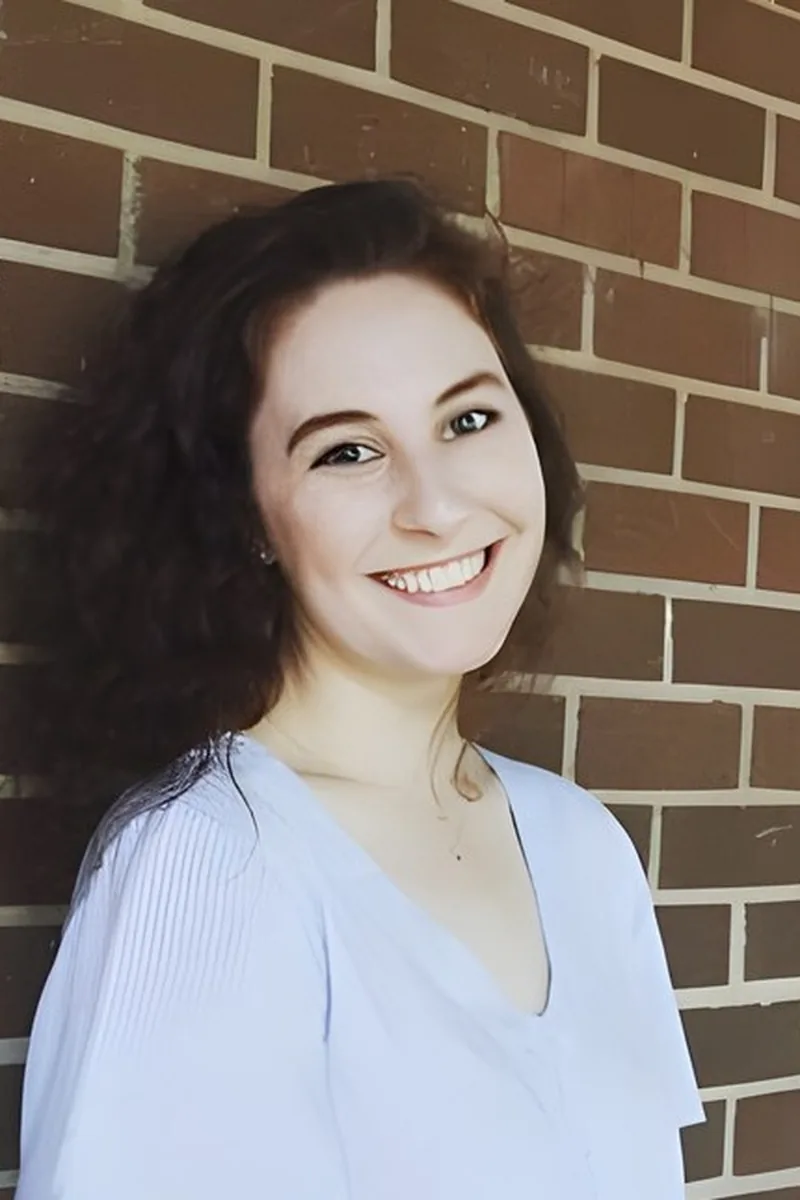
Editing someone else's essay is one skill; learning to edit your own is harder and more valuable. Bethany tackles revision as a layered process — first tightening the argument's structure, then sharpening transitions, then cleaning up grammar — so students walk away with a better paper and a repeatable method. Her 5.0 rating speaks to how well that approach lands.

A computer science major at Duke, Bryce brings an engineer's eye for structure to essay editing — zeroing in on unclear thesis statements, weak transitions, and paragraphs that drift from their central claim. He treats revision as a logical process, teaching students to audit their own drafts for coherence and concision before worrying about surface-level polish.
Clear, precise writing is something Prakash practices constantly — from technical reports and engineering proposals to the mentorship documents he creates for junior colleagues. He applies that same attention to structure and argument when editing essays, zeroing in on thesis clarity, paragraph transitions, and whether each sentence actually earns its place in the draft.
Good editing is more than catching typos — it's about tightening arguments, cutting filler, and making sure every paragraph earns its place. Alisha has spent multiple semesters reviewing freshman essays as a TA at VCU, so she can quickly diagnose whether a draft needs structural reorganization or just sharper transitions and cleaner prose.
Editing an essay well requires seeing it from the reader's perspective — spotting where an argument loses its thread, where a paragraph buries its point, or where word choice undermines tone. Professor Florence approaches revision structurally, teaching students to evaluate thesis clarity and paragraph-level logic before touching a single sentence. Her experience across academic writing at the university level makes her especially sharp on argument coherence and citation standards.
Good editing requires knowing the difference between a draft that needs restructuring and one that just needs tightening. Michael's MFA training involved years of workshop critique — giving and receiving detailed feedback on everything from thesis clarity to paragraph transitions to word-level precision. He approaches each student's paper by diagnosing the biggest structural issue first, then working down to sentence-level polish.
I am persuasive and capable of developing rapport and trust, as well as experienced in influencing the attitudes and ideas of others.
Editing isn't just catching typos — it's recognizing where an argument loses its thread or where a paragraph buries its strongest sentence. Erintrude ran editorial workshops at a college publishing press for over a year, giving detailed structural and line-level feedback on everything from academic papers to creative nonfiction. She teaches students to read their own drafts with an editor's eye, spotting passive constructions, weak transitions, and unnecessary hedging.
Most students know their first draft isn't their best work but have no idea what to fix beyond spelling. William breaks the editing process into layers — argument clarity first, then paragraph transitions, then sentence-level precision — so revisions actually strengthen the piece instead of just rearranging it.
Good essay editing goes deeper than fixing commas and run-ons. Parth reads drafts the way a journalist edits copy: checking whether the thesis actually controls the argument, whether each paragraph earns its place, and whether transitions move the reader forward. From there, he tightens sentence-level clarity so the final product reads as sharp as the ideas behind it.
Good editing goes beyond fixing commas — it means restructuring arguments so each paragraph earns its place. Hunter sharpened his own writing through a Medical Humanities minor and graduate-level research at Tufts, and he applies that revision discipline to student essays by identifying where logic gaps, weak transitions, or vague claims undercut otherwise strong ideas.
Good editing isn't about fixing commas — it's about figuring out whether a paragraph is actually doing what the writer thinks it's doing. Rick sharpened this skill through years of writing in both academic and professional settings, from Princeton coursework to communications at Google. He walks through essays at the structural level first, then tightens language and mechanics on a second pass.
I am passionate about learning and teaching others.
A strong essay often falls apart not in the ideas but in the transitions — the places where one paragraph hands off to the next. George zeroes in on structural coherence, argument flow, and clarity of thesis, treating each draft as a puzzle where every sentence needs to earn its place. His business writing background from UNC Chapel Hill means he also knows how to tighten prose for conciseness.
Good editing is more than fixing typos — it's restructuring a paragraph so the argument actually lands, or cutting a sentence in half because the original buried its own point. Rachel's English degree and her experience reviewing papers from college students down to elementary writers give her a sharp eye for both big-picture organization and line-level clarity. She teaches students to develop their own revision instincts, not just accept tracked changes.
Good editing goes beyond catching comma splices and subject-verb disagreements. Joseph reads each draft for argument structure first — making sure every paragraph earns its place — then moves to sentence-level clarity, word choice, and transitions that tighten the writing without flattening the student's voice.
Good editing isn't just fixing typos — it's restructuring a paragraph so the argument actually lands, tightening a thesis until it says one clear thing, and cutting the filler sentences a writer didn't realize were filler. Brielle approaches each draft by identifying the single biggest structural weakness first, then working outward to sentence-level clarity and style.
Artem approaches essay editing as a structural exercise first: does the thesis actually drive every paragraph, and does each paragraph earn its place? Once the architecture is sound, he digs into sentence-level clarity — tightening transitions, cutting filler, and sharpening word choice. His 5.0 rating speaks to how much students value that two-pass method.
Editing an essay well requires more than catching comma splices — it means evaluating whether each paragraph actually advances the argument. Joshua treats revision as a structured diagnostic process: first clarity of thesis, then logical flow between sections, then sentence-level precision. His academic writing experience across psychology and cognitive science means he's edited extensively at the college level and knows what polished scholarly prose looks like.
A solid first draft and a polished final essay are separated by the kind of editing most students never learned how to do on their own. Jeffrey walks through revision at the structural level first — argument flow, paragraph transitions, thesis clarity — before tightening sentence-level issues like wordiness and passive voice.
Editing an essay well requires seeing both the architecture and the details at the same time — whether the thesis actually controls each paragraph, whether transitions hold, whether a comma splice is weakening an otherwise strong sentence. Jenna's training in math education made her precise and systematic, and she applies that same discipline to line-level revision and structural reorganization.
Testimonials
Because the right Essay Editing tutor makes all the difference.
Average Session Rating – Based on 3.4M Learner Ratings
Other Raleigh Tutors
Related English Tutors in Raleigh
Frequently Asked Questions
Essay editing tutoring focuses on helping you strengthen your writing through personalized feedback on structure, clarity, and argumentation. A tutor will work with you to refine your thesis, organize your ideas logically, improve sentence-level writing, and develop your unique voice—whether you're working on persuasive essays, literary analysis, or research papers.
Varsity Tutors connects you with a tutor who will review your essay draft and provide detailed feedback on both big-picture elements (organization, thesis clarity, argumentation) and sentence-level improvements (grammar, word choice, style). Your tutor will guide you through revision strategies so you understand how to strengthen your writing, rather than simply correcting errors for you.
Students in Raleigh often struggle with developing strong thesis statements, organizing complex ideas into coherent paragraphs, and maintaining a consistent academic voice. Tutoring also helps with citation formatting (MLA, APA, Chicago), managing writer's block, and moving beyond surface-level analysis in literary essays. A tutor provides targeted strategies for each of these challenges.
Bring a draft of your essay—it doesn't need to be polished or complete. If you have assignment guidelines or rubrics, those are helpful too. Your tutor will assess your current writing, identify your strongest areas and growth opportunities, and create a personalized plan to help you improve your essay and develop stronger writing skills overall.
No—while grammar and mechanics matter, essay editing tutoring goes much deeper. The focus is on helping you develop clear thinking and persuasive argumentation. Your tutor will help you strengthen your thesis, organize ideas logically, support claims with evidence, and develop your academic voice. Grammar improvements happen as part of strengthening overall clarity and impact.
Yes. Literary analysis tutoring helps you move beyond plot summary to develop meaningful interpretations of texts. Your tutor will guide you in identifying themes, analyzing author's craft (tone, imagery, symbolism), and building arguments supported by textual evidence. This personalized feedback helps you write more sophisticated analytical essays for English classes.
Rather than simply marking errors, your tutor teaches you revision strategies you can apply to future writing. You'll learn how to self-edit for clarity, strengthen weak arguments, reorganize sections for better flow, and refine your voice. This approach builds your independence as a writer so you develop skills that transfer across all your writing assignments.
Students typically see improvements in essay grades, writing clarity, and confidence in their ability to tackle complex writing assignments. You'll develop a stronger understanding of essay structure and argumentation, learn to give yourself constructive feedback, and build writing skills that support success in English classes and beyond—from AP English to college-level writing.
Let’s find your perfect tutor
Answer a few quick questions. We’ll recommend the right plan and match you with a top 5% tutor.