Award-Winning Elementary Math Tutors
serving Bronx, NY
Elementary Math
Tutors in Bronx
Private 1-on-1 tutoring, weekly live classes for academic support, test prep & enrichment, practice tests and diagnostics, and more to elevate grades and test scores.
Based on 3.4M Learner Ratings
UniversitiesSchools & Universities
DeliveredHours Delivered
ProficiencyGrowth in Proficiency
Who needs tutoring?
No obligation. Takes ~1 minute.

Spending a full year in a third-grade math classroom with City Year New York gave Samantha a close-up view of how young learners develop number sense — from place value and regrouping to early multiplication strategies. She knows that kids at this stage need concrete representations (base-ten blocks, number lines, visual arrays) before abstract procedures click. Her approach keeps lessons hands-on and builds the kind of fluency that carries into later grades.
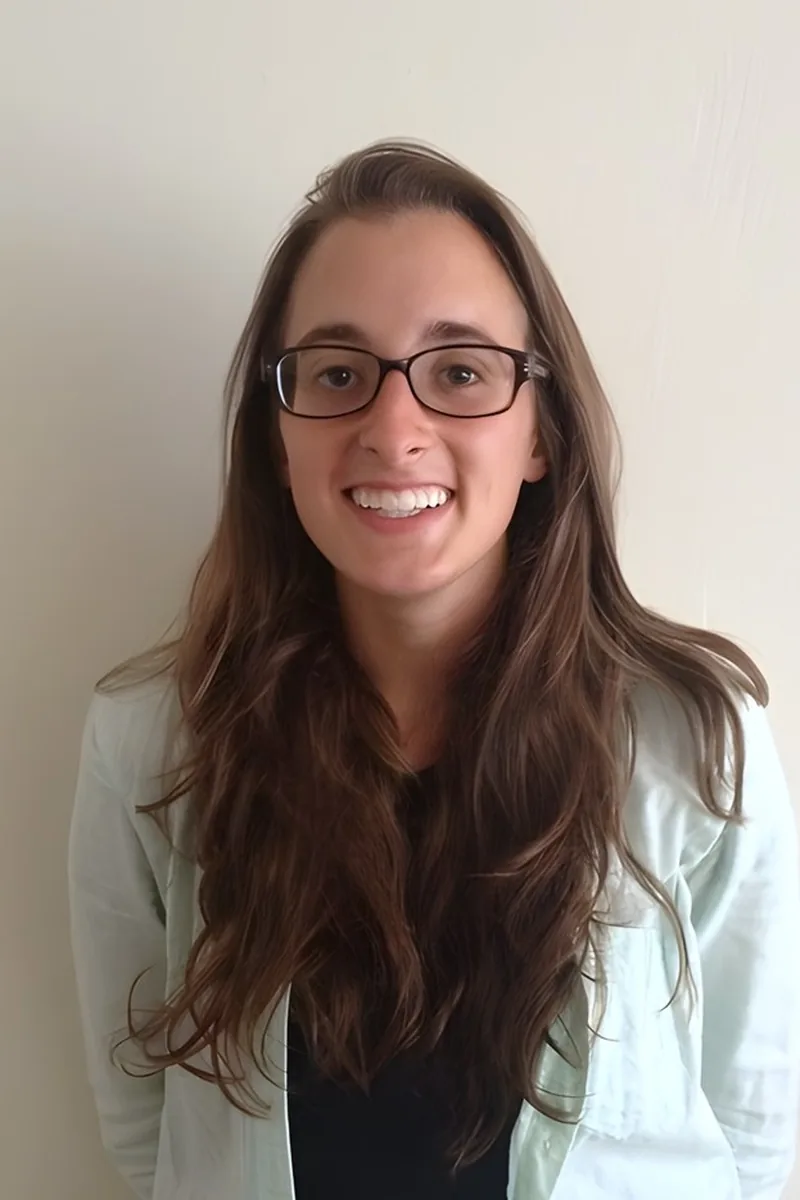
Early math concepts like place value, multi-digit multiplication, and basic fractions need to feel intuitive before a student can build on them later. Laura brings a calm, encouraging style to elementary sessions, turning abstract number relationships into concrete, visual problems. She's rated 5.0 by families she's worked with.
Multiplication tables, long division, and fractions are the skills that either build real math confidence or quietly erode it. Charles uses visual models and number sense strategies to make these ideas stick, not just as memorized procedures but as things kids actually understand. His patience across a wide range of ages and levels shows in his 4.9 student rating.
Early math confidence shapes everything that comes after, which is why getting multiplication facts or place value right matters so much at this stage. Jonathan uses games, visual models, and storytelling to make arithmetic engaging rather than repetitive. His background spans elementary through college-level math, so he always keeps an eye on building the reasoning skills young learners will need later.
Getting fractions, place value, and basic multiplication to click for a young learner takes patience and the right representations. Jonathan approaches elementary math by connecting abstract number concepts to visual and hands-on strategies that match how kids actually think. His 5.0 rating speaks to how well he builds confidence alongside competence.
Getting fractions, long division, and place value right at the elementary level sets the trajectory for everything that comes after in math. Matthew takes a patient, step-by-step approach — showing how a problem works, then giving the student a chance to try similar ones while asking questions along the way. It's a simple method, but it builds the kind of number sense that sticks.
Getting multiplication facts, place value, and basic fractions right at this stage matters enormously for everything that comes later in math. Allen keeps younger learners engaged by turning abstract number concepts into concrete, step-by-step reasoning they can follow — and by celebrating the small wins that build genuine confidence with numbers.
Getting multiplication facts, place value, and basic fractions right early on shapes how a child feels about math for years. Rachel teaches these foundational concepts through structured practice that builds genuine number sense, not just rote memorization. Her experience across elementary subjects means she knows how to keep younger learners engaged and confident.
Early math confidence matters more than most people realize — a kid who dreads subtraction at age eight often dreads algebra at fourteen. Samantha makes concepts like place value, regrouping, and basic multiplication tangible and even fun, using real-world examples that give young learners a reason to care about numbers.
Getting comfortable with multiplication facts, place value, and basic fractions early on makes every math class that follows significantly easier. Li uses visual strategies and real-world examples — measuring ingredients, splitting groups evenly — to make these foundational concepts click for younger learners.
Victoria taught first, second, and third graders for three years through Teach for America, building lessons around place value, basic operations, and early problem-solving every single day. That classroom experience — not just tutoring, but full-time teaching — means she knows how young learners develop number sense and where common misconceptions around regrouping or fractions tend to take root.
Building number sense early — understanding place value, regrouping in subtraction, or why multiplication is repeated addition — shapes how a student thinks about math for years. Katherine uses concrete examples and visual strategies to make these ideas stick before layering on procedures. She's patient with younger learners and skilled at spotting exactly where a concept breaks down.
Building number sense early — understanding place value, basic operations, and simple fractions — sets kids up for everything that comes later in math. Matthew's experience working with younger students means he knows how to keep lessons engaging and meet the pace that elementary learners actually need.
Getting multiplication facts and place value right in elementary math isn't just about drilling — it's about building number sense so a child can reason through problems they haven't seen before. Moriah, a Cornell-educated educator who manages and teaches at a prep school, brings patience and structure to topics like fractions, measurement, and basic word problems.
Building number sense early — understanding place value, basic multiplication facts, and simple fractions — sets up everything that comes later in math. Nicole studied child development as part of her Children's Studies minor at Washington University, so she knows how to match explanations to the way younger learners actually process new ideas. She uses concrete examples and visual models to make abstract concepts click.
Getting multiplication tables and place value to truly click early on makes every math class that follows easier. Rashana uses real-world examples like money and measurement to teach elementary concepts, making abstract number sense feel concrete and intuitive for younger learners.
At the elementary level, math should feel like puzzle-solving, not punishment. Samantha uses real-world examples — splitting snacks evenly, measuring ingredients, counting change — to make addition, subtraction, multiplication, and place value tangible. She's especially good at reading when a young learner is losing focus and pivoting to keep the session productive.
Laura's Montessori education through eighth grade taught her that young kids learn math best through discovery — figuring out why regrouping works, not just memorizing the steps. She brings that same exploratory approach to arithmetic and early problem-solving, letting students build understanding through questions and hands-on reasoning. Rated 5.0 by students.
Fractions, place value, and basic multiplication can feel overwhelming to young learners when the "why" behind each step isn't clear. Anni breaks these concepts into visual, hands-on explanations that build real number sense — drawing on the same structured thinking she uses in her biomedical sciences training.
Building number sense early — not just memorizing multiplication tables but understanding why grouping and place value work — sets kids up for every math class that follows. Jeanette uses concrete examples and visual strategies to make concepts like fractions, measurement, and basic operations click before moving to more abstract practice.
Multiplication tables and long division are tools, but the real goal in elementary math is number sense — understanding why regrouping works, what fractions actually represent, and how to estimate before calculating. Frank takes a methodical, encouraging approach that builds that deeper understanding alongside computational fluency. His own love of reading and writing also means he's comfortable weaving word problems into every session so math never feels disconnected from language.
Fractions, place value, and multi-step word problems each require a different kind of thinking, and younger learners don't always know how to ask for the right kind of help. Rasa reads those knowledge gaps quickly and reshapes her explanations on the fly. Her patient, adaptive style (rated 5.0 by families) keeps elementary students engaged without overwhelming them.
Fractions, place value, and multi-digit multiplication are the building blocks everything else in math sits on, so getting them right matters enormously. Rebecca uses visual models and real-world scenarios — splitting pizzas, measuring ingredients, counting change — to make these ideas tangible for younger learners. Her patient, 5.0-rated approach keeps kids engaged without rushing past confusion.
Building number sense early changes everything about how a student experiences math later on. Katharine teaches place value, fractions, and basic operations through concrete examples and visual models that make abstract ideas tangible for younger learners. Her gentle but structured approach keeps kids engaged without letting them coast past misunderstandings.
Early math confidence matters more than most people realize, and Elizabeth approaches multiplication, division, and place value with the same patience and curiosity she brought to her Teach for America classroom. She's skilled at finding the exact moment a concept stops making sense and rebuilding understanding from there. Her style leans on discovery — asking the right questions so kids reason through problems themselves.
Getting multiplication facts and place value to click early makes everything that comes after — fractions, long division, word problems — dramatically easier. Elena approaches elementary math by connecting each new concept to what a student already understands, building confidence alongside skill. Her patience and wide-ranging tutoring experience make her especially effective with younger learners.
I am a graduate of the Master's program at the School of Education at St. John's University, and a graduate of the undergraduate English program at Washington University in St. Louis. I am currently eligible to teach 7th to 12th grade English in a New York City school under the Initial Certificate, and have a combined three years of experience in the Department of Education. I have a significant background in tutoring, including test prep, English, Mathematics, and Social Studies. My extensive background in education, coupled with my intense desire to bring about positive change in the lives of New York City school children and my belief in the importance of using emerging educational technologies to engage with and enrich the education of students, has made me both a successful teacher, and a popular tutor.
Teaching fractions, place value, and multi-digit multiplication well means understanding where young learners get stuck and why. Romeo pairs his deep mathematical knowledge with a patient, approachable style — his background in sports and travel gives him plenty of real-world examples to make concepts like area, measurement, and basic division tangible for younger students.
Early math confidence shapes everything that comes after, which is why Katherine pays close attention to how a child thinks through a problem — not just whether they get the right answer. She teaches place value, multi-digit operations, and basic fractions using hands-on strategies that make number sense tangible. Her background as a reader and writer also means she's comfortable turning word problems into stories kids actually want to solve.
Building number sense early changes everything about how a student experiences math later on. Sarah approaches elementary math through hands-on strategies — using visual models for multiplication, breaking addition into place-value steps, and turning word problems into stories students can act out. Her teaching certification and 5.0 rating speak to how well she connects with younger learners.
Multiplication fluency, fraction operations, place value — these aren't just skills to memorize but building blocks that shape how a child thinks about numbers for years to come. Rachel taught math at both the middle and high school level and understands exactly which elementary gaps create problems later. She makes early math concepts tangible through questioning and hands-on discovery, turning confused faces into genuine confidence.
Multiplication tables, fractions, and place value aren't just facts to memorize — they're the building blocks every future math course depends on. Marcus makes elementary math click by using real-world examples and games that keep younger learners engaged while reinforcing core skills.
Teaching general science to children ages 5–12 with Mad Science of Long Island gave Benjamin a knack for making abstract ideas concrete — exactly what elementary math requires when students first encounter multiplication, place value, or basic fractions. He builds number sense through patterns and real-world examples rather than rote drills. Both his mother and brother are teachers, so clear, patient instruction runs in the family.
Early math confidence shapes everything that comes after, which is why Colin treats skills like place value, basic fractions, and multi-digit operations as more than rote procedures. As a certified special educator with extensive K-5 classroom experience, he reads how each child learns — visual, hands-on, or verbal — and adjusts his explanations in real time. That flexibility makes tricky concepts like regrouping or fraction equivalence click faster.
Multiplication tables and long division don't have to feel like drudgery. Morgan connects elementary math concepts to things kids already care about — art projects, music, games — so that place value, fractions, and basic operations stick naturally instead of through rote repetition.
Getting multiplication facts or fraction equivalencies to stick requires more than repetition — it takes someone who understands how young learners process math. Charles, whose master's in counseling psychology deepened his understanding of how kids think and learn, makes elementary math concepts tangible through hands-on strategies and real-world examples.
Getting fractions, place value, and basic multiplication right at this stage shapes how a student thinks about every math course that follows. Brandon is patient and deliberate — he finds the specific spot where a concept isn't clicking and explains it a different way until it does.
Getting multiplication facts or fraction concepts wrong at the elementary level doesn't just affect one test — it echoes through every math class that follows. Marissa uses visual models and real-world examples (splitting pizzas, counting change, measuring ingredients) to make operations tangible rather than mechanical. She's especially effective at building number sense in younger learners who say they "hate math."
Building number sense early changes everything about how a kid experiences math later on. Samantha teaches elementary math by making place value, basic multiplication, and simple fractions tangible — using visual models and real-world scenarios like measuring ingredients or splitting groups evenly so that young learners actually understand what the numbers mean.
Multiplication tables, long division, and place value aren't just rote skills — they're the mental architecture that every future math course depends on. Elsia teaches elementary math through challenges, races, and memorable tricks that make practice feel like play. Her cognitive science degree informs how she sequences problems so that each small win reinforces the next concept.
Testimonials
Because the right Elementary Math tutor makes all the difference.
Average Session Rating – Based on 3.4M Learner Ratings
Nearby Elementary Math Tutors
Other Bronx Tutors
Related Math Tutors in Bronx
Frequently Asked Questions
Elementary students often struggle with the transition from memorizing procedures to truly understanding why math works. Common challenges include word problems (interpreting what's being asked), multi-step problems (keeping track of multiple operations), and building number sense with larger numbers. Many students also develop math anxiety when they fall behind, which can make catching up harder. Personalized tutoring helps students slow down, ask questions, and build the conceptual foundation that makes everything else click.
The first session focuses on understanding your child's specific needs, learning style, and confidence level with math. A tutor will assess which concepts are solid and where gaps exist—whether that's place value, basic operations, fractions, or problem-solving strategies. This helps create a personalized plan that builds on strengths and addresses weak spots. You'll leave with a clear picture of next steps and what to expect going forward.
Showing work reveals a student's thinking process, not just the final answer. It helps teachers spot where confusion happens—maybe a student understands multiplication but struggles with regrouping, or can solve simple problems but gets lost with multi-step ones. When tutors see the work, they can target instruction exactly where it's needed. This approach also builds problem-solving skills that transfer to harder math later, rather than just teaching shortcuts.
Yes. Tutors work with students across Bronx's 100 school districts and understand the different approaches used—whether that's traditional algorithms, Singapore Math, Eureka Math, or other frameworks. They can align personalized instruction with what your child is learning in class, reinforce the same language and strategies teachers use, and help bridge gaps between what's taught and what clicks for your student. This consistency makes tutoring more effective.
Math anxiety often comes from feeling lost or embarrassed about asking questions in a classroom of 20+ students. With personalized 1-on-1 instruction, there's space to ask anything, make mistakes safely, and celebrate small wins—which builds confidence fast. Tutors help students see patterns and connections they might have missed, turning frustration into 'I get it now.' Over time, success in tutoring sessions carries over to classroom confidence and willingness to try harder problems.
Word problems require students to read carefully, identify what's being asked, decide which operations to use, and solve—a lot of steps where confusion can happen. Tutors teach strategies like highlighting key information, drawing pictures or diagrams, breaking problems into smaller steps, and checking if answers make sense. With practice and guidance, students move from feeling overwhelmed to seeing word problems as solvable puzzles.
Most students benefit from weekly sessions, though frequency depends on the specific gaps and your child's learning pace. Many students show noticeable improvement—better understanding, fewer careless mistakes, increased willingness to try—within 3-4 weeks of consistent tutoring. Bigger gains in standardized test scores or letter grades typically take 8-12 weeks. Your tutor will track progress and adjust the plan as your child masters concepts and builds confidence.
Varsity Tutors connects you with tutors who have expertise in elementary math and understand the specific challenges your child faces. You can share details about your student's grade level, current struggles, learning style, and any schedule preferences. Tutors review this information and those who are the best fit reach out. This personalized matching ensures your child works with someone who can teach the way they learn best.
Let’s find your perfect tutor
Answer a few quick questions. We’ll recommend the right plan and match you with a top 5% tutor.