Award-Winning College Chemistry Tutors
serving Las Vegas, NV
College Chemistry
Tutors in Las Vegas
Private 1-on-1 tutoring, weekly live classes for academic support, test prep & enrichment, practice tests and diagnostics, and more to elevate grades and test scores.
Based on 3.4M Learner Ratings
UniversitiesSchools & Universities
DeliveredHours Delivered
ProficiencyGrowth in Proficiency
Who needs tutoring?
No obligation. Takes ~1 minute.
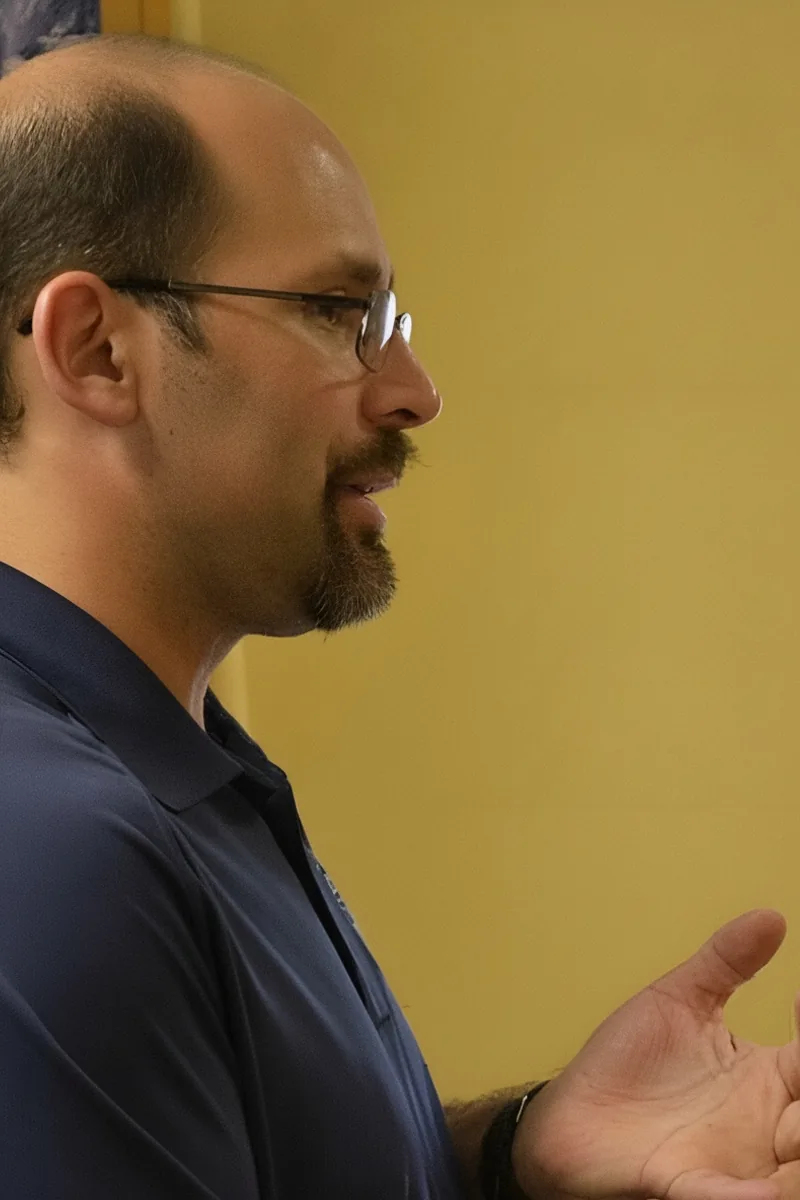
Holding a master's in chemistry, Shawn has taught the subject at every level from honors high school through college — and that range means he knows exactly where gen chem students hit walls, whether it's electron configuration, solution stoichiometry, or the leap from qualitative concepts to quantitative problem-solving. He breaks down multi-step problems by making students articulate what's happening chemically before setting up the math, which builds the kind of understanding that holds up on cumulative exams. Rated 4.9 by students.
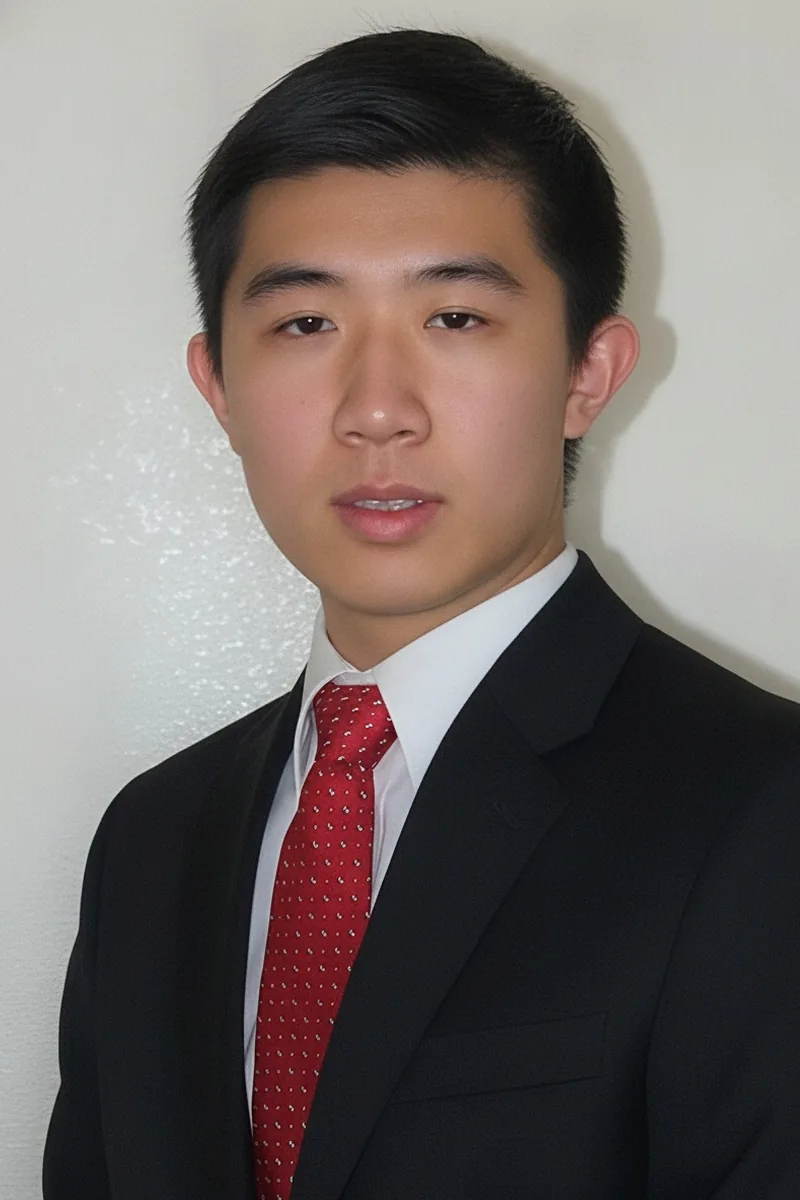
Thermodynamics, equilibrium constants, electrochemistry — college chemistry throws a lot of abstract math at students who signed up for a science class. Michael's biology concentration in cell and molecular biology means he uses chemistry daily and can connect concepts like Gibbs free energy or reaction kinetics to real biochemical systems. That context makes the math feel purposeful instead of arbitrary.
Andrea's Physiological Sciences degree from UCLA required the full gen chem and organic chem sequence, so she's worked through the quantitative side of college chemistry — stoichiometry, equilibrium expressions, acid-base calculations — as groundwork for understanding how those principles drive biological systems. That science-major perspective means she connects topics like solution chemistry or reaction energetics to what they actually explain in the body, which tends to make the material stick. Rated 4.9 by students.
Thermodynamics, reaction kinetics, and equilibrium calculations demand both conceptual reasoning and mathematical precision. Aaron's engineering education required him to master these topics at a rigorous level, and he unpacks dense material by walking through derivations step by step rather than expecting students to memorize final formulas.
Having scored a 36 on the ACT and taught honors chemistry alongside AP-level math and statistics, Ethan brings a quantitative sharpness to college chemistry that's especially useful when students hit the calculation-dense stretches — gas law problems, enthalpy calculations, solution stoichiometry. His environmental science background also means he can ground abstract topics like chemical kinetics and equilibrium in real-world systems where those principles visibly play out. Rated 5.0 by students.
Two years as a pre-med molecular biology major at Princeton meant Laura took college-level chemistry seriously — stoichiometry, thermodynamics, equilibrium, and organic reaction mechanisms were part of her daily life before she pivoted to history. That scientific foundation, combined with a Montessori-rooted instinct to let students discover concepts through exploration rather than rote drill, makes her especially effective at breaking down abstract chemistry problems. Rated 5.0 by students.
Second-year med student at Baylor College of Medicine, Michelle still remembers exactly which gen chem concepts — electron orbitals, buffer systems, reaction thermodynamics — became non-negotiable once biochemistry and physiology started building on them. Her Rice biochemistry degree means she learned college chemistry at a place where the coursework was rigorous enough to expose every shortcut that doesn't hold up, and she teaches accordingly: precise on the fundamentals so nothing collapses later.
A bio-organic chemistry degree means Alex has lived through the full gen chem sequence and then pushed those concepts further — into reaction mechanisms, molecular orbital theory, and the quantitative problem-solving that upper-level chemistry demands. That depth shows up when tackling topics like chemical kinetics or periodic trends, where he can explain not just how to solve a problem but why the underlying chemistry behaves the way it does.
Neuroscience at Yale meant David couldn't just skim gen chem — he needed concepts like electrochemistry, molecular bonding, and reaction thermodynamics to stick, because they showed up again in every neurobiology and biochemistry course that followed. Now pursuing graduate work in bioethics, he teaches college chemistry by linking each topic to the bigger scientific picture, so students see why mastering something like intermolecular forces or acid-base equilibria pays off well beyond the final exam. Rated 5.0 by students.
Thermodynamics is Rahul's favorite corner of chemistry — and as a Cornell chemical engineering graduate (magna cum laude), he's applied concepts like enthalpy, Gibbs free energy, and reaction spontaneity far beyond the gen chem textbook, through upper-level coursework in physical chemistry and process design. He pushes students to grasp the conceptual reasoning behind each problem before touching the math, so topics like calorimetry and equilibrium stop feeling like disconnected formula exercises. Rated 4.9 by students.
Going through med school means Amanda has seen what happens when gen chem concepts like acid-base equilibria and reaction thermodynamics aren't truly understood — they unravel in biochemistry, pharmacology, and every clinical science that follows. She teaches college chemistry by grounding each topic in the bigger picture of where it leads, using her biology degree and 4.2 GPA from Alabama to zero in on the quantitative reasoning — electron configurations, enthalpy calculations, equilibrium expressions — that students need to own rather than just survive.
General chemistry at the college level lives or dies on whether you actually understand what's happening at the molecular level — equilibrium shifts, thermodynamic spontaneity, orbital hybridization — or just memorize formulas. Mosab's health sciences graduate work means he uses these concepts constantly and can connect them to real biochemical applications. Rated 5.0 by students.
Having TA'd general chemistry at Cornell — running problem-solving sessions and later training other TAs in teaching techniques — Alec knows exactly which concepts derail students: electron configurations that don't match periodic trends, buffer problems where the Henderson-Hasselbalch equation gets misapplied, or enthalpy calculations where sign conventions silently flip answers. His genetics and pre-med coursework means he's also seen how gen chem principles resurface in biochemistry and organic chemistry, so he teaches each topic with an eye toward where it's headed. Rated 4.8 by students.
Thermodynamics, equilibrium constants, and reaction kinetics demand more than memorizing formulas — they require thinking about why a reaction proceeds the way it does. Garrett's coursework in physical chemistry and organic chemistry means he can unpack the energy landscapes and molecular interactions behind each concept. He connects general chemistry principles to their applications in biochemistry and physiology, which makes abstract ideas click faster.
Pre-med bio-psychology coursework at UCSB means Aaron has pushed through college chemistry the same way his students are — as a high-stakes prerequisite where every gap in stoichiometry or equilibrium shows up again in upper-division science courses. He talks through problems conversationally, pressing students to explain the reasoning back to him, which exposes shaky understanding far faster than just re-solving practice sets. Holds a 5.0 rating.
General chemistry at the college level demands more than memorizing solubility rules — it requires connecting thermodynamic principles to kinetics, understanding orbital theory, and applying equilibrium concepts quantitatively. Kinjal completed rigorous chemistry sequences as part of her biology program at Texas A&M and tackles each topic by tying abstract theory to concrete calculations. She holds a 5.0 rating from students.
Testimonials
Because the right College Chemistry tutor makes all the difference.
Average Session Rating – Based on 3.4M Learner Ratings
Other Las Vegas Tutors
Related Science Tutors in Las Vegas
Frequently Asked Questions
College chemistry requires mastering both abstract concepts and practical problem-solving skills. The biggest hurdles are typically balancing chemical equations, understanding molar relationships and unit conversions, and connecting theoretical concepts like molecular bonding to real-world applications. Many students also struggle with the pace of college coursework—chemistry moves quickly and builds on itself, so gaps in foundational knowledge can compound rapidly. Personalized tutoring helps address these specific pain points before they derail your grade.
Your first session is about understanding where you stand and what you need most. A tutor will assess your grasp of key concepts, identify specific topics causing confusion, and learn about your course goals and timeline. From there, they'll create a personalized plan that might focus on problem-solving strategies, lab report writing, exam preparation, or deeper conceptual understanding—whatever will have the biggest impact on your success. This tailored approach means you're not wasting time on material you already know.
Absolutely. Beyond helping you understand lab procedures and safety protocols, tutors can help you interpret experimental results, understand the scientific reasoning behind each step, and write clear lab reports that demonstrate your mastery. Many students struggle with connecting what happens in the lab to the theory they're learning in lecture—tutors bridge that gap by helping you see how experiments validate chemical principles and develop your scientific thinking skills.
Not at all—and that's actually why many students struggle when they approach it that way. While you do need to know key formulas and common reactions, college chemistry is fundamentally about understanding why reactions happen and how to apply those principles to new problems you've never seen. Tutors focus on building conceptual understanding so you can reason through problems, predict outcomes, and adapt your knowledge to different scenarios. This deeper understanding also makes the material stick longer and actually reduces the memorization burden.
Many chemistry concepts are inherently abstract—you can't see atoms or electron orbitals with your eyes. Tutors use multiple strategies to make these visible: drawing detailed molecular structures, using models and diagrams, working through energy diagrams, and connecting abstract concepts to tangible real-world examples. For instance, understanding how ionic bonding works becomes clearer when you see how electrons transfer and how that creates the electrostatic attraction. Regular practice with visualization tools and worked examples helps these mental models become second nature.
Look for tutors with strong chemistry backgrounds—ideally a degree in chemistry, biochemistry, or a related field, or extensive college-level chemistry teaching experience. They should be able to explain concepts clearly at the college level, have experience with your specific course (General Chemistry, Organic Chemistry, etc.), and understand common student misconceptions. Varsity Tutors connects you with expert tutors in Las Vegas who meet these standards and can adapt their teaching to your learning style and specific challenges.
That depends on your starting point and the exam scope, but most students benefit from starting exam prep 2-3 weeks before the test rather than cramming the night before. Regular tutoring sessions leading up to the exam help you build understanding incrementally, identify weak spots early, and practice problem-solving under timed conditions. Even a few focused sessions in the weeks before an exam can significantly boost your confidence and performance by ensuring you understand key concepts rather than just memorizing answers.
Varsity Tutors makes it simple to connect with qualified chemistry tutors who understand college-level coursework and can work with your schedule. You'll tell us about your specific needs—whether you're struggling with a particular unit, preparing for an exam, or looking for ongoing support—and we'll match you with a tutor who's the right fit. Your first session lets you see if the tutoring relationship is working before you commit to an ongoing plan.
Let’s find your perfect tutor
Answer a few quick questions. We’ll recommend the right plan and match you with a top 5% tutor.