Award-Winning AP Art History Tutors
serving Omaha, NE
AP Art History
Tutors in Omaha
Private 1-on-1 tutoring, weekly live classes for academic support, test prep & enrichment, practice tests and diagnostics, and more to elevate grades and test scores.
Based on 3.4M Learner Ratings
UniversitiesSchools & Universities
DeliveredHours Delivered
ProficiencyGrowth in Proficiency
Who needs tutoring?
No obligation. Takes ~1 minute.
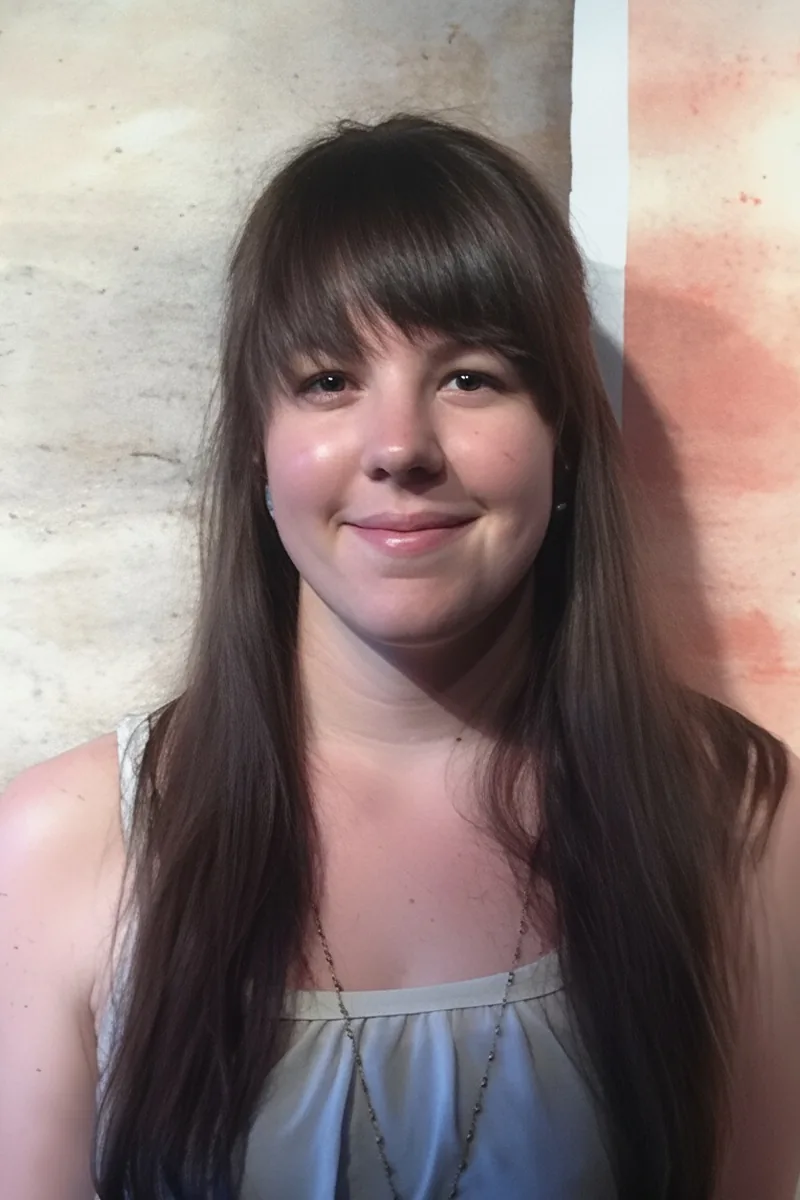
Having earned a degree in both Studio Art and English, Julia sits at the exact intersection AP Art History tests — she knows what it means to make art and can articulate in writing why formal choices matter within cultural and historical contexts. She's especially strong on teaching students how to translate close visual observation into the kind of evidence-based prose the free-response questions reward.
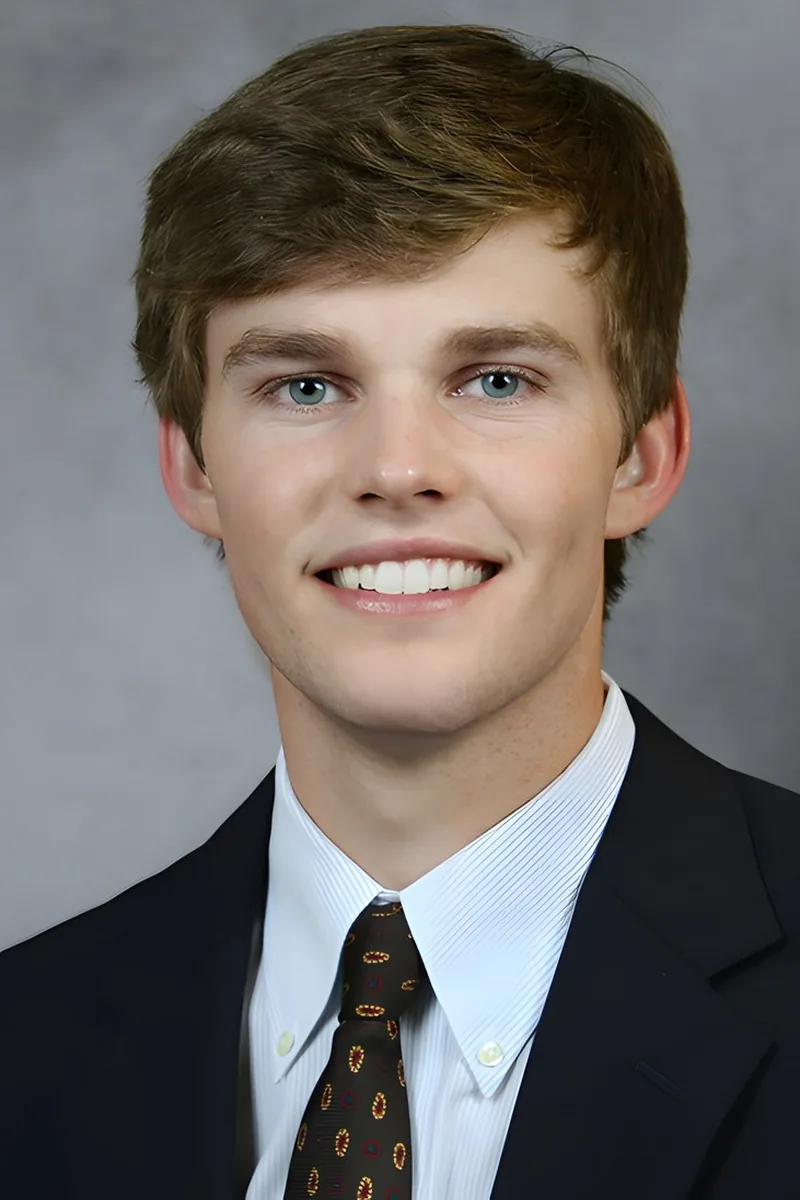
Finance might seem worlds apart from art history, but Victor's training in valuation and market analysis translates surprisingly well to understanding how patronage, trade routes, and economic power shaped artistic production — from Medici-funded Renaissance commissions to the global ivory trade behind Benin bronzes. He teaches students to read works through those economic and political lenses, which is exactly the kind of contextual argument the AP exam's free-response questions reward.
Currently pursuing degrees in Art Education, Art History, and Community Arts at Temple, Madeleine is studying the very material this exam covers — she's immersed daily in the visual analysis, cultural contextualization, and critical frameworks that drive the 250-image set. That community arts focus also gives her a practical understanding of how art functions within social and institutional spaces, which sharpens her teaching on the exam's questions about patronage, audience, and purpose.
Art history isn't just about identifying works — it's about explaining why a Gothic cathedral communicates power differently than a Mughal miniature. Jorge's anthropology background gives him a sharp eye for how art functions within its cultural context, from ritual objects in pre-Columbian societies to propaganda in twentieth-century regimes. He teaches students to build the kind of contextual analysis that earns top marks on the AP exam's essays.
Christopher's memory-sport training — he's actively working toward a Guinness World Record — gives him a genuinely unusual skill set for tackling the 250-image set, where students need to recall specific works, artists, dates, and cultural contexts under exam pressure. But he pairs those memorization techniques with a science student's habit of asking how systems connect, which translates well to the contextual and comparative essays where the AP exam tests whether students understand why a work was made, not just what it looks like.
An accounting background might seem far from art history, but Amy's economics training at Purdue taught her to analyze how trade, wealth, and patronage systems shaped artistic production — exactly the kind of contextual thinking the AP Art History exam rewards. She pairs that with a genuine love of art and reading to teach students how to connect works from the 250-image set to the economic and cultural forces behind them.
Co-curating the TCRWP Classroom Libraries Project taught Molly how to organize vast collections of material into coherent thematic frameworks — a skill that maps directly onto navigating AP Art History's 250-image set across ten content areas. Her special education background also means she's especially good at breaking down the exam's dense contextual analysis questions into concrete, repeatable steps for students who feel overwhelmed by the sheer volume of works, periods, and cultural connections.
Erica's English and Latin degrees from Oberlin give her a surprisingly useful toolkit for AP Art History — she can parse the cultural and literary contexts behind Classical and Renaissance works while teaching students to write the precise analytical prose the exam's free-response questions demand. Her experience across both humanities writing and K-12 instruction means she knows how to break down a comparison essay into manageable steps. Rated 5.0 by students.
Eight years of ESL tutoring taught Danya something most AP Art History tutors skip — how to make unfamiliar cultural contexts accessible to students who don't share them, which is exactly what the exam demands when it asks students to interpret works across ten global content areas. Her English training at Columbia sharpens the writing side, where she coaches students to build the kind of thesis-driven free-response essays that turn visual observations into persuasive cultural arguments.
Traveling extensively across cultures gave Mat a firsthand sense of how art functions differently depending on its social and historical setting — the kind of cross-cultural thinking that drives AP Art History's contextual analysis questions. His history minor at NYU's Stern School of Business sharpened his ability to connect artistic production to broader economic and political forces, especially around patronage and trade. He teaches students to build arguments that link formal details to these larger narratives, which is where the exam's free-response points actually live.
A Yale-trained art historian with a degree in Art History, Criticism, and Conservation, Moses brings the exact academic background this exam was designed to test — he can unpack how conservation practices and critical theory shape the way we interpret works across the 250-image set. He's particularly strong on teaching students to move from identifying formal elements to building the kind of contextual arguments the free-response questions reward. Rated 5.0 by students.
MiMi is currently pursuing the same degree the AP Art History exam was built around — Art History, Criticism, and Conservation — at Stanford, which means she's actively studying the critical methodologies and conservation debates that underpin the course's approach to the 250-image set. Her coursework in modern languages also strengthens her ability to teach students how non-Western and cross-cultural works communicate meaning through form and context. A 34 ACT reflects the kind of sharp analytical reading that translates directly to the exam's timed essays.
Testimonials
Because the right AP Art History tutor makes all the difference.
Average Session Rating – Based on 3.4M Learner Ratings
Practice AP Art History
Free practice tests, flashcards, and AI tutoring for AP Art History
Nearby AP Art History Tutors
Other Omaha Tutors
Related Social Studies Tutors in Omaha
Frequently Asked Questions
The AP Art History exam is 3 hours long and consists of two sections: a multiple-choice section (80 questions in 1 hour 15 minutes) and a free-response section with four essays (1 hour 45 minutes). Your score ranges from 1-5, with a 3 considered passing. The exam tests your ability to identify artworks, understand historical context, and analyze visual elements—so success requires both memorization and critical thinking skills.
Many students struggle with memorizing the 250+ required artworks and their historical contexts, especially when they're unfamiliar with art history terminology. Others find the essay section challenging because it requires synthesizing visual analysis with broader historical themes under time pressure. Additionally, distinguishing between similar periods or artistic movements can be tricky without a strong organizational system for studying.
Expert tutors can help you develop efficient study strategies for memorizing artworks and their contexts, teach you how to approach essay prompts with a clear analytical framework, and provide targeted feedback on practice essays. They can also identify your specific weak areas—whether that's a particular time period, region, or essay type—and create a focused study plan so you're not wasting time on content you already know.
Most students benefit from starting serious exam prep 8-10 weeks before the May exam, dedicating 5-7 hours per week to review and practice. However, if you're struggling with the material or starting later, more intensive preparation with a tutor can help you make faster progress. Consistent, spaced practice—reviewing artworks and taking timed practice essays regularly—is more effective than cramming.
The key is developing a consistent essay structure before test day: identify the prompt's focus (a specific artwork, period, or theme), select relevant artworks that directly address the question, and explain how visual elements and historical context support your analysis. Practice writing timed essays under exam conditions so you can complete all four essays in 1 hour 45 minutes without rushing or leaving ideas incomplete.
Rather than memorizing artworks in isolation, organize them by time period, region, or theme so you understand the historical connections. Create visual flashcards with images and key details (artist, date, medium, historical significance), and review them regularly using spaced repetition. A tutor can help you develop a personalized system that works with how you learn best and ensures you're focusing on the most frequently tested works.
Start taking full-length practice tests about 6 weeks before the exam, aiming for one every 1-2 weeks so you can identify patterns in what you're missing. After each practice test, review your essay responses carefully and note which artworks or time periods tripped you up. Taking practice tests under timed conditions helps you build pacing skills and reduces test anxiety by making the exam format feel familiar.
Look for tutors with strong knowledge of art history across multiple periods and regions, ideally with experience helping students prepare for the AP exam specifically. They should be able to explain complex concepts clearly, provide detailed feedback on your essays, and help you develop personalized study strategies. Varsity Tutors connects you with expert tutors in Omaha who understand the AP curriculum and can tailor their approach to your learning style and goals.
Let’s find your perfect tutor
Answer a few quick questions. We’ll recommend the right plan and match you with a top 5% tutor.