Award-Winning AP US History Tutors
serving Omaha, NE
AP US History
Tutors in Omaha
Private 1-on-1 tutoring, weekly live classes for academic support, test prep & enrichment, practice tests and diagnostics, and more to elevate grades and test scores.
Based on 3.4M Learner Ratings
UniversitiesSchools & Universities
DeliveredHours Delivered
ProficiencyGrowth in Proficiency
Who needs tutoring?
No obligation. Takes ~1 minute.

The AP US History exam rewards students who can construct a defensible thesis under time pressure — not just recall facts but deploy them as evidence in a DBQ or LEQ. Aaron unpacks primary documents with students, teaching them to identify point of view, purpose, and historical context before writing a single sentence. His interdisciplinary background in geology and biochemistry also brings an unusual lens to topics like industrialization and environmental policy.
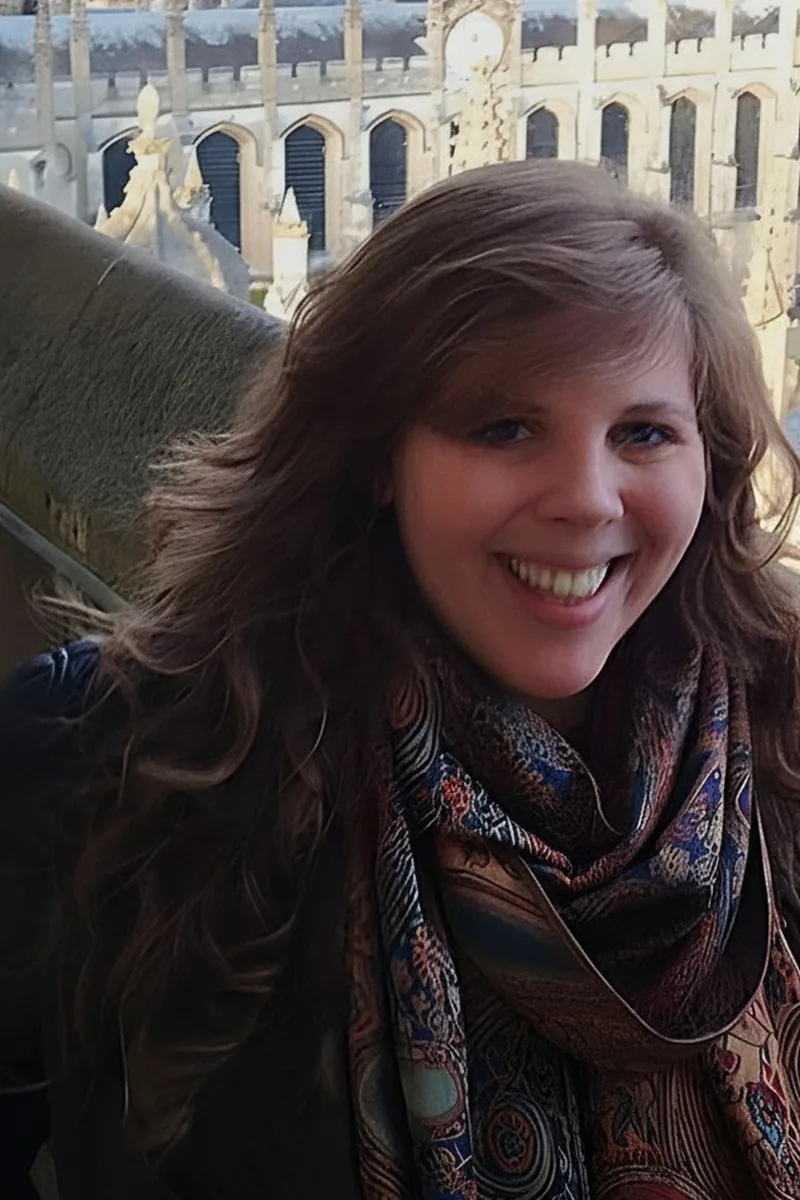
Anthropology trains you to analyze how cultures construct meaning — the same interpretive muscle APUSH flexes when students must contextualize a Reconstruction-era political cartoon or explain why Progressive reformers framed their arguments the way they did. Samantha's anthropology degree from Northwestern gives her a knack for unpacking the cultural assumptions embedded in primary sources, which is where most students lose points on the DBQ. Her 33 ACT and 1490 SAT back up the timed analytical performance the exam demands.
Studying health policy at Stanford means Jake spends his coursework tracing how government decisions — from Progressive-era public health campaigns to the ACA — reshape American life, which is exactly the kind of policy-to-impact reasoning APUSH essays reward. His 34 ACT and dual background in SAT US History and Spanish give him both the timed analytical speed and the multicultural lens that strengthen document analysis on topics like immigration, expansion, and reform. Rated 5.0 by students.
A semester at Madrid's top-ranked university taking upper-level history courses alongside Spanish students gave Meghan something unusual for APUSH prep — the habit of examining American events through an outsider's lens, which is exactly the kind of contextualization and perspective-shifting the DBQ rewards. Her journalism training at Northwestern also means she treats every primary source like a reporter would, interrogating authorship, audience, and purpose before folding it into a thesis-driven argument. Rated 5.0 by students.
Studying economics and public policy at the University of Chicago means Ethan spends his coursework analyzing the same forces — tariff debates, fiscal policy, institutional power shifts — that APUSH tests across every period from Hamilton's economic plan through Great Society legislation. That policy-analysis training makes him especially sharp on the causation and continuity-and-change reasoning the exam's essays demand, since he's used to tracing how one political decision cascades through decades of consequences. His 1550 SAT reflects the timed reading and argumentation stamina the DBQ requires.
The AP US History exam rewards students who can do more than recall events — they need to analyze documents, identify historical causation, and write a convincing DBQ under time pressure. Jeff earned his MA in history from UC Berkeley, where he taught undergraduates how to build arguments from primary sources. He applies that same document-analysis approach to APUSH prep, breaking down rubric expectations so students know exactly what earns top scores.
School psychology training is built around understanding how people think, learn, and respond to pressure — which comes in handy when students need to unpack the motivations behind everything from Jacksonian populism to Cold War containment policy. Alyssa applies that behavioral framework to APUSH's document analysis, teaching students to read primary sources not just for what they say but for the human calculations behind them. Her 1550 SAT and 5.0 rating speak to the kind of sharp, timed analytical thinking the exam rewards.
Jake's marketing degree might seem like an odd fit for APUSH, but marketing is fundamentally about understanding how audiences are persuaded — the same skill students need when analyzing primary sources for purpose, context, and intended effect on the DBQ. He pairs that rhetorical instinct with strong SAT-level reading and writing chops (1580 composite) to drill the thesis construction and evidence integration that separate high-scoring essays from ones that just retell history. Rated 4.9 by students.
The AP US History exam tests whether students can do what historians do: analyze documents, identify historical causation, and construct a defensible argument under time pressure. Rachel studied history in college and knows how to break down DBQ and LEQ prompts so students understand what the rubric actually rewards. She zeroes in on the periodization and thematic connections that turn a competent essay into one that scores a 4 or 5.
An interdisciplinary degree blending economics and political science at Yale means Allen spent four years studying the exact forces — trade policy, constitutional interpretation, factional politics — that drive APUSH's most heavily tested periods from the Early Republic through the New Deal. He teaches students to build LEQ and DBQ arguments around economic and political causation rather than just narrating events, a skill his 1570 SAT confirms he can execute under timed pressure. Rated 5.0 by students.
This isn't Nima's core subject — his background is in physics, not history — but a 1580 SAT means he's sharp at the kind of timed analytical reading and evidence-based argumentation that APUSH document questions actually test. He approaches the exam's essays like a scientist building a case: identify the claim, marshal the evidence, eliminate what doesn't support the thesis.
Economics majors spend their time tracing how incentive structures, trade policy, and financial systems reshape societies — which means Ryan already thinks in the cause-and-effect chains that APUSH essays reward, especially for periods like the Market Revolution, Gilded Age industrialization, and New Deal economic reform. His 1590 SAT signals serious reading and analytical chops, the kind that make timed document analysis feel manageable rather than frantic. Rated 5.0 by students.
The AP US History exam rewards students who can build an argument under pressure — especially on the DBQ, where synthesizing multiple sources into a coherent thesis in 60 minutes separates 4s from 5s. Max treats history as a discipline of interpretation rather than memorization, teaching students to identify causation, continuity, and change over time the way the exam actually scores them. His 5.0 client rating speaks to how well that approach lands.
Testimonials
Because the right AP US History tutor makes all the difference.
Average Session Rating – Based on 3.4M Learner Ratings
Practice AP US History
Free practice tests, flashcards, and AI tutoring for AP US History
Nearby AP US History Tutors
Other Omaha Tutors
Related Social Studies Tutors in Omaha
Frequently Asked Questions
The AP US History exam tests your knowledge across nine time periods, from pre-Columbian America through the present day. You'll need to understand major themes like American identity, politics, economics, culture, and social movements. The exam has two sections: a multiple-choice and short-answer section (95 minutes) and a free-response section with document-based questions and essays (100 minutes). Success requires both content mastery and strong analytical skills to interpret historical sources.
Score improvement depends on your starting point and how consistently you engage with tutoring. Students who work with tutors typically see meaningful gains by focusing on weak content areas and developing stronger essay-writing and source-analysis skills. Most students benefit from identifying which time periods or themes challenge them most, then drilling those areas with targeted practice. Consistent preparation over several months—combined with regular practice tests—gives you the best chance of moving from a 2 or 3 toward a 4 or 5.
Many students struggle with the sheer volume of content—nine time periods with hundreds of key events, figures, and themes to master. Others find the free-response section intimidating, especially the document-based question (DBQ), which requires you to synthesize multiple sources and construct a nuanced argument. Time management is another common issue; students often run out of time on essays or rush through analysis. Expert tutors help you prioritize content, develop efficient note-taking strategies, and practice timed essay writing so you feel confident on test day.
Your first session focuses on understanding where you stand. A tutor will likely discuss your current AP US History knowledge, identify which time periods or themes feel strongest and weakest, and learn about your learning style. You might review a practice essay or take a diagnostic quiz to pinpoint specific gaps. From there, you'll develop a personalized study plan tailored to your timeline and goals—whether you're starting months before the exam or preparing in the final weeks.
AP US History essays require you to develop a clear thesis, support it with specific historical evidence, and maintain strong analytical writing—skills that improve dramatically with practice and feedback. Tutors help you understand the rubric, teach you how to structure arguments effectively, and give you targeted feedback on drafts so you can revise and improve. Regular timed essay practice, combined with line-by-line editing, builds the confidence and speed you need to write strong essays under pressure on exam day.
Practice tests are essential—they help you get comfortable with the exam format, identify weak content areas, and build stamina for the full 3-hour exam. Taking full-length, timed practice tests every few weeks lets you track progress and see which time periods or question types trip you up most. Tutors use practice test results to guide your study focus, so you're not wasting time on material you've already mastered. Aim for at least 3-4 full practice tests before test day for best results.
Varsity Tutors connects you with expert tutors who specialize in AP US History and understand the curriculum inside and out. You can share your goals, timeline, and learning preferences, and get matched with a tutor who fits your needs. Whether you need help with specific time periods, essay writing, or comprehensive exam prep, tutors work with you on a personalized schedule. Getting started is straightforward—reach out to discuss what you're looking for, and we'll handle the matching process.
Ideally, students benefit from 3-4 months of consistent preparation, which gives you time to cover all nine time periods, practice essays regularly, and take multiple full-length tests. If you're starting closer to exam day, focused tutoring can still help you prioritize high-impact content and boost your skills in the time available. The key is consistency—even 5-7 hours per week of targeted study and tutoring beats cramming in the final weeks. Your tutor can help you create a realistic timeline based on where you're starting from.
Let’s find your perfect tutor
Answer a few quick questions. We’ll recommend the right plan and match you with a top 5% tutor.