Award-Winning Mandarin Chinese Tutors
serving St. Louis, MO
Mandarin Chinese
Tutors in St. Louis
Private 1-on-1 tutoring, weekly live classes for academic support, test prep & enrichment, practice tests and diagnostics, and more to elevate grades and test scores.
Based on 3.4M Learner Ratings
UniversitiesSchools & Universities
DeliveredHours Delivered
ProficiencyGrowth in Proficiency
Who needs tutoring?
No obligation. Takes ~1 minute.

Learning Mandarin means tackling tones, characters, and a grammatical structure that has almost nothing in common with English — and Ruth has spent over twelve years teaching students through every stage of that process. Her linguistics degree means she can explain why Mandarin works the way it does, from measure words to aspect markers, instead of just drilling phrases. She holds a 5.0 rating from students.
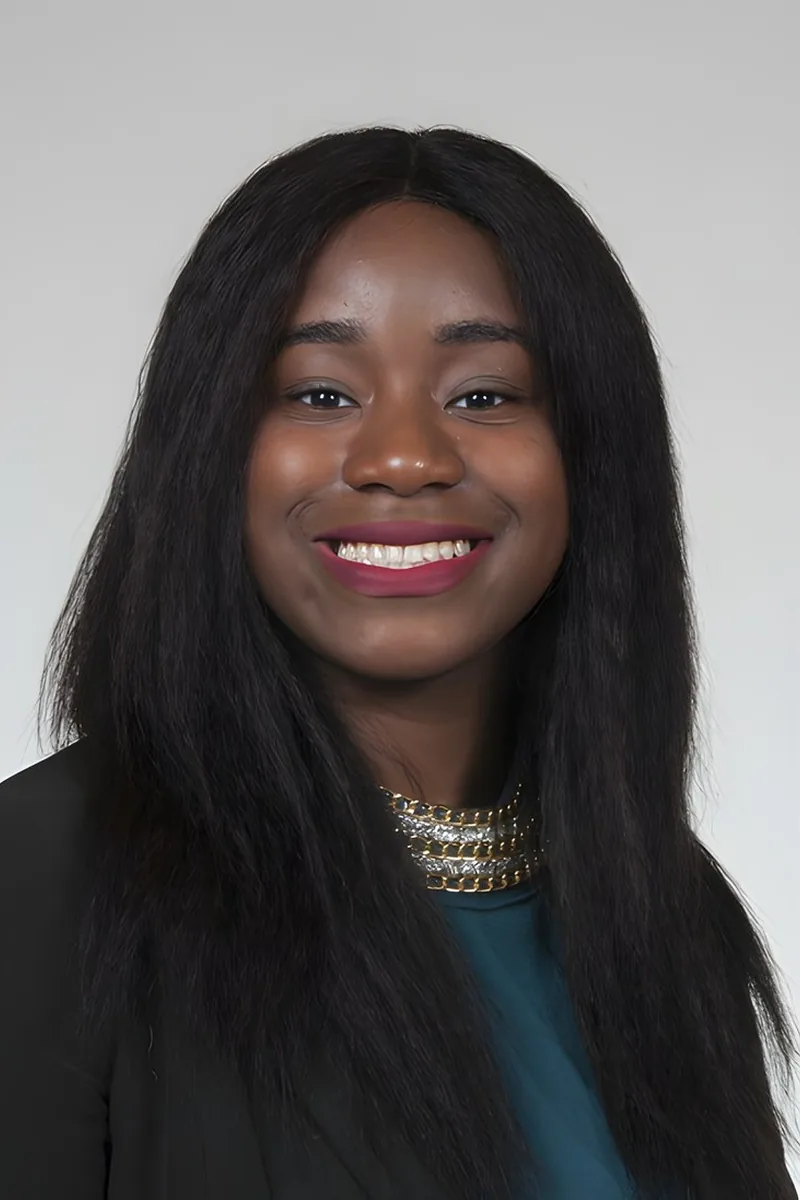
Learning Mandarin Chinese means tackling tonal pronunciation, character recognition, and sentence structures that work nothing like English. Jessica teaches students to build vocabulary through radical patterns in characters and to internalize the four tones through repetition and listening drills, making the language feel less overwhelming one concept at a time.
Martin's anthropology fieldwork required deep engagement with Mandarin Chinese — not just vocabulary lists but tonal precision, character recognition, and the cultural logic behind the language. His PhD-level research background means he can explain how Mandarin grammar structures thought differently than English, making concepts like measure words and aspect markers click for learners at any level.
Mia has studied Mandarin Chinese through advanced levels and brings a structured, patient approach to teaching tones, character recognition, and sentence construction. Whether a student is tackling measure words for the first time or working through reading comprehension passages, she breaks the language down into patterns that build on each other.
Mandarin is Xiang's native language, which means students get more than textbook grammar — they get natural phrasing, tonal precision, and cultural context that only a native speaker can provide. He walks through character structure and stroke order methodically, connecting radicals to meaning so that vocabulary sticks instead of blurring together.
Learning Mandarin means wrestling with tones, character radicals, and a grammar system that works nothing like English. Hannah's MA in Chinese Studies and full fluency in spoken, written, and read Mandarin let her explain these differences from the inside out — showing students how the language actually thinks, not just how to memorize pinyin charts.
Learning Mandarin means tackling tonal pronunciation, character recognition, and sentence structures that work nothing like English — all at once. Chris teaches across multiple levels of Mandarin Chinese and breaks these challenges apart so students build reading and speaking skills in parallel without feeling overwhelmed.
Mandarin's tonal system and character-based writing can feel overwhelming without a structured plan of attack. Zora applies the same analytical problem-solving she uses in her Stanford engineering program to break down radicals, stroke order, and pinyin pronunciation into repeatable, logical steps that build real reading and speaking ability.
As a native Shanghai speaker and ICA-certified Mandarin instructor with formal accreditation in teaching Chinese as a foreign language, Angela tackles everything from tonal pronunciation and stroke-order writing to classical grammar structures. She designs lessons around how English speakers actually struggle with Mandarin — distinguishing tones, parsing measure words, and building sentence patterns that don't map neatly onto English syntax.
Learning Mandarin means juggling tones, character stroke order, and sentence structures that feel nothing like English — and Paulkey tackles each piece systematically. As a certified Mandarin teacher who has taught every level from beginner through AP, he sequences new vocabulary and grammar so each lesson builds naturally on the last. Rated 4.7 by students.
Learning Mandarin means juggling tones, character recognition, and a grammar structure that looks nothing like English — all at once. Andrew has studied Mandarin through multiple levels and tackles each of these layers separately before combining them, so students build real reading and speaking ability instead of just memorizing phrases.
Tony tutored Mandarin Chinese through a DC-based tutoring company, covering tonal pronunciation, character recognition, and sentence structure. His Yale biology background also means he can connect vocabulary building to systematic memorization techniques that make retention of radicals and compound characters far more manageable.
Mandarin's tonal system and character-based writing can feel overwhelming at first, but Allison breaks it into manageable pieces — practicing tone pairs in context, learning radicals to decode unfamiliar characters, and building sentence patterns that transfer across topics. Her experience with Mandarin coursework through multiple levels means she understands exactly where English speakers tend to stumble.
Learning Mandarin means tackling tonal pronunciation, character writing, and a grammar system that works nothing like English — all at once. Evelyn speaks Mandarin natively and teaches students to internalize tones and sentence patterns rather than just memorize vocabulary lists. She understands the specific stumbling blocks English speakers face with Mandarin because she navigated the reverse journey herself.
Testimonials
Because the right Mandarin Chinese tutor makes all the difference.
Average Session Rating – Based on 3.4M Learner Ratings
Nearby Mandarin Chinese Tutors
Other St. Louis Tutors
Related Languages Tutors in St. Louis
Frequently Asked Questions
Mandarin Chinese requires focused practice across four critical skills—reading, writing, speaking, and listening—that are difficult to develop equally in a classroom setting. Personalized 1-on-1 instruction allows tutors to target your specific challenges, whether that's mastering tones, building conversation confidence, or understanding Chinese characters. With a tutor's dedicated attention, you get real speaking practice that classroom environments often can't provide, which is essential for developing actual fluency.
Mandarin's four tones are one of the biggest hurdles for English speakers, since tone changes meaning entirely—and mispronouncing a tone can create confusion or unintended meanings. A tutor can provide immediate feedback on your pronunciation, model correct tones repeatedly, and give you targeted exercises to train your ear and mouth. Over time, with consistent practice and correction, tones become intuitive rather than something you have to think about consciously.
Chinese character learning works best when you understand the logic behind them—how radicals combine to form meaning—rather than just memorizing strokes. A tutor can teach you character components and patterns, help you recognize common radicals, and use spaced repetition to reinforce retention over time. Many students find that learning characters alongside vocabulary and grammar, rather than in isolation, makes them stick better and feel more purposeful.
Conversation is where most classroom learning breaks down—students don't get enough airtime to practice speaking naturally. With personalized tutoring, you have a native or fluent speaker dedicated entirely to conversational practice, which means you can work through real-world scenarios, build confidence, and get corrected in real time. This consistent speaking practice is what actually builds fluency and helps you move from textbook knowledge to natural, confident communication.
Your first session is typically a chance for you and your tutor to get to know each other and assess where you are. The tutor will ask about your current level, goals (whether that's conversational fluency, HSK exam prep, or academic support), and any specific challenges you're facing. From there, they'll design a personalized plan that targets your priorities, whether that's strengthening listening comprehension, building vocabulary, or gaining speaking confidence.
The best approach combines both: understanding grammar rules gives you a foundation and helps you recognize patterns, but natural language use is what makes you actually fluent. A tutor balances explicit grammar instruction with conversational practice, so you learn the rules but also develop an intuition for how Mandarin actually sounds and flows. This blend helps you move beyond textbook sentences to real, natural communication.
Vocabulary retention works best with spaced repetition and active use—seeing a word multiple times over days and weeks, and using it in conversation or writing. A tutor can introduce vocabulary in context (through real conversations or scenarios), quiz you strategically, and help you use new words immediately so they stick. Rather than drilling isolated word lists, learning vocabulary through actual usage makes it meaningful and memorable.
Yes—language and culture are deeply connected, and understanding cultural context helps you communicate more naturally and respectfully. Many tutors weave in cultural insights about Chinese communication styles, etiquette, and common expressions that don't translate literally. This deeper understanding helps you move beyond just translating words to actually understanding how Mandarin speakers think and communicate, which is key to genuine fluency.
Let’s find your perfect tutor
Answer a few quick questions. We’ll recommend the right plan and match you with a top 5% tutor.