Award-Winning Computer Science Tutors
serving St. Louis, MO
Computer Science
Tutors in St. Louis
Private 1-on-1 tutoring, weekly live classes for academic support, test prep & enrichment, practice tests and diagnostics, and more to elevate grades and test scores.
Based on 3.4M Learner Ratings
UniversitiesSchools & Universities
DeliveredHours Delivered
ProficiencyGrowth in Proficiency
Who needs tutoring?
No obligation. Takes ~1 minute.
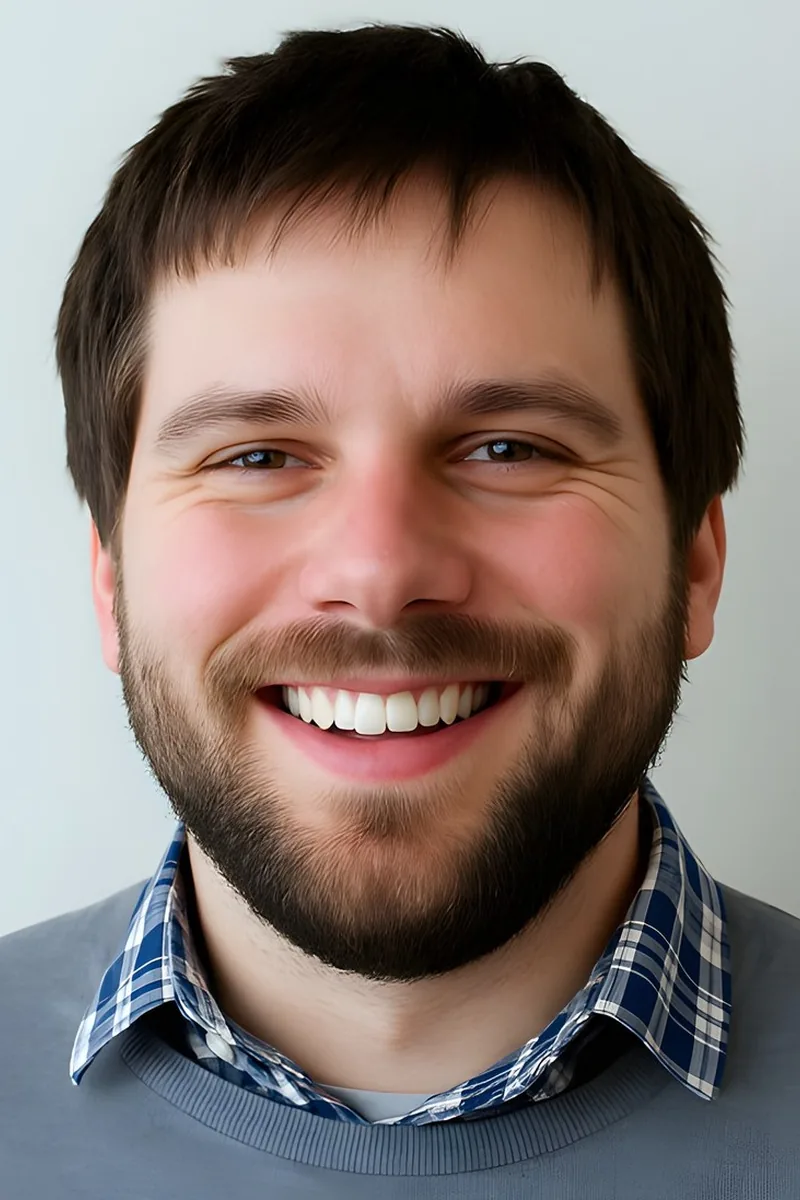
I am interested in Physics and Mathematics and working out practical problems from plumbing to electronics. I will someday go back for my Ph.D. in Physics but until then I am looking to grow as an engineer or computer programmer.
Samantha earned her PhD in Computer Science, which means she can teach introductory topics like loops and conditionals while also tackling upper-level material — data structures, algorithm complexity, and computational theory. She approaches debugging as a teaching tool, walking through error messages line by line until students can diagnose problems independently.
Madeline's physics PhD work at Carnegie Mellon means she writes code daily — Python, Java, MATLAB, and Mathematica — to model complex systems and crunch data, which is a very different entry point into computer science than a pure software track. That scientific computing background makes her especially effective at teaching programming logic, debugging strategies, and algorithmic thinking to students who need CS skills for STEM applications rather than just app development.
Between his AP Computer Science 5 and his engineering coursework at Vanderbilt, William has written code across contexts — from introductory Java to computational modeling in his chemical engineering classes. He breaks down abstract concepts like recursion, data structures, and algorithm efficiency by walking through concrete examples line by line. Students who can follow the logic but freeze when writing code from a blank screen tend to gain traction quickly with his approach.
Programming starts making sense when you stop memorizing syntax and start thinking about what the computer is actually doing step by step. June's electrical engineering background at Brown gives her insight into both the hardware and software sides — she can explain why an algorithm is efficient, not just how to write it. From loops and conditionals to data structures and recursion, she connects each concept to real projects she's built in robotics and hackathons.
Three Bachelor of Science degrees — including Neuroscience — meant Anna was writing code long before she started teaching it, using Java, Python, and MATLAB to analyze data and build computational models across disciplines. That cross-field experience shapes how she teaches CS fundamentals: students don't just learn syntax, they learn to think about what a program needs to do before structuring it in any particular language. Rated 5.0 by students.
Corrina's mechanical engineering degree required extensive programming coursework, and she now teaches core computer science concepts — data structures, algorithms, Boolean logic, and computational thinking — in a way that makes abstract ideas tangible. She connects each concept to real applications, whether that's sorting algorithms in a search engine or conditionals inside a robot's control loop.
Sakibul's graduate work at Rice sits at the intersection of computer science and applied mathematics, which means he tackles programming concepts — loops, recursion, data structures — with the analytical rigor of a mathematician. He breaks down abstract ideas like algorithmic complexity into concrete, step-by-step reasoning that clicks for students encountering CS for the first time.
Eric treats coding problems the same way he treats logical puzzles — by breaking them apart, finding the pattern, and building a solution step by step. As a CS major at Washington University in St. Louis, he's deep in Java and JavaScript right now, which means he can walk students through everything from writing their first function to structuring a full object-oriented program. His approach emphasizes learning to think through problems algorithmically before jumping to syntax.
Jeff tackles computer science by connecting abstract concepts like recursion, data structures, and algorithmic complexity to concrete problem-solving steps students can follow. His science background means he's comfortable with the mathematical logic underlying CS, from Boolean algebra to Big-O analysis.
Biomedical engineering at Rice requires heavy computational coursework, so Theresa has tackled core computer science concepts — from object-oriented programming and data structures to algorithm complexity — in the context of solving real problems. She explains abstract ideas like recursion and sorting algorithms by connecting them to concrete examples rather than letting students drown in theory. Rated 5.0 by students.
Julia is a computational science major at Stanford who writes code daily and understands the gap between knowing syntax and thinking like a programmer. She digs into core concepts like recursion, data structures, and algorithm design by walking through problems step by step until the logic becomes intuitive. Students learning Python, Java, or tackling their first real debugging challenge get someone who can explain the *why* behind every line.
Earning a certificate in Statistics and Machine Learning at Princeton gave Julie hands-on experience with core computer science concepts — algorithm design, data structures, and computational complexity. She approaches CS the way she approaches philosophy: by asking students to reason through *why* a solution works, not just whether it compiles.
Ryan is a computer science major at Cornell, which means he's actively working through the same core curriculum — algorithms, data structures, computational complexity — that college CS students encounter. He explains concepts like recursion, Big-O analysis, and graph traversal by tracing through concrete examples rather than relying on abstract definitions. Rated 4.8 across his sessions.
Testimonials
Because the right Computer Science tutor makes all the difference.
Average Session Rating – Based on 3.4M Learner Ratings
Nearby Computer Science Tutors
Other St. Louis Tutors
Related Technology and Coding Tutors in St. Louis
Frequently Asked Questions
Your first session is about understanding where you are and what you want to achieve. A tutor will assess your current programming knowledge, discuss your goals (whether that's mastering a specific language, preparing for AP Computer Science, or building projects), and identify areas where you need the most support. This helps create a personalized plan tailored to your learning style and pace.
Debugging is a critical skill that goes beyond just fixing errors—it's about developing a systematic approach to problem-solving. Tutors teach you how to read error messages, use debugging tools, trace through your code logically, and identify root causes rather than just symptoms. With hands-on code review and guided practice, you'll build confidence in tackling errors independently.
Syntax is the rules of a specific programming language (like Python or Java), while logic is the problem-solving approach behind your code. Many students struggle because they focus too much on syntax and not enough on algorithmic thinking. Tutors help you develop strong logical foundations first, then apply them across different languages—so you can learn new syntax more easily later.
Data structures (arrays, linked lists, trees, etc.) are fundamental to writing efficient code and solving complex problems. Many students find them abstract and intimidating. Tutors break them down with visual explanations, hands-on coding practice, and real-world examples so you understand not just how they work, but when and why to use them.
Absolutely. Project-based learning is one of the most effective ways to solidify your skills. Tutors can guide you through building web applications, games, data analysis tools, or other projects that interest you. They'll help with planning, code architecture, debugging when things go wrong, and best practices—giving you real portfolio pieces and practical experience.
Yes. Varsity Tutors connects you with tutors who have expertise in different areas—whether that's web development, game development, data science, or other specializations. During your first session, you can discuss your specific interests, and you'll be matched with someone who can guide you down your chosen path while building core Computer Science fundamentals.
AP Computer Science (A or Principles) requires both conceptual understanding and coding proficiency. Tutors help you master the curriculum, practice with past exam questions, develop efficient problem-solving strategies, and get comfortable with the exam format. With personalized instruction, you can focus on your weak areas and build confidence before test day.
Yes. Varsity Tutors connects students across St. Louis and the surrounding areas with expert tutors who specialize in Computer Science. Whether you attend school in one of the 40+ schools across the 9 school districts in the area or are homeschooled, you can get matched with a tutor who fits your schedule and learning goals.
Let’s find your perfect tutor
Answer a few quick questions. We’ll recommend the right plan and match you with a top 5% tutor.