Award-Winning AP Computer Science A Tutors
serving St. Louis, MO
AP Computer Science A
Tutors in St. Louis
Private 1-on-1 tutoring, weekly live classes for academic support, test prep & enrichment, practice tests and diagnostics, and more to elevate grades and test scores.
Based on 3.4M Learner Ratings
UniversitiesSchools & Universities
DeliveredHours Delivered
ProficiencyGrowth in Proficiency
Who needs tutoring?
No obligation. Takes ~1 minute.

I am interested in Physics and Mathematics and working out practical problems from plumbing to electronics. I will someday go back for my Ph.D. in Physics but until then I am looking to grow as an engineer or computer programmer.
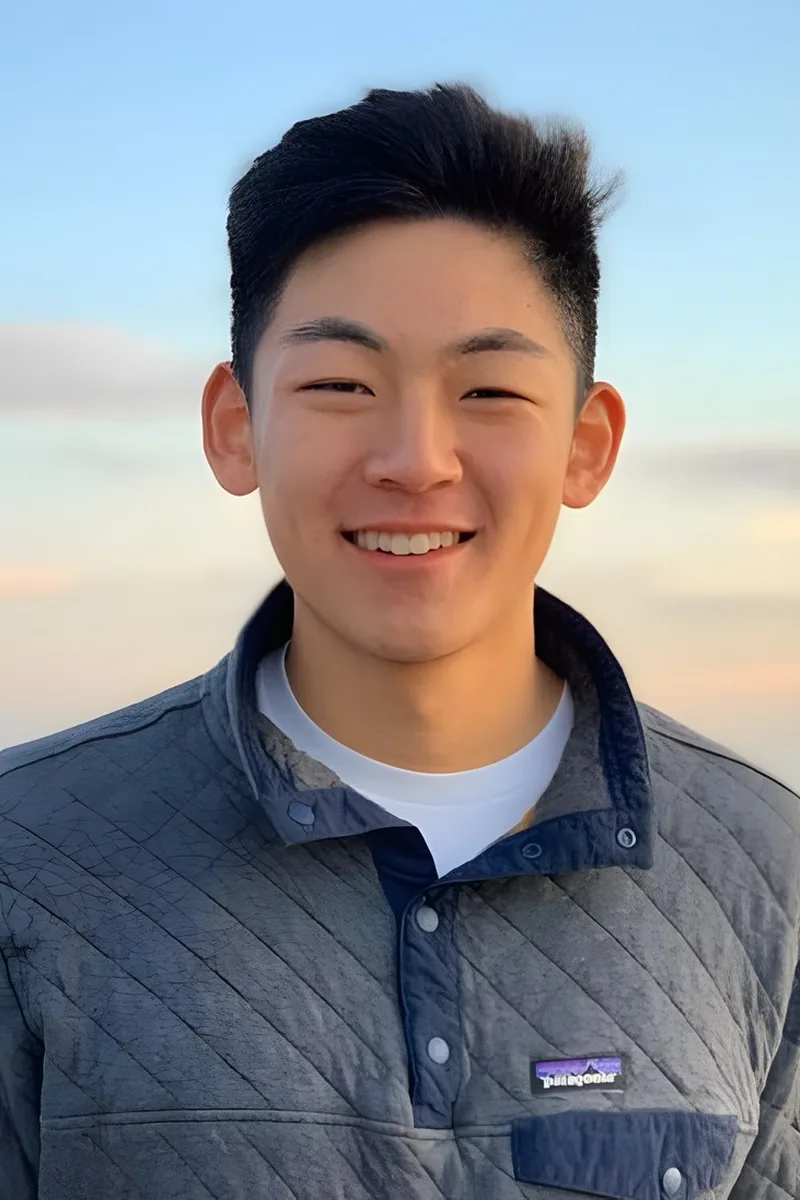
Kevin's Stanford CS master's work in biocomputation means he writes Python and C++ for AI systems daily — but Java's object-oriented model is the same design thinking in a different wrapper, and he teaches AP CSA students to see class hierarchies, polymorphism, and recursion as transferable patterns rather than Java-specific tricks. His 1590 SAT and 35 ACT signal the kind of precise, methodical reasoning that translates directly to tracing free-response code under pressure. Rated 5.0 by students.
The jump from writing simple programs to reasoning about recursion, sorting algorithms, and ArrayLists trips up a lot of AP CS A students. David teaches Java with the rigor of someone who earned an MS in Computer Science at Stanford, walking through each concept with the kind of tracing and debugging exercises that make exam free-response questions feel routine.
Debugging a recursive method or tracing through an ArrayList manipulation separates students who understand Java from those who've just memorized syntax. Ankit studied computer science at Duke and tackles AP Computer Science A by building intuition around object-oriented design — inheritance, polymorphism, and class hierarchies — so students can reason through free-response problems confidently. Rated 4.8 by students.
Mechanical engineering at the college level means writing code that controls physical systems — and Corrina's background in robotics, Python, and machine learning gives her a programmer's instinct for how objects, methods, and data structures actually behave when something depends on them working correctly. She teaches AP CSA's trickier concepts like recursive logic and class design by grounding them in that engineering mindset, where every line of code has to do exactly what you think it does.
Rice CS coursework in Java and Python means Alex writes object-oriented code daily — building classes, tracing recursion, debugging inheritance chains — which maps directly onto what the AP CSA exam tests. He also teaches Scratch and game design to younger students, so he's practiced at adjusting his explanations depending on whether someone is seeing their first for-loop or wrestling with polymorphism on a free-response prompt.
Mechanical engineering at Case Western means Kevin codes in MATLAB and CAD environments where logical structure matters — the same kind of structured thinking that Java's object-oriented model demands in AP CSA. He approaches topics like loop construction and array manipulation the way an engineer solves a design problem: define the inputs, trace the logic, then build. Rated 4.8 by students.
I am a undergraduate freshman of the University of Michigan, studying business at the Ross School of Business. Working together with students and having a good time while seeing steady improvements has proven to provide me great joy. I believe that communication and relationship building is crucial for students to open up about their struggles and also for me to identify problems they don't realize they can improve on, so this is a key aspect of all of my lessons. During my free time, I enjoy playing sports or snacking on desserts while binge-watching Friends!
The AP Computer Science A exam lives and dies on object-oriented Java: inheritance hierarchies, array and ArrayList manipulation, and recursive methods that students need to trace by hand under time pressure. Ryan teaches these concepts in Java daily as part of his Cornell CS program, so he knows exactly where the common logic errors hide. He unpacks each free-response question type so students see the scoring pattern, not just the answer.
Irene's PhD in Mathematics and Computer Science means she learned Java and object-oriented design not as a side skill but as core dissertation-level work — so AP CSA topics like recursion, sorting algorithms, and class structure sit squarely in her wheelhouse. She teaches the logic behind the code, connecting how a for-loop traverses an array to the same discrete math reasoning she's used for decades. Rated 4.9 by students.
Double-majoring in physics and computer science at Stony Brook means Kiran writes Java and C++ not just for coursework but for computational physics problems — simulations, data analysis, algorithm design — where sloppy code means wrong answers, not just compiler errors. That habit of precision carries directly into AP CSA, where he teaches students to think carefully about how objects interact and why a method behaves differently than expected before rewriting a single line.
Java's object-oriented structure clicks faster when someone can explain why you'd use inheritance over composition, not just how to write the syntax. Ronit studies computer science at Yale and digs into AP CS A topics like array manipulation, recursive methods, and class design with the kind of precision the free-response questions demand. He holds a 5.0 rating from students.
Economics at Brown means Clive spends more time in Python and Java than most people expect — building models, running simulations, and writing scripts that demand the same object-oriented thinking AP CSA tests on. He teaches topics like loop construction and array manipulation by tying them to real data problems, which gives the abstract stuff a concrete purpose. His 35 ACT speaks to the kind of careful, logical reasoning that pays off on exam day.
Testimonials
Because the right AP Computer Science A tutor makes all the difference.
Average Session Rating – Based on 3.4M Learner Ratings
Practice AP Computer Science A
Free practice tests, flashcards, and AI tutoring for AP Computer Science A
Nearby AP Computer Science A Tutors
Other St. Louis Tutors
Related Technology and Coding Tutors in St. Louis
Frequently Asked Questions
AP Computer Science A focuses on Java programming fundamentals and object-oriented design. The curriculum includes variables and data types, control structures, arrays and ArrayLists, object-oriented programming concepts (classes, inheritance, polymorphism), algorithms, and recursion. Students also learn to write code that solves problems, trace code execution, and understand how different programming constructs work together. Mastering these topics prepares students for the multiple-choice and free-response sections of the AP exam.
The AP Computer Science A exam is 3 hours long and consists of two sections: a 90-minute multiple-choice section with 40 questions (50% of score) and a 90-minute free-response section with 4 coding problems (50% of score). The multiple-choice questions test conceptual understanding and code tracing, while the free-response section requires students to write Java code from scratch to solve problems. Success on both sections requires strong coding skills, understanding of algorithms, and practice with timing to complete all questions.
Many students struggle with object-oriented programming concepts like inheritance and polymorphism, which require thinking about code structure differently than procedural programming. Time management is another significant challenge—the free-response section requires writing correct, efficient code under pressure. Additionally, students often find it difficult to trace complex code logic, understand when to use different data structures (arrays vs ArrayLists), and debug their own code effectively. Personalized tutoring can help identify these weak areas early and build confidence through targeted practice.
Varsity Tutors connects you with expert tutors who can break down challenging concepts like recursion and object-oriented design into manageable pieces, provide detailed code walkthroughs, and give you practice writing free-response solutions under timed conditions. Tutors can also help you develop a study schedule that balances learning new topics with consistent practice on past exam questions. With personalized 1-on-1 instruction, you'll get immediate feedback on your code and strategies to improve both your accuracy and speed on test day.
Score improvement depends on your starting point, consistency with practice, and how much time you dedicate to tutoring. Students who work with tutors typically see the most gains by focusing on their weakest areas—whether that's understanding complex algorithms, mastering free-response problem-solving, or improving code tracing accuracy. Most students benefit from starting tutoring several months before the exam to allow time for skill-building and multiple practice tests. Your tutor can help you set realistic goals and track progress throughout your preparation.
Practice tests are essential for AP Computer Science A preparation because they help you understand the exam format, build time management skills, and identify specific weak areas before test day. Taking full-length practice tests under timed conditions simulates the actual exam experience and reveals whether you're struggling with particular concepts or just need to work faster. Your tutor can review your practice test results to pinpoint patterns in your mistakes and adjust your study plan accordingly, ensuring you're spending time on what will most improve your score.
Varsity Tutors connects you with expert tutors for students in St. Louis who specialize in AP Computer Science A. When you reach out, you'll be matched with a tutor based on your specific needs, schedule, and learning style. Whether you need help with a particular topic like recursion or want comprehensive exam prep, Varsity Tutors ensures you get personalized 1-on-1 instruction tailored to your goals. The matching process is straightforward, and you can start working with your tutor on your timeline.
Your first session is an opportunity for your tutor to understand your current level, learning goals, and any specific challenges you're facing with Java or exam preparation. Your tutor may ask about topics you find confusing, review your previous coursework or practice test results, and discuss your timeline for the AP exam. Together, you'll create a personalized study plan that addresses your weak areas and builds on your strengths. This foundation ensures that every subsequent session is focused and productive.
Let’s find your perfect tutor
Answer a few quick questions. We’ll recommend the right plan and match you with a top 5% tutor.