Award-Winning AP US History Tutors
serving Kansas City, MO
AP US History
Tutors in Kansas City
Private 1-on-1 tutoring, weekly live classes for academic support, test prep & enrichment, practice tests and diagnostics, and more to elevate grades and test scores.
Based on 3.4M Learner Ratings
UniversitiesSchools & Universities
DeliveredHours Delivered
ProficiencyGrowth in Proficiency
Who needs tutoring?
No obligation. Takes ~1 minute.

The AP US History exam tests whether students can do what historians do: analyze documents, identify historical causation, and construct a defensible argument under time pressure. Rachel studied history in college and knows how to break down DBQ and LEQ prompts so students understand what the rubric actually rewards. She zeroes in on the periodization and thematic connections that turn a competent essay into one that scores a 4 or 5.
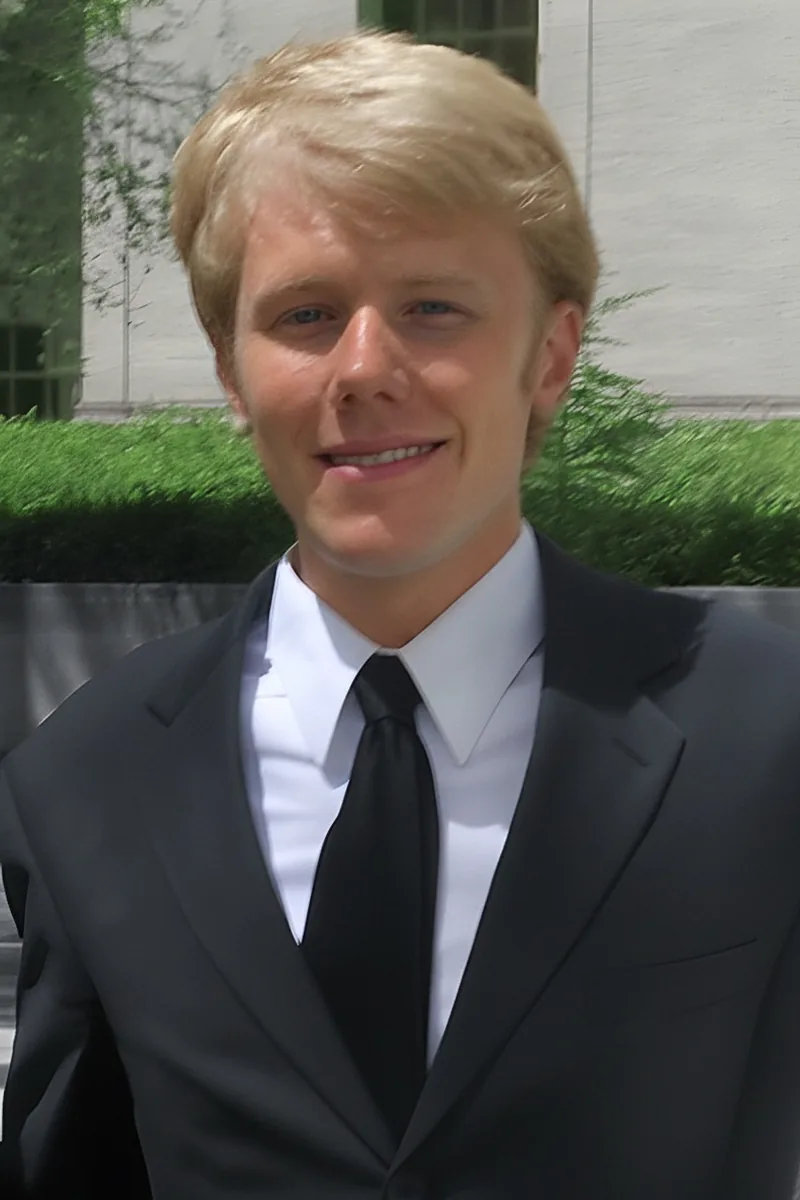
Jay earned his history degree with honors from Penn State's Schreyer Honors College, and AP US History plays directly to that strength. He digs into the DBQ and LEQ formats specifically, teaching students how to contextualize documents, build defensible claims, and weave evidence from periods like Reconstruction or the New Deal into arguments that score well on exam day.
Teaching in the US Peace Corps means explaining American institutions and historical turning points to audiences with no built-in assumptions about them — a skill that translates directly to APUSH's contextualization and causation demands, where students can't just name events but must explain why they mattered. Chris's International Relations master's degree adds the policy and diplomacy framework that sharpens analysis of everything from the Treaty of Versailles to containment strategy. Rated 4.8 by students.
A Master of Public Policy degree means Erika spent graduate school analyzing how American institutions evolved and why specific policy decisions — from the New Deal to the Great Society — reshaped the country. That lens gives her a natural edge when teaching APUSH's thematic threads around government power, reform movements, and political realignment. Rated 5.0 by students, she connects policy context to the kind of argumentation the exam actually scores.
Political science majors spend years dissecting the constitutional tensions, legislative battles, and power dynamics that make up the core of the APUSH curriculum — Julian studied exactly the material the exam tests most heavily. His 1430 SAT signals strong timed reading and writing performance, which matters for an exam where the DBQ and LEQ live or die on how quickly a student can build a sourced, thesis-driven argument under pressure.
Architecture school at Columbia trains you to research how buildings, cities, and spaces reflect the political and economic forces of their time — a habit of thinking that maps surprisingly well onto APUSH's emphasis on causation and contextualization across periods. Andrew brings that design-history lens to document analysis, teaching students to read sources for intent and audience the way an architect reads a site for constraints and possibilities. His 4.9 rating speaks to how well that cross-disciplinary approach clicks.
A biology undergrad who went on to earn a Master of Social Work brings an unusual combination to APUSH — Todd understands both the scientific and social dimensions of American history, from public health crises to Progressive Era reform to the policy debates that shaped the modern welfare state. That social work training means he naturally thinks in terms of systems, institutions, and their impact on communities, which is exactly the kind of causation and contextualization reasoning the DBQ and LEQ reward. Holds a 5.0 rating.
AP US History's exam doesn't just test what happened — it tests whether a student can construct an argument using documents they've never seen before. Jon's Asian American Studies background at UCLA gave him deep experience analyzing primary sources through the lens of race, immigration, and social movements, which maps directly onto the DBQ and LEQ skills the exam demands.
I am currently a senior at Northwestern University and I will be receiving a Bachelor of Arts in Political Science and Legal Studies this spring. In the fall, I will begin attending law school at Northwestern Law. For many years, I tutored a wide range of students in Spanish, English literature, and writing. I have also continued to help many high school seniors with college application essays. While I tutor a variety of subjects, I am very passionate about helping students improve their reading and writing skills, and I really enjoy helping students with Critical Reading and Writing portions of Standardized Tests. I love working with students and helping them realize their full academic potential. In my spare time, I enjoy traveling, exploring Chicago, reading, and cooking.
Teaching history at a community college while also working as a certified ESL teacher gave Christie a unusual double skill set — she knows how to make dense American political and economic developments accessible to students who can't rely on assumed cultural context. That translates directly to APUSH's document-based questions, where she zeroes in on sourcing and contextualization, training students to read a 1790s Federalist pamphlet or a 1960s protest letter for audience and purpose before building an argument around it. Rated 5.0 by students.
A statistics and machine learning certificate at Princeton means Julie spends her coursework building arguments from data — the same evidentiary reasoning APUSH demands when students must synthesize unfamiliar documents into a coherent thesis under time pressure. Her philosophy training adds a layer most history tutors skip: she teaches students to identify the logical structure of an argument before writing one, which is exactly what separates strong DBQs from ones that just summarize sources. Rated 4.9 by students.
The AP US History exam rewards students who can do two things fast: identify historical causation and write a thesis-driven essay under time pressure. Scott tackles both by teaching students to read documents like an anthropologist — pulling out perspective, audience, and purpose before jumping to conclusions. His deep background in social studies and essay writing makes the DBQ and LEQ feel far less intimidating.
Testimonials
Because the right AP US History tutor makes all the difference.
Average Session Rating – Based on 3.4M Learner Ratings
Practice AP US History
Free practice tests, flashcards, and AI tutoring for AP US History
Nearby AP US History Tutors
Other Kansas City Tutors
Related Social Studies Tutors in Kansas City
Frequently Asked Questions
AP US History spans from pre-Columbian America through the present day, organized into nine thematic units that emphasize historical thinking skills alongside content knowledge. The course focuses on major themes like identity, culture, politics, economics, and social change rather than memorizing isolated facts. Students learn to analyze primary and secondary sources, construct historical arguments, and understand causation—skills that go far beyond the exam itself.
The exam consists of two sections: a multiple-choice and short-answer section (95 minutes) and a free-response section with document-based and long-essay questions (105 minutes). The multiple-choice questions test both factual knowledge and analytical skills, while the free-response requires you to construct evidence-based arguments using historical sources. Pacing is critical—many students struggle with time management, especially when analyzing documents under pressure.
Students typically struggle with three areas: synthesizing large amounts of content across multiple time periods, analyzing primary sources quickly and accurately, and constructing clear historical arguments rather than just listing facts. Many also find the document-based question overwhelming due to its complexity and time constraints. Personalized tutoring helps you develop strategies to organize content thematically, practice source analysis under timed conditions, and build confidence in your writing.
Score improvement depends on your starting point and consistency, but students who work with tutors typically see meaningful gains by focusing on their specific weaknesses—whether that's multiple-choice strategy, document analysis, or essay construction. Many students jump from a 2 or 3 to a 4 or 5 by learning how to identify what the exam is actually asking and organizing their knowledge more effectively. Regular practice tests combined with targeted feedback are key to tracking progress.
Ideally, you'll begin focused exam preparation 8-12 weeks before the test date, though this varies based on your current understanding of the material. If you're taking the course concurrently, tutoring throughout the year helps you build strong foundations in each unit rather than cramming later. For Kansas City students, connecting with a tutor early in the school year allows time to identify weak areas and develop strategies before the May exam.
Test anxiety often stems from feeling unprepared or uncertain about what to expect. Working through multiple practice tests under timed conditions helps normalize the exam format and builds confidence in your ability to manage the time constraints. Tutors also teach specific strategies like prioritizing questions, managing the document-based question's complexity, and maintaining focus when you encounter unfamiliar content. Knowing you have a solid study plan and understanding the exam's expectations significantly reduces anxiety on test day.
The document-based question requires you to analyze 7-8 sources and construct an argument that uses them as evidence. Start by reading the prompt carefully to understand what argument you need to make, then quickly identify the perspective and context of each document. Many students waste time summarizing documents instead of analyzing how they support their thesis. Tutors help you develop a systematic approach to DBQ analysis and practice writing strong thesis statements that guide your entire response.
Look for tutors with deep knowledge of US history content, experience with the AP exam format, and proven skill in teaching historical analysis and writing. They should understand common student misconceptions, be able to explain complex topics clearly, and provide targeted feedback on practice essays and multiple-choice strategies. Varsity Tutors connects you with expert tutors in Kansas City who specialize in AP US History and can tailor their approach to your specific needs and learning style.
Let’s find your perfect tutor
Answer a few quick questions. We’ll recommend the right plan and match you with a top 5% tutor.