Award-Winning Science Tutors
serving Minneapolis, MN
Science
Tutors in Minneapolis
Private 1-on-1 tutoring, weekly live classes for academic support, test prep & enrichment, practice tests and diagnostics, and more to elevate grades and test scores.
Based on 3.4M Learner Ratings
UniversitiesSchools & Universities
DeliveredHours Delivered
ProficiencyGrowth in Proficiency
Who needs tutoring?
No obligation. Takes ~1 minute.
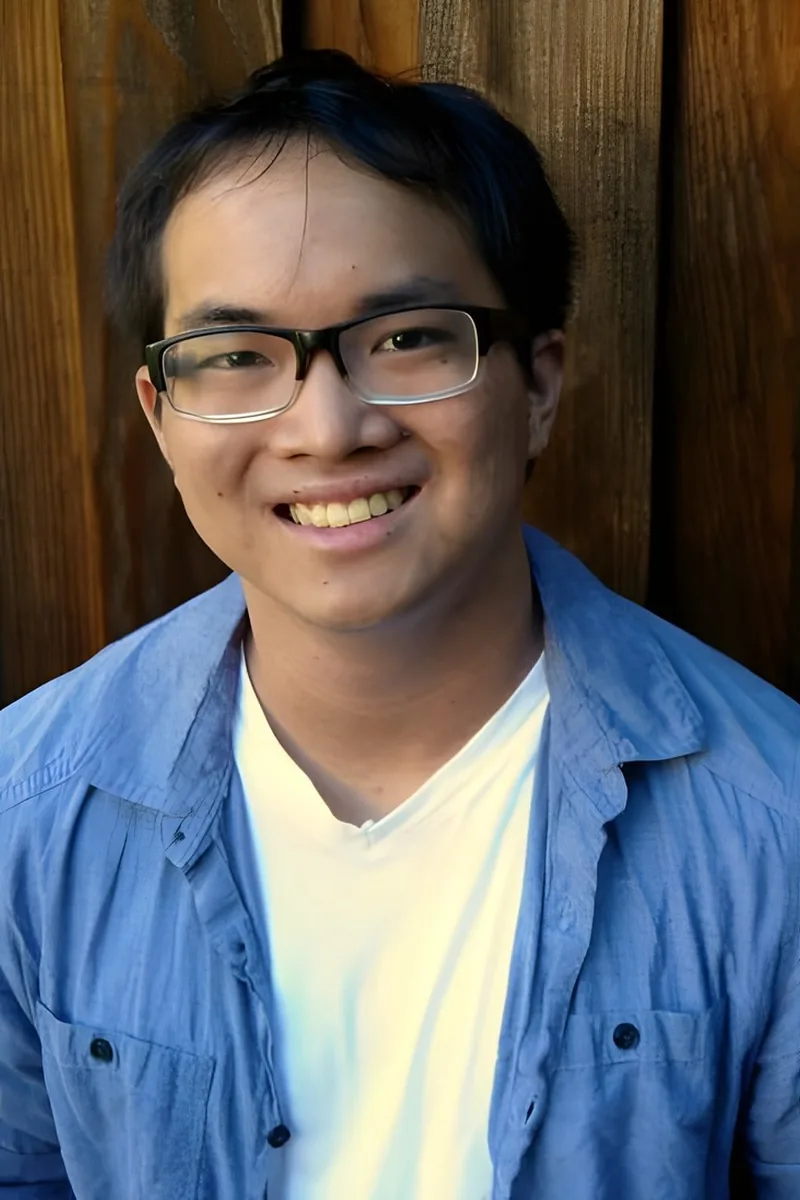
David's cognitive science training at Stanford sat squarely at the intersection of biology, psychology, and computational modeling, giving him a cross-disciplinary lens on science that most tutors don't have. He's particularly strong at explaining how to design experiments, interpret data, and connect scientific concepts back to underlying mechanisms.
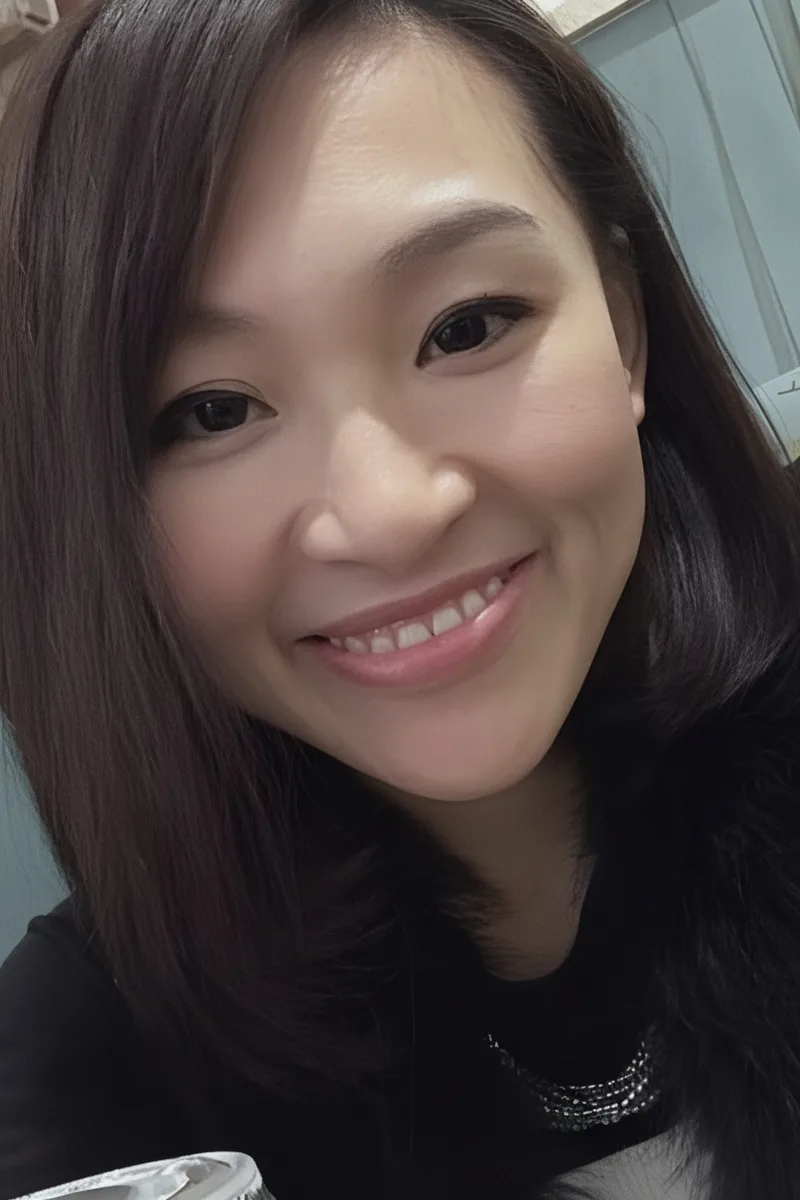
Running international trade analysis in Shanghai required Angela to work constantly with market data, supply chain logistics, and quantitative forecasting — skills that share DNA with the hypothesis-testing and data interpretation at the core of science coursework. She's particularly good at walking students through how to read charts, identify patterns, and explain what the evidence actually supports, since that's exactly what her business career demanded daily.
Studying neuroscience at the University of Minnesota means Nisarg lives inside science daily — biology, chemistry, and data interpretation are part of his regular coursework. He unpacks scientific concepts by tying them to concrete examples, making topics like cellular processes or experimental design feel less abstract and more like puzzles worth solving.
George's Child Studies degree trained him to think about how kids actually learn — which matters in science, where a student who can parrot vocabulary often can't explain what's happening in an experiment. He zeroes in on building the reasoning behind concepts like energy transfer or ecosystems, making sure students can predict outcomes and explain why, not just label diagrams. Rated 5.0 by students.
Teaching K-12 core subjects across both Minneapolis and Paris classrooms gave Anniessa a knack for making scientific concepts click through creative, multilingual approaches — she'll pull in visual models, hands-on analogies, or even word-origin breakdowns to help a tricky term like "photosynthesis" suddenly make sense. Her Master's in Education sharpened her ability to diagnose exactly where a student's understanding breaks down, whether it's reading a data table, setting up a fair experiment, or explaining results in their own words.
A political science major at Boston College still has to grapple with research design, statistical evidence, and constructing arguments from data — skills Adam now applies when walking students through scientific reasoning like interpreting graphs, identifying variables, and explaining experimental outcomes. His 31 ACT composite confirms he can handle the analytical demands of science material, and his experience tutoring Boston-area high schoolers means he knows where students typically get tripped up and how to get them unstuck.
Special education training gives Emily a toolkit most science tutors lack — she knows how to adapt an experiment walkthrough or a vocabulary-heavy chapter so it actually lands for students who process information differently. Her social work background also means she reads frustration early and adjusts before a student shuts down, which matters in a subject where one confusing diagram can derail an entire lesson. Rated 5.0 by students.
Social work graduate training is more scientifically rigorous than most people realize — Katie's MSW program required coursework in research methods, evidence-based practice, and interpreting statistical outcomes in clinical studies. That background means she can walk students through hypothesis formation, data analysis, and experimental design with real-world examples that make the scientific method feel purposeful rather than formulaic.
A veterinary student conducting comparative oncology research, Marika lives science daily — from cellular biology to experimental design. She unpacks scientific concepts by tying them to tangible examples, whether explaining the water cycle through weather patterns a student can observe or walking through how cells divide using diagrams she draws in real time. Rated 5.0 by students.
Epidemiology is applied science — designing studies, interpreting data, and understanding how biological systems interact with populations. Audrey's MPH training plus extensive undergraduate coursework in biology, chemistry, and physics gives her a broad scientific vocabulary that makes her effective whether a student is struggling with cell structure, the periodic table, or experimental design.
Product design requires a working knowledge of physics, materials science, and data analysis, so Lillian approaches science as a toolkit rather than a set of facts to memorize. She walks students through how to read graphs, set up experiments logically, and connect cause-and-effect reasoning across topics — skills that transfer whether the unit covers biology, chemistry, or earth science.
A computer science degree trains you to think in systems — tracing how inputs become outputs, isolating variables when debugging, and testing hypotheses about why something behaves the way it does — which is essentially the scientific method applied to code. David brings that same systematic troubleshooting to science, especially the quantitative pieces like interpreting graphs, working through unit conversions, and figuring out what an experiment's data actually tells you. His 36 ACT confirms he can handle science material at the highest level.
A PhD in Applied Economics means Celestine spent years running regressions, designing studies, and interpreting data — the same core skills science coursework tests when students face questions about experimental design, variable control, and reading graphs. She's particularly strong at teaching the quantitative backbone of science: setting up equations from word problems, converting units, and explaining what a data trend actually tells you.
Danny's teaching background spans math and music theory — two fields that sharpen the same logical thinking science demands, from interpreting data tables to understanding cause-and-effect relationships in experiments. He breaks down scientific reasoning into manageable steps, whether a student is tackling the scientific method, basic chemistry concepts, or earth science vocabulary.
Anna's double-accelerated math track — algebra through multivariable calculus — means the quantitative backbone of science (unit conversions, rate calculations, interpreting graphs) is second nature to her, which frees her up to focus on the conceptual side students actually struggle with. Her data processing degree adds a practical layer: she teaches students to look at experimental results the way an analyst would, asking whether the numbers actually support the conclusion or just look like they do. Rated 5.0 by students.
For students navigating general or introductory science courses, Brita brings structured reading and study strategies that make textbook-heavy material less overwhelming. She's particularly useful when science assignments require written lab reports or research summaries, where her writing expertise overlaps with scientific content. Her approach is honest and practical — she's strongest with the analytical and communication side of science coursework.
A political economy degree builds a surprisingly transferable skill for science: reading dense material, extracting key claims, and evaluating whether the evidence actually supports them. Cleo applies that same critical lens to teaching students how to interpret experiments, connect observations to explanations, and write up results that go beyond restating what happened. Her 5.0 rating suggests the approach lands.
A genetics major on the pre-med track, Jaya has spent four years immersed in biology, biochemistry, physiology, and ecology coursework. She unpacks scientific concepts by tying them to concrete examples — like using real genetic crosses to teach Mendelian inheritance or walking through actual metabolic pathways to explain cellular respiration.
Studying genetics at the University of Minnesota while working in two cancer research labs means Brian doesn't just know textbook science — he's applied concepts like cell signaling, experimental controls, and data analysis in real research settings. He brings that context into tutoring sessions, connecting topics in biology, chemistry, and physics to tangible examples that make abstract ideas click.
Debate coaching sharpens a very specific skill that most science students underestimate: the ability to evaluate competing claims by weighing evidence and spotting gaps in reasoning. Rohit brings that same rigor to science tutoring, teaching students to treat every hypothesis like an argument that needs supporting data — not just a definition to memorize. His 35 ACT confirms he can handle the quantitative and analytical demands of the subject.
A physics major with deep coursework in biology, neuroscience, and molecular biology, Jane tackles science by connecting concepts across disciplines — explaining how thermodynamics applies to cellular respiration, or how electrical circuits mirror neural signaling. Her 4.9 rating from students speaks to an ability to make cross-disciplinary connections click.
A computer science student with coursework in physics and environmental science, Abirami tackles science by connecting abstract concepts to tangible examples — explaining Newton's third law through rocket propulsion, or teaching ecosystems through real case studies. She's especially sharp at translating the math side of science problems, which is often where students get stuck.
Steve's ACT composite of 32 — including the Science section, which is really a test of graph reading, data comparison, and experimental design interpretation — means he's practiced exactly the rapid-analysis skills that science coursework builds toward. His English and Global Studies background also means he can teach students to write clear lab reports and explain scientific processes in their own words, not just circle the right multiple-choice answer.
Working full-time as a reading tutor in a Minneapolis elementary school, Kelly sees daily how much of science success at the K-6 level comes down to whether a student can pull information from a chart, diagram, or nonfiction passage — and that's exactly the overlap she targets. Her finance background and CFA training also mean she's comfortable with the quantitative side, walking students through measurement, data tables, and basic graphing with real confidence. Rated 4.9 by students.
While science isn't Matt's major, his mathematics background gives him a strong handle on the quantitative side — unit conversions, interpreting experimental data, and applying formulas in physics or chemistry contexts. He's especially effective for students who understand science concepts conceptually but get tripped up when the math enters the picture.
Jade's science tutoring leans on her strengths as a reader and writer — she's particularly effective at teaching students to interpret data tables, pull key information from dense textbook passages, and write clear lab reports. For students who understand the concepts but struggle to express them on paper, she fills a gap most science tutors don't.
Biomedical engineering at the University of Minnesota means Emily lives in science daily — from cell biology and physiology to physics and chemistry applications in medical devices. She breaks down scientific reasoning and experimental design in ways that connect textbook concepts to how they actually function in a lab or clinical setting. Rated 5.0 by students.
Orthopedic research is Colleen's day job, so when she explains the skeletal system in anatomy or balances equations in chemistry, she's pulling from real lab experience — not just a textbook. She covers everything from elementary-level ecosystems and states of matter up through high school chemistry and physiology. Students walk away understanding the reasoning behind scientific concepts, not just the vocabulary.
A biology degree with a biochemistry focus from Carleton College means Mikkel can teach across the sciences — from cell biology and genetics to chemical reactions and lab methodology — without losing the thread that connects them. His MCAT preparation and work as an emergency medical scribe reinforced how physics, chemistry, and biology overlap in real-world problem solving. Rated 4.8 by students.
An environmental studies minor and a psychology research background mean Alexandra approaches science as something you reason through, not just memorize. She's especially effective at teaching students to interpret data, read graphs, and connect experimental design to conclusions — skills that cut across biology, earth science, and introductory physics.
Danae's Political Science coursework at the University of Minnesota involves heavy statistical analysis and evidence evaluation — skills she carries into science tutoring when students need to interpret data sets, identify patterns in results, or explain what an experiment actually proved. Her 33 ACT confirms she can handle the analytical reasoning science demands, and her 4.9 rating suggests she makes that reasoning accessible rather than intimidating.
Nate teaches honors chemistry, organic chemistry, and physical chemistry alongside his math subjects — so when he tutors general science, he's drawing on actual lab-science knowledge rather than transferring skills from an unrelated field. That chemistry depth means he can explain concepts like conservation of energy, atomic structure, or reaction rates with real precision, not just textbook definitions. His 33 ACT and 5.0 rating back up what his subject range suggests: he genuinely knows this material.
A computer science major who also tutors physics, calculus, and multiple programming languages, Broden has the kind of cross-disciplinary STEM fluency that makes science concepts click — whether a student is struggling with energy conservation, data interpretation, or the math hiding inside a chemistry problem. He's especially strong at connecting the quantitative side of science to intuition, walking through graphs and formulas until students can explain the reasoning in their own words. Holds a 5.0 rating.
Biosystems engineering sits at the intersection of biology, chemistry, and physics, so Shannon uses real-world examples — like how enzymes catalyze reactions or how forces act on biological materials — to make abstract science concepts tangible. She's especially comfortable walking through lab-style data interpretation and the scientific method.
A computer science major learns to think in systems — tracing how inputs become outputs, isolating what changed and why — which is essentially what science asks students to do with experiments and natural phenomena. Parsan applies that same debugging mindset to science material, teaching students to work through hypotheses and data interpretation with logical precision rather than rote memorization. His 33 ACT confirms he can handle the cross-disciplinary reasoning science coursework demands.
A math minor and economics concentration at Pomona College means David has spent serious time with the quantitative backbone of science — interpreting data sets, working through statistical models, and translating numbers into meaningful conclusions. He's especially useful for students who can handle the concepts but freeze when a science assignment asks them to calculate a rate, read a graph, or explain what the evidence actually supports. His 36 ACT and 5.0 rating back up the analytical sharpness he brings to the table.
Philosophy is fundamentally about constructing arguments and testing whether conclusions actually follow from premises — and Patrick applies that same logical scaffolding when walking students through hypothesis formation, experimental design, and interpreting what results really show. His training in formal logic and critical reasoning at the undergraduate level translates well to teaching students how to evaluate scientific claims and spot weak evidence. He also draws on his Spanish fluency to help students decode Latin-rooted scientific terminology that often feels like a foreign language.
As a genetics and cell development major at the University of Minnesota, Sarah lives inside the biological sciences every day — from molecular biology to experimental design. She unpacks scientific concepts by connecting them to real research examples, making topics like cell division, heredity, and basic chemistry feel concrete instead of abstract.
Abbey's English and journalism training might not scream science, but dissecting arguments, evaluating sources, and organizing complex information into clear explanations are exactly what science coursework demands once students move past basic recall. Her 33 ACT — which requires strong performance on the Science section's data interpretation and experimental reasoning passages — confirms she can read graphs, compare competing hypotheses, and draw conclusions under pressure.
Carey's neuroscience and nutrition coursework gives her real depth in life sciences — topics like cell biology, the nervous system, and how organisms process energy. She ties scientific concepts to everyday examples, which is especially useful for younger students encountering the scientific method and hypothesis testing for the first time.
Testimonials
Because the right Science tutor makes all the difference.
Average Session Rating – Based on 3.4M Learner Ratings
Practice Science
Free practice tests, flashcards, and AI tutoring for Science
Nearby Science Tutors
Other Minneapolis Tutors
Related Science Tutors in Minneapolis
Frequently Asked Questions
Many Minneapolis students struggle with connecting abstract scientific concepts to real-world applications, especially in chemistry and physics where visualization is critical. Lab work interpretation, data analysis, and balancing competing demands across multiple science courses also present challenges. With an average student-teacher ratio of 17.6:1 in Minneapolis schools, personalized attention to these specific gaps can make a significant difference in understanding and retention.
In a classroom setting, teachers must pace instruction for 20+ students with varying needs, which can leave gaps for struggling learners or unchallenged advanced students. Personalized 1-on-1 instruction allows tutors to focus entirely on your learning style, identify exactly where concepts break down, and adjust pacing and examples in real time. This targeted approach is especially valuable in science, where hands-on problem-solving and conceptual understanding are essential for success.
Yes. Varsity Tutors connects you with tutors who are familiar with Minnesota state science standards and the specific curricula used across Minneapolis's 34 school districts. Whether your student is working through elementary life science, middle school earth science, high school biology, chemistry, or physics, tutors can align instruction with classroom expectations while filling knowledge gaps and building deeper understanding.
Absolutely. Tutors can help students understand lab procedures, interpret results, analyze data using appropriate methods, and write clear lab reports. Many students struggle with the reasoning behind experimental design or translating raw data into meaningful conclusions—personalized instruction addresses these specific skills that are critical for science success at any level.
Transitions from general science to chemistry, physics, or AP courses often expose foundational gaps that weren't apparent before. Tutors can quickly assess which prerequisite concepts need reinforcement—whether it's atomic structure before chemistry or kinematics before physics—and build confidence before the course demands intensify. This proactive approach prevents students from falling further behind as material becomes more complex.
The first session is focused on understanding your student's current level, learning style, and specific challenges. The tutor will ask about recent assignments, test results, and topics that feel confusing, then work through a problem or concept together to identify exactly where support is needed. This diagnostic approach ensures that all future sessions are precisely targeted to your student's goals.
Yes. Tutors can help students prepare for standardized science tests, AP exams (Biology, Chemistry, Physics, Environmental Science), and other assessments by reviewing key concepts, practicing problem-solving strategies, and building test-taking confidence. Personalized prep focuses on your student's specific weak areas rather than generic review of all material.
Contact Varsity Tutors to discuss your student's science needs, grade level, and goals. You'll be matched with a tutor who has expertise in the specific science subject and understands how to help your student succeed. From there, you can schedule sessions at times that work best for your family.
Let’s find your perfect tutor
Answer a few quick questions. We’ll recommend the right plan and match you with a top 5% tutor.