Award-Winning Biochemistry Tutors
serving Minneapolis, MN
Biochemistry
Tutors in Minneapolis
Private 1-on-1 tutoring, weekly live classes for academic support, test prep & enrichment, practice tests and diagnostics, and more to elevate grades and test scores.
Based on 3.4M Learner Ratings
UniversitiesSchools & Universities
DeliveredHours Delivered
ProficiencyGrowth in Proficiency
Who needs tutoring?
No obligation. Takes ~1 minute.
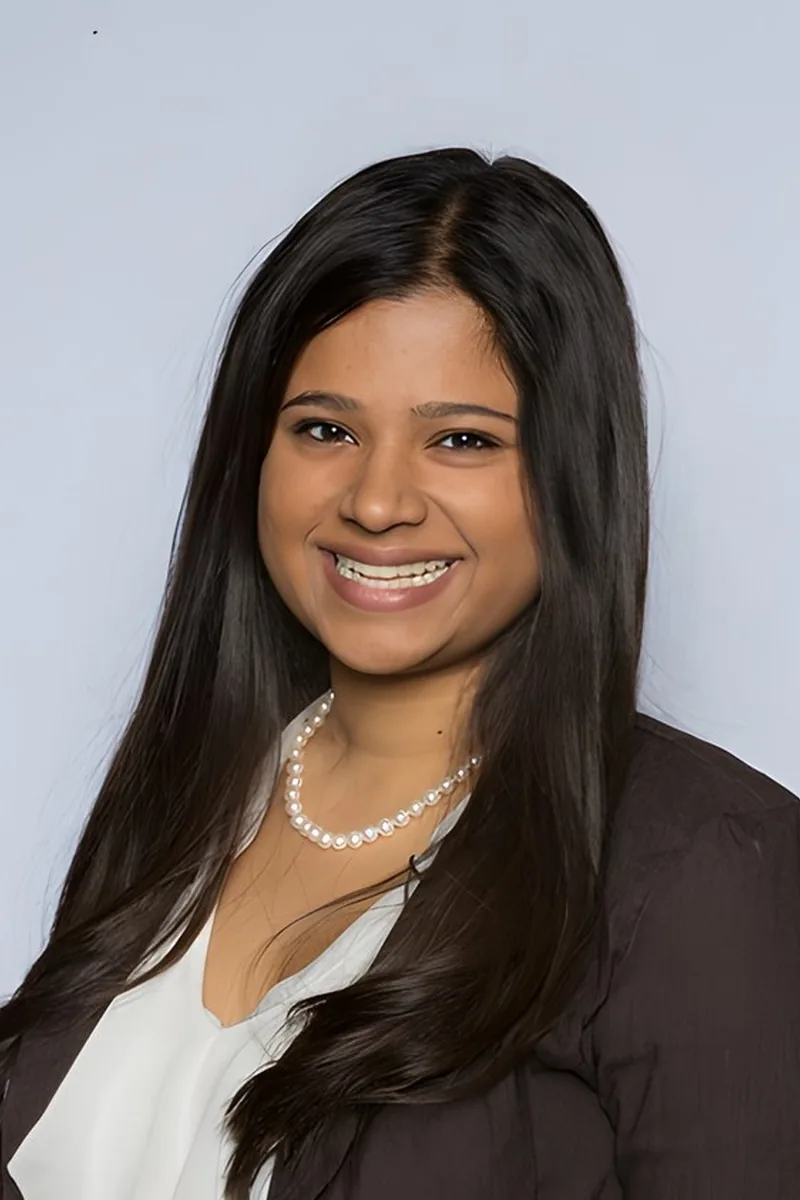
As a genetics major on the pre-med track, Jaya lives in the world of biochemistry — amino acid structures, enzyme kinetics, metabolic pathways, and the molecular logic connecting DNA to protein function. She's currently preparing for the MCAT's biological and chemical foundations sections, which means this material is fresh and actively in her working memory. She unpacks complex pathways like glycolysis and the citric acid cycle by emphasizing the *why* behind each step rather than demanding rote memorization.
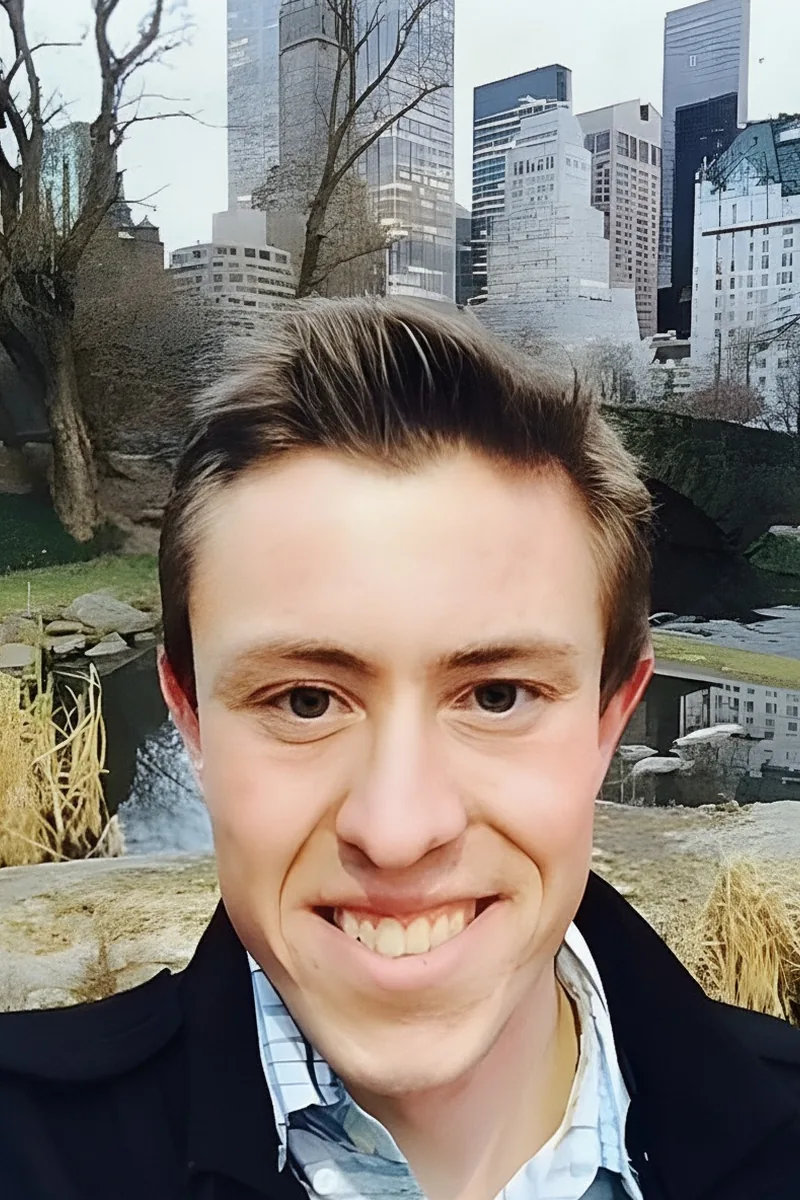
Two cancer research labs gave Brian a front-row seat to biochemistry in action — enzyme kinetics, metabolic pathways, and protein structure aren't abstractions for him but daily working tools. He's currently preparing for medical school and the MCAT's biochemical foundations section, which means topics like amino acid chemistry, glycolysis, and membrane transport are fresh and detailed in his teaching.
Bintou's chemistry degree from Penn covered the organic and physical chemistry backbone that biochemistry builds on — reaction mechanisms, thermodynamics, molecular structure — and her year teaching high school science sharpened her ability to break layered concepts into steps students can actually follow. She approaches topics like enzyme kinetics and metabolic regulation by first making sure the underlying chemistry clicks, then building up to how those reactions behave inside a cell.
Pre-med coursework at Northwestern means Manideep is actively working through the toughest parts of biochemistry right now — amino acid structures, membrane transport mechanisms, and the regulatory logic behind major metabolic pathways. That proximity to the material gives him a sharp sense of where students get stuck, especially when translating organic chemistry principles into biological contexts. Rated 5.0 by students.
Amino acid structures, enzyme kinetics, metabolic pathways — biochemistry demands that students hold molecular details and big-picture logic in their heads at the same time. Paul's biology honors work at Brown required exactly this kind of thinking, and he walks students through reaction mechanisms and pathway regulation with a clarity that makes the material stick.
Four years of medical school means Jordan has cycled through biochemistry multiple times — first mastering it for premed coursework, then again for the MCAT, and again for USMLE Step 1 — each pass deepening his grasp of how pathways like the urea cycle and oxidative phosphorylation connect to clinical medicine. That layered repetition lets him teach metabolic integration the way it actually gets tested: not as isolated reactions, but as interconnected systems where disrupting one enzyme cascades through the whole picture. Rated 5.0 by students.
Enzyme kinetics, metabolic pathways, protein folding — biochemistry sits at the intersection of biology and chemistry, and Zachary holds a degree in exactly that. He digs into the molecular logic behind processes like glycolysis and the citric acid cycle, connecting reaction mechanisms to the bigger physiological picture so the details actually stick.
Enzyme kinetics, metabolic pathways, amino acid chemistry — biochemistry asks students to think like both a biologist and a chemist simultaneously. Ivan's background spanning cognitive science and the biological sciences, plus his MCAT teaching experience, means he can unpack reaction mechanisms and protein structure in ways that connect molecular detail to bigger physiological stories.
Enzyme kinetics, metabolic pathways, protein structure — biochemistry asks students to think about molecules as dynamic systems, not static diagrams. Tina's engineering background at Cornell and her pre-med preparation mean she can unpack topics like Michaelis-Menten kinetics or amino acid chemistry with both quantitative rigor and biological context.
Neuroscience majors don't just memorize biochemistry — they depend on it, and Janki's coursework at Kentucky meant tracing every concept from neurotransmitter metabolism to oxidative phosphorylation back to the underlying chemical logic. She teaches topics like enzyme regulation and pathway energetics by building each mechanism piece by piece, so students can predict what happens next in a pathway instead of relying on rote recall. Rated 4.8 by students.
Northwestern's neuroscience program required Amira to internalize biochemistry from the pre-med side — amino acid properties, metabolic pathway regulation, and the molecular signaling that bridges chemistry and biology. She breaks down dense topics like enzyme kinetics and oxidative metabolism by linking each mechanism back to the physiological system it serves, turning abstract reaction chains into something students can reason through rather than memorize.
Rohan's economics training might seem distant from biochemistry, but econometrics and metabolic pathway analysis share a core skill — tracing how one variable's change cascades through an interconnected system. He applies that quantitative reasoning to topics like enzyme kinetics and metabolic regulation, breaking down rate equations and feedback loops with the same rigor he brings to economic models. Rated 4.9 by students.
Enzyme kinetics, metabolic pathways, and protein structure sit right at the intersection of Aimee's two degrees — chemical engineering and biosystems engineering. She unpacks topics like Michaelis-Menten kinetics and amino acid chemistry by tying them to the biomedical research context she works in at Georgia Tech, making dense material feel purposeful.
Physical chemistry PhD work at UC Berkeley means Jacob spent years quantifying the thermodynamic and kinetic principles that govern every biochemical process — from enzyme catalysis rates to the free energy changes driving metabolic pathways forward. He teaches biochemistry by unpacking the physical chemistry underneath it, so concepts like Michaelis-Menten kinetics or the energetics of oxidative phosphorylation feel like derivable logic rather than formulas to memorize. Rated 4.9 by students.
Testimonials
Because the right Biochemistry tutor makes all the difference.
Average Session Rating – Based on 3.4M Learner Ratings
Practice Biochemistry
Free practice tests, flashcards, and AI tutoring for Biochemistry
Nearby Biochemistry Tutors
Other Minneapolis Tutors
Related Science Tutors in Minneapolis
Frequently Asked Questions
Biochemistry is the study of chemical processes within living organisms—how molecules like proteins, carbohydrates, and lipids function and interact to sustain life. It bridges chemistry and biology, making it essential for students pursuing medicine, pharmacy, biology, chemistry, and environmental science. A strong foundation in biochemistry opens doors to understanding disease mechanisms, drug development, and cellular function, which is why many colleges weight it heavily in science prerequisites.
Biochemistry students often struggle with three main areas: visualizing abstract molecular structures and metabolic pathways, balancing complex chemical equations, and connecting theoretical concepts to real-world biological applications. Many students try to memorize pathways like glycolysis or the citric acid cycle without truly understanding the underlying chemistry, which makes the material feel overwhelming. Personalized tutoring helps students build conceptual understanding first, then apply that knowledge to problem-solving and exams.
Yes. Tutors can help you understand the scientific reasoning behind lab protocols, interpret experimental results, and connect lab observations to biochemistry theory. Whether you're learning spectrophotometry, chromatography, enzyme kinetics, or protein analysis, tutors can explain the chemistry happening in each step and help you troubleshoot when results don't match expectations. This bridges the gap between classroom concepts and hands-on scientific practice.
During your first session, a tutor will assess your current understanding of foundational chemistry and biology concepts, identify specific areas where you're struggling (whether that's metabolic pathways, enzyme mechanisms, or problem-solving skills), and learn your learning style. From there, the tutor will create a personalized plan that targets your weak spots while building confidence. Many students find that even one session clarifies concepts that seemed impossible before.
Understanding biochemistry requires learning the 'why' behind each reaction—why substrates bind to enzymes, why energy is released or consumed, and how one pathway connects to another. Tutors help you visualize molecular interactions, work through mechanisms step-by-step, and practice applying concepts to new problems rather than just recalling facts. This approach not only makes the material stick longer but also prepares you for exam questions that test reasoning, not just recall.
Biochemistry calculations often involve unfamiliar units (molar concentrations, enzyme kinetics in Michaelis-Menten equations, energy in kilocalories or joules) and require you to set up problems correctly before calculating. Many students skip steps or misunderstand what the units represent, leading to wrong answers. A tutor can teach you a systematic approach to unit conversions and help you build confidence with calculations so you understand what each number means in a biological context.
Look for tutors with a strong background in both chemistry and biology—ideally with a degree in biochemistry, chemistry, biology, or a related field, and experience teaching or tutoring the subject. It's also valuable to work with someone who understands the specific curriculum and exam format you're preparing for, whether that's AP Biology, college biochemistry, or pre-med coursework. Varsity Tutors connects you with expert tutors who can explain complex concepts clearly and adapt to your learning needs.
Many students notice improved understanding and confidence within 2-3 sessions, especially if they're working on specific problem areas. However, mastering biochemistry—particularly for exams or cumulative courses—usually takes consistent work over several weeks or months. The timeline depends on your starting point, how frequently you meet with a tutor, and how much you practice between sessions. Regular tutoring combined with active problem-solving typically leads to measurable grade improvements within 4-6 weeks.
Let’s find your perfect tutor
Answer a few quick questions. We’ll recommend the right plan and match you with a top 5% tutor.