Award-Winning AP Human Geography Tutors
serving Boston, MA
AP Human Geography
Tutors in Boston
Private 1-on-1 tutoring, weekly live classes for academic support, test prep & enrichment, practice tests and diagnostics, and more to elevate grades and test scores.
Based on 3.4M Learner Ratings
UniversitiesSchools & Universities
DeliveredHours Delivered
ProficiencyGrowth in Proficiency
Who needs tutoring?
No obligation. Takes ~1 minute.
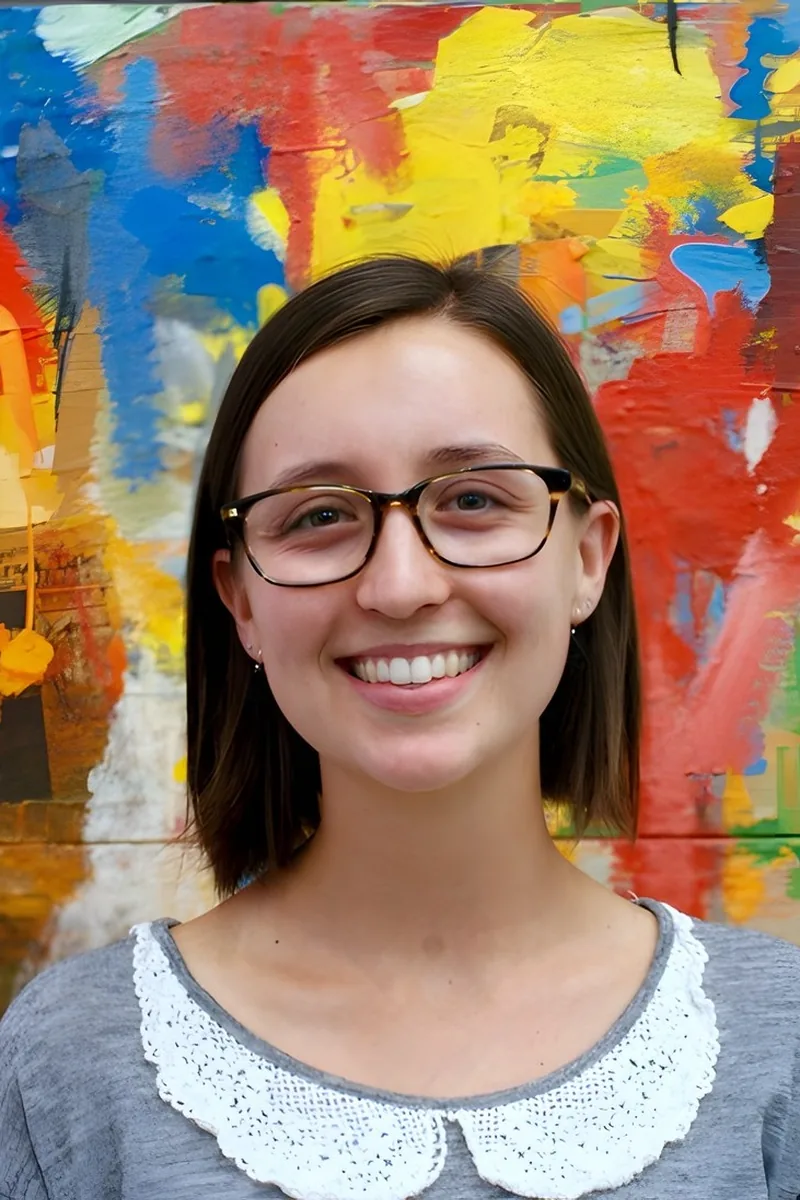
Samantha's American Studies program is essentially AP Human Geography's reading list in degree form — she's deep in the cultural landscapes, migration narratives, and political structures that show up across Units 3 through 7. That academic grounding, plus a 35 ACT, means she can break down both the conceptual side (why Mackinder's heartland theory matters, how acculturation differs from assimilation) and the test-strategy side of stimulus-based multiple choice and FRQs.

Double-majoring in Digital Journalism and Political Science means Alyssa spends her coursework analyzing how media, governments, and cultural forces shape communities — the same dynamics that drive AP Human Geography units on political organization, cultural patterns, and urbanization. She's strongest with the K-6 through middle school crowd, but her social studies background and knack for making dense vocabulary accessible translate well to walking through concepts like sovereignty, devolution, and supranationalism in ways that go beyond flashcard memorization.
A political science major at UGA, Monroe spends his coursework analyzing the same forces — sovereignty, borders, migration policy, state power — that AP Human Geography tests across Units 4 and 7. He turns that into practical exam prep by drilling students on how to connect models like Ratzel's organic theory or Rostow's development stages to real political examples in FRQ responses. His 35 ACT and 4.9 rating speak to the kind of structured, strategy-driven approach that pays off on test day.
Cultural anthropology is essentially the discipline AP Human Geography was built from — Scott's honors degree in the field means concepts like cultural diffusion, language families, and ethnic territoriality aren't exam vocabulary to him but frameworks he's studied in depth at Washington University in St. Louis. He's particularly strong at unpacking the exam's trickier FRQ prompts where students need to connect anthropological models to real-world stimulus material, drawing on the same analytical reading skills behind his 1580 SAT. Rated 4.8 by students.
Computer science trains you to think in systems — how inputs flow through structures to produce outcomes — and that's exactly how Regina approaches AP Human Geography concepts like the gravity model, central place theory, and spatial diffusion. She breaks down each unit's models as logical frameworks rather than vocabulary lists, which clicks especially well for students who think analytically but struggle with traditional social studies memorization. Rated 5.0 by students.
Living and teaching in Ecuador for over a decade gave Joy a ground-level understanding of the cultural diffusion, language patterns, and development challenges that AP Human Geography tests in units on culture, political organization, and economic development — she's seen concepts like core-periphery dynamics and acculturation play out in real life, not just in textbook diagrams. Her biology background in ecology and conservation also strengthens her approach to the agriculture and land-use units, where students need to connect environmental constraints to human settlement patterns.
Courtney's French Language and Literature degree means she spent years studying how language, colonialism, and cultural identity intersect across Francophone regions — from West Africa to the Caribbean to Quebec — which maps neatly onto AP Human Geography's units on cultural diffusion, political boundaries, and language patterns. As a freelance writer, she also brings practical clarity to FRQ responses, teaching students to construct tight geographic arguments instead of listing vocabulary. Rated 5.0 by students.
Yale's History of Science, Medicine, and Public Health program immerses Stephanie in exactly the kind of cross-regional analysis AP Human Geography rewards — tracing how disease, technology, and institutional power reshape populations and landscapes across time. She applies that training to units on population dynamics, political organization, and development models, unpacking concepts like the epidemiological transition or supranational governance with real case studies rather than textbook definitions. Rated 5.0 by students.
UCLA's International Development Studies curriculum puts Claudia right in the middle of the global migration, urbanization, and political boundary questions that AP Human Geography builds its units around — she's studying these processes academically while tutoring students through them on the exam. Her work at UCLA's Writing Center also sharpens a skill most AP Human Geo tutors overlook: teaching students to construct tight, evidence-driven FRQ responses that connect models like Rostow's stages or the Burgess concentric zone theory to stimulus material in a few clear sentences.
Christopher's economics degree from UCLA means he already thinks in the supply-demand and development frameworks that underpin some of AP Human Geography's densest units — Rostow's modernization theory, core-periphery dynamics, and how economic incentives drive agricultural and industrial land use. His history training adds the colonial and migration context that turns those economic models into full geographic arguments on FRQ prompts. Rated 4.7 by students.
Rima's health policy background gives her a concrete way into some of AP Human Geography's trickiest units — she can explain why the epidemiological transition or Rostow's development model aren't just abstract diagrams but reflections of real policy decisions that reshape how populations grow, move, and organize. That cross-disciplinary perspective, combined with her humanities training in reading and writing analysis, makes her particularly useful when students need to connect dense vocabulary to the kind of process-based explanations the FRQs demand. Holds a 5.0 rating.
Shrina's math and computer science background gives her an unexpected edge in AP Human Geography — she's comfortable with the spatial data analysis, population models, and quantitative reasoning behind concepts like the gravity model or rank-size rule that trip up students who approach the course as pure memorization. She also brings strong writing chops (1540 SAT, plus experience coaching college essays) to FRQ prep, where translating geographic patterns into structured written arguments is half the battle.
An anthropology degree from Northwestern means Samantha spent years studying exactly what AP Human Geography tests — how cultures form, spread, and collide across regions, and why migration and political organization look different depending on where you are in the world. She brings that ethnographic lens to units on cultural patterns, population dynamics, and political geography, turning abstract models into the kind of human stories that actually stick before exam day.
Economics and finance training at Notre Dame means Benjamin already thinks in the spatial and systems-level frameworks AP Human Geography demands — trade networks, development models like Rostow's stages, and how economic forces reshape urban and agricultural landscapes. He's especially useful for students who struggle to connect the course's vocabulary to the data-interpretation and stimulus-based questions on the exam. Holds a 5.0 rating.
Testimonials
Because the right AP Human Geography tutor makes all the difference.
Average Session Rating – Based on 3.4M Learner Ratings
Practice AP Human Geography
Free practice tests, flashcards, and AI tutoring for AP Human Geography
Nearby AP Human Geography Tutors
Other Boston Tutors
Related Social Studies Tutors in Boston
Frequently Asked Questions
AP Human Geography covers eight units: Thinking Geographically, Population and Migration Patterns, Cultural Patterns and Processes, Political Organization of Space, Agriculture and Rural Land Use, Cities and Urban Land Use, Industrial and Economic Development, and Human Impacts on the Environment. Each unit builds spatial thinking skills and explores how human societies interact with their environment. Understanding the connections between these topics is key to performing well on the exam.
The exam consists of two sections: a 60-minute multiple-choice section with 60 questions (50% of your score) and a 75-minute free-response section with three questions (50% of your score). The free-response questions require you to apply geographic concepts to real-world scenarios, explain spatial patterns, and analyze case studies. Success requires both quick recall and the ability to construct well-reasoned written arguments.
Many students struggle with synthesizing information across multiple units—the exam tests whether you can connect cultural patterns to political organization, or link economic development to environmental impacts. Others find the free-response section demanding because it requires clear geographic reasoning and specific examples. Time management is also critical; pacing through 60 multiple-choice questions in 60 minutes while leaving mental energy for the free-response section challenges many test-takers.
Personalized 1-on-1 instruction is particularly effective for AP Human Geography because tutors can target your specific weak areas—whether that's mastering case studies, improving free-response writing, or strengthening multiple-choice strategy. Research on personalized learning shows significant gains when instruction is tailored to individual needs. Most students who work consistently with a tutor see measurable improvement in both their understanding of concepts and their exam performance.
Most students benefit from 3-4 months of focused preparation, though this varies based on your starting point and course experience. If you're taking the AP Human Geography course, tutoring sessions spaced throughout the year help reinforce concepts as you learn them. For students preparing in a shorter timeframe, intensive sessions focused on practice tests, free-response strategies, and your weakest units can still produce solid results.
Practice tests are essential—they help you understand the exam's pacing, question formats, and grading rubrics while identifying which units or question types trip you up. Taking full-length practice tests under timed conditions is especially valuable because it reveals whether you're a strong conceptual thinker who struggles with time management, or whether you need to deepen your understanding of certain topics. Tutors can review your practice test results with you to pinpoint patterns in your mistakes and adjust your study plan accordingly.
Varsity Tutors connects you with tutors in Boston who specialize in AP Human Geography and understand both the curriculum and the exam format. When you get matched with a tutor, you can discuss your current level, target score, and timeline so they can create a personalized study plan. Many tutors in the Boston area have experience working with students across the city's diverse school districts and can tailor their approach to your specific needs.
Your first session is typically a diagnostic and planning meeting. The tutor will assess your current understanding of AP Human Geography concepts, review your course materials or recent test scores if available, and learn about your goals and timeline. Together, you'll identify your strongest and weakest areas, then develop a customized study plan that focuses on building confidence where you need it most and refining strategy where you're already strong.
Let’s find your perfect tutor
Answer a few quick questions. We’ll recommend the right plan and match you with a top 5% tutor.