Award-Winning Microbiology Tutors
serving Louisville, KY
Microbiology
Tutors in Louisville
Private 1-on-1 tutoring, weekly live classes for academic support, test prep & enrichment, practice tests and diagnostics, and more to elevate grades and test scores.
Based on 3.4M Learner Ratings
UniversitiesSchools & Universities
DeliveredHours Delivered
ProficiencyGrowth in Proficiency
Who needs tutoring?
No obligation. Takes ~1 minute.
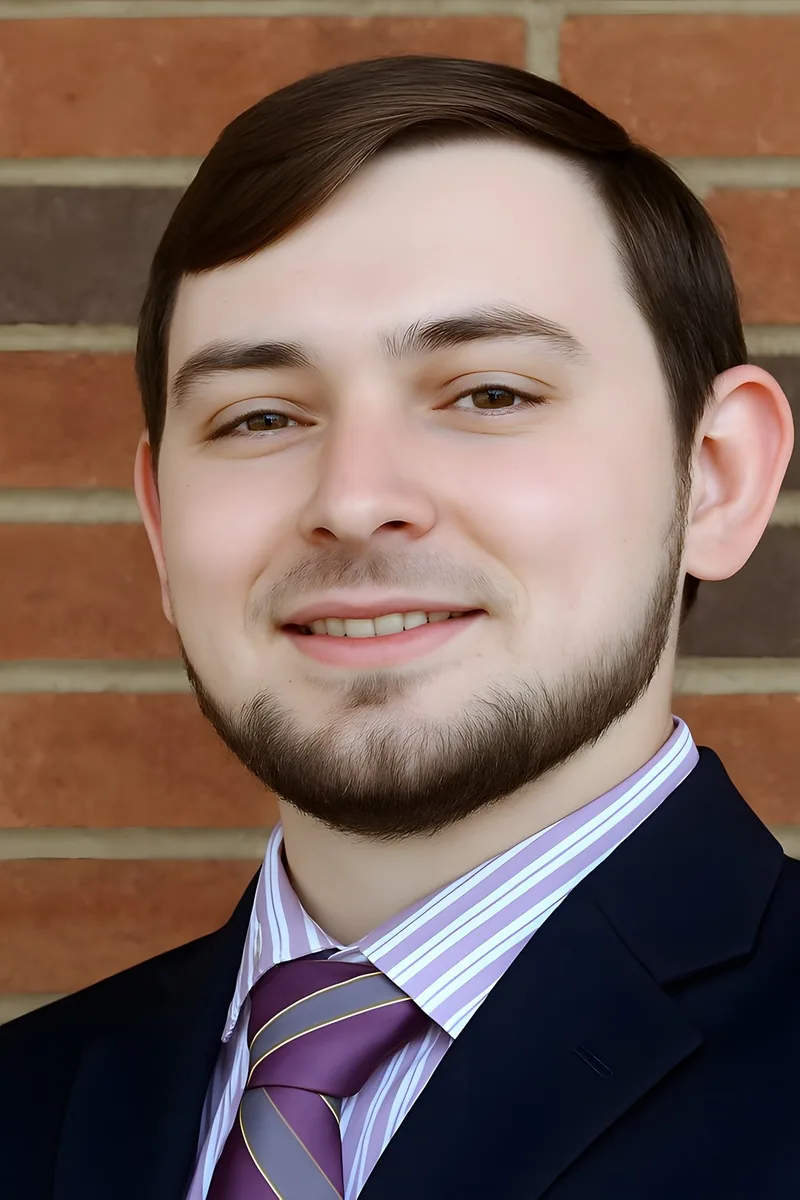
Hands-on bacterial research gives Richard a perspective on microbiology that goes beyond textbook diagrams. He digs into gram staining, virulence factors, antimicrobial resistance mechanisms, and host-pathogen interactions with the kind of detail that comes from having worked with organisms in a lab setting.
Sam's Yale degree in Molecular Biophysics and Biochemistry gave him deep exposure to the cellular and molecular mechanisms that microbiology courses demand — membrane transport, metabolic pathways, bacterial genetics, and immune response. He connects these topics to their biochemical underpinnings, which makes processes like quorum sensing or antibiotic resistance easier to understand at a mechanistic level rather than through rote memorization.
Studying microbiology at the college level means juggling bacterial classification, metabolic pathways, virulence factors, and immune response mechanisms all at once. Kristin earned her biology degree at the University of Chicago and now applies microbiology daily in her nursing graduate program at Penn, where pathogen behavior and infection control are part of clinical reality rather than just textbook diagrams.
Studying biomedical engineering means Cassandra has spent serious time with microbial physiology, from bacterial cell structure and metabolic pathways to how pathogens interact with host immune systems. She teaches microbiology by linking each organism's characteristics to the mechanisms that make it clinically or industrially relevant, turning dense material into a coherent story.
Medical school at Penn's Perelman School of Medicine gave Daniel hands-on exposure to microbiology that goes well beyond a standard textbook — from bacterial virulence factors to antibiotic resistance mechanisms to the clinical presentations they produce. He connects microbial physiology to real infectious disease scenarios, which makes distinguishing gram-positive from gram-negative organisms or understanding viral replication cycles far more intuitive.
Bacterial genetics, microbial metabolism, and pathogenesis mechanisms can feel like an overwhelming amount of detail to absorb at once. Akarsh earned both his bachelor's and master's degrees in cellular and molecular biology, so he unpacks microbiology at the molecular level — connecting gene regulation to virulence factors and metabolic pathways in ways that make the material stick.
Environmental science and public policy might seem distant from microbiology, but Ethan's coursework in biology, chemistry, and ecology covered the microbial ecology and nutrient cycling that underpin environmental systems — how soil bacteria drive nitrogen fixation, how waterborne pathogens behave in different conditions, and why microbial communities matter for public health policy. That environmental angle gives him a unique way of explaining concepts like bacterial metabolism and population dynamics, grounding abstract processes in real-world ecological contexts. Holds a 5.0 rating.
Michelle's PhD thesis centered on bacterial infections, so microbiology isn't a textbook subject for her — it's the system she lived in for years. She digs into topics like biofilm formation, antimicrobial resistance mechanisms, and host-pathogen dynamics with the kind of specificity that comes from designing experiments around those exact processes.
Medical school demands a granular understanding of pathogens — bacterial cell wall differences, viral replication cycles, antibiotic resistance mechanisms. Daniel earned his M.D. and brings that clinical lens to microbiology, connecting each organism's structure and behavior to the disease processes students are expected to know for exams.
Ryan's master's work in cellular and molecular biology at Stanford, combined with hands-on synthetic biology research at NASA Ames, gave him deep fluency in microbial genetics, metabolic pathways, and laboratory techniques like PCR and gene cloning. He unpacks topics like bacterial pathogenesis and antimicrobial resistance by connecting them to the molecular mechanisms driving each process. Rated 5.0 by students.
Studying microbiology in preparation for medical school gave Nishad a detailed command of bacterial physiology, viral replication cycles, and immune response pathways. He teaches students to connect structure to function — understanding why Gram-negative bacteria resist certain antibiotics, for instance, by tracing the architecture of their outer membrane.
A Stanford Human Biology degree with a concentration in bioinformatics gave Matthew a computational angle on microbiology — he thinks about microbial populations in terms of gene expression data, genomic analysis, and the quantitative patterns underlying concepts like antibiotic resistance and pathogen evolution. That top-down, systems-level perspective is especially useful for students who struggle to see how individual topics like bacterial metabolism or viral replication fit into the bigger biological picture. Rated 4.9 by students.
Between her Columbia nutrition degree and her PA training at Rutgers, Victoria has spent years studying bacterial metabolism, host-pathogen interactions, and immune responses at the cellular level. She unpacks microbiology concepts like gram staining protocols, virulence factors, and microbial genetics by tying them to clinical scenarios that make the material stick.
Testimonials
Because the right Microbiology tutor makes all the difference.
Average Session Rating – Based on 3.4M Learner Ratings
Nearby Microbiology Tutors
Other Louisville Tutors
Related Science Tutors in Louisville
Frequently Asked Questions
Microbiology requires understanding both invisible microscopic structures and complex metabolic processes—two things that are hard to visualize without proper guidance. Students often struggle with distinguishing between different types of microorganisms, grasping how bacteria reproduce and evolve, and connecting lab observations to theoretical concepts. Personalized tutoring helps break down these abstract ideas into concrete, understandable pieces so you can see the "why" behind what you're observing under the microscope.
Lab work is where microbiology comes alive, but it's also where many students feel lost without clear guidance on the scientific method and experimental design. Expert tutors can help you understand the purpose behind each lab procedure, interpret results accurately, and troubleshoot when experiments don't go as planned. This bridges the gap between what you're doing in the lab and the underlying microbiology concepts, making your hands-on learning much more effective.
Absolutely not—and that's where many students get stuck. While microbiology does involve learning names and classifications, true understanding comes from grasping how microorganisms function, interact with their environments, and affect human health. Personalized tutoring focuses on building conceptual understanding rather than rote memorization, so you can apply your knowledge to new situations, answer essay questions confidently, and retain what you've learned long-term.
Your first session is about understanding where you are and where you want to go. A tutor will assess your current grasp of microbiology concepts, identify specific areas causing confusion, and learn about your learning style and goals—whether you're preparing for an exam, struggling with a particular unit, or aiming to deepen your understanding. From there, you'll develop a personalized plan that targets your needs and builds momentum right away.
Varsity Tutors connects you with expert tutors who have strong backgrounds in microbiology and related sciences. They understand both the subject matter and how to teach it effectively—they know which concepts trip up students most often and how to explain them in ways that stick. When you get matched with a tutor, you'll have access to someone with genuine expertise who can guide you through everything from cellular structures to disease mechanisms.
Unit conversions and microbial growth calculations are common stumbling blocks because they require both understanding the concept and executing the math correctly. Tutors can break down the logic behind these calculations so you understand what you're solving for, not just how to plug numbers into a formula. With practice and feedback on your approach, you'll build confidence and accuracy—skills that transfer across all your science courses.
Yes. Louisville has a strong education system across its school districts, and tutors working with Varsity Tutors are familiar with the microbiology standards and expectations in the area. Whether you're in a traditional high school biology course, an AP or honors microbiology class, or a college-level microbiology course, your tutor will align their instruction with your specific curriculum and learning objectives.
Microbiology isn't just an abstract science—it's directly relevant to medicine, food safety, environmental health, and biotechnology. Expert tutors help you see these connections by relating concepts like antibiotic resistance, fermentation, and pathogenesis to real situations you care about. This context makes the material more engaging and helps you understand why microbiology matters, which deepens both your interest and your retention.
Let’s find your perfect tutor
Answer a few quick questions. We’ll recommend the right plan and match you with a top 5% tutor.