Award-Winning AP Biology Tutors
serving Louisville, KY
AP Biology
Tutors in Louisville
Private 1-on-1 tutoring, weekly live classes for academic support, test prep & enrichment, practice tests and diagnostics, and more to elevate grades and test scores.
Based on 3.4M Learner Ratings
UniversitiesSchools & Universities
DeliveredHours Delivered
ProficiencyGrowth in Proficiency
Who needs tutoring?
No obligation. Takes ~1 minute.
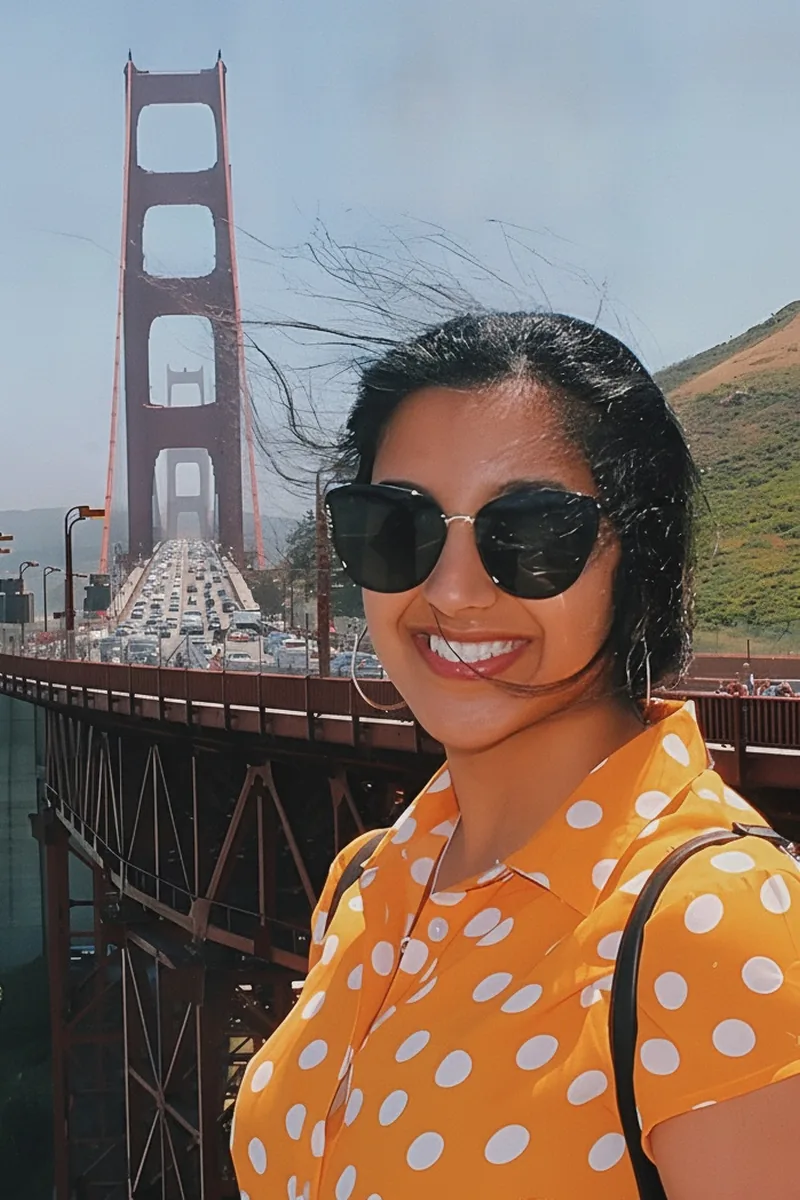
Neuroscience training means Janki has studied biology at the molecular, cellular, and systems level — so AP Bio's units on cell signaling, nervous system function, and gene expression are concepts she's applied in her own coursework, not just memorized from a review book. She's especially strong at teaching students to think through the "why" behind processes like protein synthesis or membrane transport, which is the reasoning skill that separates 4s and 5s on the free-response section. Rated 4.8 by students.
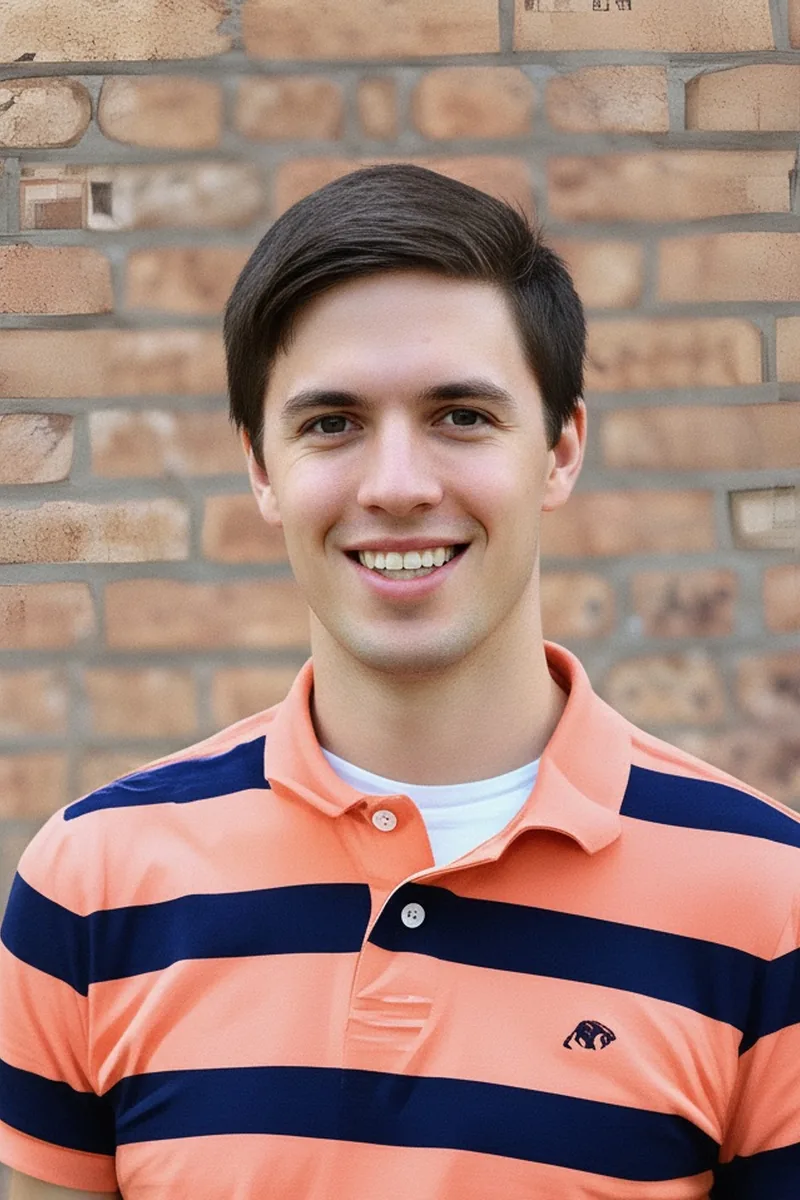
Five semesters as a university chemistry TA gave Troy a biochemist's instinct for explaining biological processes through their molecular mechanics — so when AP Bio students hit enzyme kinetics, cellular respiration, or protein folding, he teaches the underlying chemistry that makes those concepts click instead of just memorizable. He's heading to medical school at UVA this fall, which means the course's units on physiology and gene expression are material he's recently mastered at a level well beyond what the exam demands.
Jason is a medical student at the University of Kentucky with a biology degree, so AP Biology's toughest units — cellular respiration, gene expression, and ecological dynamics — overlap directly with material he's mastered at a graduate level. He teaches organic chemistry recitation formally, which means he knows how to break down enzyme kinetics and metabolic pathways for students encountering them for the first time. Rated 5.0 by students.
A dietetics degree means Amy has studied human metabolism and physiology from the nutrition side — tracing how macromolecules get broken down, how enzymes regulate those pathways, and how energy flows through biological systems — which overlaps directly with AP Bio's cellular energetics and macromolecule units. She's especially handy for students who struggle to see the point of memorizing glycolysis or the Krebs cycle, because she can ground those processes in real questions about how organisms actually fuel themselves.
Nick studied neuroscience and behavioral biology at the university level, which means AP Biology's toughest units — cell signaling, gene expression, and nervous system physiology — overlap directly with his own coursework. He unpacks dense topics like the operon model or oxidative phosphorylation by connecting molecular details to the bigger biological story the AP exam expects students to articulate. Rated 4.8 by students.
AP Bio covers a staggering range — from cellular respiration pathways to ecology population models to gene regulation — and the exam rewards students who can analyze data, not just recall facts. Kate's science background and engineering training make her especially sharp on the quantitative side of the course, including Chi-square analysis, Hardy-Weinberg calculations, and interpreting experimental results.
Fourth-year med student at Albert Einstein College of Medicine, Michael has spent years applying the biology he first studied as a summa cum laude graduate in Biology from Yeshiva College — so AP Bio's units on genetics, cellular processes, and physiology aren't abstract for him, they're the foundation of his daily clinical work. His experience teaching MCAT prep for Kaplan means he's already coached students through the same high-stakes biological reasoning that AP Bio's free-response questions demand, especially the kind where you need to connect a molecular mechanism to an organism-level outcome.
Biophysics at Rice means Aadith studies biological systems through a quantitative lens — analyzing protein folding energetics, membrane dynamics, and molecular interactions — which gives him an unusual edge on AP Bio's units covering macromolecule structure, enzyme kinetics, and cellular energetics. He's also actively taking biochemistry coursework alongside his physics major, so he can explain concepts like the chemiosmotic mechanism or allosteric regulation with the kind of molecular-level precision that earns full credit on free-response questions.
Between his neuroscience research at the Jungers Center and molecular biology work at the Oregon Stem Cell Center, Daniel has lived the content that shows up on the AP Biology exam — from cellular signaling pathways to gene expression and evolution. He teaches the free-response section by connecting big biological ideas to the experimental design skills the College Board actually tests for.
Teaching has been a lifelong passion of mine. What drives me is sharing knowledge while genuinely connecting with others. I discovered my love for tutoring in high school and have been dedicated to it ever since. At Stanford University, I earned a BS in Human Biology and Chemistry while continuing to tutor throughout, advancing to Lead Tutor. After graduation, I spent a year as a Teaching Associate, designing and delivering course content which significantly broadening my pedagogical approach. What sets me apart is my versatility. Having served as both tutor and instructor, I can adapt my teaching style to each student's unique needs, whether that be building up foundational skills or pursuing advanced mastery. I'm now pursuing graduate studies at The Johns Hopkins School of Medicine, staying engaged with cutting-edge science while maintaining my commitment to education. I look forward to helping you achieve your academic goals!
A UCLA biology grad with cum laude honors now pursuing his MD at the Medical College of Wisconsin, Abrahim has studied AP Bio's content at every level — from undergrad genetics and cell biology through the clinical physiology he encounters in medical school daily. He's particularly sharp at teaching students how to design and interpret experiments, a skill he honed through years of science coursework and standardized exam prep where data analysis is make-or-break. Rated 5.0 by students.
Studying biomedical engineering at Duke means Eric thinks about biological systems at the molecular, cellular, and organismal levels every day. He tackles AP Biology's toughest units — signal transduction, gene regulation, and energy flow through ecosystems — by tying them back to the underlying logic that the AP exam rewards.
Srini is studying molecular biophysics at Brown, which means AP Bio topics like cell signaling cascades, gene expression, and membrane transport aren't just exam material — they're his daily coursework. He unpacks the why behind each biological process, connecting molecular details to the big-picture themes the AP exam rewards. Rated 4.8 by students.
As a Cornell biology student on a pre-med track, Karim is actively studying the same cellular processes, genetics, and ecological concepts that AP Bio tests — so his explanations come with the freshness of someone working through this material at the college level right now. He's especially strong at breaking down how organisms maintain homeostasis and how evolutionary pressures shape populations, the kinds of big-picture connections the exam's data-interpretation questions demand. Rated 5.0 by students.
Laura's economics background might seem like an odd fit for AP Bio, but it actually sharpens one of the exam's trickiest skills: interpreting data sets, reading graphs under pressure, and constructing logical arguments from evidence — exactly what the free-response section demands. She also tutors the SAT Bio Subject Test and college biology, so she's comfortable with content from ecology and population dynamics to cellular processes. Rated 5.0 by students.
Working in a Yale research lab that uses CRISPR-Cas9 gives Matthew a perspective on AP Biology that most tutors can't offer — he connects textbook topics like gene regulation, signal transduction, and evolution to experiments happening right now. He's especially sharp on the free-response questions, where students need to design experiments and interpret data rather than just recall facts.
Owen is a neuroscience major at Brown, which means AP Biology's toughest units — cell signaling, gene expression, and cellular energetics — overlap directly with material he's studied at the college level. He teaches students to think like the exam demands: interpreting experimental data, constructing explanations using evidence, and connecting molecular-scale processes to organism-level outcomes.
Testimonials
Because the right AP Biology tutor makes all the difference.
Average Session Rating – Based on 3.4M Learner Ratings
Practice AP Biology
Free practice tests, flashcards, and AI tutoring for AP Biology
Nearby AP Biology Tutors
Other Louisville Tutors
Related Science Tutors in Louisville
Frequently Asked Questions
AP Biology covers eight major units: cellular structure and function, cell division, heredity, gene expression and regulation, natural selection and evolution, energy and metabolism, photosynthesis and cellular respiration, and ecology. The course emphasizes understanding biological systems at multiple scales—from molecular processes to ecosystem dynamics—and requires both conceptual knowledge and the ability to apply that knowledge to real-world scenarios. Most of the exam focuses on these core concepts rather than memorization of isolated facts.
The AP Biology exam is 3 hours long and consists of two sections: a multiple-choice section with 60 questions (90 minutes) and a free-response section with 6 questions (90 minutes). The multiple-choice questions test both recall and application of concepts, while free-response questions require you to explain biological processes, analyze data, and construct arguments. Success requires strong time management—practicing full-length exams helps you develop pacing strategies so you don't rush through complex questions or run out of time.
Many students struggle with connecting concepts across units—AP Biology isn't just about memorizing processes, but understanding how cellular respiration relates to photosynthesis, how genetics connects to evolution, and how energy flows through ecosystems. Another major challenge is interpreting data from graphs, tables, and experimental designs, which appear frequently on the exam. Additionally, managing the volume of material while maintaining deep understanding (rather than surface-level memorization) trips up students who try to cram. Personalized tutoring helps you identify which concepts need reinforcement and develop strategies for tackling unfamiliar question types.
Score improvement depends on your starting point and how consistently you engage with tutoring and practice. Students who work with tutors typically see 1-2 point improvements on the 1-5 AP scale, though some see larger gains if they're addressing significant knowledge gaps or test-taking weaknesses. The most important factor is using tutoring strategically—focusing on your weakest units, practicing full-length exams, and refining your approach to free-response questions. Tutors can help you prioritize what to study and how to study it, which often makes a bigger difference than raw study hours.
Practice tests are essential for AP Biology success because they help you identify weak areas, practice time management, and get comfortable with the exam format. Ideally, you should take full-length practice exams under timed conditions every 2-3 weeks as you prepare, starting about 8-10 weeks before the exam. After each practice test, review your mistakes carefully—not just to learn the right answer, but to understand why you missed it (Did you misread the question? Lack conceptual understanding? Run out of time?). Tutors can help you analyze your practice test results and create a targeted study plan based on patterns in your performance.
Most students benefit from 8-12 weeks of focused preparation leading up to the exam, with 5-8 hours of study per week. If you're taking the course in school, you're already getting classroom instruction, so tutoring can supplement that with targeted review of difficult concepts and intensive practice on free-response questions. Starting prep earlier (in January or February for a May exam) allows you to review material without cramming and gives you time to identify and address weak areas before test day. The quality of your study matters more than quantity—working with a tutor helps ensure you're using your time efficiently.
Free-response questions on AP Biology require you to explain concepts, analyze data, or design experiments—so clear communication and organization are critical. A strong approach is to read the question carefully, identify what's being asked (explain, compare, predict, design), and structure your answer with a clear topic sentence followed by supporting details and examples. Many students lose points by providing incomplete explanations or jumping between ideas without connecting them. Tutors can help you practice writing concise, well-organized responses and provide feedback on your explanations, which is harder to get in a classroom setting where teachers have limited time for individual review.
Varsity Tutors connects you with expert tutors in Louisville who specialize in AP Biology and understand the specific challenges students face with this course. When getting matched with a tutor, look for someone with strong AP Biology experience, familiarity with the current exam format, and a teaching style that works for you—whether that's conceptual explanation, practice problem-solving, or exam strategy coaching. Your first session is a great opportunity to assess the fit and discuss your goals, timeline, and specific areas where you need the most support.
Let’s find your perfect tutor
Answer a few quick questions. We’ll recommend the right plan and match you with a top 5% tutor.