Award-Winning AP Spanish Literature and Culture Tutors
serving Honolulu, HI
AP Spanish Literature and Culture
Tutors in Honolulu
Private 1-on-1 tutoring, weekly live classes for academic support, test prep & enrichment, practice tests and diagnostics, and more to elevate grades and test scores.
Based on 3.4M Learner Ratings
UniversitiesSchools & Universities
DeliveredHours Delivered
ProficiencyGrowth in Proficiency
Who needs tutoring?
No obligation. Takes ~1 minute.
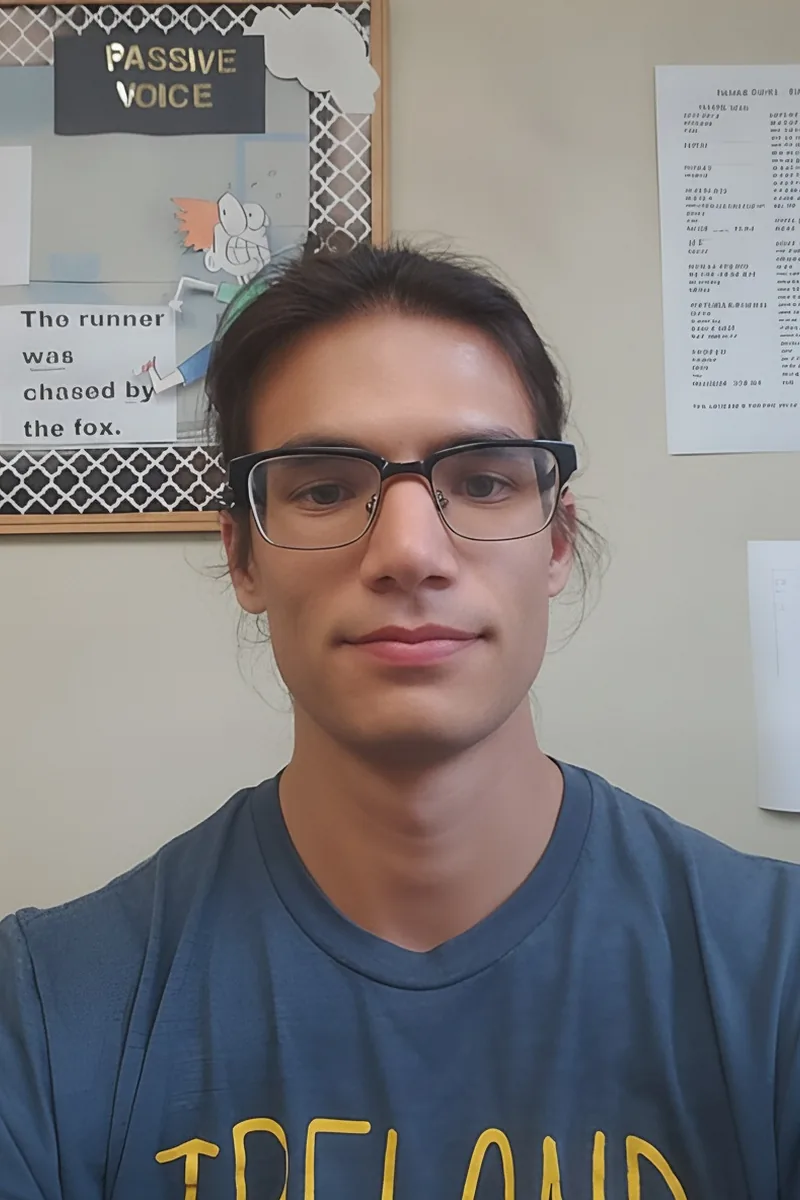
Literary analysis is literary analysis whether it's in English or Spanish — and Stephen's English degree trained him to dissect how authors use structure, tone, and figurative language to build meaning, skills that transfer directly to unpacking AP reading list texts like Borges or Cervantes. His coursework across four levels of Spanish plus AP Spanish Literature and Culture means he can conduct that analysis in the target language, connecting his close-reading instincts to the essay construction the exam demands.
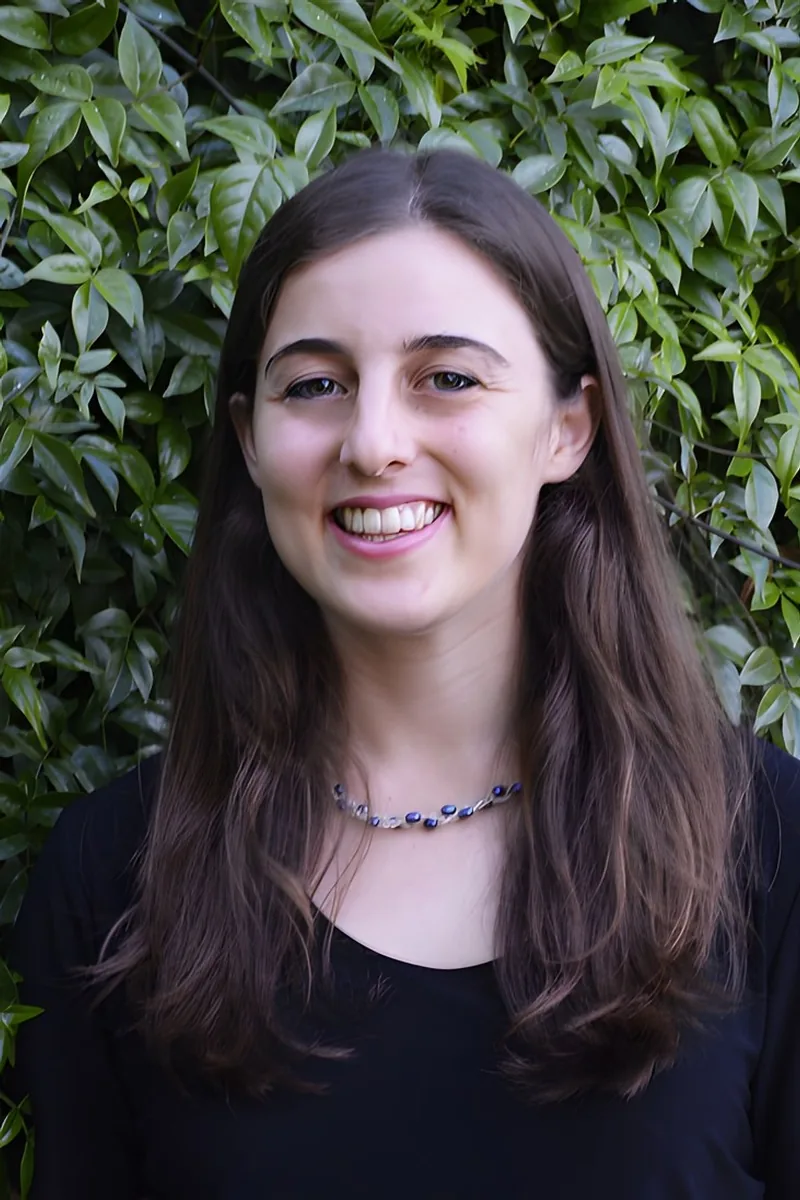
Studying at a university in Chile didn't just make Elana fluent — it immersed her in the Latin American literary and cultural landscape that dominates much of the AP reading list. Her training in the Organic World Languages method at Oberlin, where the emphasis is on producing meaningful Spanish in context, shapes how she coaches essay writing: students learn to construct analytical arguments in Spanish that sound like real literary commentary, not translated English. Rated 5.0 by students.
Growing up as a native Spanish speaker and writer while simultaneously studying English literature and theater at Bowdoin gave Alex an unusual double fluency — literary analysis skills honed in two languages at once, which is precisely what this exam's timed essays in Spanish demand. His graduate work in biology might seem unrelated, but the evolutionary and bioanthropological lens he brings to questions of cultural identity and human experience adds unexpected depth when unpacking themes in reading list works from Quiroga to Allende. Rated 4.8 by students.
Growing up as a native speaker of Spanish and Galician — two languages with deeply intertwined literary traditions — Andrea brings an intuitive ear for the register shifts, regional idioms, and poetic rhythms that surface in AP reading list texts from both Peninsular and Latin American canons. Her International Relations studies at Princeton, paired with a certificate in Spanish, trained her to read literature through the political and social forces behind it, which strengthens the kind of culturally grounded essay arguments the free-response section rewards. Rated 5.0 by students.
Adriana's biochemistry and history double major at Rice might seem unusual preparation for literary analysis, but dissecting historical arguments and scientific texts in two languages built exactly the kind of rigorous close-reading this exam rewards. Fluent in Spanish and holding a 5.0 tutoring rating, she walks students through the timed analytical essay process — constructing thesis-driven arguments about works on the AP reading list entirely in Spanish, with attention to both literary devices and the cultural contexts behind them.
As a native Spanish speaker studying at Yale, Stephanie brings both cultural fluency and literary analysis skills to AP Spanish Literature and Culture — from close readings of García Márquez and Sor Juana to writing persuasive essays in Spanish about themes like "las sociedades en contacto." Her IB Diploma background means she's intimately familiar with the kind of rigorous textual analysis the AP exam demands. Rated 5.0 by students.
Reading García Márquez or Sor Juana Inés de la Cruz in the original Spanish demands more than vocabulary — it requires understanding literary movements, rhetorical devices, and the cultural contexts that shaped each work. Corey studied Latin American & Caribbean Studies alongside cognitive science at the University of Michigan, giving him both the literary background and the analytical framework to unpack AP Spanish Literature's required reading list. He connects themes across periods so students can write stronger comparative essays on exam day.
Medical school sharpens one skill that translates surprisingly well to AP Spanish Literature: reading dense, complex material under pressure and extracting exactly what matters. Brianna's biology degree and Spanish tutoring experience give her the language foundation, while her test-taking discipline (1490 SAT, 32 ACT) carries over to coaching students on structuring timed analytical essays where clear argumentation counts more than literary flourish. This isn't her deepest subject, but for students who need help with the mechanics of building an evidence-based essay under exam conditions, her systematic approach fills a real gap.
Living in Bogotá as a Fulbright scholar while holding a double major in Spanish and Business from Emory means Michelle is immersed daily in the Colombian literary and cultural landscape — the kind of lived context that enriches discussion of Latin American works on the AP reading list. She brings that real-world fluency to essay practice in Spanish, particularly when students need to connect a text's themes to the broader cultural movements the exam expects them to articulate under timed conditions.
Growing up speaking Spanish at home after moving from Chile, then studying abroad in Salamanca, Carlos developed the kind of native-level fluency that catches the subtle register shifts and idiomatic layers in AP reading list works — from colonial poetry to contemporary Latin American prose. His daily work as a bilingual writer at St. Jude Children's Research Hospital keeps his written Spanish sharp and precise, which directly feeds into coaching students on constructing timed analytical essays that move beyond plot summary into genuine literary argumentation.
Four years of TA'ing Spanish at Dartmouth using the Rassias method — an approach built around verb structure, syntax, and pronunciation drills — gave Elise an instinct for how language mechanics shape literary meaning, which is exactly what the AP exam's analytical essays reward. Her Comparative Literature degree with a Spanish concentration means she's trained to read across traditions and trace how formal choices in a Sor Juana sonnet or a Rulfo story carry thematic weight. Rated 5.0 by students.
AP Spanish Literature and Culture asks students to analyze works from Cervantes to García Márquez in the target language — a challenge that demands both literary skill and genuine fluency. Philip is a fluent Spanish speaker who has also tutored the language at Carnegie Mellon for over a year, so he can unpack themes like "las sociedades en contacto" and rhetorical devices without defaulting to English. He teaches students to write analytical commentary in Spanish that earns top marks on the free-response sections.
Testimonials
Because the right AP Spanish Literature and Culture tutor makes all the difference.
Average Session Rating – Based on 3.4M Learner Ratings
Other Honolulu Tutors
Related Languages Tutors in Honolulu
Frequently Asked Questions
The AP Spanish Literature and Culture exam tests your ability to read, analyze, and discuss Spanish-language literature across different time periods and genres. You'll encounter poetry, prose, drama, and essays from Spain and Latin America, and must demonstrate comprehension, literary analysis, and cultural understanding. The exam includes multiple-choice questions, free-response sections, and requires you to write analytical essays about the texts you've studied.
Many students struggle with the combination of language proficiency and literary analysis—you need strong Spanish skills AND the ability to interpret complex themes, symbolism, and historical context. Time management is another common challenge, especially during the free-response section when you're writing analytical essays in Spanish under pressure. Additionally, unfamiliar vocabulary and regional dialects across different Spanish-speaking countries can make texts feel overwhelming without proper preparation.
Expert tutors can help you develop a systematic approach to analyzing unfamiliar texts, build vocabulary in literary and cultural contexts, and practice writing analytical essays with constructive feedback. Personalized 1-on-1 instruction allows tutors to identify your specific weak areas—whether that's understanding poetic devices, analyzing historical context, or managing essay timing—and create a targeted study plan. Regular practice with actual AP exam materials and timed conditions helps build confidence and test-taking stamina.
Score improvement depends on your starting point and how consistently you engage with tutoring and practice materials. Students who work with tutors typically see gains by strengthening their analytical skills, expanding literary vocabulary, and becoming more efficient with essay writing. Most students benefit from 8-12 weeks of regular preparation, though the timeline varies based on your current proficiency level and how much time you dedicate to practice between sessions.
Your first session is an assessment and planning meeting. A tutor will evaluate your current Spanish proficiency, discuss which texts and themes you find most challenging, and review your goals for the exam. Together, you'll create a personalized study plan that covers the required reading list, focuses on your weak areas, and builds in regular practice with timed essays and multiple-choice passages. This foundation ensures every future session is targeted and efficient.
Practice tests and timed essays are essential—they help you understand the exam format, build speed and accuracy, and identify specific areas needing improvement. Working through full-length practice exams under timed conditions also builds test anxiety management skills, so you're comfortable with the pressure on exam day. Your tutor can review your practice essays, provide detailed feedback on analysis depth and writing quality, and help you refine your approach based on patterns in your mistakes.
Varsity Tutors connects you with tutors for students in Honolulu who specialize in AP Spanish Literature and Culture. You can specify your needs, timeline, and preferred schedule, and get matched with a tutor who has expertise in this specific exam and understands the curriculum. Whether you need help starting your preparation months in advance or intensive review closer to test day, tutors can customize their approach to fit your situation.
The AP Spanish Literature and Culture exam emphasizes not just what texts say, but why they matter within their historical and cultural contexts. Understanding the social, political, and literary movements that shaped works helps you write more sophisticated analyses and earn higher scores on free-response questions. A tutor can help you connect individual texts to broader themes in Spanish and Latin American culture, making your essays more insightful and demonstrating the depth of understanding the exam rewards.
Let’s find your perfect tutor
Answer a few quick questions. We’ll recommend the right plan and match you with a top 5% tutor.