Award-Winning AP Spanish Language & Culture Tutors
serving Honolulu, HI
AP Spanish Language & Culture
Tutors in Honolulu
Private 1-on-1 tutoring, weekly live classes for academic support, test prep & enrichment, practice tests and diagnostics, and more to elevate grades and test scores.
Based on 3.4M Learner Ratings
UniversitiesSchools & Universities
DeliveredHours Delivered
ProficiencyGrowth in Proficiency
Who needs tutoring?
No obligation. Takes ~1 minute.
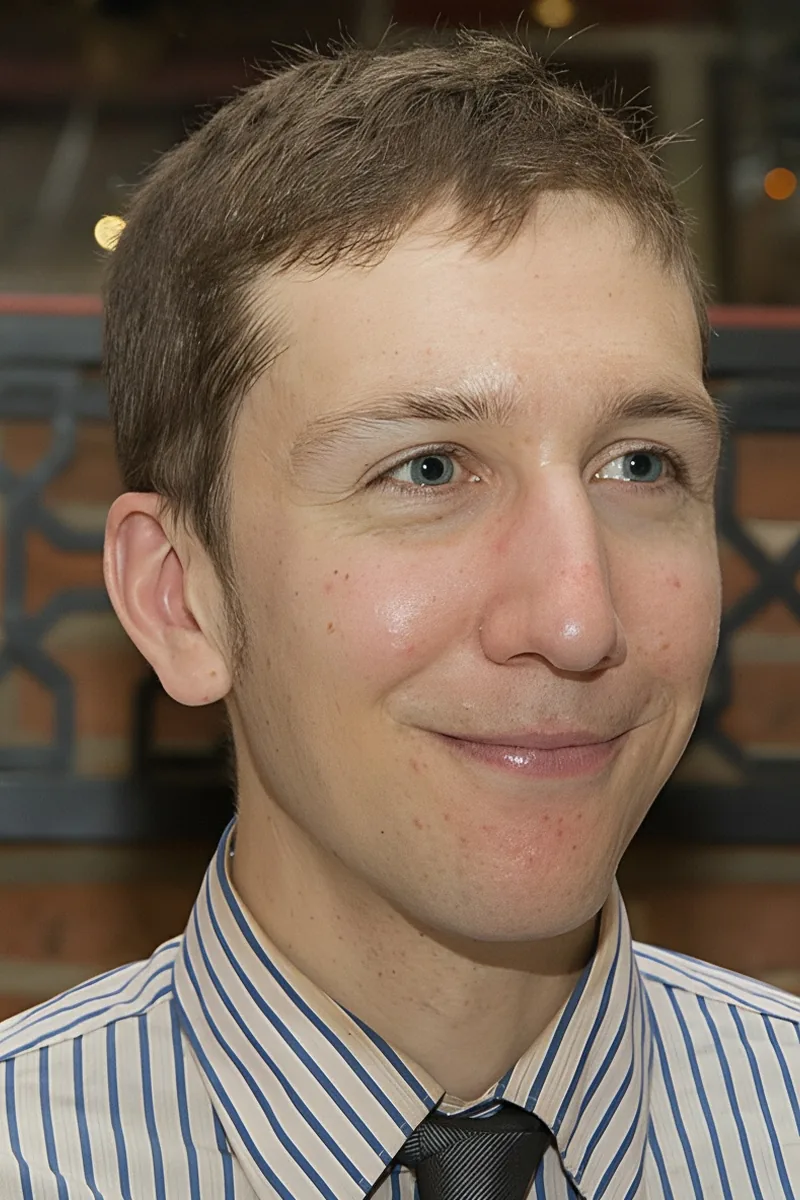
Gabriel's PhD work in Comparative Human Development at the University of Chicago means he approaches the AP Spanish exam's cultural comparison task through an academic lens most tutors can't offer — he's trained to analyze how cultural practices differ across communities, which is exactly what that free-response prompt asks students to do. He teaches Spanish 2 through 4, so he knows which grammar foundations need tightening before students can write a persuasive essay in formal register under timed conditions. Rated 5.0 by students.
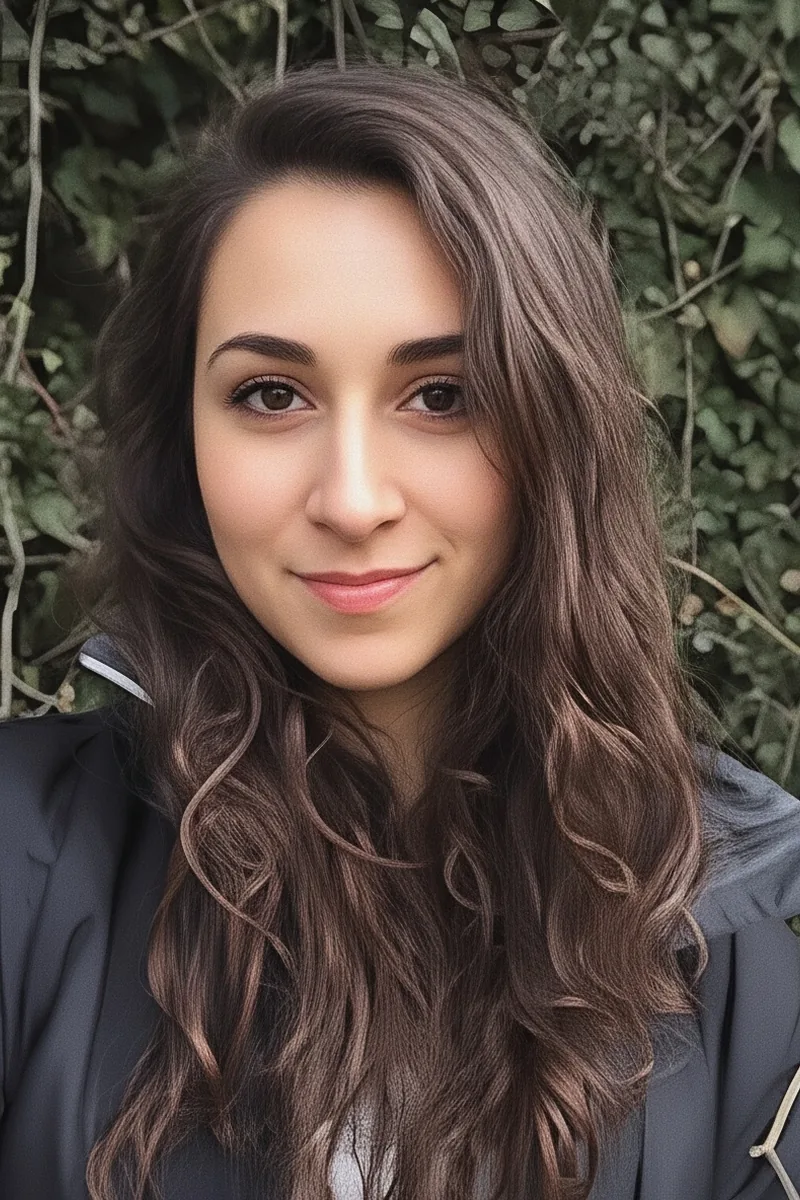
Born in Bolivia and fluent in Spanish from childhood, Geraldine brings native-level command to the AP Spanish Language & Culture exam's trickiest components: the persuasive essay, the cultural comparison, and the simulated conversation. She drills students on transitional phrases, formal register, and the specific cultural knowledge the College Board expects. Her familiarity with Latin American customs and idioms gives students an authentic reference point beyond the textbook.
Medical school in Chicago keeps Caroline juggling multiple languages daily — she double-majored in Chinese at Notre Dame while also building fluency in Spanish through her coursework up to Spanish 3. That multilingual wiring means she approaches AP Spanish prep by connecting how languages share structural logic, breaking down things like conditional chains and register shifts through cross-linguistic patterns rather than rote drilling. Rated 5.0 by students.
Being Colombian and fully bilingual, Esteban doesn't just teach Spanish — he thinks, writes, and jokes in it daily. For AP Spanish Language & Culture, that native fluency matters: he coaches students through the interpersonal speaking tasks, persuasive essays, and audio-source questions using authentic cultural contexts from across the Spanish-speaking world. His 4.9 rating speaks to how effectively he prepares students for both the language mechanics and the cultural comparisons the exam demands.
Growing up as a native Spanish speaker and then formally studying the language through a Hispanic Studies degree gives Mercedes something the AP exam's interpersonal speaking tasks reward — an instinct for when to shift between informal conversational register and the polished, formal tone the persuasive essay demands. She's a certified high school teacher who also holds a master's in literature, so she approaches the exam's source-synthesis writing tasks the way she'd teach a close reading: pulling evidence, structuring an argument, and controlling tone under timed pressure.
Rithi's strengths sit squarely in STEM — neuroscience, biotechnology, and a 1550 SAT — so she's upfront that AP Spanish isn't her primary domain. That said, her science background means she's comfortable with systematic thinking about complex rule sets, which she applies to helping break down subjunctive triggers and formal register conventions into learnable patterns rather than abstract grammar lists.
Scoring well on the AP Spanish Language & Culture exam means toggling between interpersonal conversation, presentational writing, and audio-source synthesis — often in the same sitting. Heather's deep Spanish background, built through years of advanced coursework and one-on-one tutoring, means she can drill the specific skills each task type demands. She's particularly strong at coaching students through the persuasive essay, where organizing an argument in Spanish trips up even strong speakers.
Milan's double major in Computer Science and English might seem unrelated to Spanish, but teaching across six Spanish levels — from Spanish 1 through AP — means he knows exactly which grammar gaps trip students up on timed free-response tasks. His English background sharpens how he coaches the persuasive essay's argument structure, while his conversational Spanish teaching keeps the interpersonal speaking prep grounded in real communication rather than rehearsed scripts.
Hillel's geology research on Antarctic ice sheet dynamics — conducted partly through Spanish-language scientific literature — gives him a practical connection to the formal register and academic vocabulary the AP exam's persuasive essay demands. He also teaches conversational Spanish and Hebrew, so he's comfortable switching between languages and coaching students through the interpersonal speaking tasks where real-time fluency matters most. Rated 5.0 by students.
Christopher's memory-sport training — he's actively working toward a Guinness World Record — translates surprisingly well to the vocabulary and conjugation retention that AP Spanish demands, especially when students need to internalize subjunctive triggers and idiomatic expressions under exam pressure. His biology coursework at Johns Hopkins doesn't scream Spanish, but his ACT score of 32 and comfort across multiple academic disciplines show he knows how to systematically tackle material outside his primary lane.
A year as an exchange student at the University of Puerto Rico — taking courses in Spanish linguistics, business Spanish, and constitutional law entirely in Spanish — gave Chiquita the kind of immersive academic fluency that the AP exam's timed persuasive essay and presentational speaking tasks demand. She later earned a graduate certificate in Spanish Interpretation and Translation from UCLA, training that sharpened her ability to move between registers and process Spanish at speed, which is exactly what the interpretive listening section requires. Rated 5.0 by students.
Alex's tutoring background spans a wide range of academic subjects, but AP Spanish Language & Culture is not one of his primary areas of expertise. Students preparing for this exam should look for a tutor with demonstrated fluency in Spanish and specific experience with the interpersonal and presentational communication tasks the exam requires.
Testimonials
Because the right AP Spanish Language & Culture tutor makes all the difference.
Average Session Rating – Based on 3.4M Learner Ratings
Other Honolulu Tutors
Related Languages Tutors in Honolulu
Frequently Asked Questions
The AP Spanish Language & Culture exam tests your ability to communicate in Spanish across three modes: interpersonal (conversations), interpretive (reading and listening), and presentational (speaking and writing). The exam includes multiple-choice sections on reading and listening comprehension, a free-response section with email writing and persuasive essay tasks, and speaking components including a conversation and cultural presentation. Success requires both strong language skills and deep familiarity with Spanish-speaking cultures.
Score improvement depends on your starting level and consistency with preparation. Students who work with tutors typically see gains of 1-2 points on the 5-point scale, though this varies based on your current skills and how actively you engage with practice materials. Personalized 1-on-1 instruction helps identify specific weak areas—whether that's subjunctive mood, listening comprehension, or cultural nuances—and targets them directly. Regular practice with real exam questions and feedback on your speaking and writing is essential for meaningful improvement.
Many students struggle with the subjunctive mood and complex verb tenses, which appear frequently in both reading and writing sections. The listening comprehension section challenges students who aren't used to native-speed Spanish or regional accents. The free-response writing and speaking sections also trip up students who haven't practiced timed, formal communication in Spanish. Working with tutors helps you build confidence in these specific areas through targeted practice and real-time feedback on your language use.
Most students benefit from 3-6 months of focused preparation, though this depends on your current Spanish proficiency level. If you're starting from a strong foundation in Spanish 3 or 4, you might prepare effectively in 3-4 months with consistent study. Students building from a weaker base typically need 5-6 months to develop the advanced communication skills the exam requires. Regular tutoring sessions combined with consistent independent practice—including practice tests, listening exercises, and essay writing—accelerates your progress.
Official College Board resources, including past AP exams and the course description, are essential starting points. Tutors often use authentic Spanish media—news articles, podcasts, films, and cultural texts—to build your interpretive skills and cultural knowledge. Practice tests help you understand timing and question formats, while recorded conversations and speeches build listening comprehension. Writing practice with feedback and mock speaking sessions are particularly valuable for the free-response sections, where many students lose points.
Personalized 1-on-1 instruction allows tutors to diagnose your specific weak areas—whether it's grammar, listening speed, cultural knowledge, or test anxiety—and focus on those directly. Tutors can provide immediate feedback on your speaking and writing in ways that self-study can't, helping you refine your communication before test day. They also teach you strategic approaches to each exam section, help you manage pacing during timed sections, and build your confidence through targeted practice that mirrors real exam conditions.
The AP Spanish Language & Culture exam explicitly requires understanding of Spanish-speaking cultures—it's not just about language mechanics. Cultural references appear in reading and listening passages, and the presentational speaking section requires you to discuss cultural products, practices, or perspectives. Students who understand cultural context perform better on comprehension sections and can write and speak more persuasively about cultural topics. Tutors help you build this knowledge systematically while improving your language skills.
In your first session, a tutor will assess your current Spanish proficiency across all four skills—reading, writing, listening, and speaking—to understand your starting point. You'll discuss your AP exam timeline, specific areas of concern, and your goals for score improvement. The tutor will outline a personalized study plan and likely give you initial feedback on your strengths and areas to prioritize. This foundation helps ensure that every subsequent session targets what will have the biggest impact on your exam performance.
Let’s find your perfect tutor
Answer a few quick questions. We’ll recommend the right plan and match you with a top 5% tutor.